
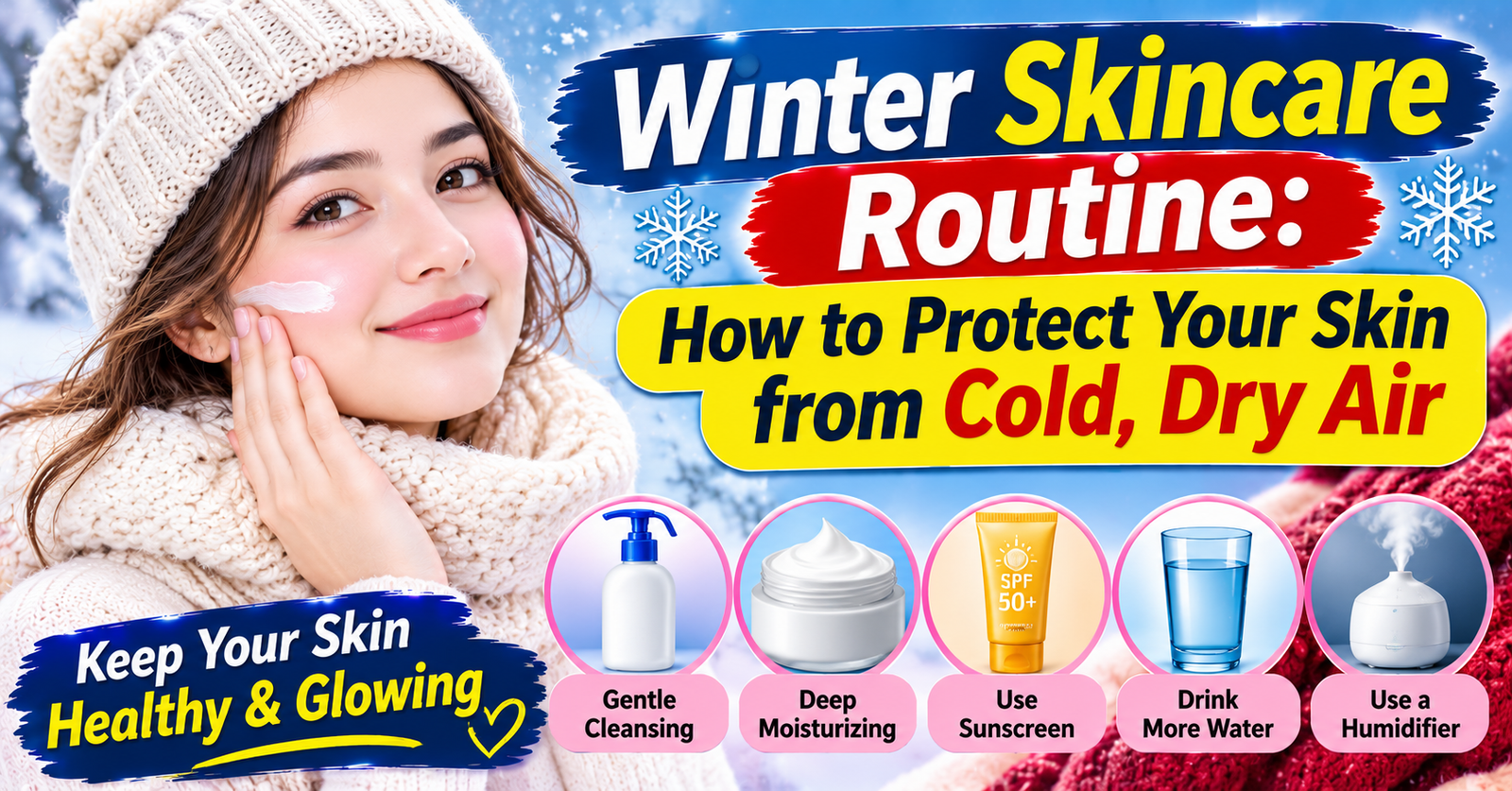
As the temperature drops and the humidity levels plummet, our skin faces a relentless barrage of environmental stressors. The combination of biting outdoor winds and parching indoor heating creates a recipe for "winter skin"—a condition characterized by tightness, flaking, redness, and a compromised moisture barrier. Transitioning your skincare routine for the colder months isn't just a luxury; it is a biological necessity. To maintain a healthy, luminous complexion, you must shift your focus from oil control and deep exfoliation to intensive hydration, barrier repair, and environmental protection.
1. Gentle Cleanser
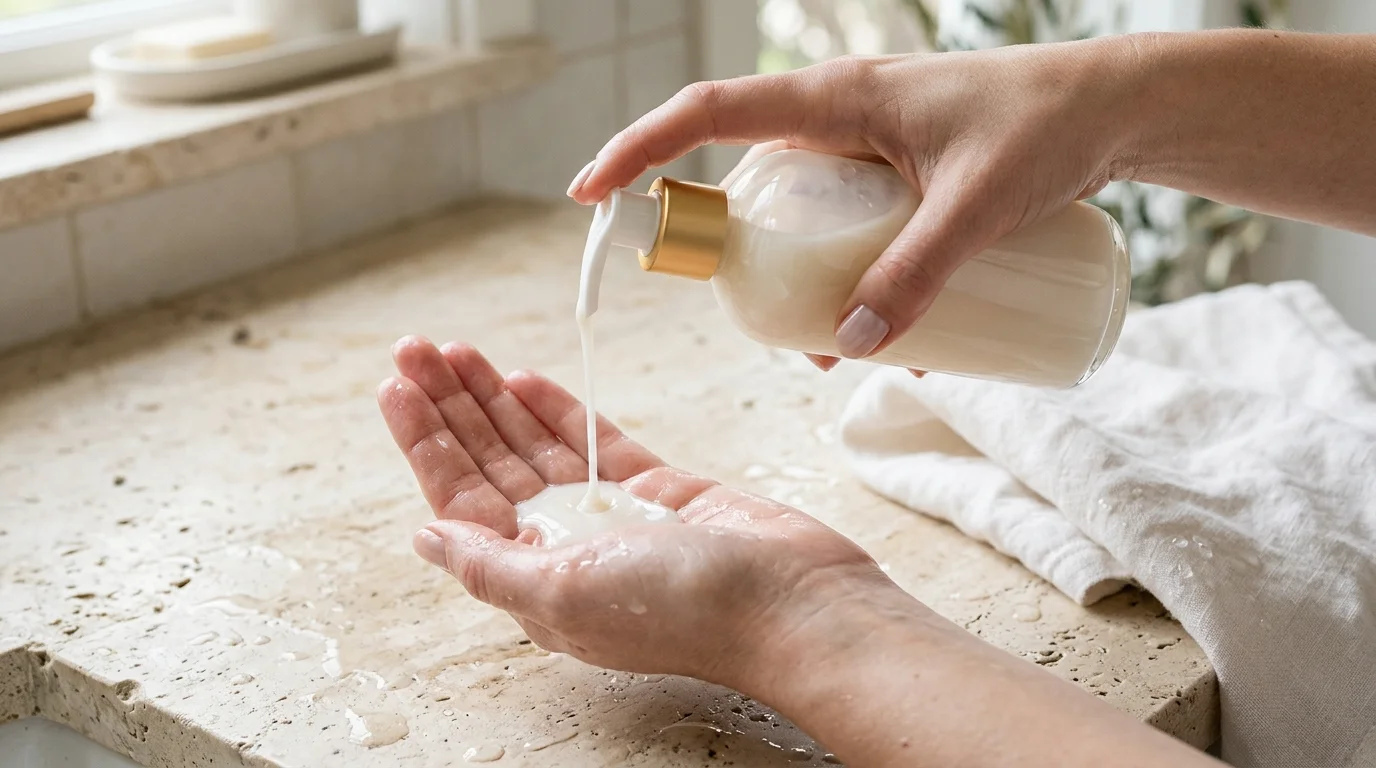
During the winter, the goal of cleansing shifts from removing excess sebum to preserving the skin’s natural lipid mantle. Harsh, foaming cleansers that leave your skin feeling "squeaky clean" are often stripping away the very oils that protect you from the cold. Instead, opt for creamy, non-foaming, or oil-based cleansers. These formulations effectively remove impurities and makeup while depositing a thin layer of moisture back into the skin. Look for ingredients like ceramides, glycerin, or oat extract, which soothe irritation and ensure the skin remains supple immediately after washing.
2. Hydrating Toner

In the summer, many skip toner to keep things light, but in winter, an alcohol-free hydrating toner acts as a crucial "moisture sandwich" layer. By applying a hydrating toner or essence to slightly damp skin, you provide a surge of water that humectants can grab onto. This step prepares the skin to better absorb subsequent serums and creams. Look for toners infused with rosewater, panthenol, or fermented extracts to calm winter-induced redness and provide a base layer of deep cellular hydration.
3. Hyaluronic Acid

Hyaluronic acid is a powerhouse humectant capable of holding up to 1,000 times its weight in water. However, in dry winter air, if there is no moisture in the atmosphere, hyaluronic acid can actually pull moisture out of your skin. To prevent this, always apply your hyaluronic acid serum to damp skin and immediately seal it in with a rich moisturizer. This ensures the molecule draws moisture into the dermis rather than dehydrating it further. Using multi-molecular weight hyaluronic acid can help penetrate different layers of the skin for a plumped effect from the inside out.
4. Rich Moisturizer
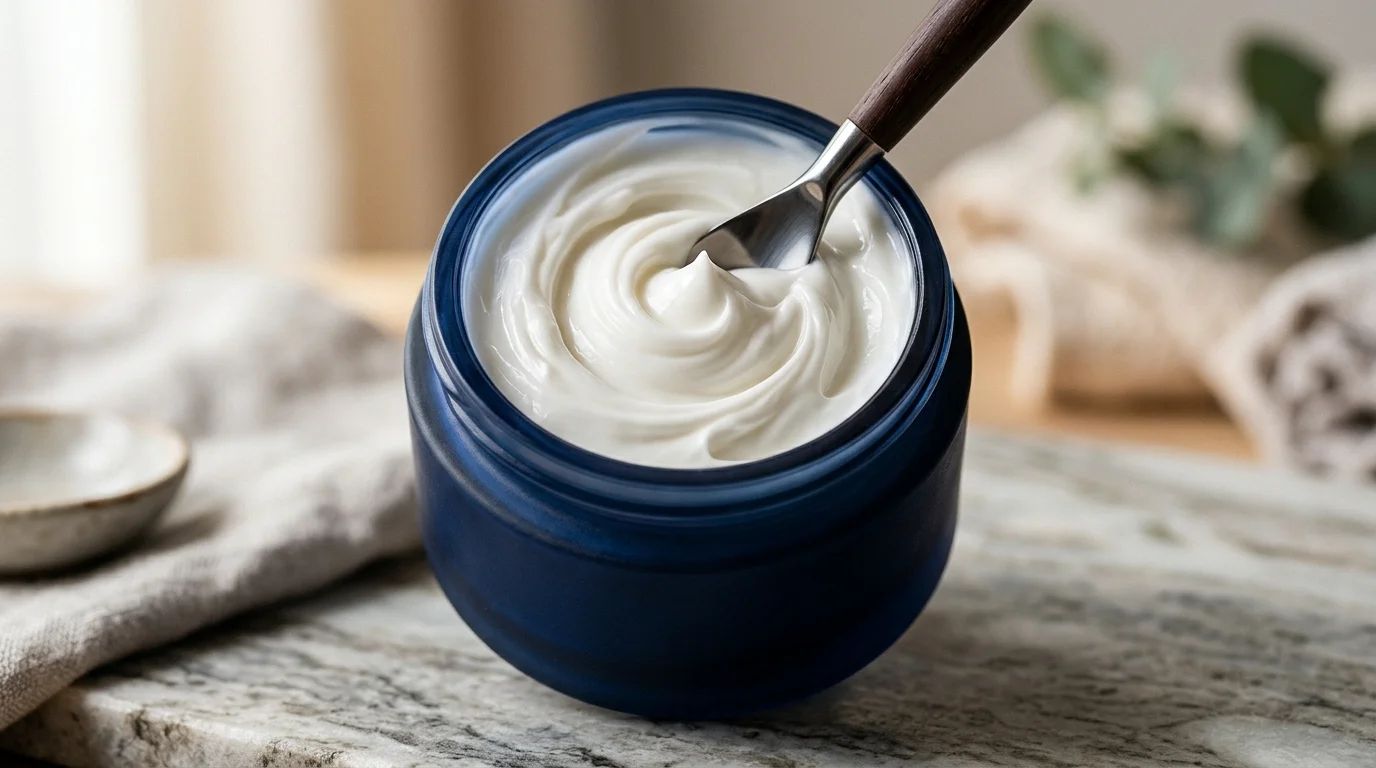
Summer’s lightweight gels are rarely enough to combat the "trans-epidermal water loss" (TEWL) that occurs in freezing temperatures. Winter calls for a "barrier cream"—a thicker, more occlusive moisturizer that acts as a physical shield. Look for ingredients like shea butter, squalane, and fatty acids. These components mimic the skin's natural sebum, filling in the gaps between skin cells where moisture might escape. A high-quality winter moisturizer should feel substantial on the skin, providing a comforting layer that lasts throughout the day.
5. Facial Oils
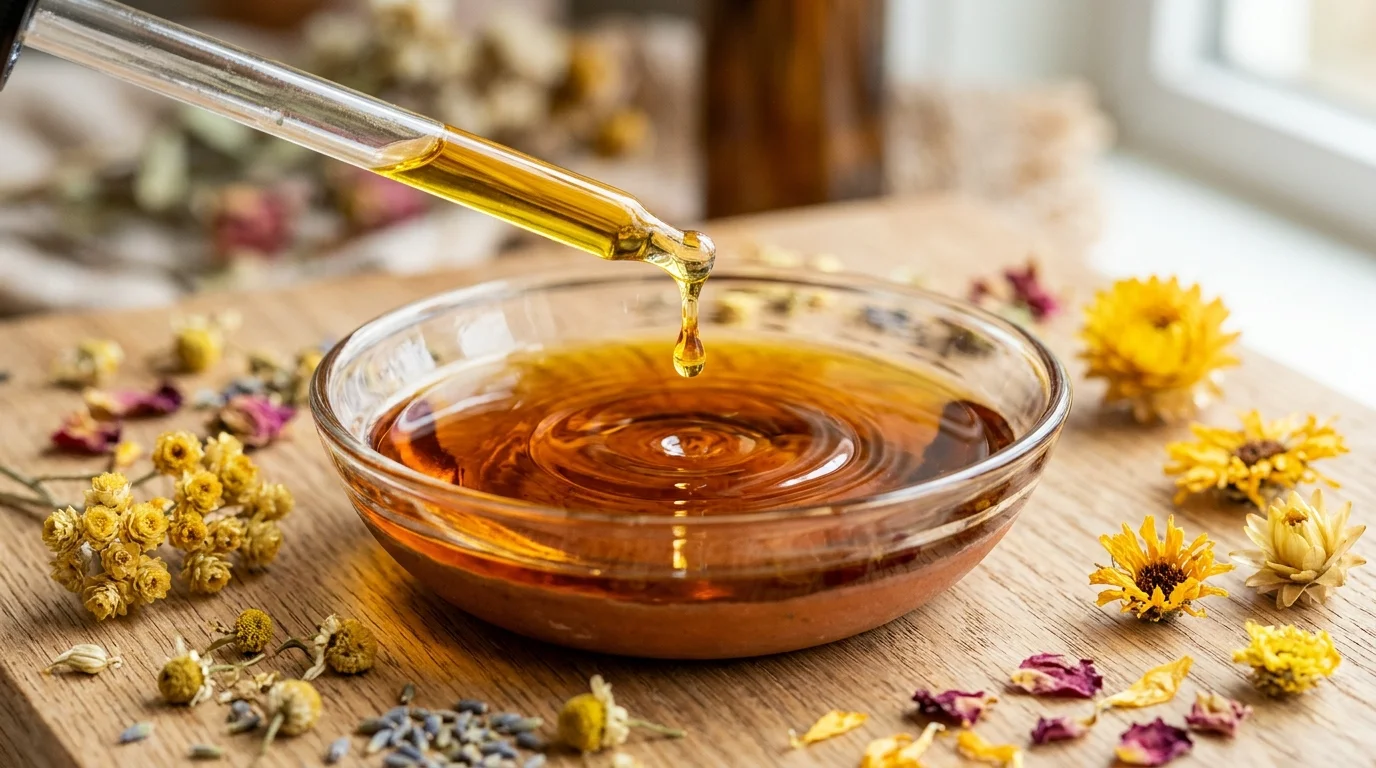
If your skin still feels tight despite moisturizing, adding a facial oil can be a game-changer. Oils are emollient and occlusive, meaning they soften the skin and lock in everything you’ve applied underneath. Rosehip oil, marula oil, and argan oil are excellent choices for winter as they are rich in antioxidants and essential fatty acids. You can either mix a few drops into your evening cream or press the oil over your moisturizer as the final step in your routine to create an impenetrable seal against the dry air.
6. Daily Sunscreen
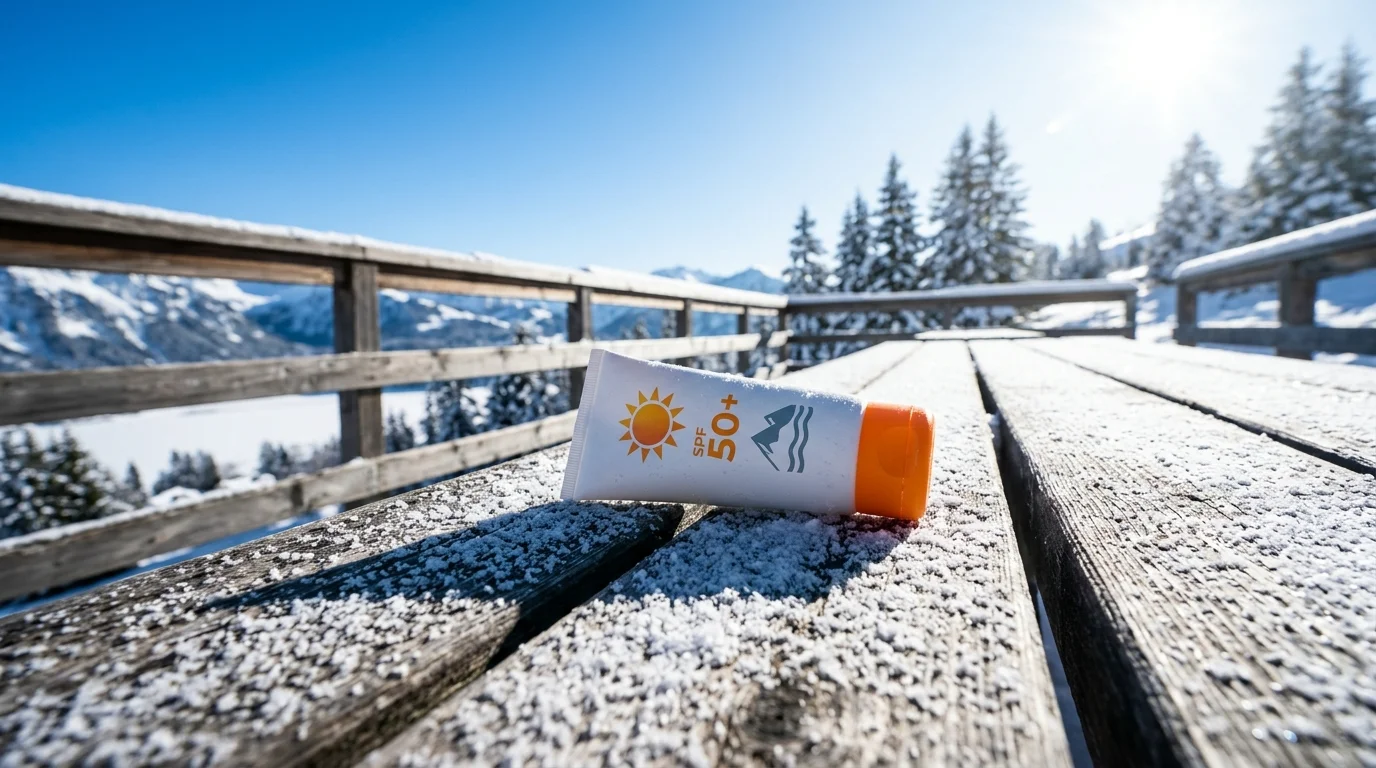
One of the most common winter skincare mistakes is retiring your SPF. While the sun’s UVB rays (which cause burning) are weaker in winter, UVA rays (which cause aging and skin cancer) remain consistent year-round. Furthermore, snow can reflect up to 80% of UV radiation, essentially doubling your exposure. Protecting your skin from the sun is vital to prevent hyperpigmentation and maintain the integrity of the skin barrier, which is already under stress from the cold. Choose a moisturizing sunscreen formula to add an extra layer of hydration.
7. Overnight Mask

The skin undergoes its most intensive repair process while we sleep. During winter, using an overnight "sleeping mask" once or twice a week can provide a much-needed recovery boost. These masks are designed to be more concentrated than standard night creams, often containing repair-oriented ingredients like niacinamide, peptides, and cica (centella asiatica). They work to heal the micro-cracks caused by windburn and ensure you wake up with a refreshed, dewy complexion rather than dry, flaky patches.
8. Lip Care
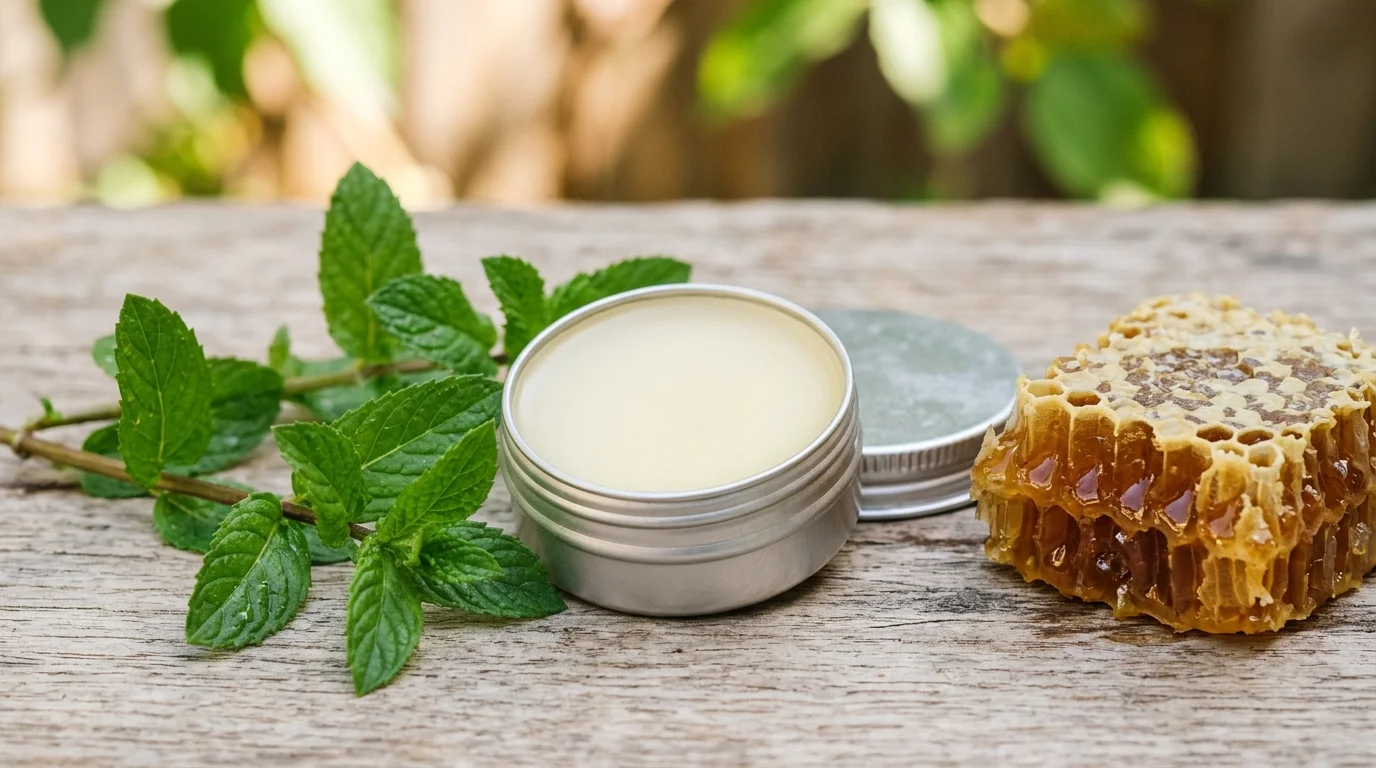
The skin on our lips is significantly thinner than the skin on the rest of our face and lacks oil glands, making it the first area to suffer in the cold. Licking your lips only exacerbates the problem as saliva contains enzymes that further dry out the tissue. Use a thick, beeswax or lanolin-based lip balm multiple times a day. For extreme dryness, apply a lip oil followed by a thick ointment at night to allow the skin to regenerate while you sleep.
9. Body Butter

Don't neglect the skin below your neck. Hot showers, while tempting in the winter, strip the body of its natural oils. After a warm (not hot) shower, apply a thick body butter or a body oil to damp skin. Focus on areas prone to extreme dryness, such as elbows, knees, and shins. Look for formulas containing cocoa butter or ceramides to prevent the "itchy" sensation often associated with winter skin.
10. Humidifier Use

Sometimes, the best skincare routine happens in the air around you. Indoor heating significantly reduces humidity levels, which sucks moisture out of your skin while you sleep. Placing a humidifier in your bedroom helps maintain a balanced environment, allowing your skin to stay hydrated naturally. By keeping the air moist, you support your topical products and prevent your respiratory system and skin from drying out overnight.
Conclusion
Navigating the winter months requires a proactive and thoughtful approach to skincare. By swapping out harsh cleansers for creamy alternatives, layering humectants and occlusives, and maintaining consistent sun protection, you can shield your skin from the harshest elements. Remember that winter skincare is not just about aesthetics; it is about protecting the skin’s biological function as a barrier. With the right combination of rich ingredients and environmental adjustments like humidifiers, you can keep your skin soft, supple, and glowing until the first signs of spring.
Frequently Asked Questions
Why does my skin feel oily but also flaky in the winter?
This is a classic sign of "dehydrated" skin. When your skin lacks water, it often overcompensates by producing more oil to protect itself. The flakiness is a result of the lack of hydration (water), while the oiliness is a response from your sebaceous glands. Focus on water-binding ingredients like glycerin and hyaluronic acid rather than trying to dry out the oil.
Should I stop exfoliating during the winter months?
You don't need to stop entirely, but you should definitely scale back. Physical scrubs can be too abrasive for cold-sensitized skin. Switch to a gentle chemical exfoliant like Lactic Acid, which is a larger molecule that exfoliates while also acting as a humectant. Limit exfoliation to once a week to avoid compromising your moisture barrier.
Is a facial oil enough to replace my moisturizer?
Generally, no. Oils provide emollients and occlusives, but they do not contain humectants (water-loving ingredients). A moisturizer is usually an emulsion of oil and water. For the best results, use a moisturizer to provide hydration and then "seal" it with an oil. Using oil alone on dry skin can sometimes lead to further dehydration because there is no water for the oil to lock in.