
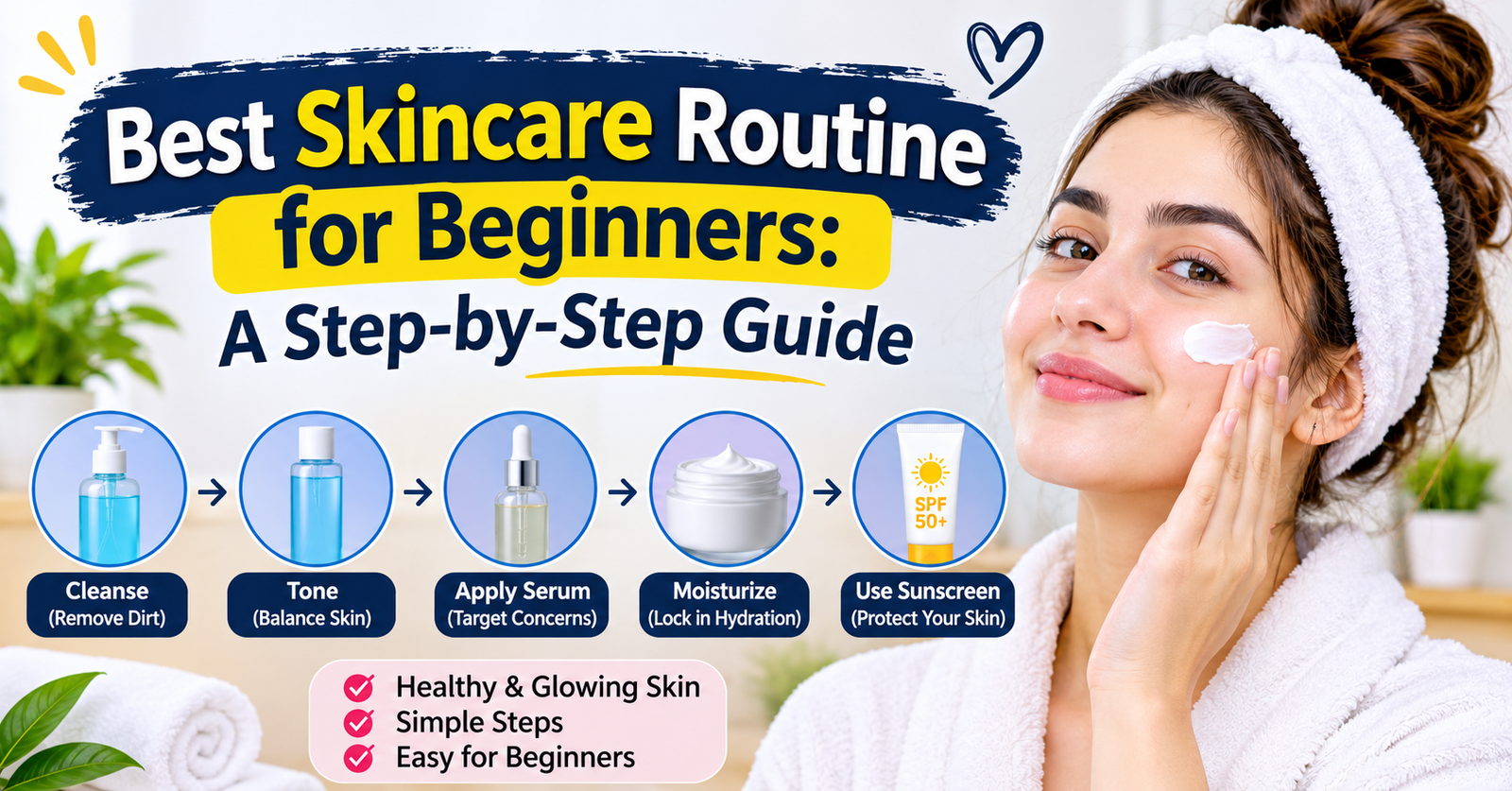
Navigating the world of skincare can feel like learning a new language. With thousands of products, complex ingredient names, and conflicting advice on social media, many beginners feel overwhelmed before they even wash their face. However, the secret to healthy, glowing skin isn't a bathroom cabinet overflowing with products; it is a consistent, foundational routine tailored to your specific needs.
Before diving into the steps, you must identify your skin type. Skin generally falls into four categories:
- Oily: Shiny appearance, enlarged pores, and prone to breakouts.
- Dry: Flaky, tight, and often dull with visible fine lines.
- Combination: Oily in the T-zone (forehead, nose, chin) but dry or normal on the cheeks.
- Sensitive: Prone to redness, itching, or burning when using new products.
Once you understand your skin type, you can build a routine that supports your skin's natural barrier.
Skin Types
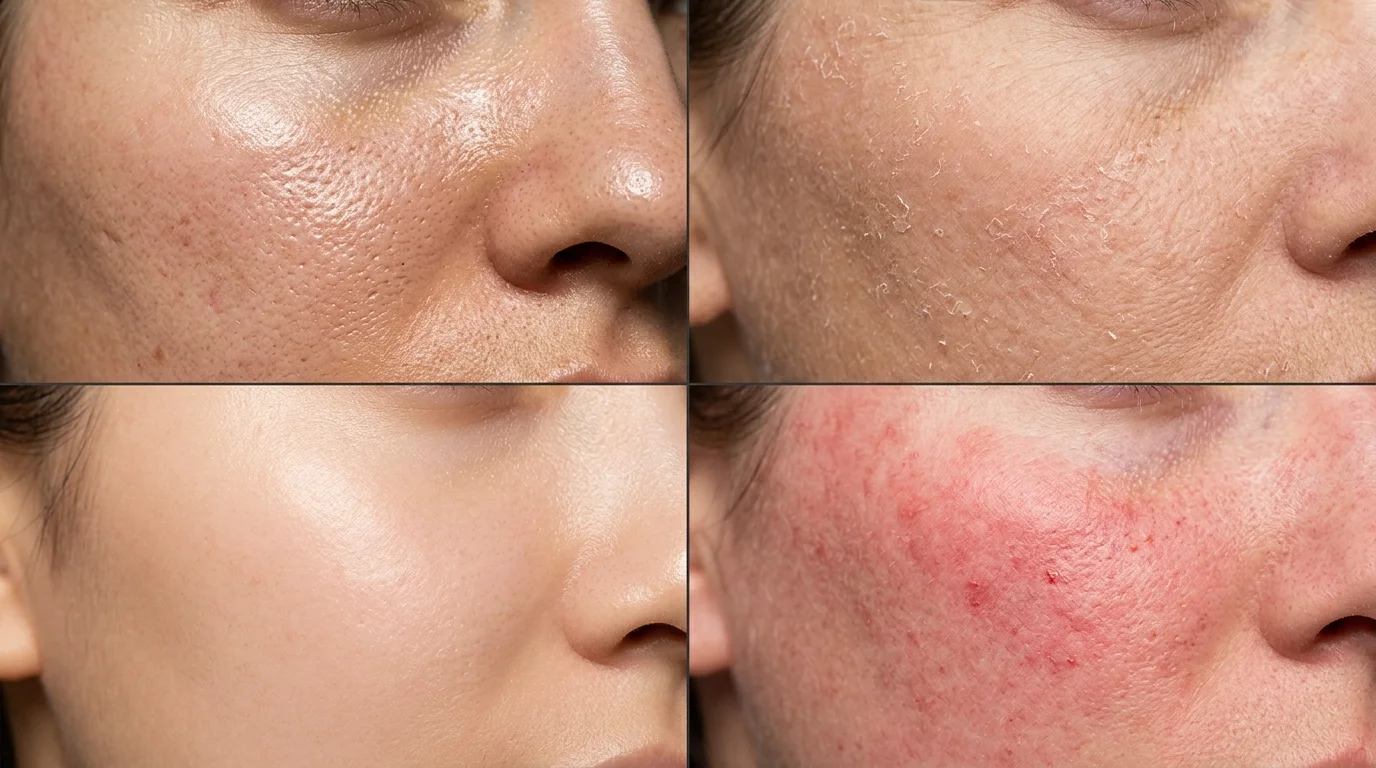
Understanding your skin type is the bedrock of any effective routine. If you use products designed for oily skin on a dry complexion, you risk stripping away essential oils and causing further irritation. Conversely, using heavy, oil-based creams on oily skin can lead to clogged pores and acne.
To test your skin type at home, wash your face with a gentle cleanser, pat it dry, and wait 30 minutes without applying any products. If your face feels tight, you likely have dry skin. If there is noticeable shine on your forehead and nose, you have combination skin. If your entire face looks glossy, you have oily skin. If it feels comfortable and hydrated without excess oil, you have normal skin.
1. Cleansing

The first and most crucial step in any skincare routine is cleansing. Throughout the day, your skin accumulates dirt, oil, environmental pollutants, and bacteria. In the morning, cleansing removes the sweat and oils produced overnight. In the evening, it clears away the day's debris.
For beginners, a "gentle" cleanser is the best starting point. Look for pH-balanced formulas that do not leave your skin feeling "squeaky clean," which is often a sign that your skin's natural moisture barrier has been compromised. Oily types may prefer foaming or gel cleansers, while dry and sensitive types should opt for cream or lotion-based cleansers that provide extra hydration.
2. Toning
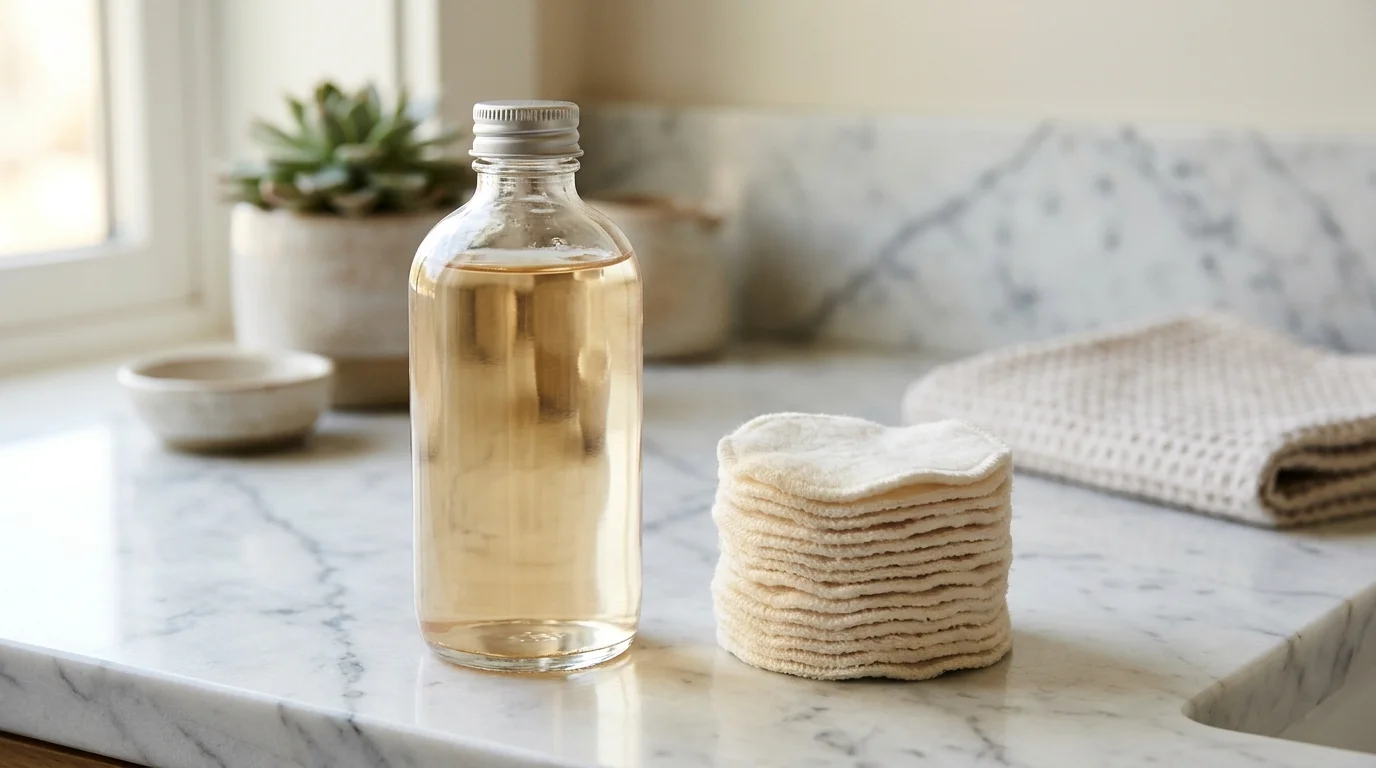
Toning is often misunderstood. In the past, toners were harsh, alcohol-based liquids used to "shrink" pores. Modern toners, however, are designed to hydrate, balance the skin's pH, and prepare the skin to absorb the products that follow.
For a beginner, toning is an optional but beneficial step. If you have oily skin, look for a toner with witch hazel or salicylic acid to help control sebum. If you have dry skin, look for a hydrating toner containing rose water, glycerin, or hyaluronic acid. Apply it by patting the liquid directly onto your skin with your hands or using a cotton pad.
3. Moisturizing

Moisturizing is non-negotiable, regardless of your skin type. A moisturizer’s primary job is to hydrate the skin and lock in moisture by creating a protective seal. Even oily skin needs moisture; without it, the skin may overcompensate by producing even more oil.
Look for a moisturizer that matches your skin's needs. Lightweight, oil-free "water creams" or lotions are excellent for oily and combination skin. Richer creams containing ceramides and fatty acids are better for dry and aging skin. The best time to apply moisturizer is while your skin is still slightly damp from cleansing or toning, as this helps trap the water in the skin.
4. Sunscreen

If you only do one step in your morning routine, let it be sunscreen. Sun damage is the leading cause of premature aging, fine lines, dark spots, and, most importantly, skin cancer. UV rays are present even on cloudy days and can penetrate through windows.
Beginners should look for a "Broad Spectrum" sunscreen with at least SPF 30. There are two types: physical (mineral) sunscreens which sit on top of the skin and reflect UV rays, and chemical sunscreens which absorb UV rays. Find a formula you enjoy wearing every day, as consistency is more important than the specific brand.
1. Double Cleanse
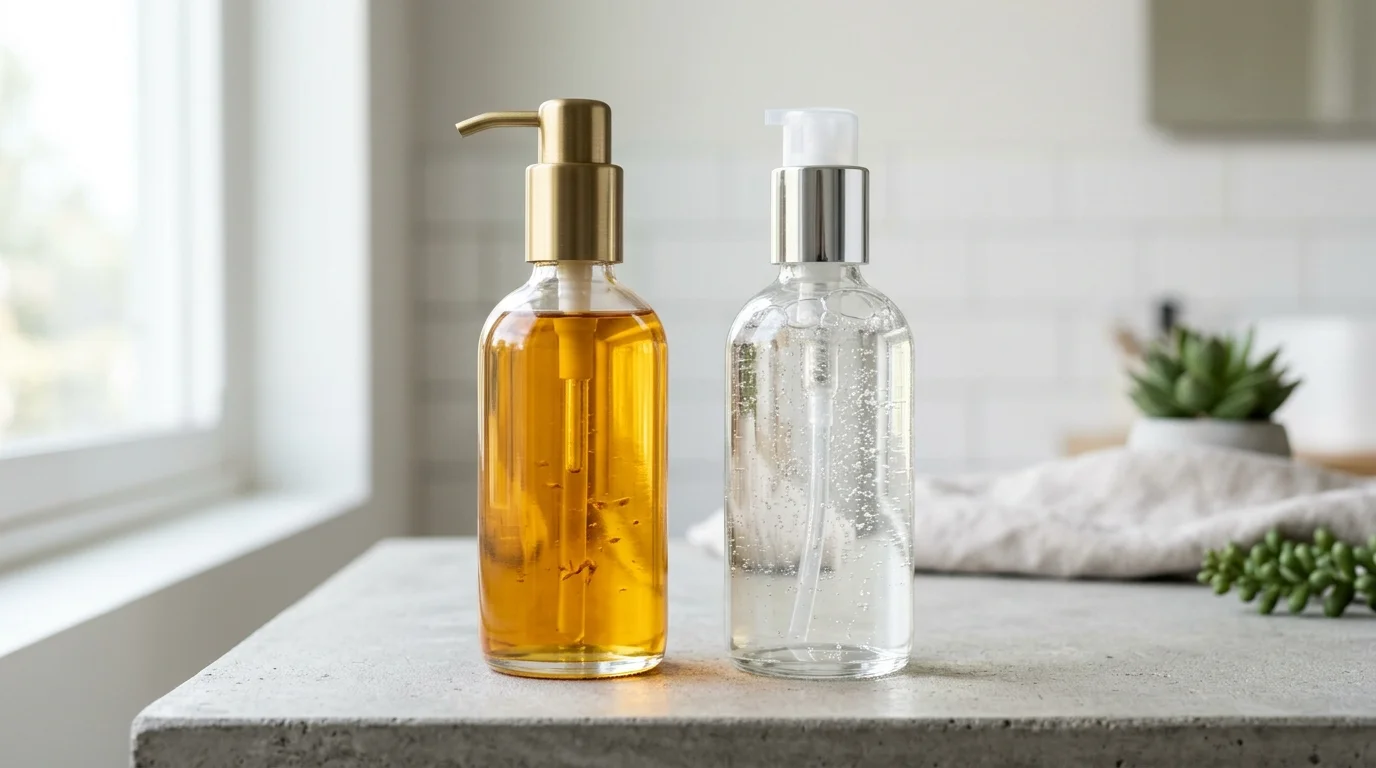
The evening routine is about recovery. If you wear makeup or waterproof sunscreen, a single wash often isn't enough to get everything off. This is where the "Double Cleanse" comes in.
First, use an oil-based cleanser or a cleansing balm on dry skin to break down makeup and SPF. Rinse this off, and then follow up with your regular water-based cleanser to clean the skin itself. This ensures your pores are completely clear and ready for nighttime treatments.
2. Treatment

Once your skin is clean, you can apply "actives" or treatments. These are products designed to target specific concerns like acne, dark spots, or wrinkles. Common treatments for beginners include Vitamin C for brightening (usually used in the morning) or Retinol for anti-aging and acne (used only at night).
Since these products are concentrated, beginners should start slow. Introduce one treatment at a time and use it only twice a week to see how your skin reacts before increasing the frequency. This prevents irritation and "purging" (initial breakouts).
3. Night Cream
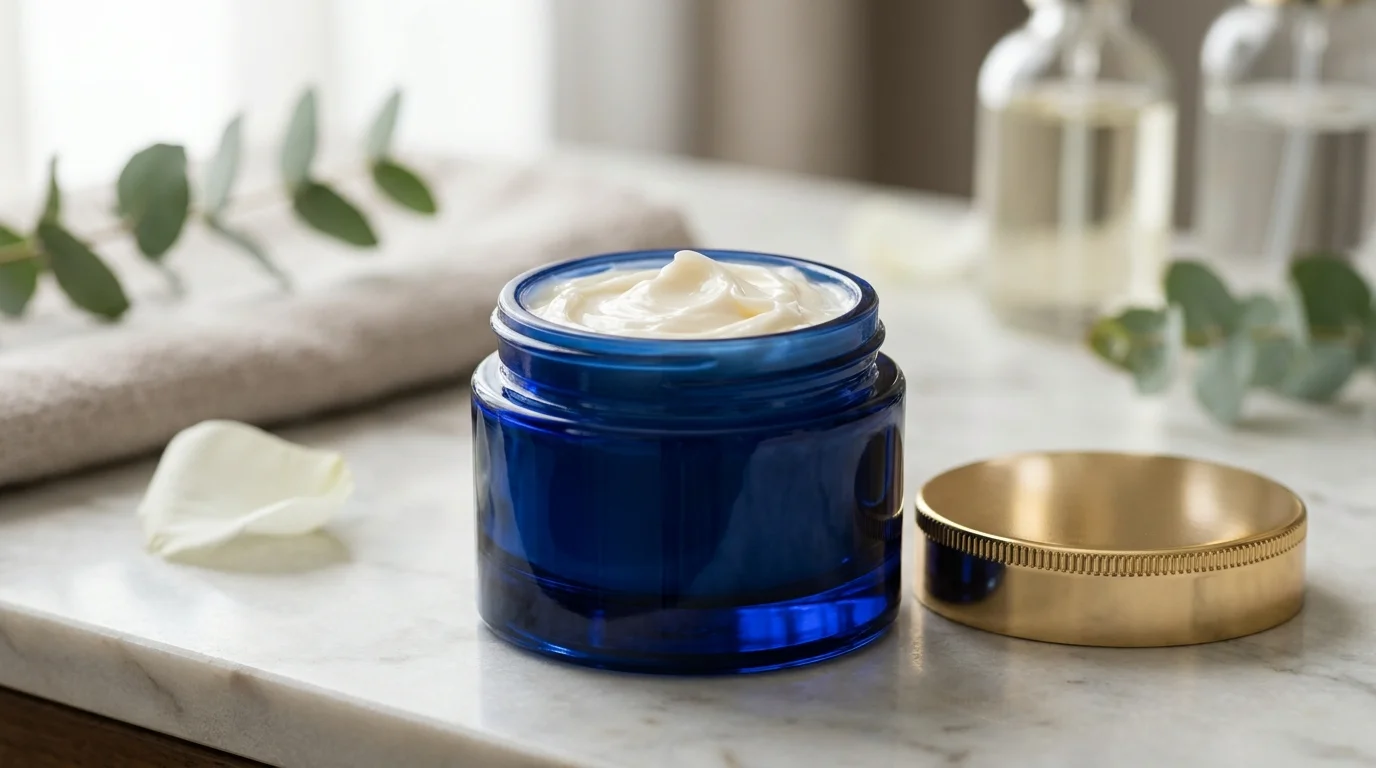
Your skin goes into repair mode while you sleep. A nighttime moisturizer or "night cream" is often thicker and more occlusive than a daytime lotion. It provides the skin with the nutrients it needs to regenerate cells and recover from daily stressors.
If you have very dry skin, you might even consider an "overnight mask" or a facial oil as the final step to prevent trans-epidermal water loss. For beginners, using the same moisturizer from your morning routine is perfectly fine, provided it doesn't contain SPF.
1. Exfoliation

Exfoliation is the process of removing dead skin cells from the surface. While your skin naturally sheds cells, this process slows down as we age, leading to a dull complexion and clogged pores.
There are two types: physical (scrubs) and chemical (AHAs and BHAs). Most dermatologists recommend chemical exfoliants for beginners as they are gentler and more uniform. Salicylic acid (a BHA) is great for clearing pores, while Glycolic or Lactic acid (AHAs) are excellent for brightening and smoothing texture. Limit exfoliation to 1–2 times per week to avoid damaging the skin barrier.
Active Ingredients

To make informed choices, beginners should recognize a few key ingredients:
- Hyaluronic Acid: A humectant that pulls moisture into the skin. Good for all skin types.
- Niacinamide (Vitamin B3): Helps regulate oil, reduces redness, and minimizes the appearance of pores.
- Vitamin C: An antioxidant that brightens the skin and protects against environmental damage.
- Salicylic Acid: An oil-soluble acid that gets deep into pores to treat acne.
- Ceramides: Lipids that help repair and maintain the skin’s natural barrier.
Mistakes

The most common mistake beginners make is doing too much too soon. Buying a 10-step routine and starting every product on the same day is a recipe for a damaged skin barrier. Other mistakes include:
- Not being patient: It takes about 28 to 30 days for your skin cells to turn over. You won't see results overnight.
- Over-exfoliating: Using harsh scrubs daily can cause micro-tears and sensitivity.
- Skipping SPF: Using expensive serums is useless if you don't protect your skin from the sun.
- Touching the face: Picking at blemishes or touching your skin with unwashed hands introduces bacteria.
Conclusion
Starting a skincare routine doesn't have to be expensive or complicated. By focusing on the core pillars—cleansing, moisturizing, and sun protection—you provide your skin with the basic tools it needs to remain healthy. As you become more comfortable and understand how your skin reacts to different products, you can gradually introduce targeted treatments. Remember that skincare is a marathon, not a sprint; consistency and patience will always yield the best results for a lifetime of healthy skin.
Frequently Asked Questions
How long does it take to see results?
Most skincare products take at least 4 to 6 weeks of consistent use to show visible results, as this aligns with the natural cycle of skin cell regeneration.
Can I use the same moisturizer for day and night?
Yes, as long as it doesn't contain SPF for the nighttime. However, many people prefer a lighter lotion for the day and a richer cream for the night.
What should I do if a product makes my skin burn?
Stop using the product immediately. A slight tingle can be normal for some actives, but burning, itching, or persistent redness indicates an allergic reaction or a damaged skin barrier.