
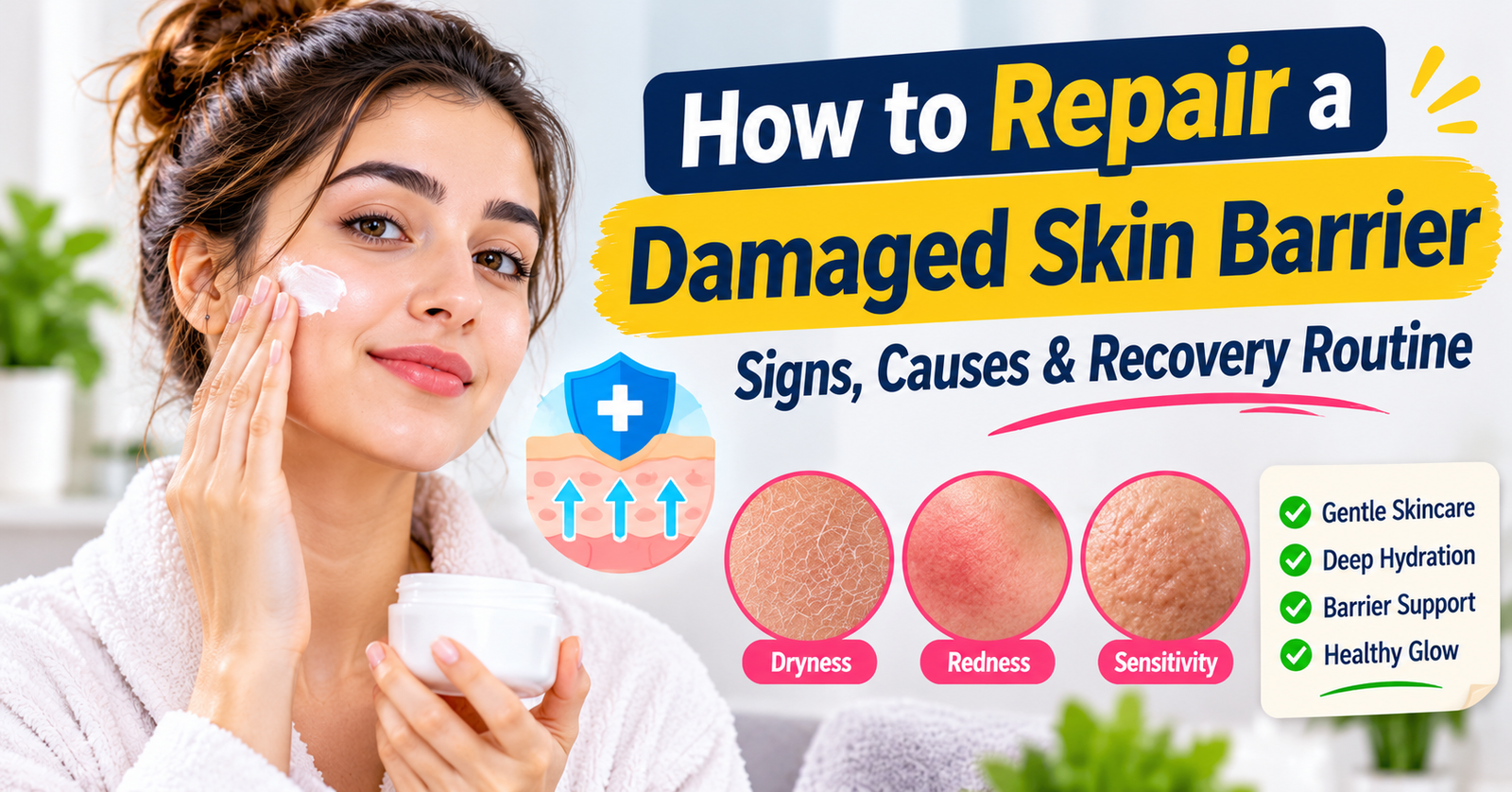
The skin barrier is the body’s first line of defense against the outside world. Often referred to by dermatologists as the "moisture barrier" or the stratum corneum, it acts as a protective shield that keeps essential moisture in and harmful irritants out. When this barrier is compromised, your skin becomes vulnerable to a host of issues, ranging from chronic dryness to painful inflammation. Understanding how to identify damage and implementing a strategic recovery routine is essential for maintaining long-term skin health.
1. Understanding Barrier
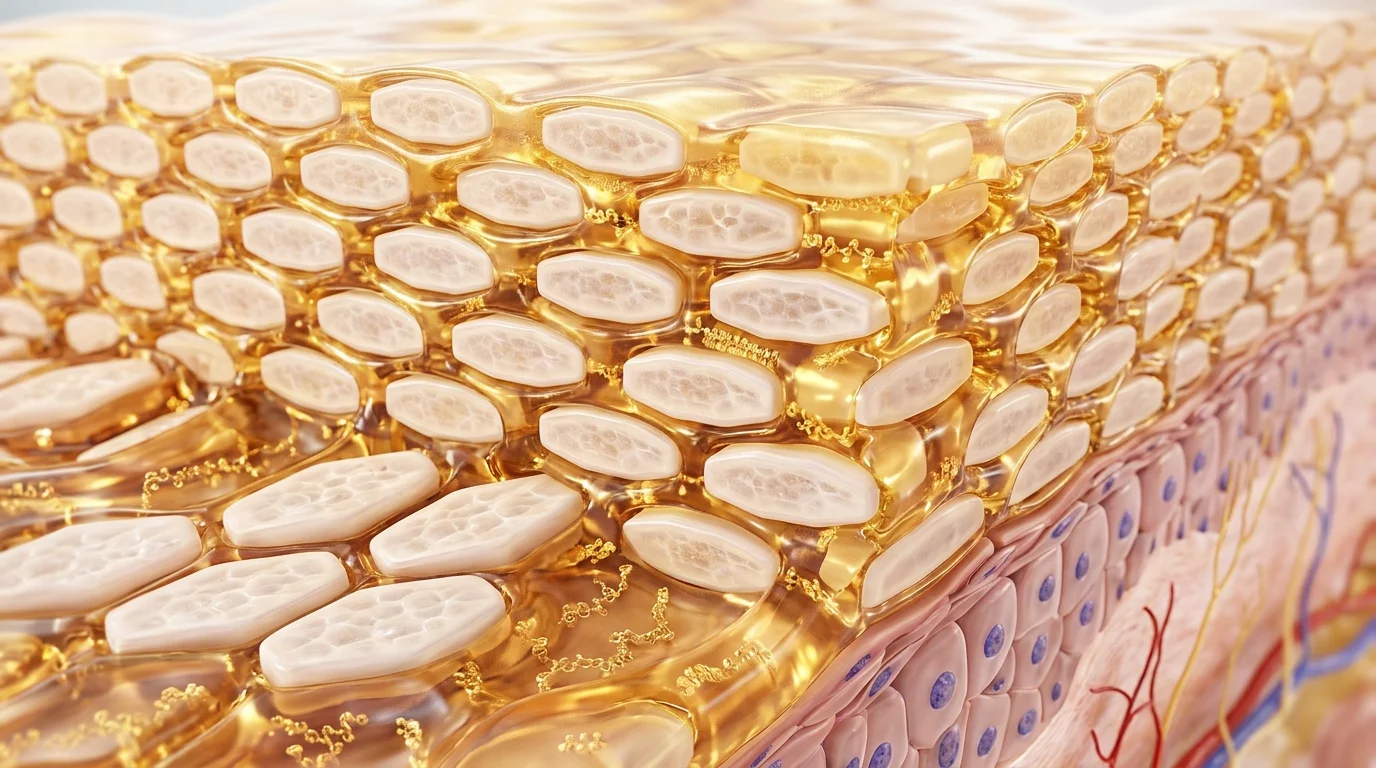
To repair the skin barrier, one must first understand its biological architecture. The stratum corneum is the outermost layer of the epidermis. It is often described using the "brick and mortar" analogy: the bricks are your skin cells (corneocytes), and the mortar is a complex lipid matrix composed of ceramides, cholesterol, and fatty acids.
This lipid matrix is what creates the impermeable seal. When this seal is intact, it prevents Transepidermal Water Loss (TEWL), ensuring the skin remains hydrated, plump, and resilient. It also maintains an acidic pH (the acid mantle), which inhibits the growth of harmful bacteria. When the "mortar" is stripped away or the "bricks" become disorganized, the barrier fails. Moisture leaks out, and environmental pollutants, allergens, and pathogens leak in, leading to a state of constant irritation.
2. Common Symptoms
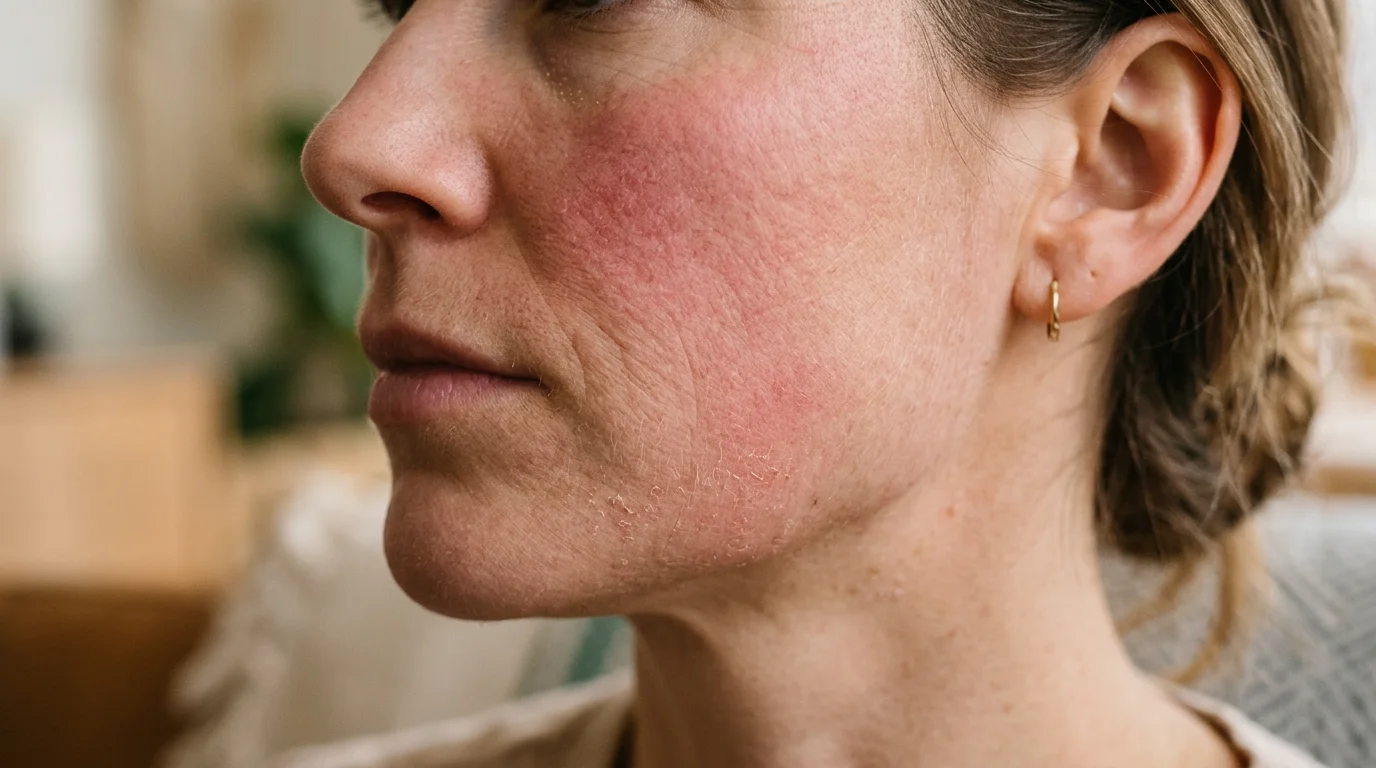
Identifying a damaged skin barrier is the first step toward recovery. Because the symptoms often mimic other skin conditions like acne or eczema, it is easy to misdiagnose the problem.
- Persistent Dryness and Tightness: Even after applying heavy moisturizers, the skin feels "thirsty" or tight, especially after cleansing.
- Increased Sensitivity: Products that previously caused no issues suddenly sting or burn upon application.
- Redness and Inflammation: The skin may appear chronically flushed or develop blotchy red patches that do not subside.
- Texture Changes: You might notice rough, sandpaper-like patches or fine lines that appear more prominent due to dehydration.
- Breakouts and Congestion: A compromised barrier allows bacteria to enter the pores more easily, leading to "barrier-damage acne," which often looks like small, red bumps rather than typical blackheads.
- Itching and Discomfort: The lack of moisture and the presence of irritants trigger the skin’s sensory nerves, leading to persistent itching.
3. Frequent Causes
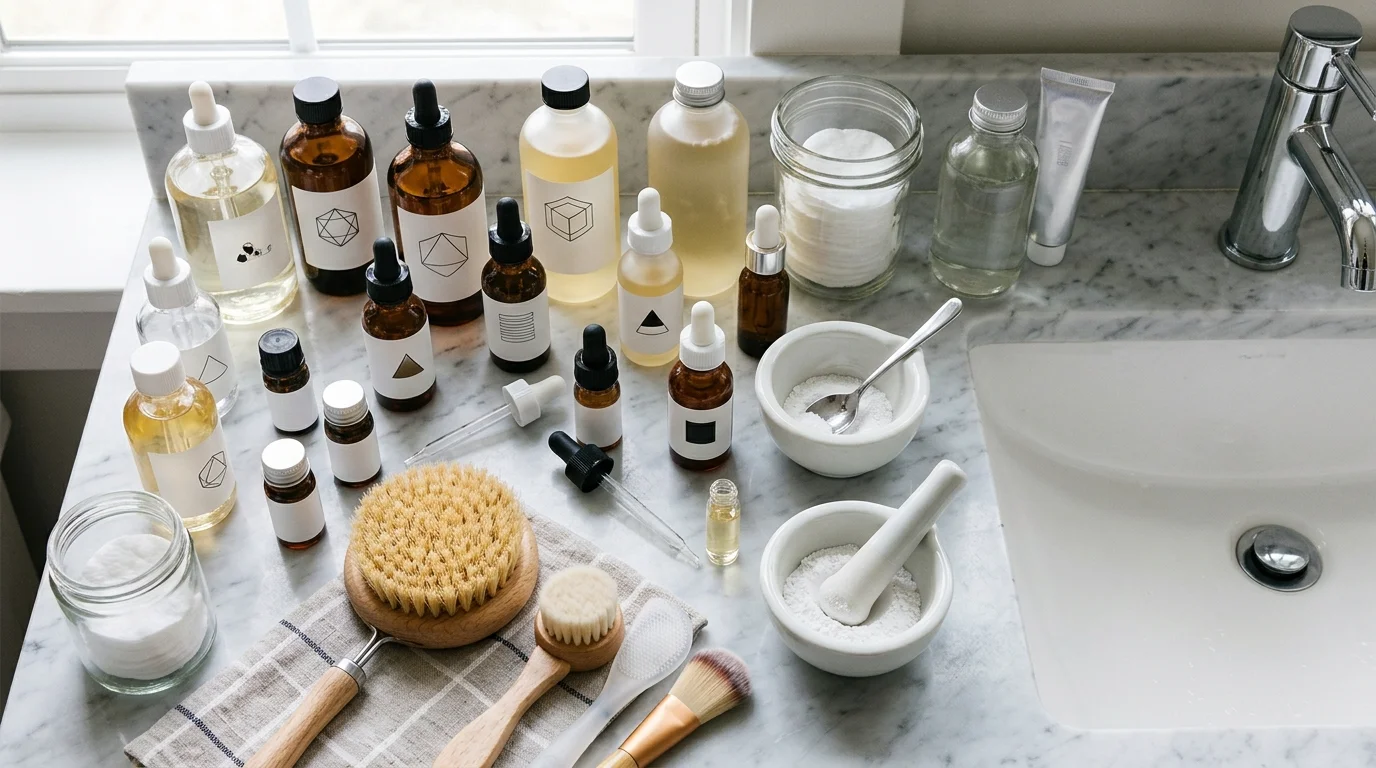
The skin barrier is resilient, but it is not invincible. Modern skincare habits and environmental factors are the primary culprits behind barrier degradation.
- Over-Exfoliation: This is perhaps the most common cause. Using high-strength AHAs, BHAs, or physical scrubs too frequently strips away the protective lipid layer before the skin has time to regenerate.
- Harsh Cleansers: Soaps with high pH levels or cleansers containing sulfates (like SLS) can disrupt the acid mantle, dissolving the very oils the skin needs to stay protected.
- Active Overload: Combining too many potent ingredients—such as retinol, vitamin C, and benzoyl peroxide—in a single routine can overwhelm the skin’s ability to repair itself.
- Environmental Stressors: Extreme cold, low humidity (especially from indoor heating), and excessive sun exposure can parch the skin and cause micro-tears in the barrier.
- Aging: As we age, our skin naturally produces fewer lipids and ceramides, making the barrier thinner and more prone to damage.
- Hot Water: Washing your face with hot water can literally melt away the essential fats in your skin, leading to immediate dehydration.
4. Essential Ingredients
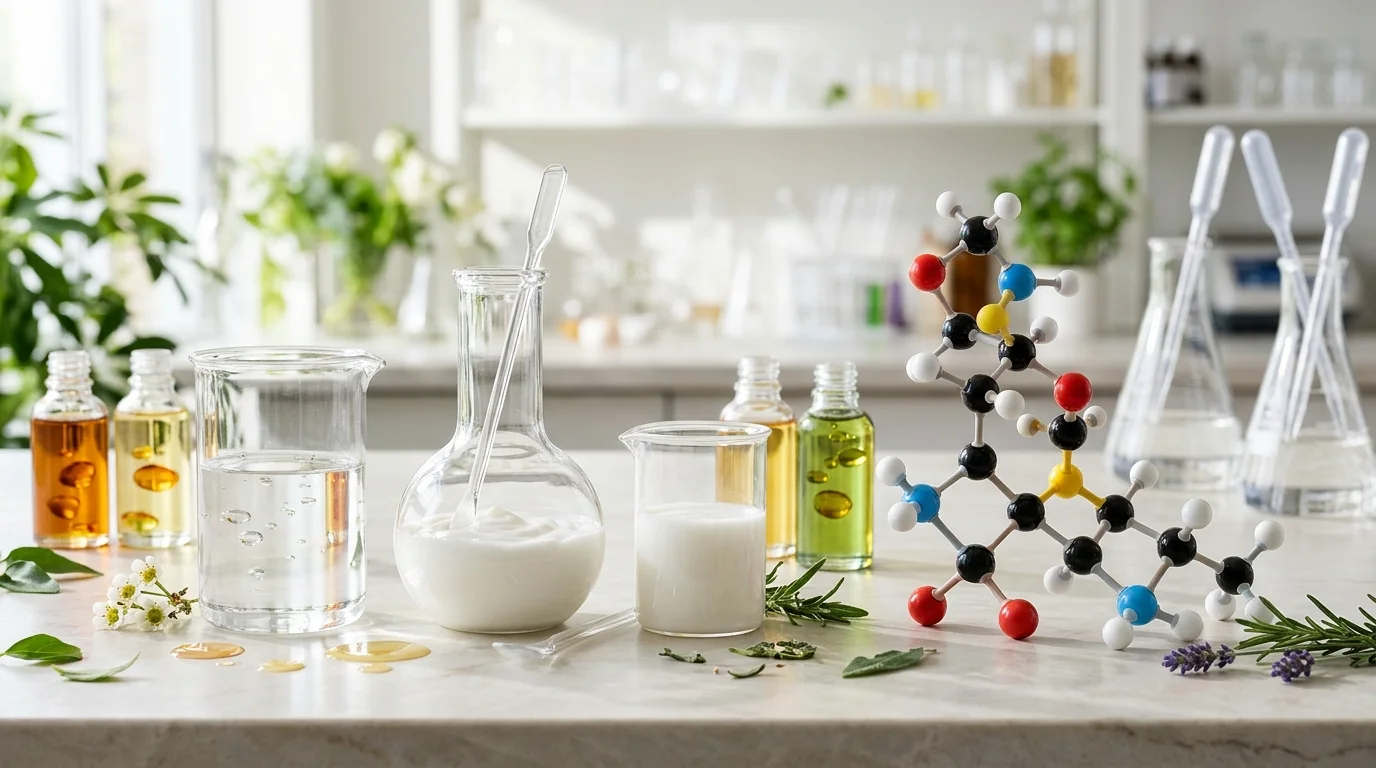
When your barrier is down, your routine should focus on "replenishing the mortar." Look for products containing these specific ingredients:
- Ceramides: These are the most critical lipids in the skin barrier. Topical ceramides help fill the gaps in the lipid matrix, "gluing" the skin cells back together.
- Cholesterol and Fatty Acids: Often formulated alongside ceramides in a specific ratio (3:1:1), these lipids work synergistically to restore the skin’s natural lipid balance.
- Hyaluronic Acid and Glycerin: These are humectants that draw moisture into the skin. However, they must be used correctly—always followed by an occlusive to prevent the moisture from evaporating.
- Niacinamide (Vitamin B3): This versatile ingredient boosts the natural production of ceramides and helps soothe inflammation.
- Panthenol (Pro-vitamin B5): A powerful soothing agent that promotes wound healing and skin regeneration.
- Squalane: A stable oil that mimics the skin’s natural sebum, providing an emollient layer without clogging pores.
5. Recovery Routine
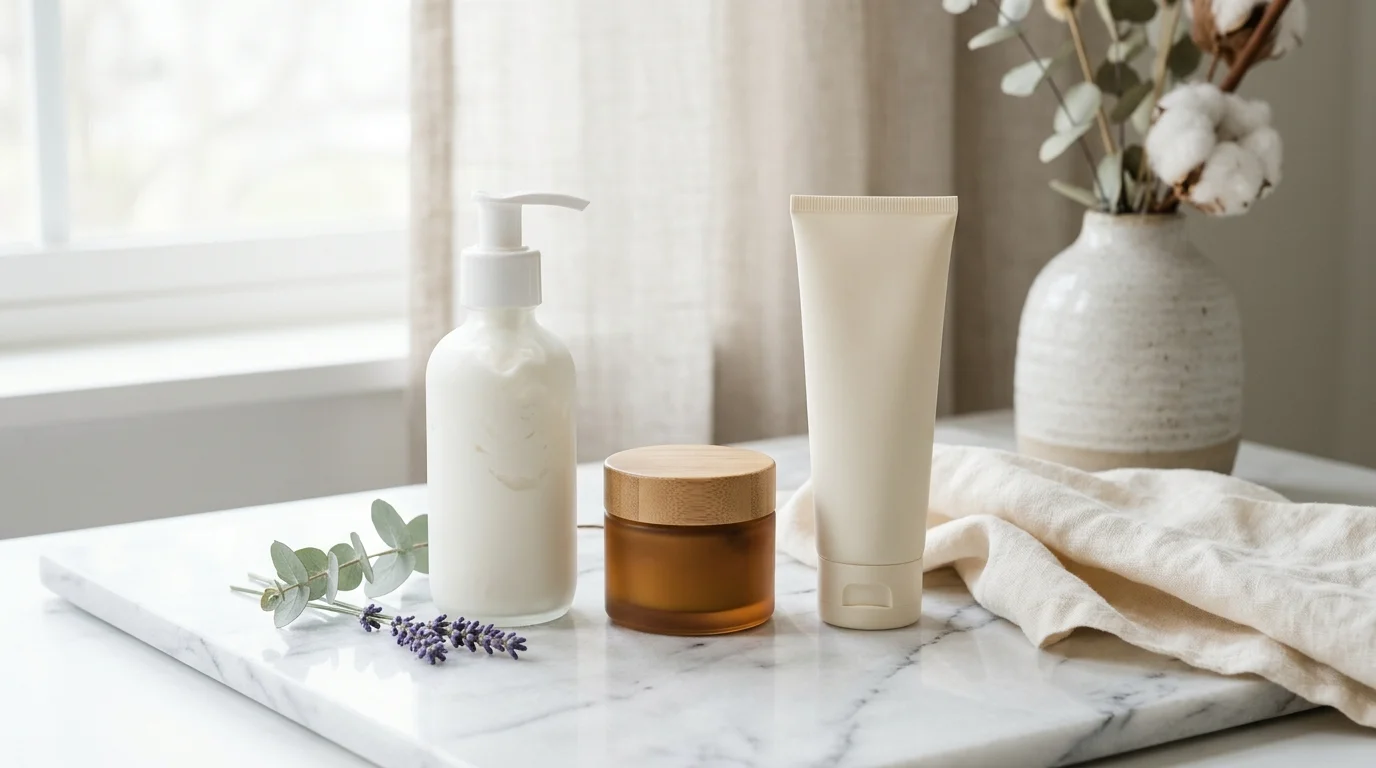
The golden rule of barrier repair is "less is more." You must stop all "aggressive" treatments and return to a minimalist, healing routine for at least 2 to 4 weeks.
Step 1: Gentle Cleansing
Switch to a non-foaming, pH-balanced, cream or oil-based cleanser. Avoid any products that leave your skin feeling "squeaky clean," as this is a sign of lipid depletion. Wash with lukewarm water only.
Step 2: Hydrating Layers
Apply a hydrating toner or serum containing humectants like glycerin or panthenol onto damp skin. Damp skin is more permeable, allowing the ingredients to sink in deeper.
Step 3: Lipid Replacement
Apply a moisturizer rich in ceramides. If your skin is extremely dry, look for "barrier creams" that have a thicker, balmy texture. These are specifically designed to mimic the skin's natural protective layer.
Step 4: Occlusion (The Seal)
In the evening, you may want to "slug" or use a heavy occlusive like petrolatum or a facial oil over your moisturizer. This creates a physical vapor barrier, preventing any moisture from escaping overnight and giving the skin a "greenhouse effect" to heal.
6. Sun Protection
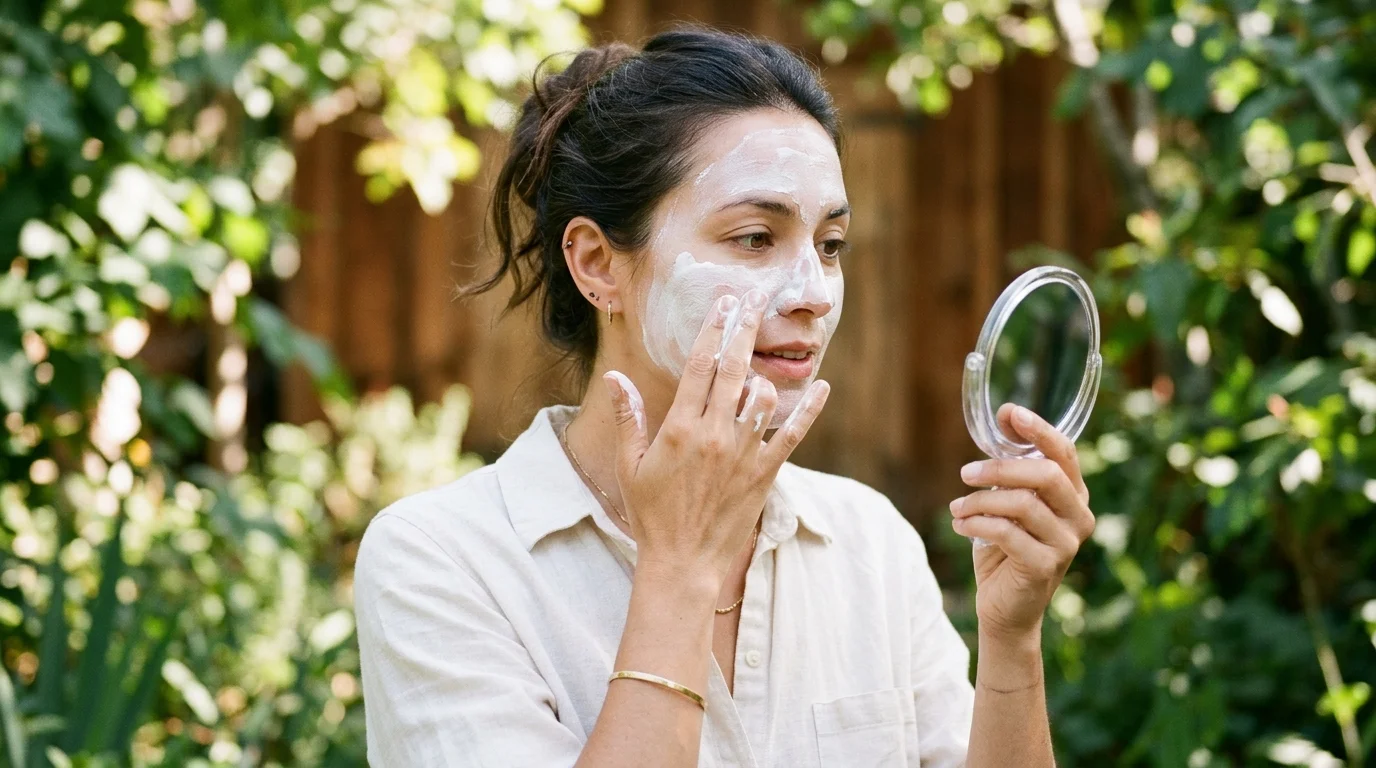
UV rays are highly inflammatory and can severely delay the healing process of a damaged barrier. When the barrier is compromised, the skin is even more susceptible to sun damage and hyperpigmentation.
During the recovery phase, stick to mineral (physical) sunscreens containing Zinc Oxide or Titanium Dioxide. These sit on top of the skin and reflect UV rays, whereas chemical filters can sometimes cause stinging or irritation on sensitized skin. Ensure you are applying a generous amount and re-applying if you are outdoors, as UV exposure can trigger further degradation of the skin's structural proteins.
7. Lifestyle Habits

Internal health and environmental control play a significant role in how quickly your skin can bounce back.
- Hydration: Drink plenty of water to support skin hydration from the inside out. While topical products handle the surface, systemic hydration is necessary for cellular function.
- Dietary Fats: Incorporate Omega-3 fatty acids into your diet through foods like salmon, walnuts, and flaxseeds. These healthy fats are the building blocks of the lipids your skin produces.
- Humidify Your Air: If you live in a dry climate or use air conditioning/heating, use a humidifier in your bedroom. This increases the moisture level in the air, reducing the rate of TEWL while you sleep.
- Get Quality Sleep: Skin repair happens primarily at night. During deep sleep, the body’s growth hormones spike, facilitating the repair of damaged tissues and the production of new skin cells.
Conclusion
Repairing a damaged skin barrier requires patience and a "back-to-basics" approach. By stripping away irritating actives and focusing on lipid-rich, soothing ingredients, you give your skin the space it needs to rebuild its natural defenses. Remember that the skin is a living organ with an incredible capacity for regeneration. Once the redness fades, the stinging stops, and the texture smooths out, you can slowly reintroduce active ingredients—but do so with a newfound respect for the delicate balance of your protective shield.
Frequently Asked Questions
How long does it take to repair a damaged skin barrier?
Typically, it takes between 2 to 4 weeks for the barrier to show significant improvement. This timeline aligns with the natural skin cell turnover cycle. However, severe damage may take up to 3 months of consistent care to fully resolve.
Can I use Retinol while my barrier is damaged?
No. Retinol increases cell turnover and can be very drying. Using it on a compromised barrier will only lead to further inflammation and pain. Wait until your skin feels completely resilient and shows no signs of redness or stinging before slowly reintroducing it.
Is "Slugging" good for a damaged barrier?
Yes, slugging—the practice of applying a thin layer of an occlusive like petroleum jelly over your moisturizer—is highly effective for barrier repair. It creates an impermeable seal that prevents water loss and protects the skin from external irritants while it heals.
Should I stop washing my face?
You should still cleanse your face to remove pollutants and bacteria, but you should switch to a very gentle, non-stripping cleanser. Some people with severe damage find that rinsing with only lukewarm water in the morning and using a gentle cleanser at night is the best approach.
Will a damaged barrier cause acne?
Yes. When the barrier is weak, the "acid mantle" is disrupted, making it easier for acne-causing bacteria to thrive. Additionally, the inflammation caused by barrier damage can lead to "reactive" breakouts. Focus on healing the barrier first; often, the acne will clear up as the skin’s health is restored.