
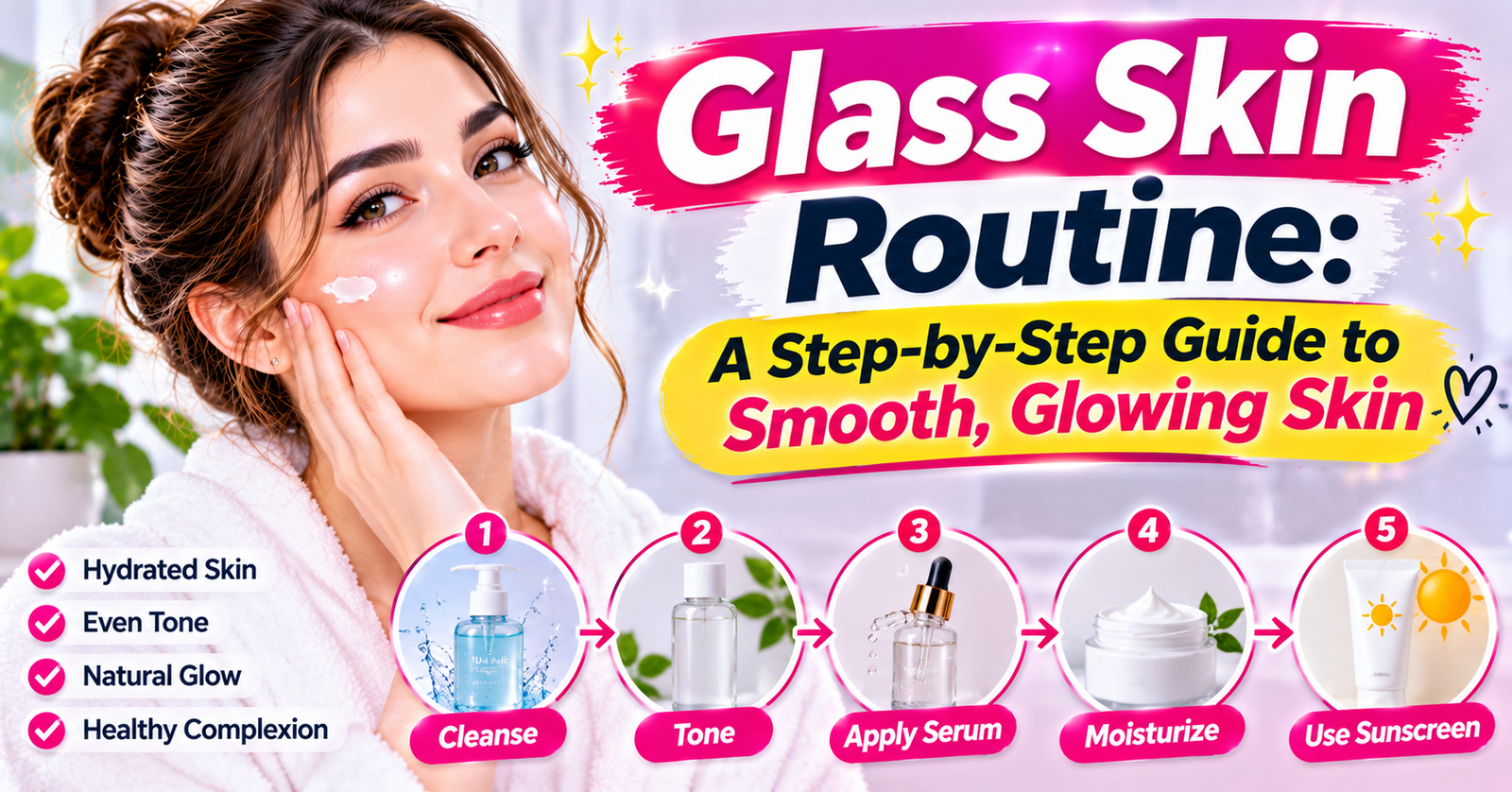
The term "glass skin" originated in the Korean beauty world, referring to a complexion so smooth, clear, and intensely hydrated that it takes on the appearance of a pane of glass. Achieving this look isn't about covering up imperfections with makeup; rather, it is about a dedicated skincare regimen that focuses on deep hydration, gentle exfoliation, and consistent nourishment. While it may seem like an intensive process, the results of a glass skin routine are a healthy, lit-from-within glow that transcends seasonal trends.
To master this look, one must understand that glass skin is a marathon, not a sprint. It requires a layered approach to skincare where each product builds upon the previous one to create a plump, translucent finish. Below is the ultimate step-by-step guide to achieving the coveted glass skin look.
1. Oil Cleanser
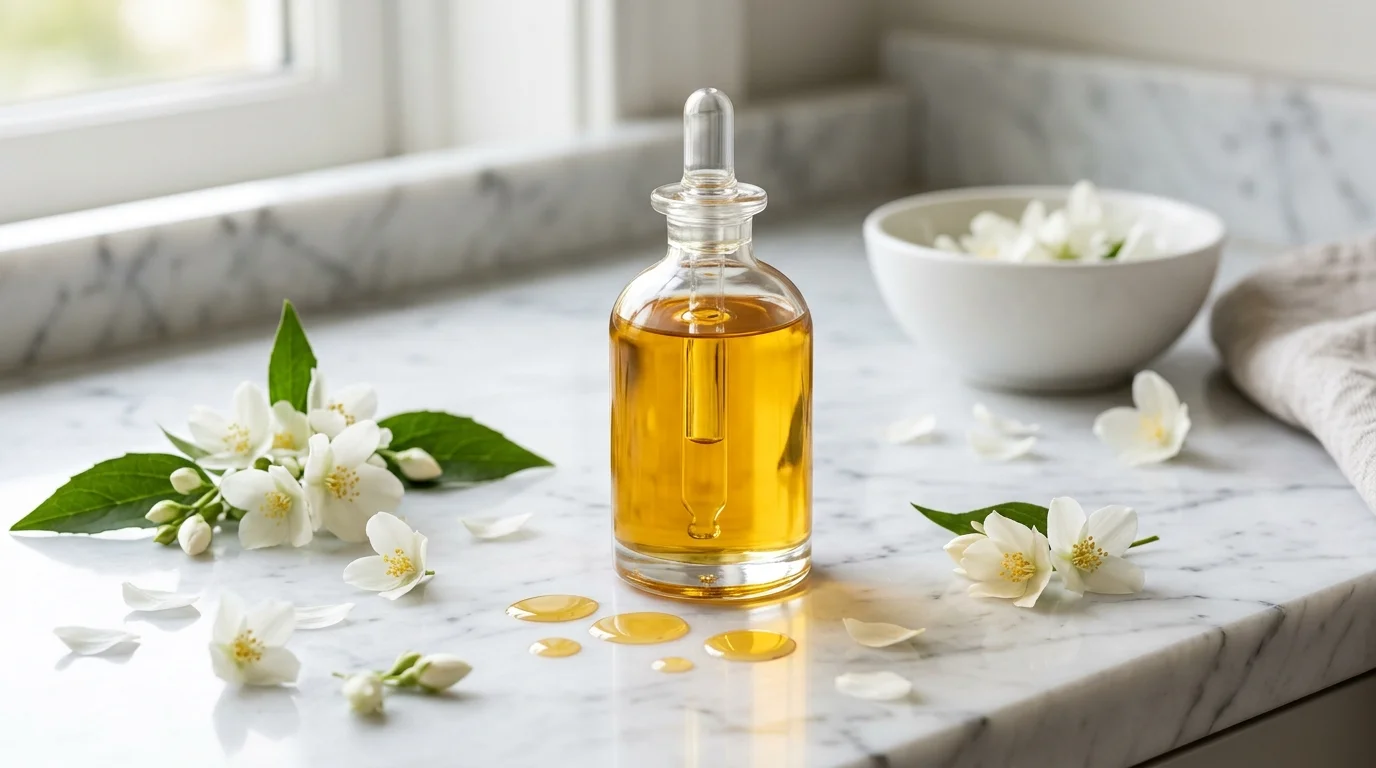
The foundation of any effective glass skin routine is the double cleanse, and it begins with an oil-based cleanser. Oil cleansers are essential for breaking down oil-based impurities such as sebum, waterproof sunscreen, and long-wear makeup. Unlike harsh soaps, oil cleansers lift away debris without stripping the skin of its natural moisture. By massaging the oil into dry skin, you effectively dissolve the day's buildup, ensuring that the pores are clear and ready for the subsequent steps. This step is crucial for maintaining the "poreless" aspect of glass skin.
2. Foam Cleanser

The second half of the double cleanse involves a water-based or foam cleanser. This step ensures that any remaining oil residue, sweat, or environmental pollutants are thoroughly washed away. For a glass skin routine, it is vital to choose a low-pH, non-stripping cleanser. A harsh cleanser that leaves your skin feeling "squeaky clean" is actually damaging your moisture barrier, which is the opposite of what you want. Look for ingredients like green tea, centella asiatica, or glycerin to keep the skin calm and hydrated during the cleansing process.
3. Exfoliator

Exfoliation is the key to the "smooth" part of glass skin. Without removing dead skin cells, your complexion can appear dull and flaky, preventing light from reflecting off the surface. However, the glass skin philosophy favors chemical exfoliants over physical scrubs. Ingredients like AHAs (Alpha Hydroxy Acids) or BHAs (Beta Hydroxy Acids) work to dissolve the bonds between dead cells or clear out pores from the inside. Regular, gentle exfoliation—about two to three times a week—promotes cell turnover and leaves the skin’s texture refined and silky.
4. Hydrating Toner

In a traditional Western routine, toners are often used to astringe or further clean the skin. In a glass skin routine, toners are used to reset the skin's pH and provide the first layer of intense moisture. These are often called "hydrating toners" or "skin skins." They are packed with humectants like hyaluronic acid or floral waters. Instead of using a cotton pad, many enthusiasts pat the toner directly into the skin with their hands, sometimes applying multiple layers (known as the "7-skin method") to ensure the skin is completely saturated with moisture.
5. Essence

Often described as the heart of the Korean skincare routine, an essence is a lightweight, watery treatment that bridges the gap between a toner and a serum. Essences usually contain fermented ingredients or botanical extracts designed to aid in cellular turnover and brighten the complexion. This step adds another crucial layer of hydration, helping the skin look plump and "bouncy." Because essences are thinner than serums, they penetrate deeply, preparing the skin to better absorb the more concentrated treatments that follow.
6. Serum
Serums are the heavy hitters of the routine. To achieve glass skin, you should look for serums that target specific concerns like hyperpigmentation, fine lines, or dullness. Vitamin C is excellent for brightening, while Niacinamide (Vitamin B3) is a superstar for refining pore appearance and evening out skin tone. For the ultimate glass skin effect, many opt for serums rich in Hyaluronic Acid or Peptides, which help to retain moisture and improve the skin’s structural integrity, leading to a firmer and more luminous appearance.
7. Sheet Mask
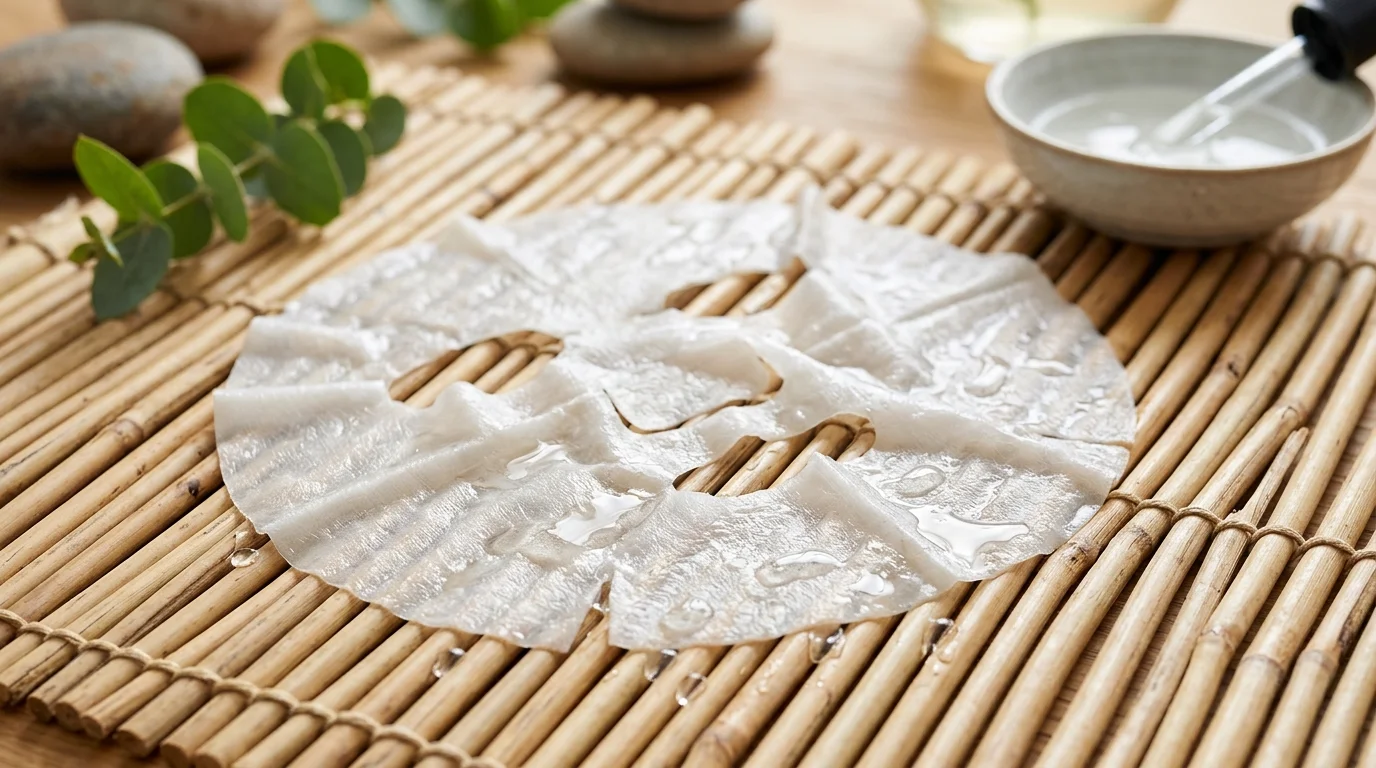
While not a daily requirement, sheet masks are the "boost" that can take your skin from glowing to glass-like overnight. Sheet masks provide a concentrated dose of active ingredients while preventing evaporation, forcing the skin to soak up every drop of goodness. Using a sheet mask two to three times a week—or before a big event—infuses the skin with an extraordinary amount of moisture, instantly smoothing out fine lines and providing an immediate radiance that is hard to achieve with creams alone.
8. Moisturizer

Moisturizer acts as the sealant for all the previous layers of hydration. Without a good moisturizer, the water you’ve just put into your skin will simply evaporate into the air through a process called transepidermal water loss. For the glass skin look, a gel-cream or a lightweight but deeply nourishing moisturizer is often preferred. You want a product that provides a "dewy" finish without feeling greasy. Ingredients like ceramides, squalane, and fatty acids are perfect for repairing the skin barrier and locking in that translucent glow.
9. Sunscreen
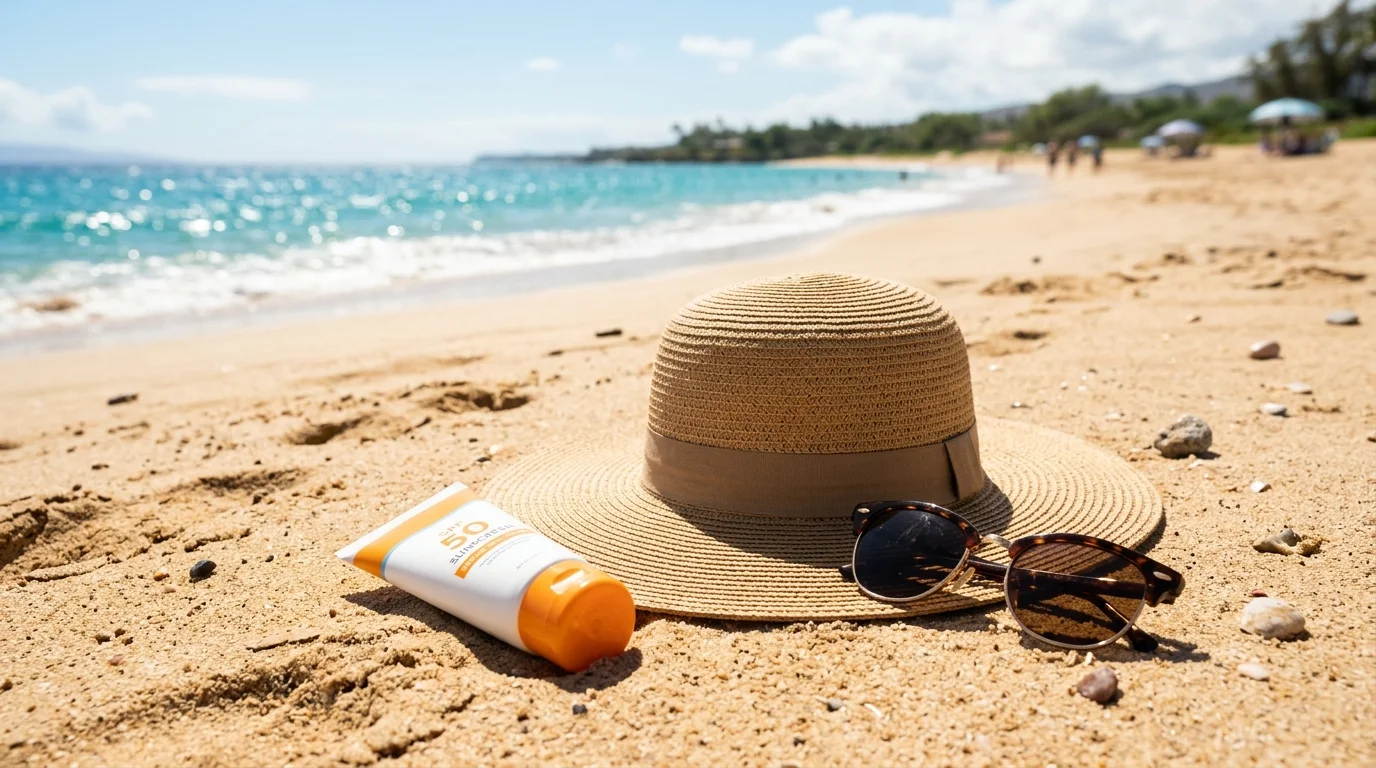
Sunscreen is the most critical step for long-term glass skin. UV damage causes dark spots, redness, and the breakdown of collagen, all of which destroy the clarity and smoothness required for the glass skin look. Even on cloudy days or when staying indoors, a broad-spectrum SPF 30 or higher is mandatory. Modern sunscreens formulated for glass skin often have a luminous finish, adding one final layer of glow while protecting the skin from the aging effects of the sun.
Lifestyle Factors for Glass Skin
Skincare products are only half the battle. To truly achieve a translucent complexion, your internal health must reflect on the outside.
- Hydration: Drinking at least eight glasses of water a day keeps the skin cells plump from the inside out.
- Sleep: During deep sleep, the body’s hydration rebalances and the skin undergoes its most intense repair work.
- Healthy Fats: Consuming omega-3 fatty acids found in fish, walnuts, and flaxseeds helps maintain the lipid barrier of your skin.
- Consistency: The glass skin routine relies on the cumulative effect of these steps over weeks and months.
Conclusion
Achieving glass skin is a holistic process that combines meticulous product layering with a healthy lifestyle. It is about prioritizing the health and hydration of the skin barrier rather than chasing temporary fixes. By following the double-cleansing method, layering watery hydrators, and never skipping sun protection, you can transform a dull complexion into one that is radiant, clear, and seemingly transparent. Remember that everyone's skin journey is unique; patience and consistency are your best tools in the pursuit of the ultimate glow.
Frequently Asked Questions
Is the glass skin routine suitable for oily skin?
Yes. While the routine focuses heavily on hydration, oily skin types can benefit by using lightweight, oil-free, and non-comedogenic products. Often, oily skin is actually dehydrated, and providing it with the right kind of moisture can actually reduce excess oil production.
How long does it take to see results?
While some immediate brightness can be seen after the first few steps (especially after a sheet mask), the true "glass skin" effect—refined texture and even tone—typically takes 4 to 6 weeks of consistent adherence to the routine.
Can I skip steps if I’m in a hurry?
The most non-negotiable steps are cleansing, moisturizing, and sunscreen. However, to achieve the specific "glass" look, the layering of toner and essence is what provides that unique translucency.
Will this routine cause breakouts?
If you introduce all products at once, your skin might react. It is best to introduce one new product at a time to ensure your skin tolerates the ingredients. Always patch-test new serums or essences.
Does glass skin mean I won't have pores?
Pores are a natural and necessary part of the skin. "Glass skin" refers to pores that are clean and tight, making them appear almost invisible, but they will never disappear entirely. Focus on texture and glow rather than absolute perfection.