
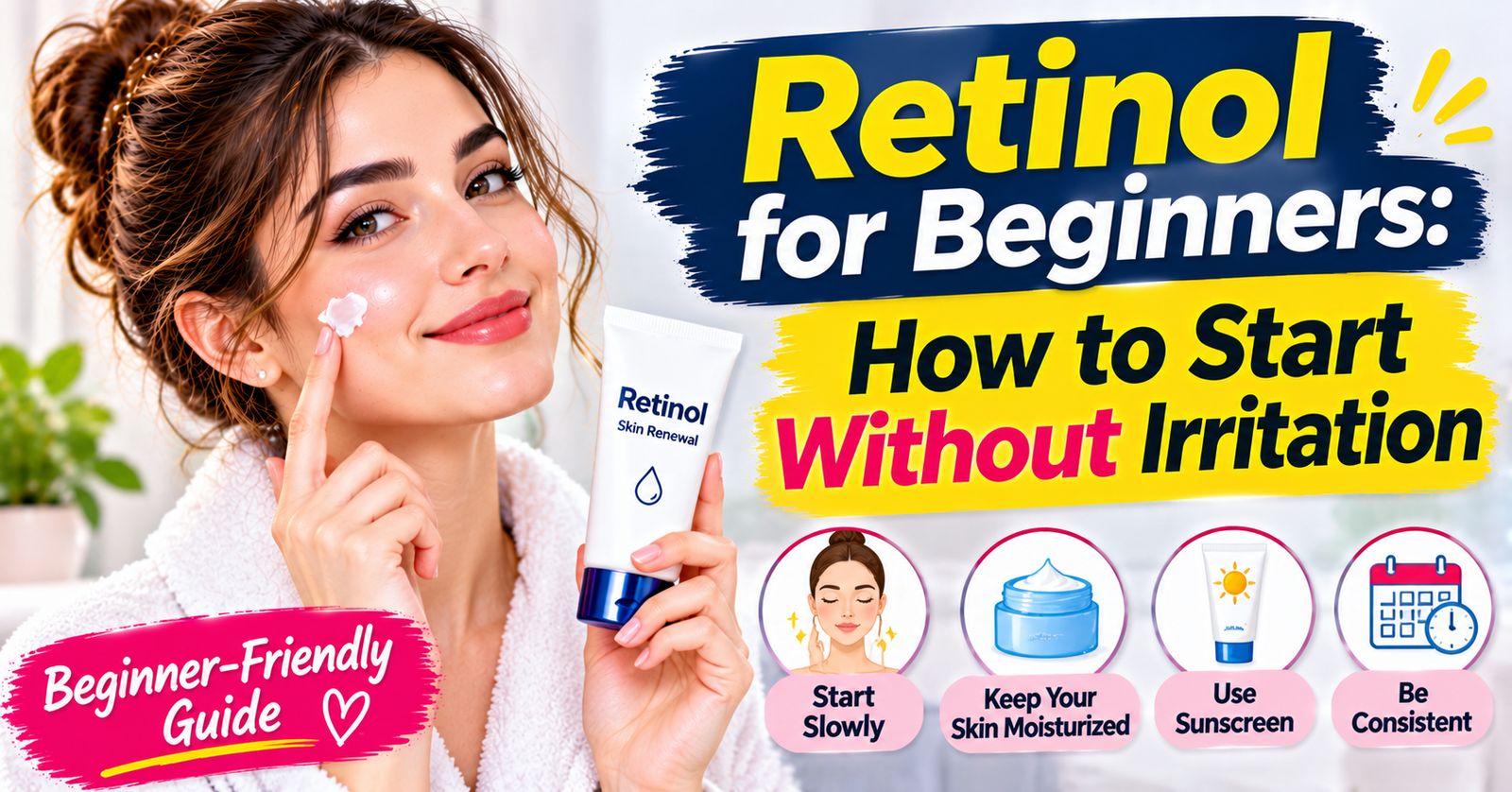
Retinol is often hailed as the "gold standard" in skincare, and for good reason. A derivative of Vitamin A, this potent ingredient is one of the few topically applied substances with decades of clinical research proving its effectiveness. It works by accelerating cell turnover and boosting collagen production, which helps to minimize fine lines, clear acne, even out skin tone, and smooth texture.
However, for all its benefits, retinol has a reputation for being "difficult." Beginners often experience redness, peeling, and dryness—a phase colloquially known as the "retinoid uglies." The secret to success isn't avoiding retinol, but learning how to introduce it to your skin with patience and precision.
1. Low Concentrations
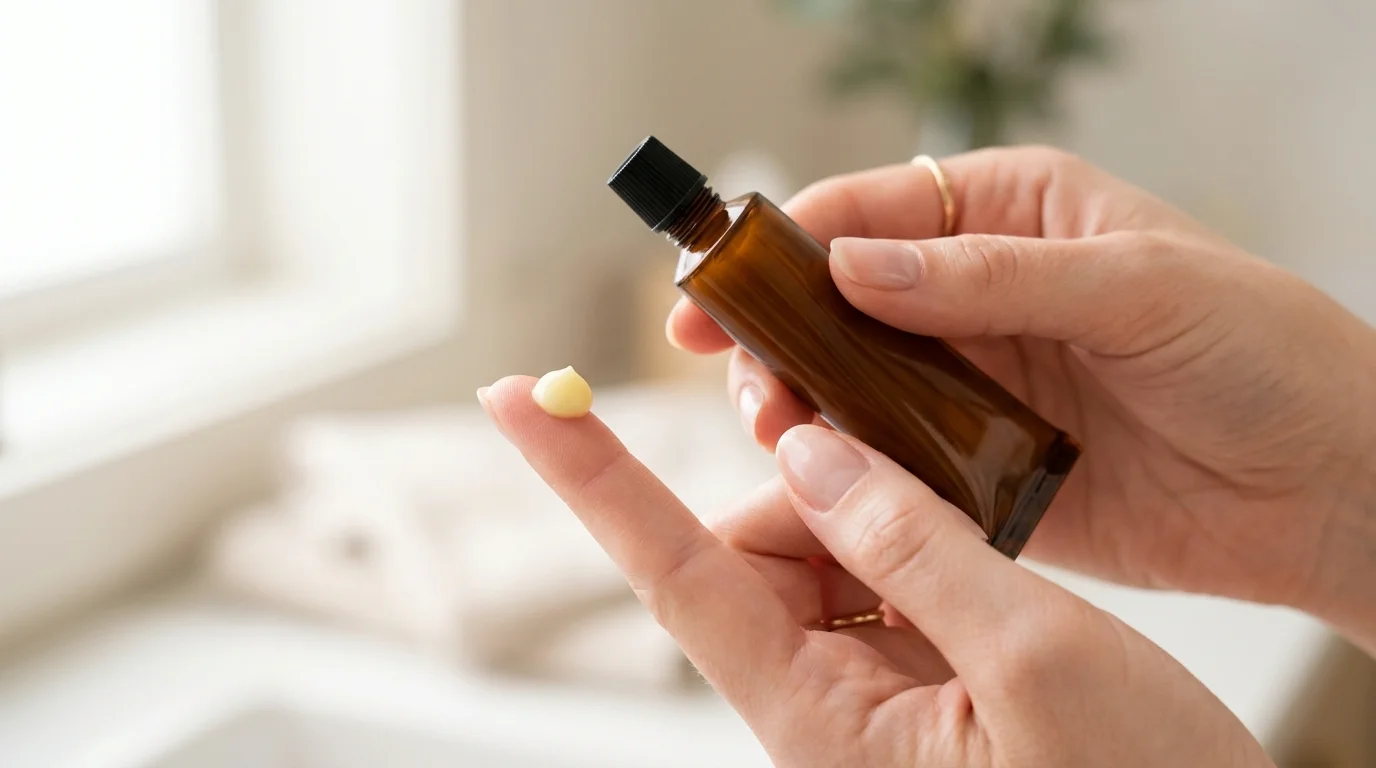
When starting your retinol journey, more is not better. The skin needs time to develop "retinization," a process where it builds up receptors for Vitamin A. Starting with a high-percentage clinical formula is the fastest way to compromise your skin barrier. Beginners should look for concentrations between 0.01% and 0.03%. These lower doses provide the benefits of cellular renewal without overwhelming the skin’s natural defenses. It is a marathon, not a sprint; the results from a low-strength retinol used consistently will always surpass the results of a high-strength retinol that you have to stop using because of irritation.
2. Cream Formulations

Retinol comes in various vehicles, including oils, serums, and creams. For beginners, cream-based formulations are generally the safest bet. Creams are typically formulated with emollient ingredients like ceramides, glycerin, or petrolatum, which act as a buffer. These ingredients help to keep the skin hydrated while the retinol works, mitigating the drying effects that often lead to flaking. Serums tend to penetrate more deeply and quickly, which can be too aggressive for someone who has never used a retinoid before.
3. Encapsulated Retinol

If you have particularly sensitive skin, look for the word "encapsulated" on the label. Encapsulated retinol is a technology where the retinol molecule is housed in a "shell" (often made of lipids or fatty acids). Instead of hitting the skin all at once, the capsule breaks down slowly over several hours, delivering a timed-release effect. This significantly reduces the risk of irritation because the skin is never exposed to a massive dose of the active ingredient at a single moment.
4. Frequency Control

One of the biggest mistakes beginners make is using retinol every night from the start. To avoid irritation, follow the "1-2-3" rule. Use retinol once a week for the first week, twice a week for the next two weeks, and three times a week for the following three weeks. If your skin shows no signs of redness or peeling, you can then move to every other night. It usually takes about six to eight weeks for the skin to fully adapt. If at any point your skin feels tight, itchy, or "hot," drop back down to the previous frequency.
5. Sandwich Method
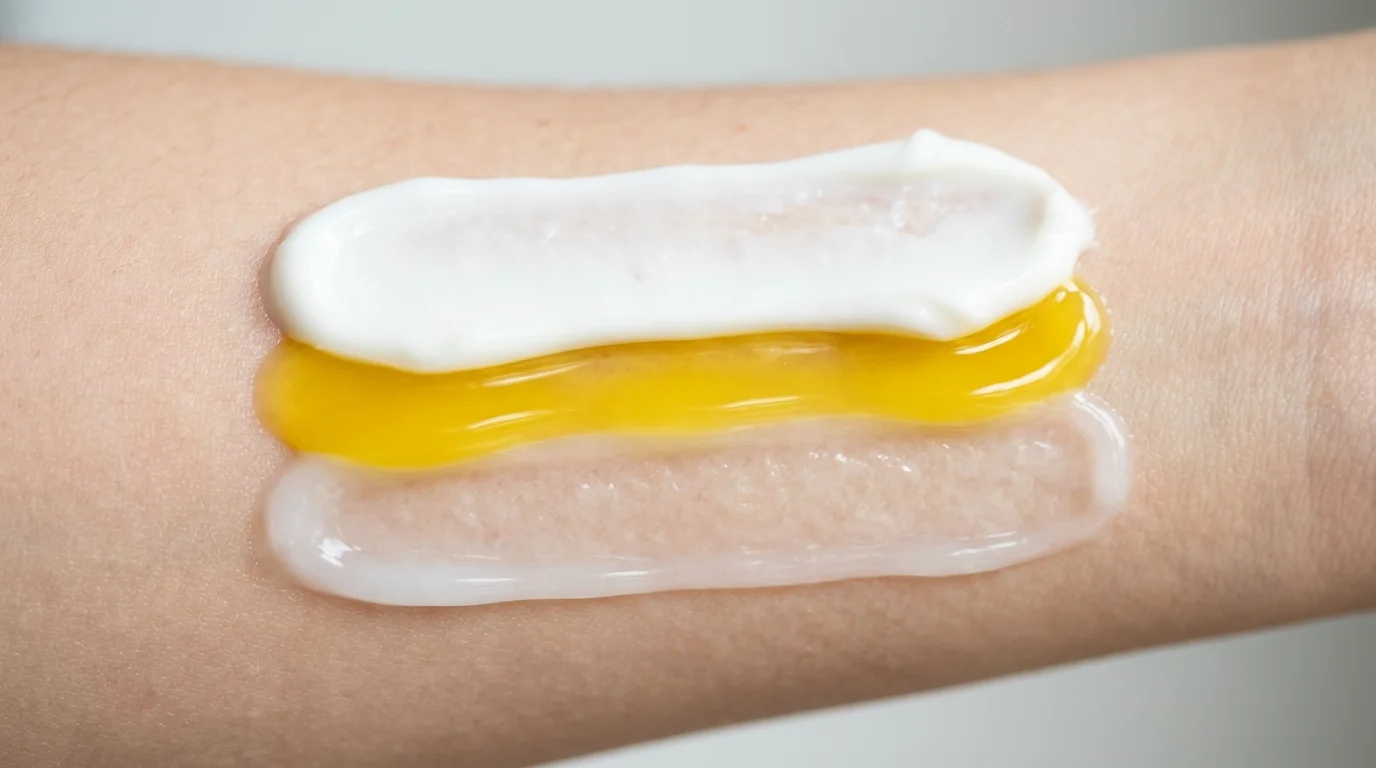
The "Sandwich Method" is a game-changer for those prone to sensitivity. This technique involves applying a layer of lightweight moisturizer first, followed by your retinol, and finishing with another layer of moisturizer on top. By "sandwiching" the retinol between two layers of hydration, you create a physical barrier that slows down the absorption rate. This ensures the active ingredient still reaches the skin cells but in a much more controlled and gentle manner.
6. Sun Protection

Retinol increases photosensitivity, meaning your skin will burn much more easily under UV rays. Furthermore, sunlight can actually break down retinol, making it less effective. This is why it should only be applied at night. However, the increased sensitivity lasts into the next day. Applying a broad-spectrum SPF 30 or higher every single morning is non-negotiable. If you are not committed to wearing sunscreen, you should not use retinol, as you may end up with more sun damage and hyperpigmentation than you started with.
7. Hydration Boosters

While retinol is working on the deeper layers of the skin, you must support the surface. Incorporating hydrating ingredients into your routine—specifically on the nights you don't use retinol—is essential. Look for products containing Hyaluronic Acid, which pulls moisture into the skin, or Squalane, which mimics the skin's natural oils. Keeping the skin's moisture barrier intact is the best defense against the "purging" and peeling associated with Vitamin A.
The Importance of the "Pea-Sized" Rule
It is tempting to slather on a thick layer of product, thinking it will work faster. With retinol, this is a recipe for disaster. A pea-sized amount is all you need for your entire face. Divide that pea into four dots: one for the forehead, one for each cheek, and one for the chin. Smooth it out thinly. Avoid the "no-go" zones: the corners of the nose, the corners of the mouth, and the delicate skin directly under the eyes, as these areas are thinner and more prone to severe cracking and irritation.
Managing the Purge
"Purging" occurs when retinol speeds up cell turnover, pushing underlying congestion (clogs that were already there) to the surface all at once. This can look like a sudden breakout of small whiteheads. The key is to distinguish purging from a reaction. A purge typically happens in areas where you normally get breakouts and should resolve within 3 to 4 weeks. If you are breaking out in new areas or experiencing painful, itchy hives, you are likely having a reaction to the product and should stop use immediately.
Conclusion
Starting retinol doesn't have to be a painful process. By choosing the right formulation, starting slowly, and prioritizing the health of your skin barrier through the sandwich method and heavy sun protection, you can bypass the worst side effects. Consistency is the most important factor; the transformative effects of retinol—clearer, firmer, and more radiant skin—usually take 12 weeks to become visible. Be patient with your skin, and it will reward you with a lifetime of glow.
Frequently Asked Questions
Can I use retinol with Vitamin C?
It is best not to use them at the same time. Vitamin C is usually formulated at a low pH, while retinol works best at a higher pH. Using them together can cause extreme irritation. Use Vitamin C in the morning for antioxidant protection and Retinol at night.
How long does it take to see results?
While some people notice smoother skin in a few weeks, significant changes in fine lines and hyperpigmentation usually take 3 to 6 months of consistent use.
Should I apply retinol to wet or dry skin?
Always apply retinol to completely dry skin. Damp skin is more permeable, which allows the retinol to sink in too deeply and too quickly, significantly increasing the risk of irritation and redness.
Can I use AHAs or BHAs with retinol?
When you are a beginner, it is highly recommended to stop using chemical exfoliants (like glycolic or salicylic acid) for the first few weeks to avoid over-stripping the skin. Once your skin is acclimated, you can use them on alternating nights.
Is it normal for my skin to peel a little?
Mild flaking can be normal during the first few weeks as your skin adjusts. However, if the skin is raw, bleeding, or painful, you are using too much or using it too frequently.