

Imagine stepping into your backyard on a Saturday morning with a cup of coffee, not to haul out the lawnmower or battle an army of weeds, but simply to enjoy the view. For many, the dream of a beautiful yard is often overshadowed by the reality of the grueling labor required to keep it looking pristine. However, a stunning landscape doesn't have to be a full-time job.
Low maintenance garden design is about working with nature rather than fighting against it. By choosing the right materials, the right plants, and the right layout, you can create an outdoor sanctuary that thrives with minimal intervention. Whether you are a busy professional, an aging gardener looking to scale back, or someone who simply prefers relaxing to weeding, this guide will show you how to achieve a high-impact yard with low-effort strategies.
1. Xeriscaping
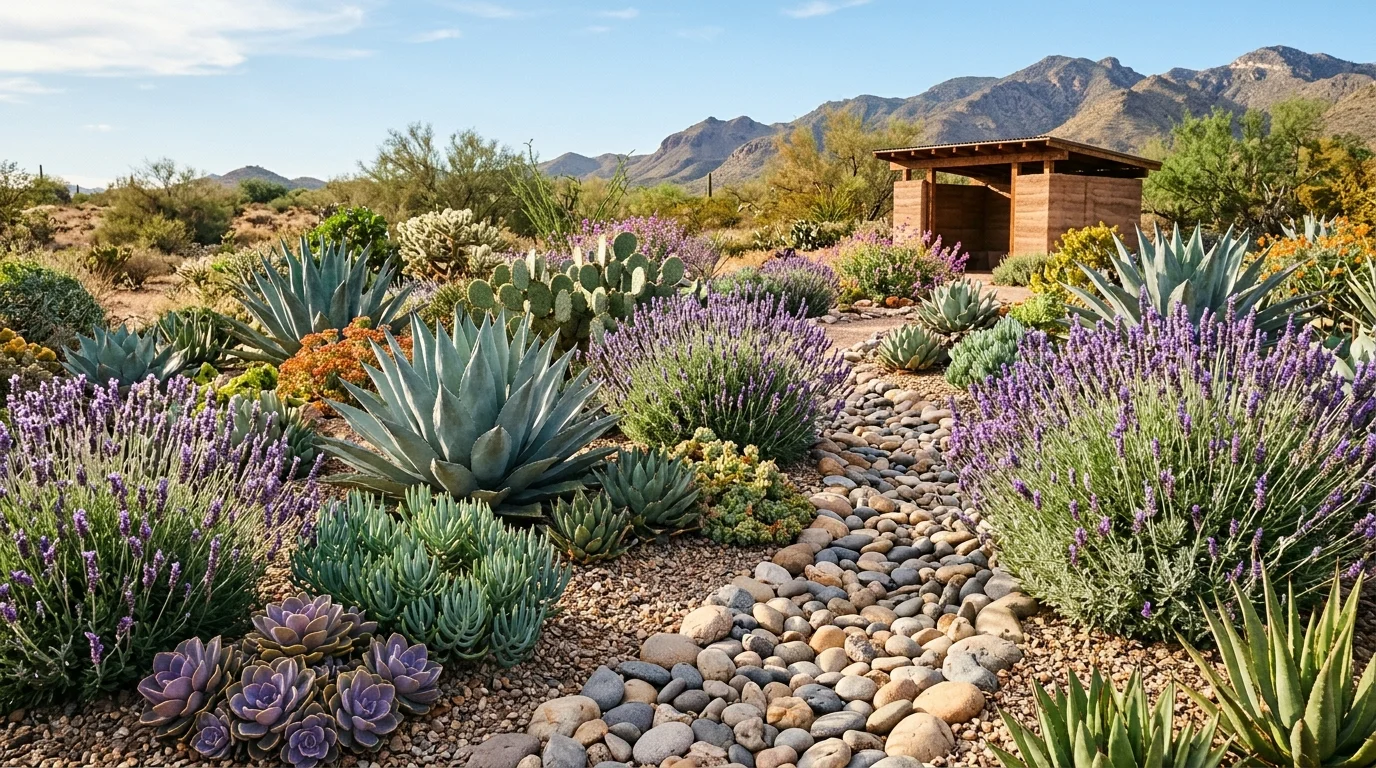
Xeriscaping is a landscaping philosophy centered on water conservation, but its benefits extend far beyond your utility bill. By using drought-tolerant plants and reducing or eliminating thirsty lawns, you significantly cut down on the time spent watering and mowing.
- Zoning: Group plants with similar water needs together to maximize efficiency.
- Soil Improvement: Use organic matter to help the soil retain what little moisture it gets.
- Rock Elements: Incorporate boulders and gravel to fill space beautifully without needing any care at all.
2. Perennials
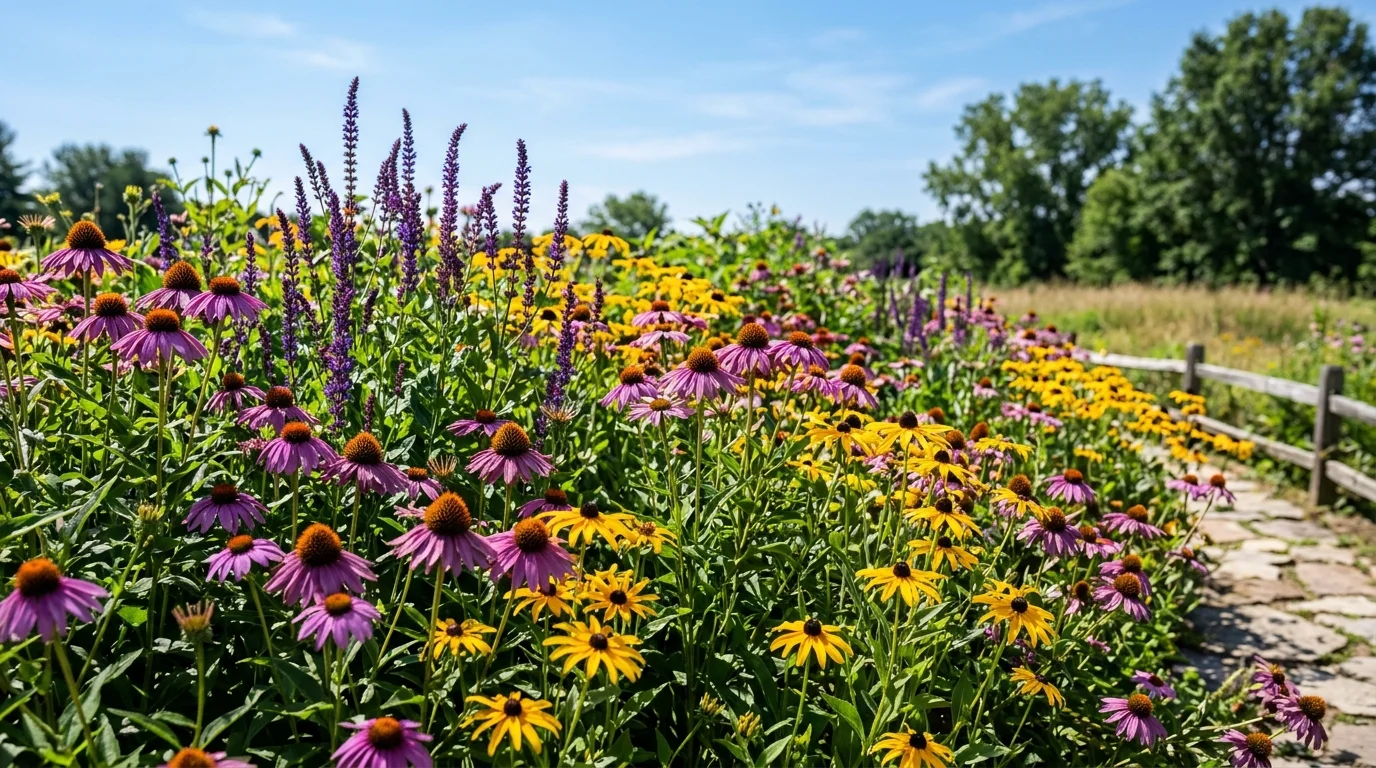
If you find yourself replanting flower beds every spring, you are working too hard. Annuals are beautiful but fleeting; perennials are the workhorses of the low-maintenance garden. These plants die back in the winter and return faithfully every spring, often growing larger and more robust each year.
- Hardiness: Choose species that are rated for your specific climate zone to ensure survival.
- Division: Every few years, many perennials can be split, giving you "free" plants to fill other areas of the yard.
- Pollinator Support: Many perennials, like Echinacea and Sedum, attract bees and butterflies, adding life to your garden with zero extra effort.
3. Mulching
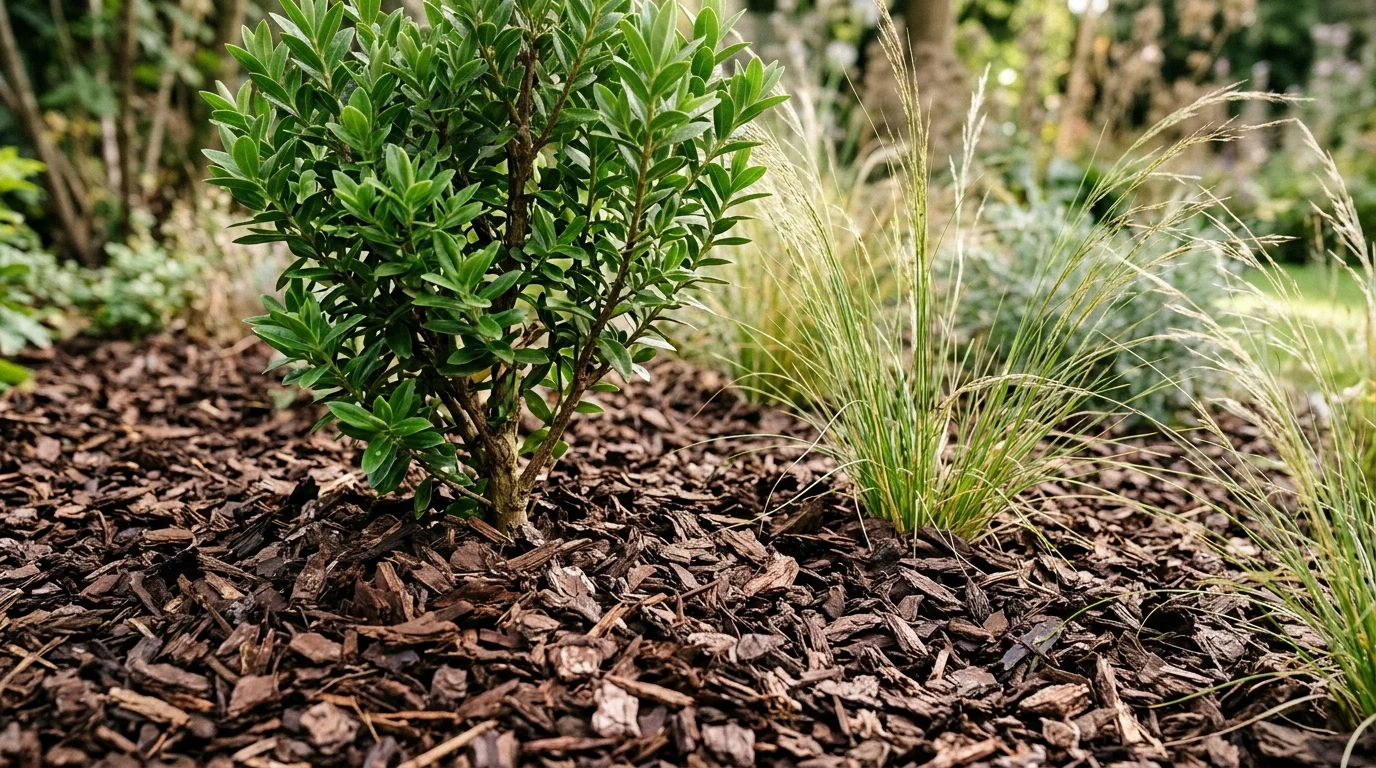
Mulch is the "secret weapon" of professional landscapers. A thick layer of mulch—usually two to three inches—performs several critical tasks simultaneously. It suppresses weed seeds by blocking sunlight, retains soil moisture by reducing evaporation, and regulates soil temperature.
- Organic Mulch: Bark nuggets or shredded cedar break down over time, adding nutrients back into the soil.
- Inorganic Mulch: Pea gravel or slate chips are permanent solutions that don't need to be replenished annually.
- Aesthetics: Mulch provides a clean, finished look that instantly makes a garden appear well-tended.
4. Hardscaping
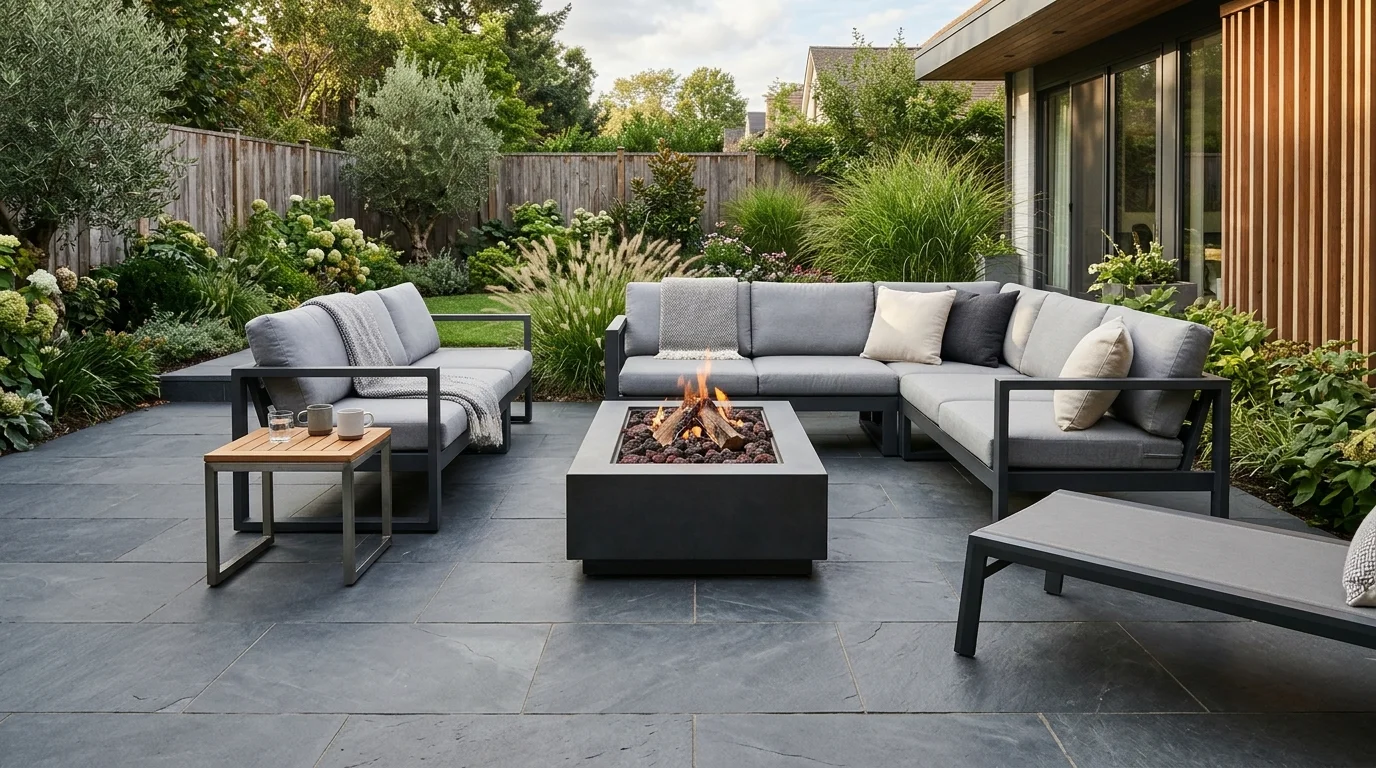
The simplest way to reduce garden maintenance is to have less "garden" to maintain. Hardscaping refers to the non-living elements of your yard, such as patios, decks, walkways, and stone walls. These features provide functional living space and require nothing more than an occasional sweep or power wash.
- Patios: Replacing a patch of struggling grass with a stone patio creates an "outdoor room" for entertaining.
- Paver Paths: Use large pavers with gravel in between to create stable walkways that drain well.
- Retaining Walls: Use stones or blocks to level uneven ground, preventing erosion and creating built-in planter boxes.
5. Native Plants
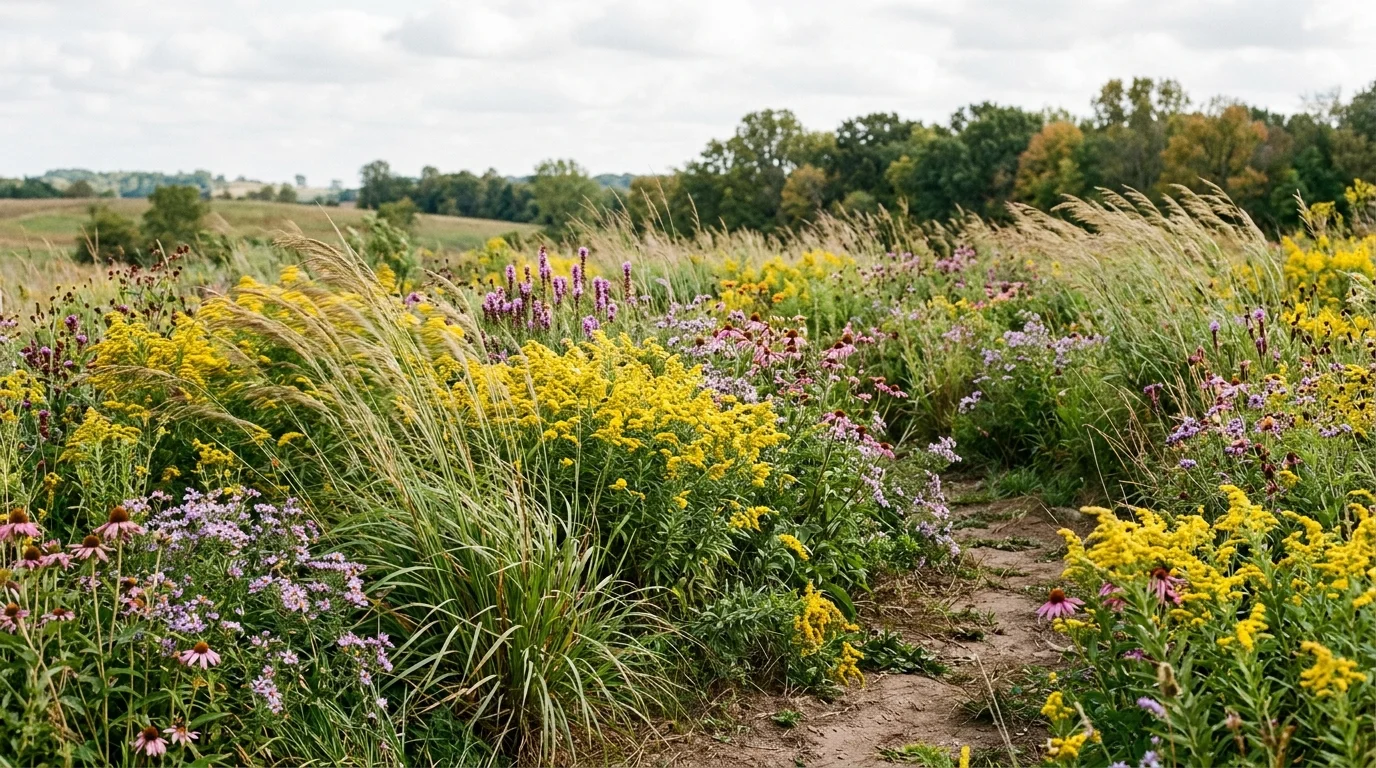
Plants that are native to your specific region have spent thousands of years adapting to your local soil, rainfall patterns, and pests. This means they are naturally more resilient than exotic imports. Once established, native plants rarely need supplemental watering or chemical fertilizers.
- Local Ecosystem: Native plants provide essential food and shelter for local birds and beneficial insects.
- Resilience: They are far more likely to survive extreme weather events, such as heatwaves or unexpected frosts.
- Low Input: Forget the pesticides; native plants have built-in defenses against local bugs.
6. Drip Irrigation
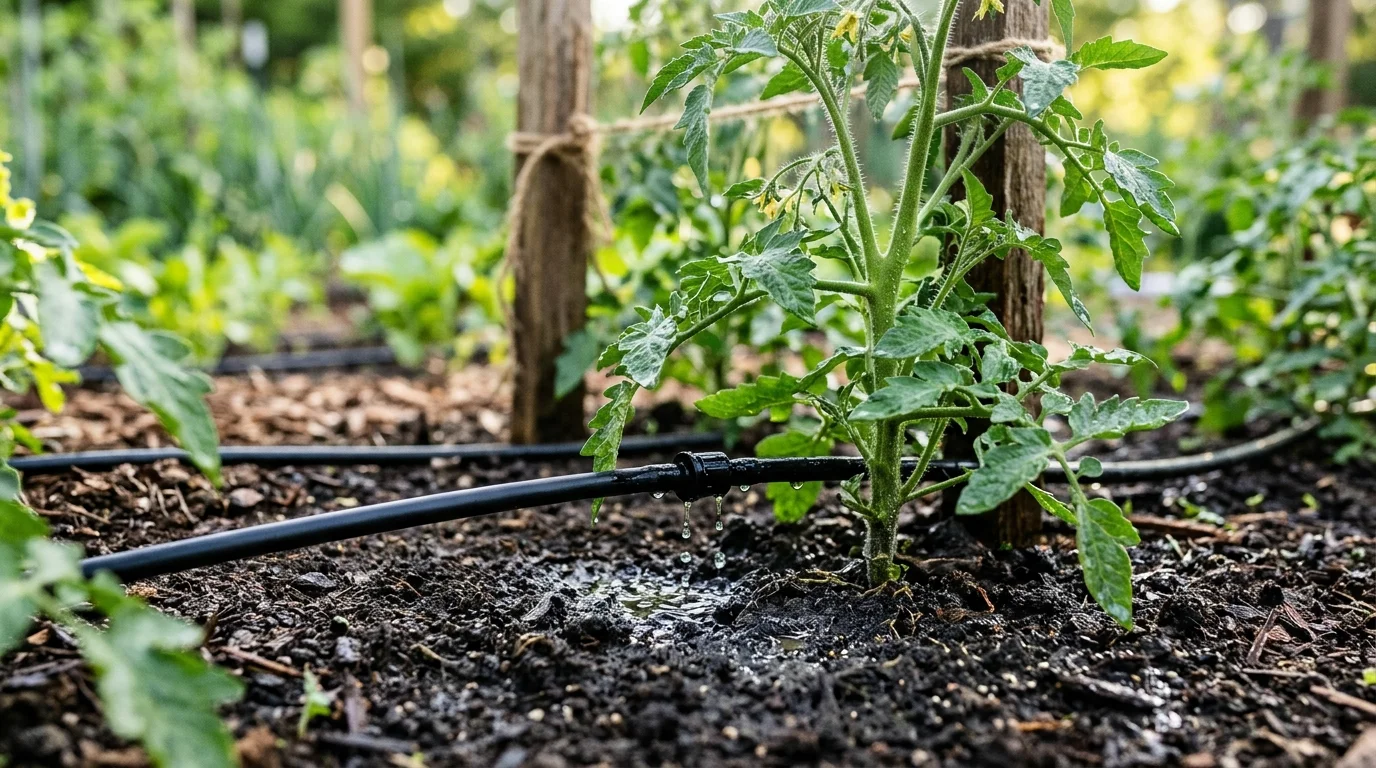
Standing in the yard with a hose for an hour is a thing of the past. A drip irrigation system delivers water directly to the roots of your plants, where it is needed most. When paired with a smart timer, your garden effectively waters itself.
- Efficiency: Drip systems use up to 50% less water than traditional sprinklers.
- Disease Prevention: By keeping water off the leaves, you reduce the risk of fungal diseases and powdery mildew.
- Automation: Set it and forget it. Smart timers can even adjust watering schedules based on local weather forecasts.
7. Evergreen Shrubs

Evergreens provide the "bones" of a garden. While flowers come and go, evergreens stay green 365 days a year. They offer structure, privacy, and color during the drab winter months without requiring much more than a light pruning once a year.
- Privacy Screens: Use tall, narrow evergreens like Arborvitae to create living fences that never need painting.
- Foundation Planting: Low-growing evergreens like Yews or Junipers hide the base of your home and look great year-round.
- Variety: Look for "dwarf" varieties that stay small naturally, eliminating the need for constant hedging.
8. Artificial Turf
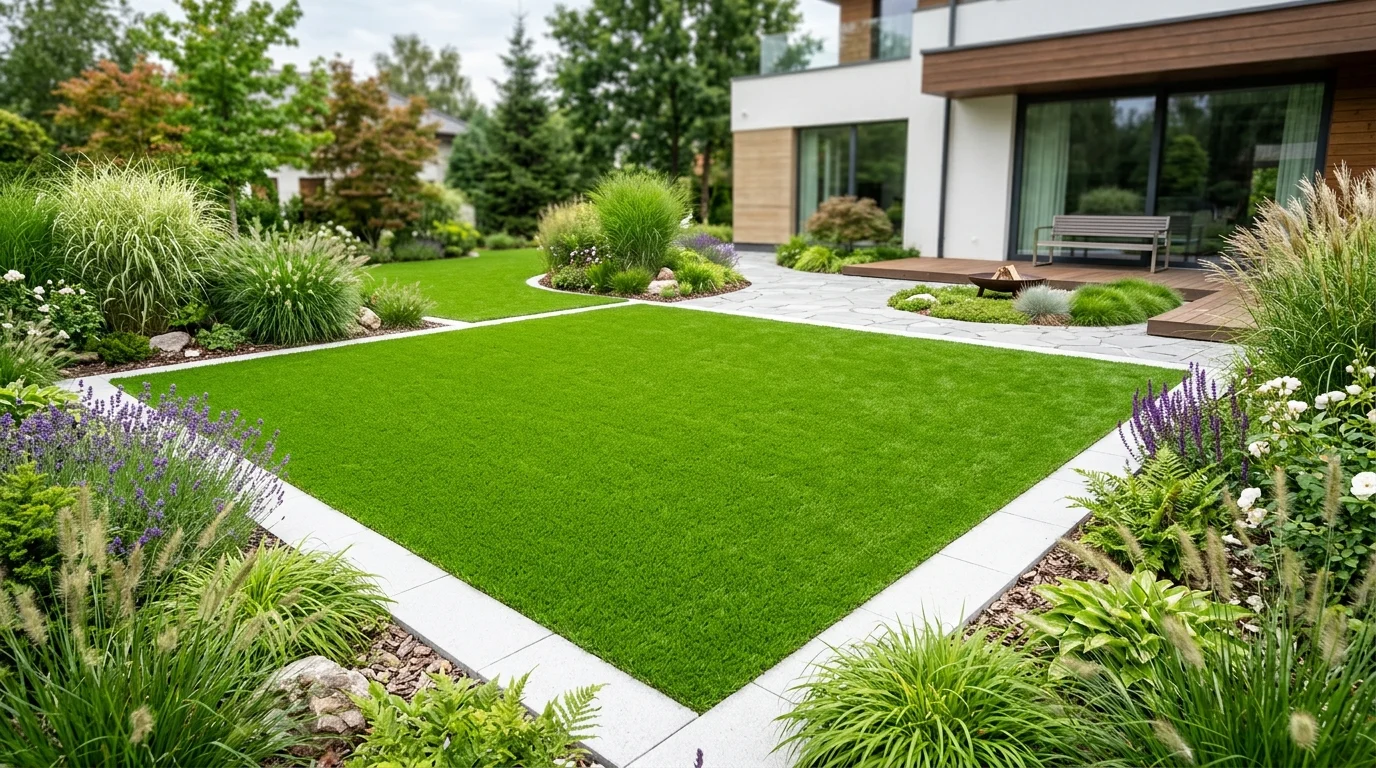
For many, the lawn is the most time-consuming part of the yard. Between mowing, fertilizing, aerating, and weeding, it’s a constant cycle of work. High-quality artificial turf has come a long way and now looks remarkably like real grass.
- Zero Water: Once installed, artificial turf requires no water at all.
- Pet Friendly: Most modern turfs are designed for easy cleaning and high durability against pets.
- Perfect Look: Your lawn will be the same height and the same shade of green every single day of the year.
9. Ground Covers
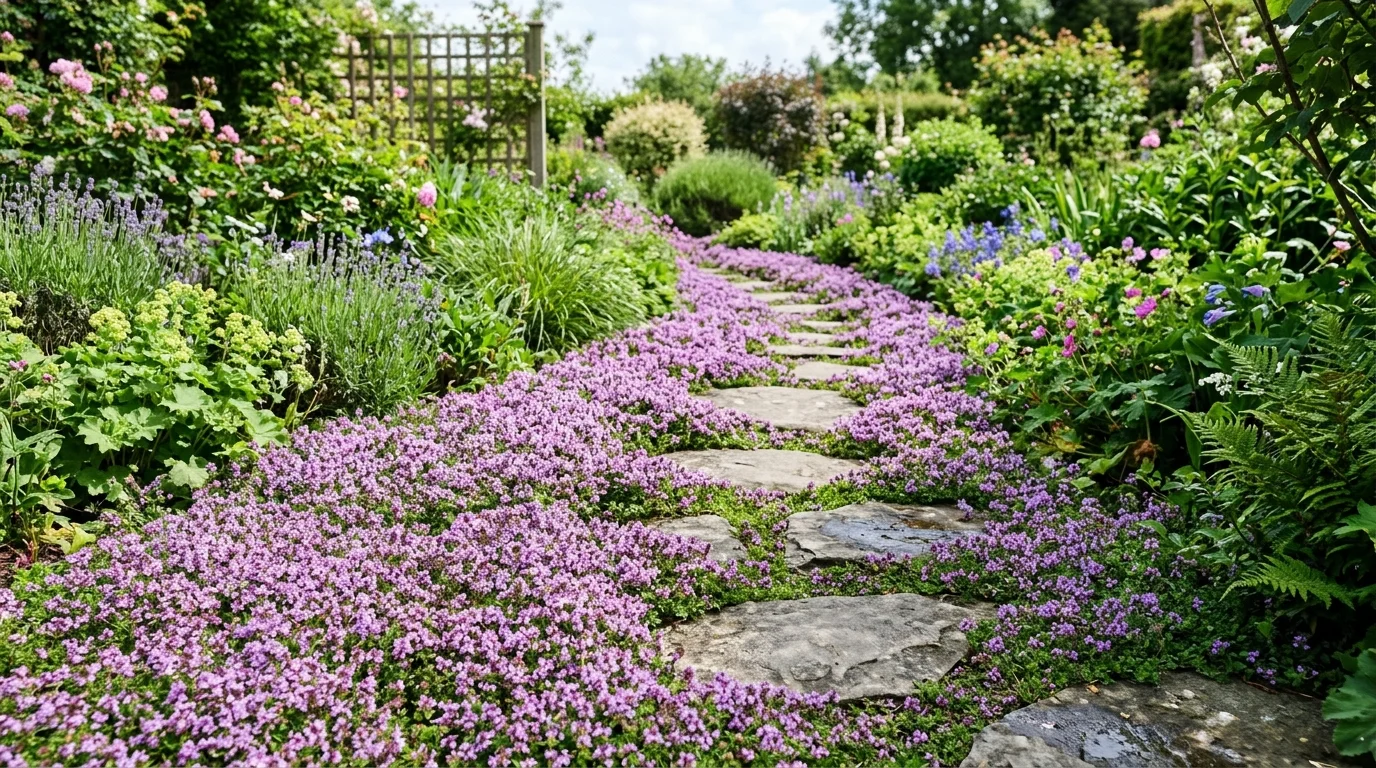
Think of ground covers as "living mulch." These are low-growing plants that spread across the soil, creating a thick carpet that chokes out weeds. They are perfect for slopes where mowing is dangerous or for shady spots where grass refuses to grow.
- Creeping Thyme: A fragrant, flowering option that can handle light foot traffic.
- Pachysandra: Ideal for deep shade under large trees.
- Clover: A hardy, eco-friendly alternative to traditional grass that stays green with very little water.
10. Container Gardening
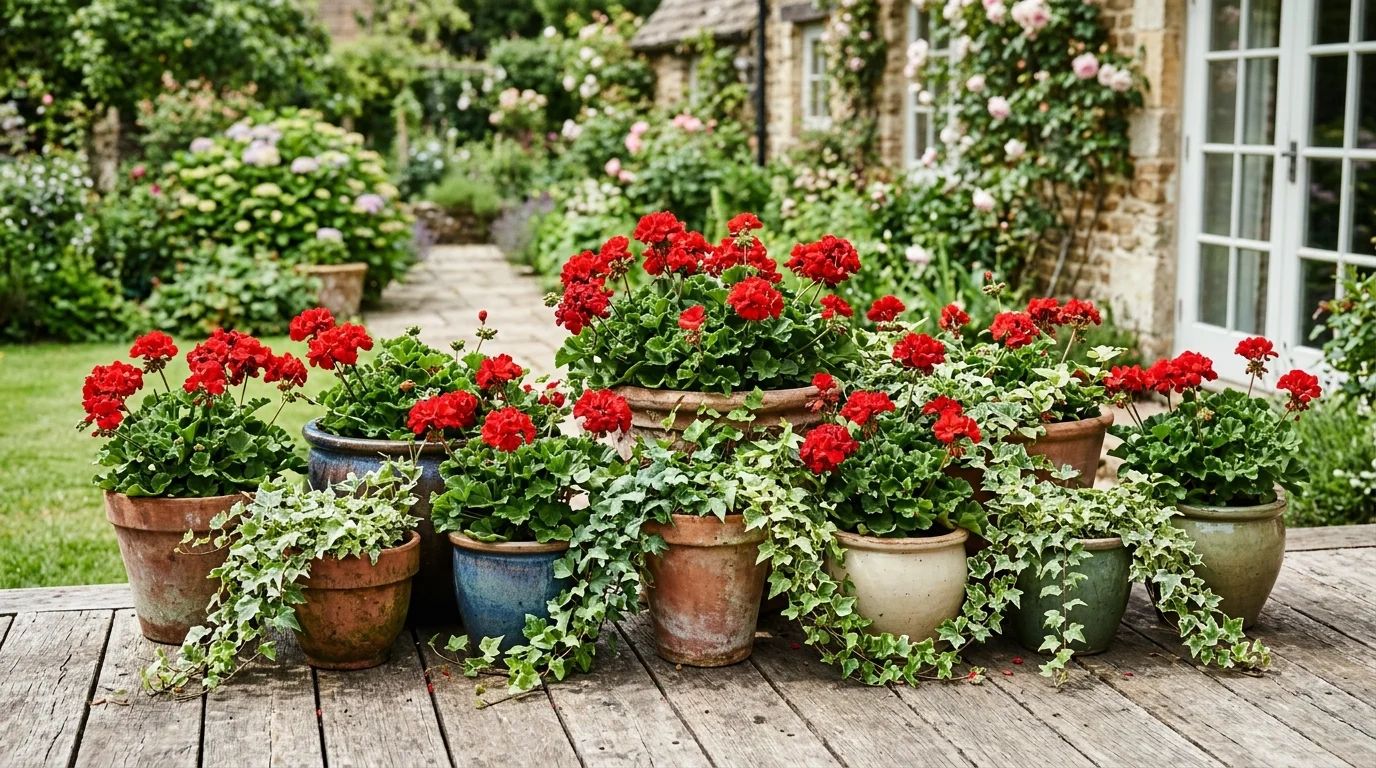
If you want the beauty of seasonal flowers without the work of digging in the dirt, containers are the answer. Pots allow you to control the soil quality perfectly and make maintenance much more accessible—no bending over required.
- Mobility: Move your plants to follow the sun or hide them if you’re hosting a party.
- Containment: Vigorous plants that might "take over" a garden bed (like mint) are easily kept in check in a pot.
- Self-Watering Pots: Invest in reservoirs that keep your plants hydrated for days or weeks at a time.
Conclusion
Creating a low-maintenance garden is not about settling for a boring yard; it is about smart design and strategic choices. By prioritizing hardscaping, selecting native and perennial plants, and automating your watering, you reclaim your weekends. A garden should be a source of peace, not a source of stress. Start small—perhaps by replacing a patch of grass with mulch and shrubs—and gradually transform your yard into a self-sustaining oasis that looks beautiful with minimal effort.
Frequently Asked Questions
Is a low-maintenance garden more expensive to install?
Initially, yes. Hardscaping and high-quality perennials can have a higher upfront cost than a bag of grass seed. However, you save significantly over time on water bills, fertilizers, replacement plants, and, most importantly, your own time.
Can I have a low-maintenance garden if I have a small yard?
Absolutely! In fact, small yards are perfect for low-maintenance designs. Using large pavers and high-impact containers can make a small space feel like a luxurious retreat without requiring any heavy equipment.
Do low-maintenance gardens look "wild" or messy?
Not at all. While some people prefer a "wildflower meadow" look, low-maintenance design can be very formal. Neatly trimmed evergreens, clean-lined stone patios, and organized mulch beds provide a very structured and "expensive" aesthetic.
How often do I still have to weed?
No garden is 100% weed-free. However, with heavy mulching and the use of ground covers, you might find yourself weeding for 10 minutes once a month rather than two hours every weekend.
What is the best time of year to start?
Fall is often the best time to plant perennials and shrubs, as the cooler weather allows roots to establish before the summer heat. However, hardscaping projects like patios can be done at almost any time of year.