
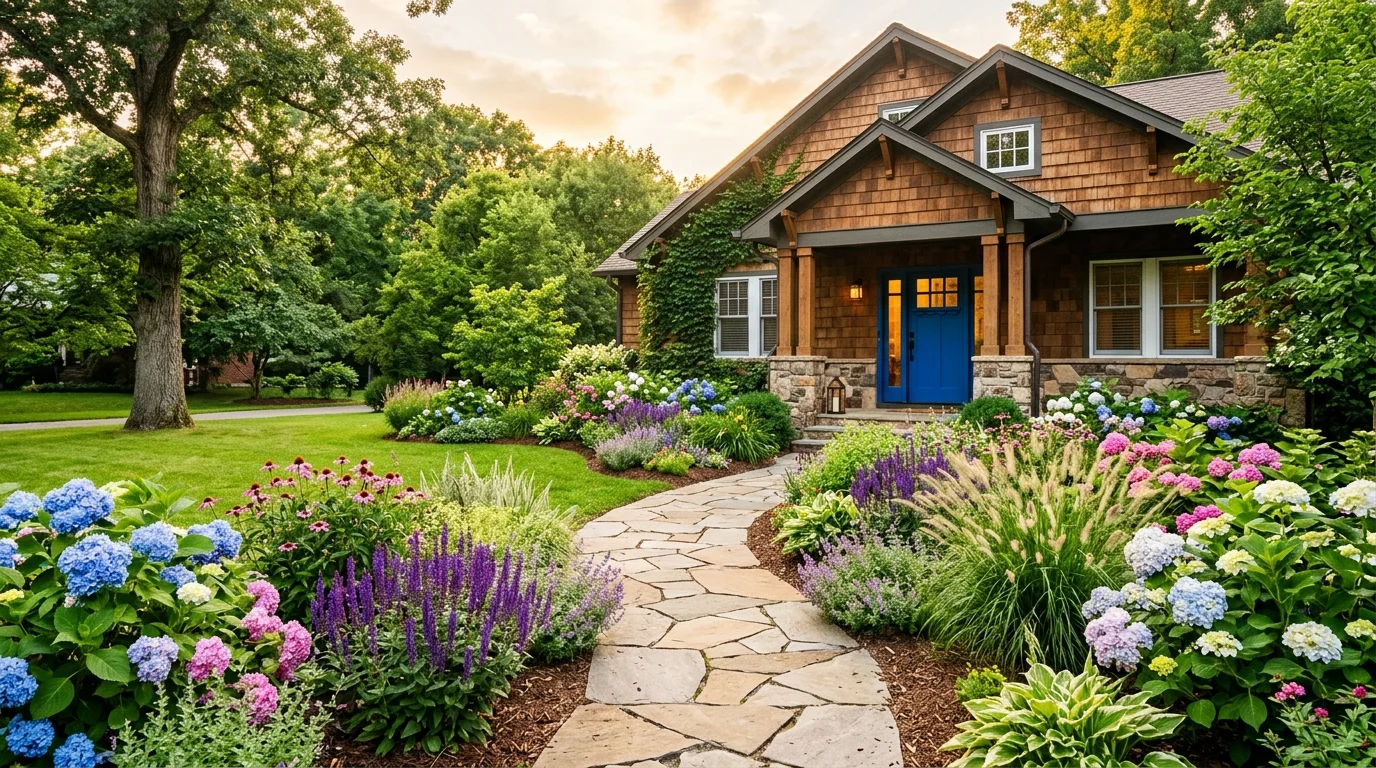
The front yard is the architectural handshake of your home. It is the first thing guests see, the backdrop for your morning coffee, and the primary factor in your property’s curb appeal. A well-designed front garden does more than just look pretty; it increases property value, provides a habitat for local pollinators, and creates a transition zone between the bustling outside world and your private sanctuary. Whether you have a sprawling lawn or a tiny urban patch, there are endless ways to reimagine your outdoor space to reflect your personal style and enhance your home’s character.
1. Modern Minimalism
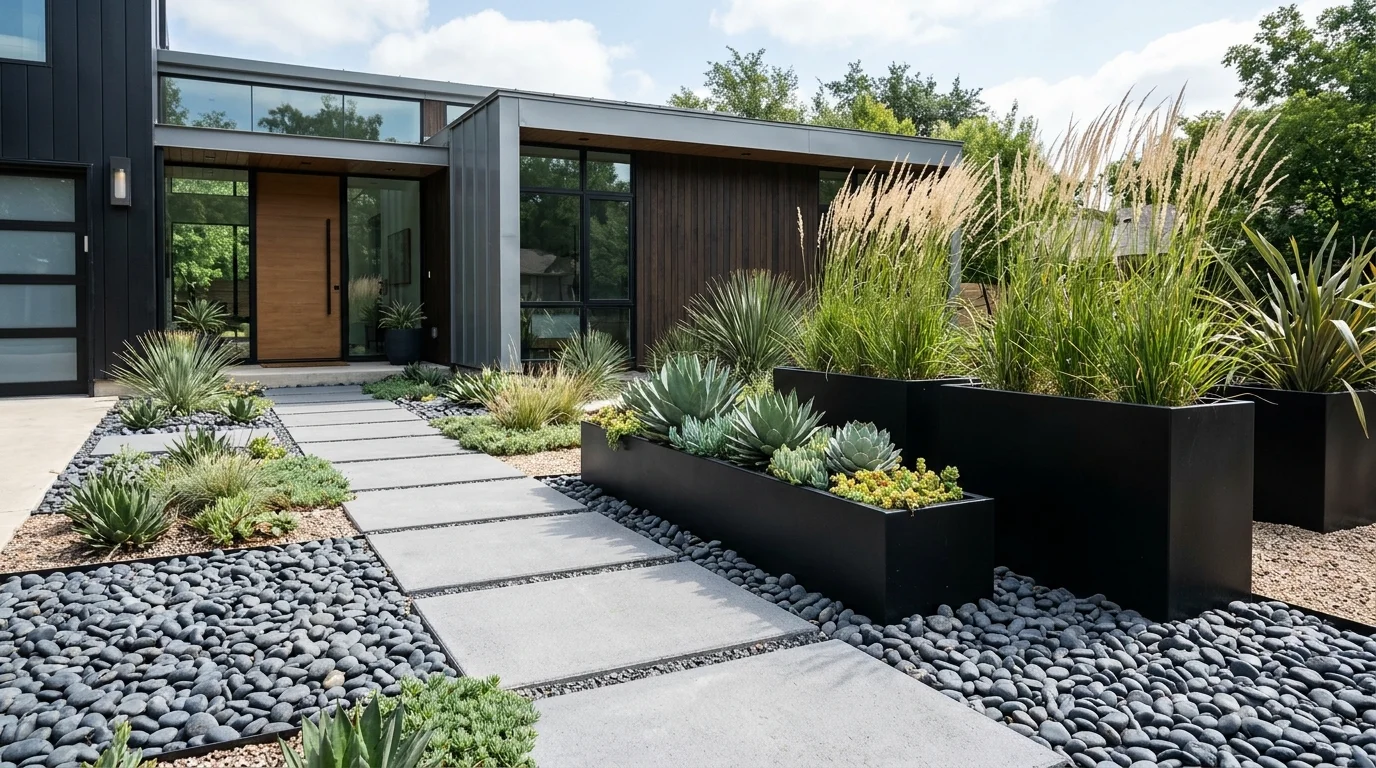
Modern minimalism is all about "less is more." This design philosophy focuses on clean lines, a limited color palette, and a strong emphasis on structure and form. Instead of a riot of colors, a minimalist garden uses different shades of green and varied textures to create visual interest. Hardscaping plays a massive role here. Using large-format concrete pavers separated by narrow strips of grass or decorative pebbles creates a rhythmic, organized feel.
In a minimalist front yard, every plant is chosen for its shape. Boxwood globes, upright "Karl Foerster" grass, and structural agave plants are popular choices. This style is particularly effective for contemporary or mid-century modern homes where the architecture is the star. It is also a low-maintenance option for busy homeowners, as the lack of invasive flower beds means less weeding and deadheading.
2. Cottage Charm

If minimalism is about restraint, the cottage garden is about abundance. This style is inspired by the rural gardens of England, characterized by a joyous, slightly chaotic mixture of flowering perennials, annuals, and shrubs. The goal is to create a soft, romantic look that feels like it grew naturally over decades.
To achieve this look, ditch the rigid rows. Plant in drifts and layers, placing taller hollyhocks and foxgloves at the back, followed by roses and lavender, and finishing with creeping thyme or alyssum at the borders. A cottage garden is a sensory experience; incorporate fragrant plants like jasmine or lilac to greet visitors with a wonderful scent. While it requires more maintenance than other styles—including regular watering and pruning—the payoff is a front yard that looks like a living painting.
3. Arid Xeriscaping
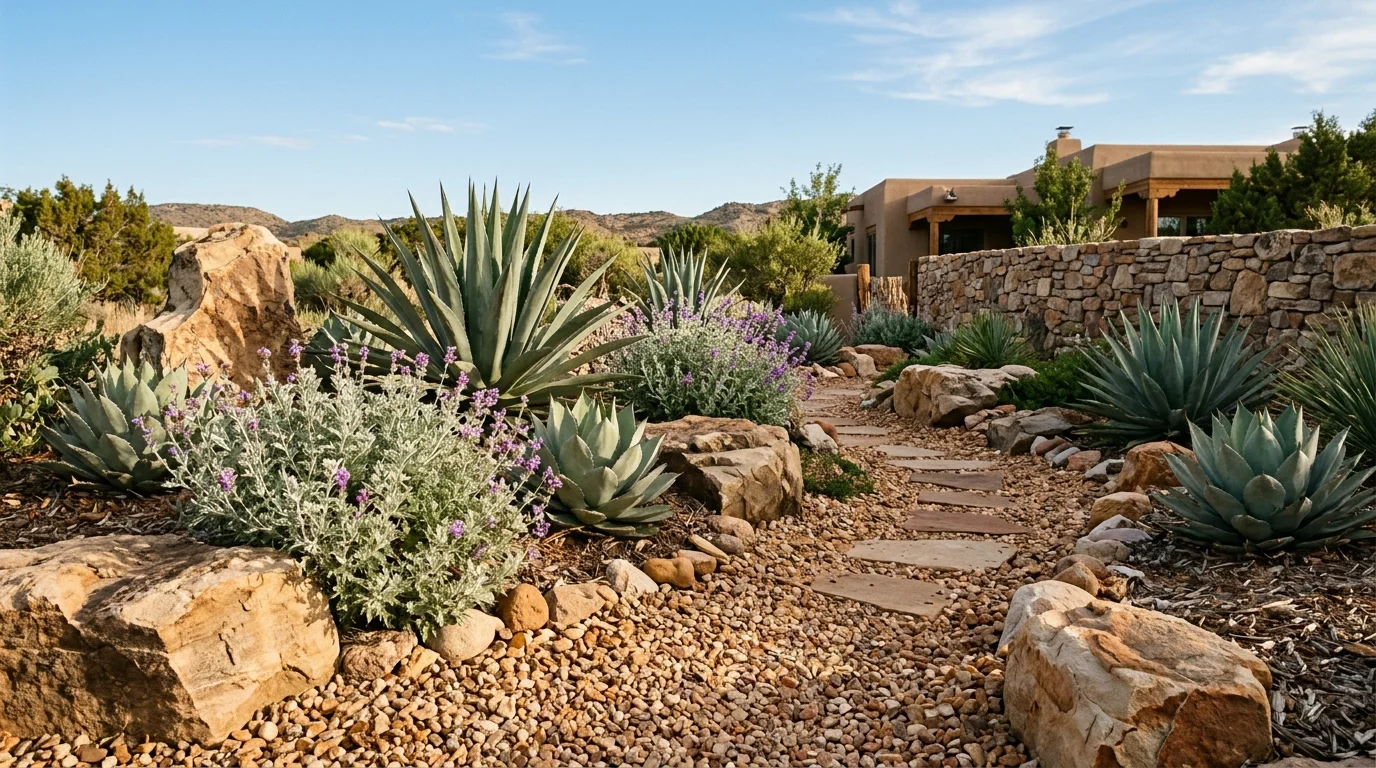
Xeriscaping is no longer just for the desert. As water conservation becomes a priority worldwide, this design style has gained popularity for its sustainability and striking aesthetic. Xeriscaping involves selecting drought-tolerant plants that thrive with minimal supplemental irrigation.
This design utilizes "dry creek beds" made of river rock to direct drainage and add visual texture. Instead of a thirsty lawn, homeowners use decomposed granite, wood mulch, or gravel. The plant palette includes stunning varieties like yuccas, blue fescue, and hardy succulents that offer unique shapes and colors without needing a drop of extra water once established. It’s a sophisticated, eco-conscious choice that looks beautiful year-round.
4. Grand Pathways
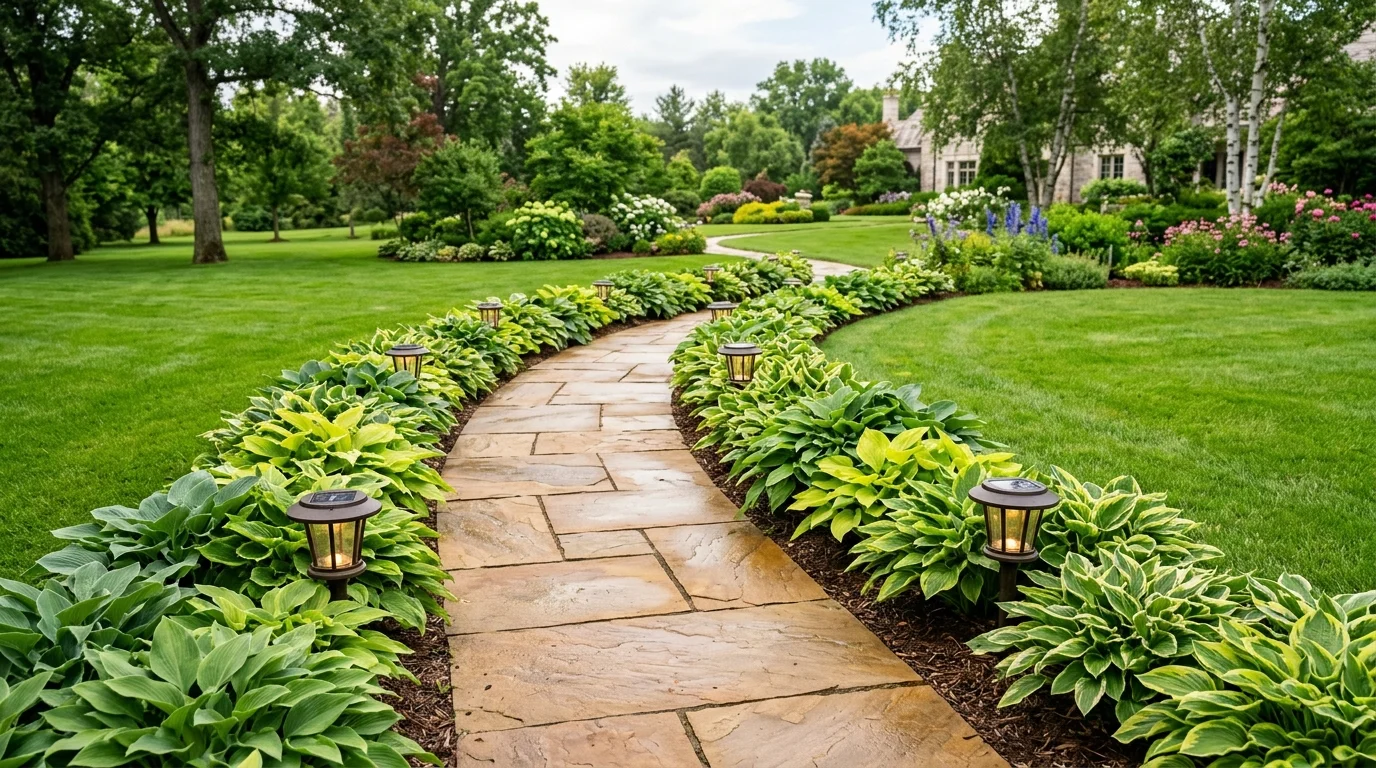
The path to your front door is the most important functional element of your front yard. Designing a grand pathway can transform an ordinary house into an estate. Moving away from the standard straight concrete sidewalk in favor of something with curve and character immediately elevates the look.
Materials like natural flagstone, brick pavers, or even reclaimed cobblestones add a sense of history and permanence. The width of the path is also crucial; a path that is at least four to five feet wide allows two people to walk side-by-side, creating a more welcoming atmosphere. Bordering the path with consistent low-growing plants like liriope or boxwood creates a "runway" effect that draws the eye directly to your entryway.
5. Vertical Accents

When horizontal space is limited, look up. Vertical gardening is an excellent way to add depth and "greenery" without encroaching on your walking space. This is especially useful for townhomes or houses with small setbacks.
Vertical accents can be structural, such as a beautiful cedar trellis or a wrought-iron arbor over the gate. Climbing plants like clematis, climbing roses, or wisteria can turn a flat wall into a vertical meadow. Additionally, using "fastigiate" trees—trees that grow tall and narrow—can provide privacy and height without overshadowing the entire yard. These vertical elements act as the "walls" of your outdoor room, making the space feel more intentional and enclosed.
6. Edible Landscapes
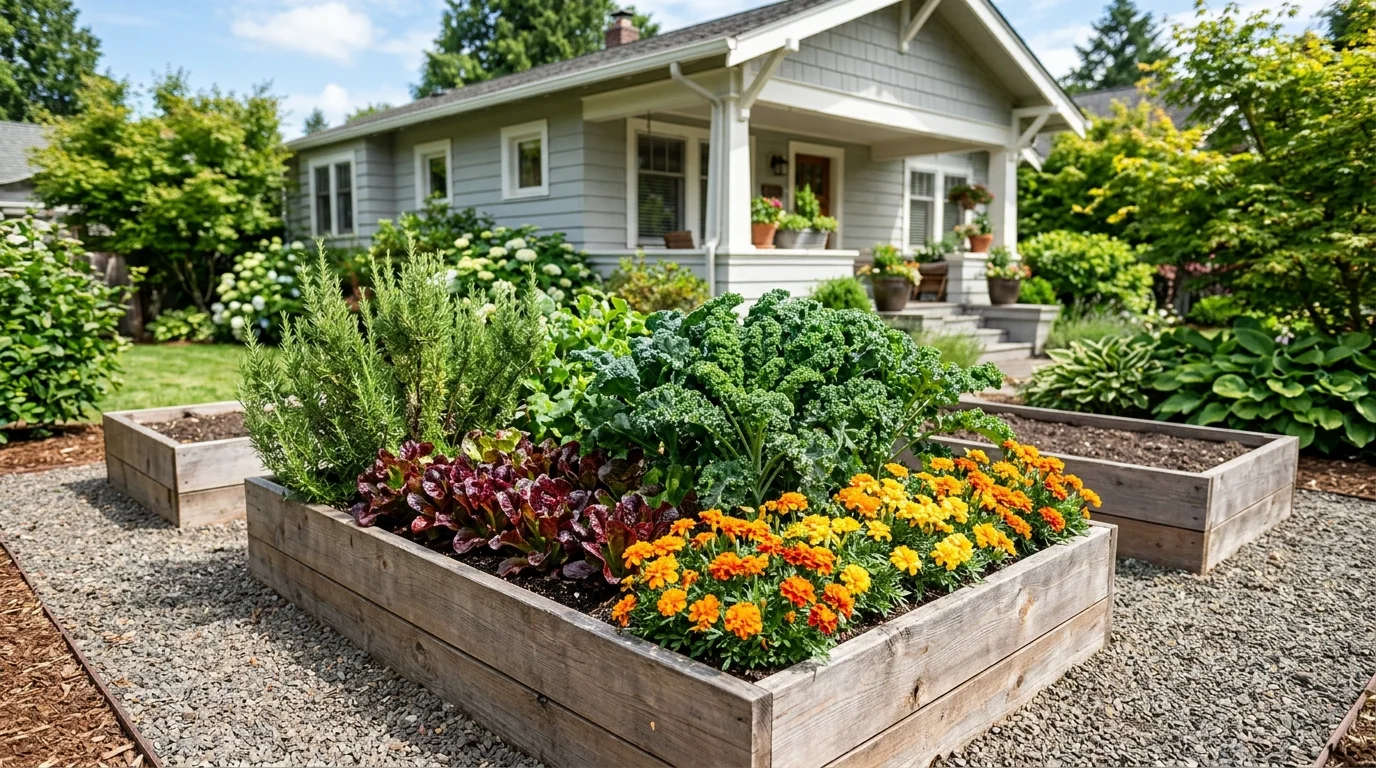
The "food forest" movement is moving from the backyard to the front. "Edimentals"—plants that are both edible and ornamental—are a fantastic way to make your front yard work for you. Many vegetables and herbs are stunningly beautiful. Rainbow chard, purple basil, and curly kale provide incredible color and texture that rivals many traditional ornamental plants.
Integrating edible plants into your front yard design can be done subtly by tucking herbs like rosemary and thyme into flower beds, or boldly by replacing a section of the lawn with stylish raised beds. Fruiting shrubs like blueberries (which have beautiful fall foliage) or dwarf citrus trees in large pots can serve as focal points while providing a fresh harvest.
7. Statement Trees
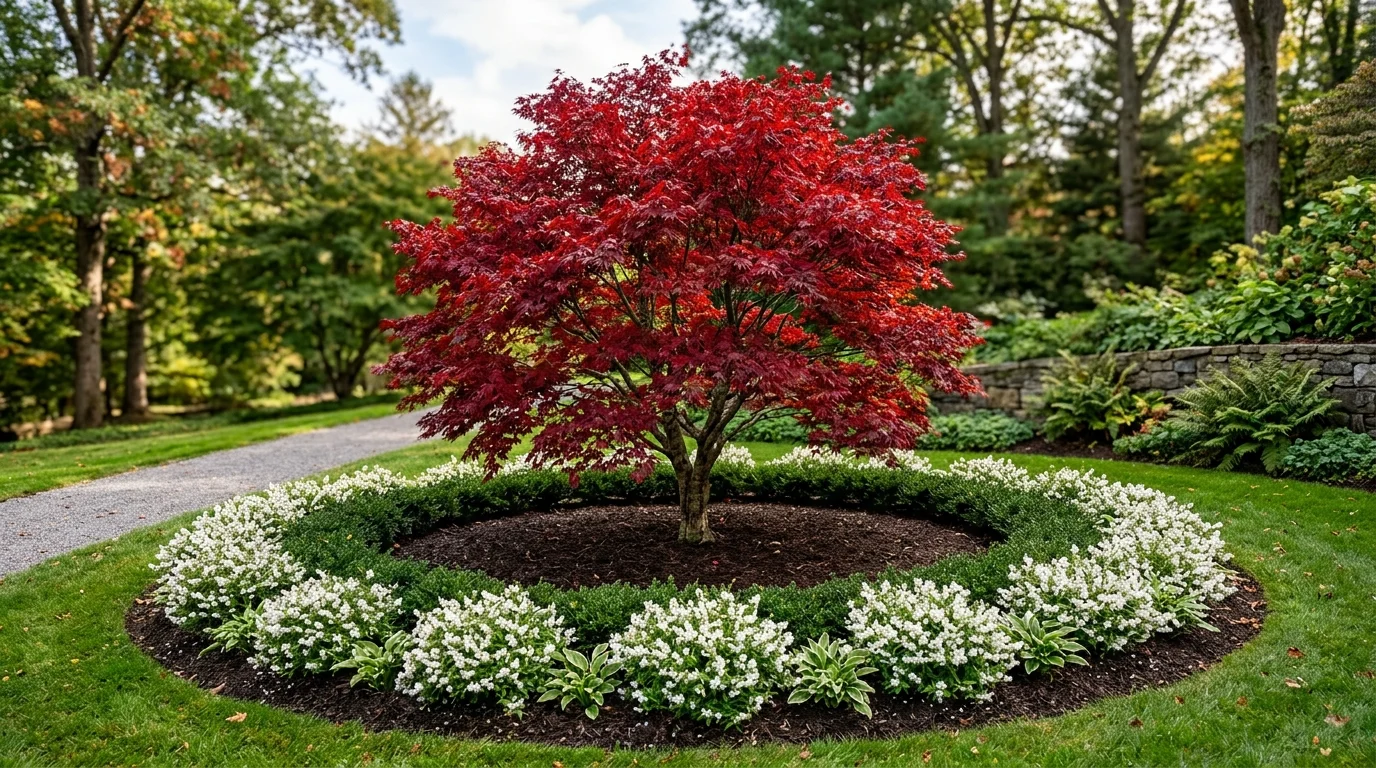
Every great garden needs a focal point, and nothing performs this role better than a specimen tree. A statement tree provides a sense of scale and serves as an anchor for the rest of your plantings. When choosing a tree for your front yard, consider its year-round interest—does it have spring blossoms, interesting bark in the winter, or spectacular fall color?
Small to medium-sized trees like the Japanese Maple, Flowering Dogwood, or Saucer Magnolia are ideal because they won't grow large enough to damage your home’s foundation or block the view entirely. Placing a spotlight at the base of the tree to shine upward at night creates a dramatic "moonlight" effect, extending the beauty of your garden into the evening hours.
8. Tiered Terracing
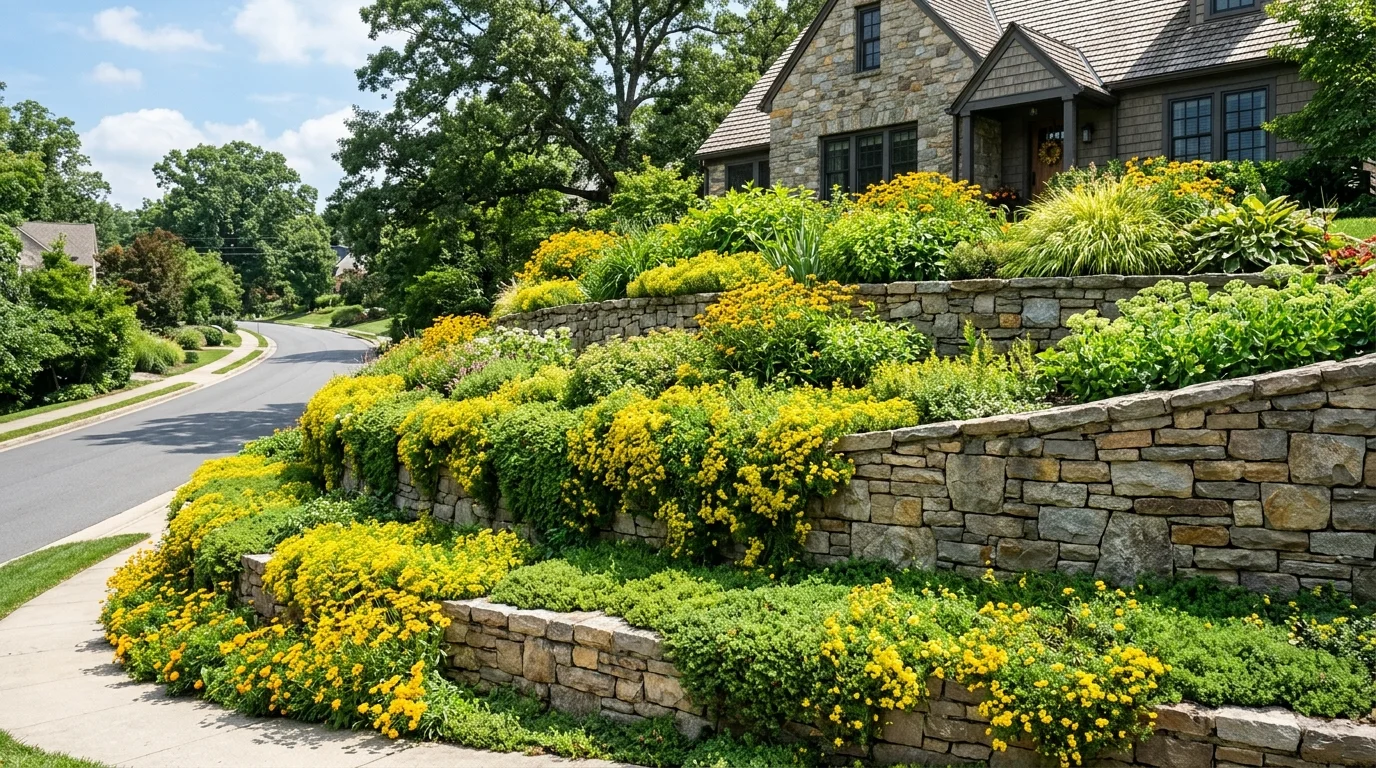
If you have a sloped front yard, you might feel limited by the terrain. However, a slope is actually a golden opportunity for tiered terracing. By using retaining walls made of stone, timber, or concrete blocks, you can create flat "shelves" of planting space that prevent erosion and make maintenance much easier.
Terraced gardens allow for incredible variety. You can have a different theme on each level or use cascading plants like creeping phlox or "Silver Falls" dichondra to drape over the edges of the walls, softening the hard lines. Terracing adds a sense of grandeur and architectural complexity that flat yards simply cannot match.
9. Mediterranean Style
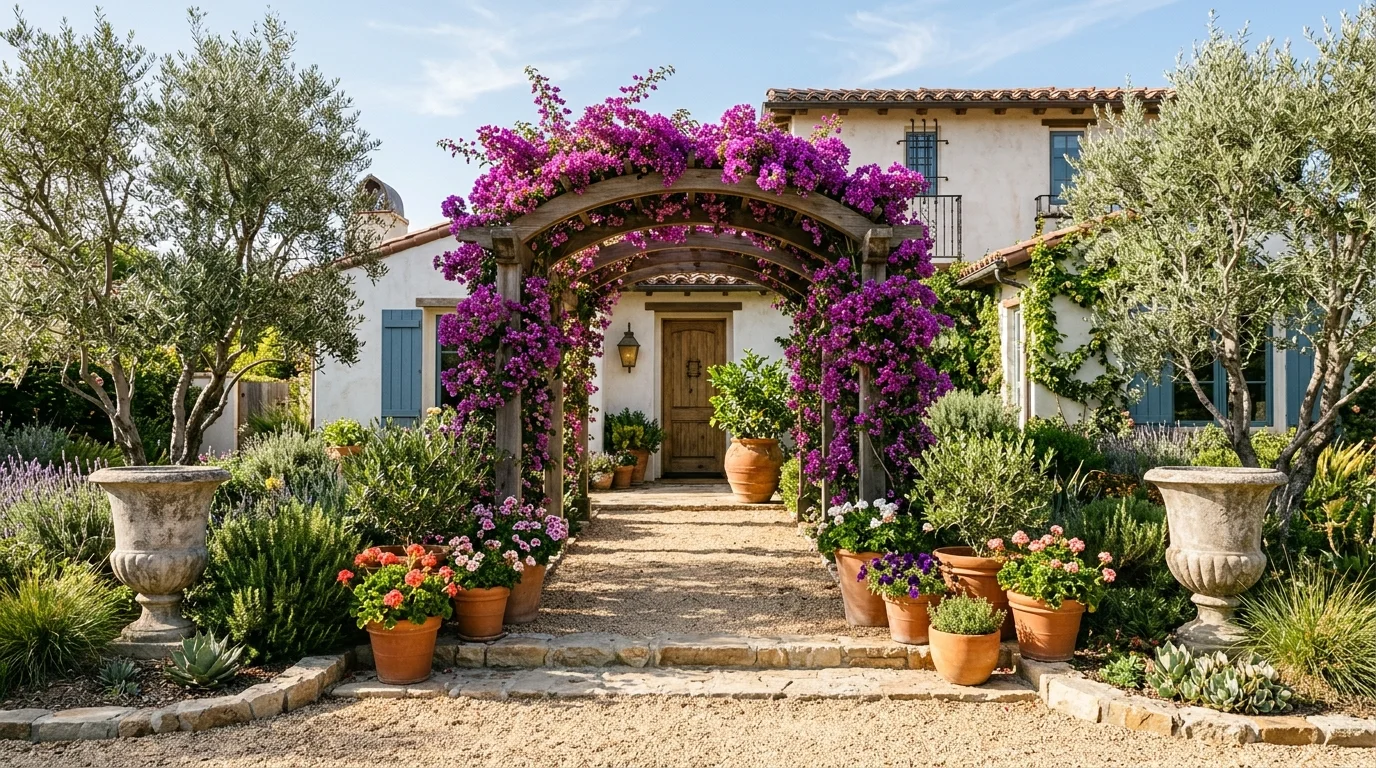
Inspired by the coastal gardens of Italy, Greece, and Spain, the Mediterranean style is perfect for sunny, hot locations. This look relies heavily on earth tones—terracotta, beige, and warm stone—complemented by the silvery-green foliage of drought-tolerant plants.
Key elements include large clay pots as focal points, gravel paths that crunch underfoot, and a mix of herbs like lavender, sage, and oregano. Mediterranean gardens often incorporate a water feature, like a simple stone wall fountain, to provide a cooling sound and atmosphere. It’s a sophisticated, relaxed style that feels like a permanent vacation.
10. Secret Seating

Who says the backyard is the only place to sit? Adding a seating area to your front yard makes your home feel more approachable and neighborly. It changes the yard from something you just look at to something you actually inhabit.
A simple wooden bench, a pair of Adirondack chairs, or even a small bistro set can create a charming "destination" in your garden. For privacy, surround the seating area with mid-height shrubs or ornamental grasses. This "secret nook" becomes the perfect spot for watching the world go by or chatting with neighbors as they walk their dogs, fostering a sense of community.
Design Principles for Success
Creating a stunning front yard involves more than just picking pretty plants. Keep these three principles in mind:
- Scale and Proportion: Ensure your plants won't grow so large they hide your windows or door. Conversely, don't use tiny plants for a massive, two-story home, or they will look lost.
- Color Palette: Limit your palette to three or four colors that complement your home's exterior paint. For example, a blue house looks stunning with yellow and white flowers.
- Lighting: Don't forget the "nighttime look." Path lights, spotlights on trees, and "wash" lights on the front of the house ensure your garden looks beautiful 24/7 and adds a layer of security.
Conclusion
- Your front yard is an extension of your home’s soul. Whether you lean toward the structured elegance of modern minimalism, the wild romance of a cottage garden, or the eco-friendly resilience of a xeriscape, the goal is to create a space that brings you joy every time you pull into the driveway. By focusing on quality materials, thoughtful plant selection, and a touch of personal flair, you can transform a simple patch of grass into a stunning landscape that truly boosts your home’s first look.
Frequently Asked Questions
How can I improve my front yard on a tight budget?
The most cost-effective way to boost curb appeal is through "editing" and maintenance. Edge your lawn for a crisp line, apply a fresh layer of dark mulch to unify your beds, and prune any overgrown bushes. Adding a few high-impact pots near the front door or painting your front door a bold color can also make a massive difference for very little money.
What are the best low-maintenance plants for a front yard?
Look for "set it and forget it" plants like ornamental grasses, evergreen shrubs (like Boxwood or Juniper), and hardy perennials like Sedum or Daylilies. Always check your USDA hardiness zone to ensure the plants can survive your local winters and summers without constant intervention.
How do I choose between a lawn and a garden?
Lawns are great for kids and pets, but they require frequent mowing, fertilizing, and watering. Gardens offer more visual interest and biodiversity. Many modern designs choose a "hybrid" approach: a smaller, neatly edged patch of lawn surrounded by deep, lush garden beds. This reduces maintenance while keeping that classic green look.