

A raised bed can turn even a small, tired corner of your garden into the most productive spot you own. You control the soil, the weeds stay manageable, and everything — from tomatoes to marigolds — grows within easy reach. But the real secret of a great raised bed is not the box itself. It is the layout you plant inside it.
In this guide you will find simple, proven raised bed layout ideas for vegetables and flowers, the sizes that actually work, a soil mix that feeds plants all season, and the mistakes that quietly ruin first attempts. Whether you have one small bed or a whole row of them, you can copy these layouts directly.
Why Raised Beds Grow Better Than Ground Beds
 img2-12738271.jpg 583.2 KBRaised beds solve the three problems that frustrate most home gardeners. First, the soil never gets walked on, so it stays loose and full of air — roots grow deeper and plants grow faster. Second, you fill the bed with good soil from day one instead of fighting clay, stones or sand for years. Third, drainage is built in: extra water escapes instead of drowning your plants after heavy rain.
There is also a comfort factor nobody talks about. A bed that stands 30 to 45 cm high means less bending, easier weeding and harvesting without muddy knees. Once you garden in a raised bed for one season, going back to ground rows feels like hard labour.
The Best Raised Bed Sizes and Layout Basics
 img3-7763709.jpg 140.38 KBBefore choosing a planting layout, get the frame right. The golden rule is width: never make a bed wider than 120 cm (4 feet). That is the farthest you can comfortably reach into the middle from either side without stepping on the soil. Length is flexible — 240 cm (8 feet) is the most common and fits standard timber.
Height depends on your soil and your back. A 30 cm bed works on decent ground; go 45 to 60 cm if your ground is rocky, waterlogged or full of roots, or if bending is difficult. Leave paths of at least 60 cm between beds so a wheelbarrow and your knees both fit.
Sun is the other basic. Vegetables and most flowers need 6 to 8 hours of direct sun, so place beds where buildings and trees do not shade them, and run long beds north to south so tall plants do not shade short ones.
Layout Idea 1: Classic Rows for Easy Vegetables
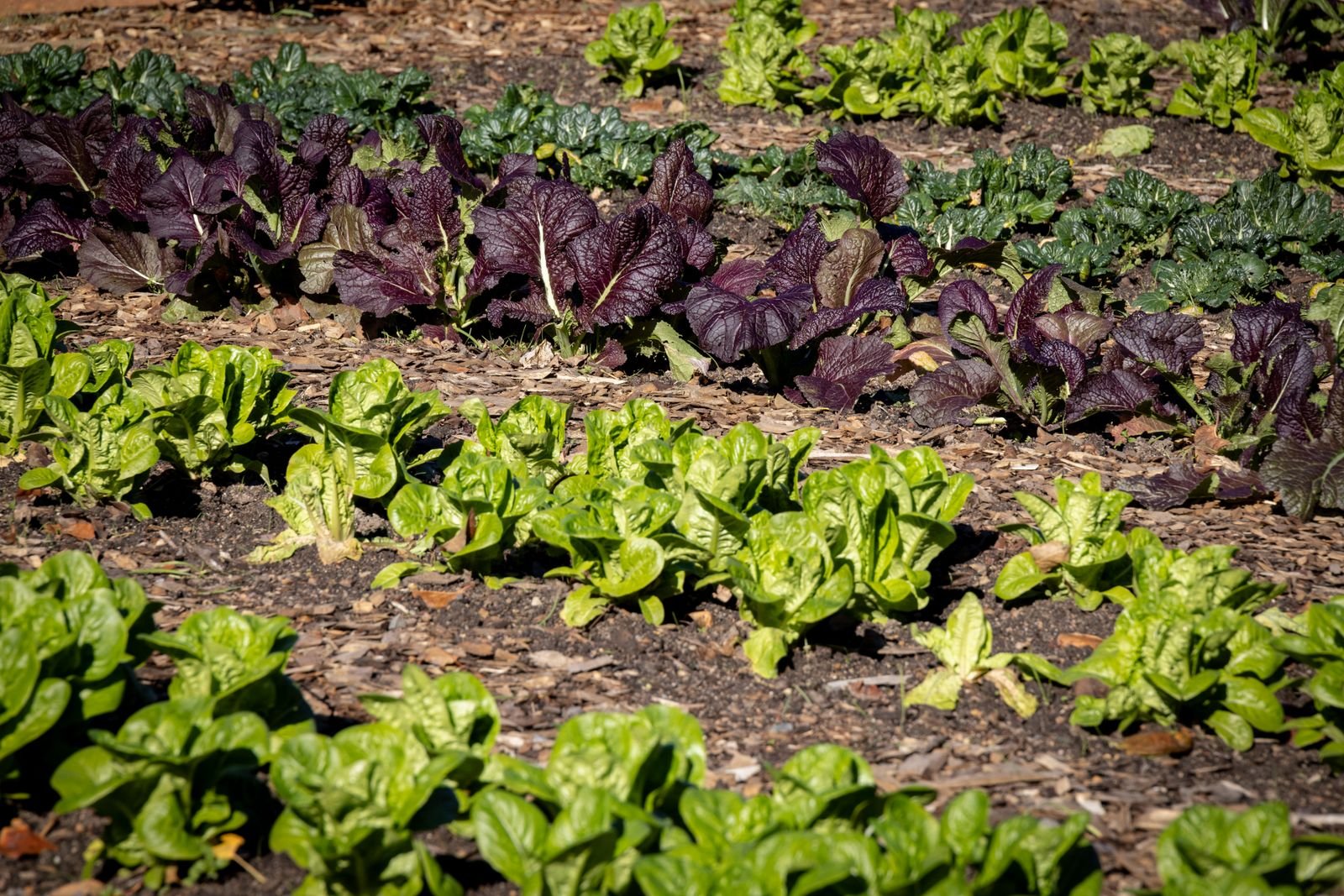 img4-38279065.jpg 442.49 KBThe simplest layout is still the most reliable. Divide the bed into straight rows running along its length, with 20 to 30 cm between rows depending on the crop. Leafy vegetables like lettuce, spinach and coriander sit happily in tight rows; carrots and radishes need a little more room; onions and garlic fit almost anywhere.
Rows make watering, weeding and harvesting predictable, which is why beginners should start here. Plant one vegetable per row, label each row with its sowing date, and you will always know what is coming up where — no mystery seedlings, no wasted space.
Layout Idea 2: Square Foot Grid for Maximum Harvest
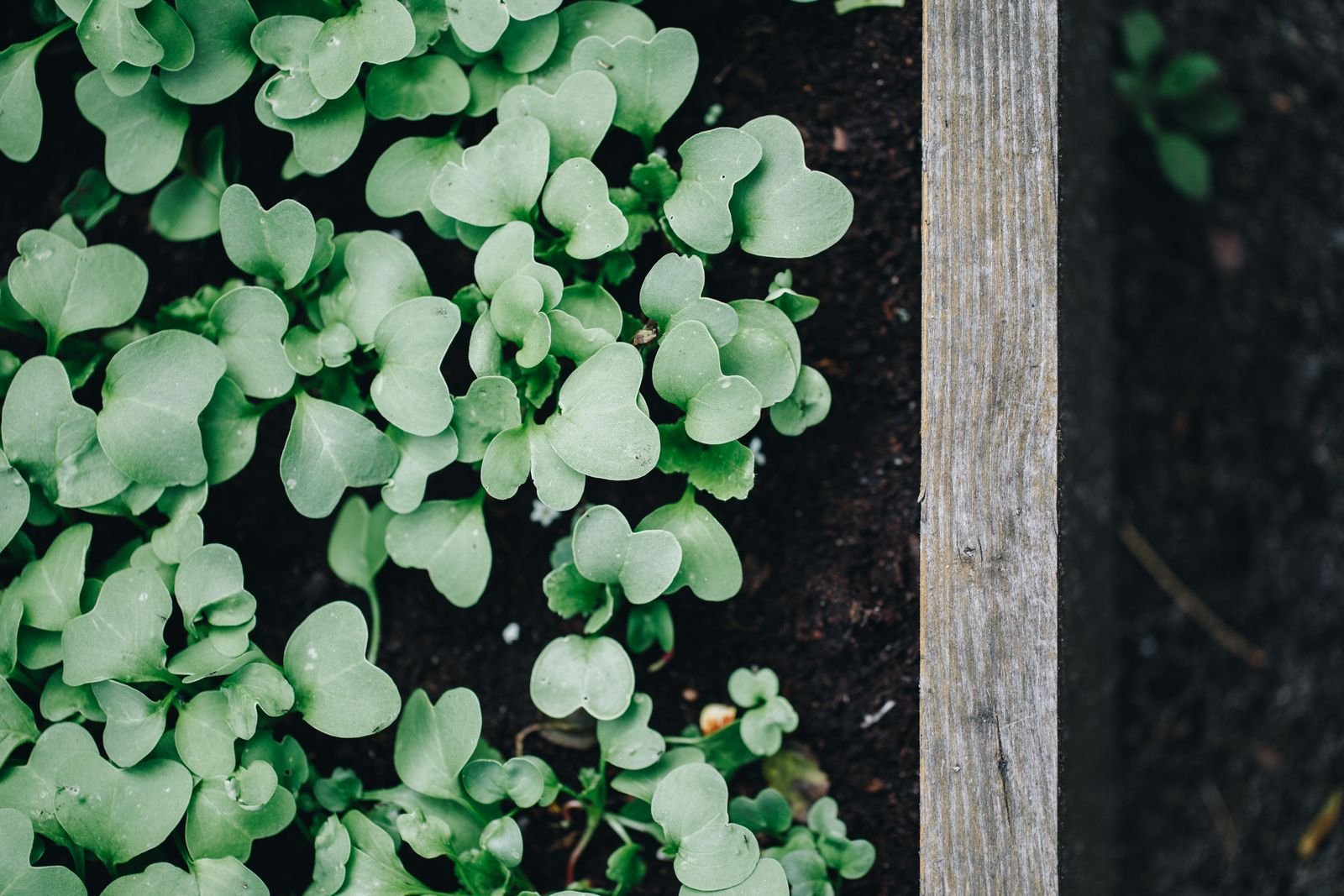 img5-4390611.jpg 244.02 KBIf your space is small, the square foot method squeezes the most food out of every bed. Divide the bed into 30 × 30 cm squares with string or thin wooden laths. Each square holds a set number of plants based on their size: one tomato or cabbage, four lettuces, nine spinach plants or sixteen carrots or radishes.
The grid looks tidy, wastes almost no space, and makes succession planting easy — when one square is harvested, you refill that single square with the next crop. For a family kitchen garden, two grid beds can supply salad leaves and herbs for most of the year.
Layout Idea 3: U-Shaped and Keyhole Beds for Bigger Gardens
 img6-27033658.jpg 546.61 KBWhen you join several beds together, a U-shape or keyhole layout gives you more planting area with less path. Three beds arranged in a U let you stand in the middle and reach plants on three sides. A keyhole bed — a round or rectangular bed with a notch cut into one side — works the same way in a single structure.
These layouts suit gardeners who want one large growing zone instead of many small boxes. Keep the arms of the U no wider than 120 cm, and make the inner path wide enough to turn around with a watering can.
Layout Idea 4: Mix Vegetables and Flowers in One Bed
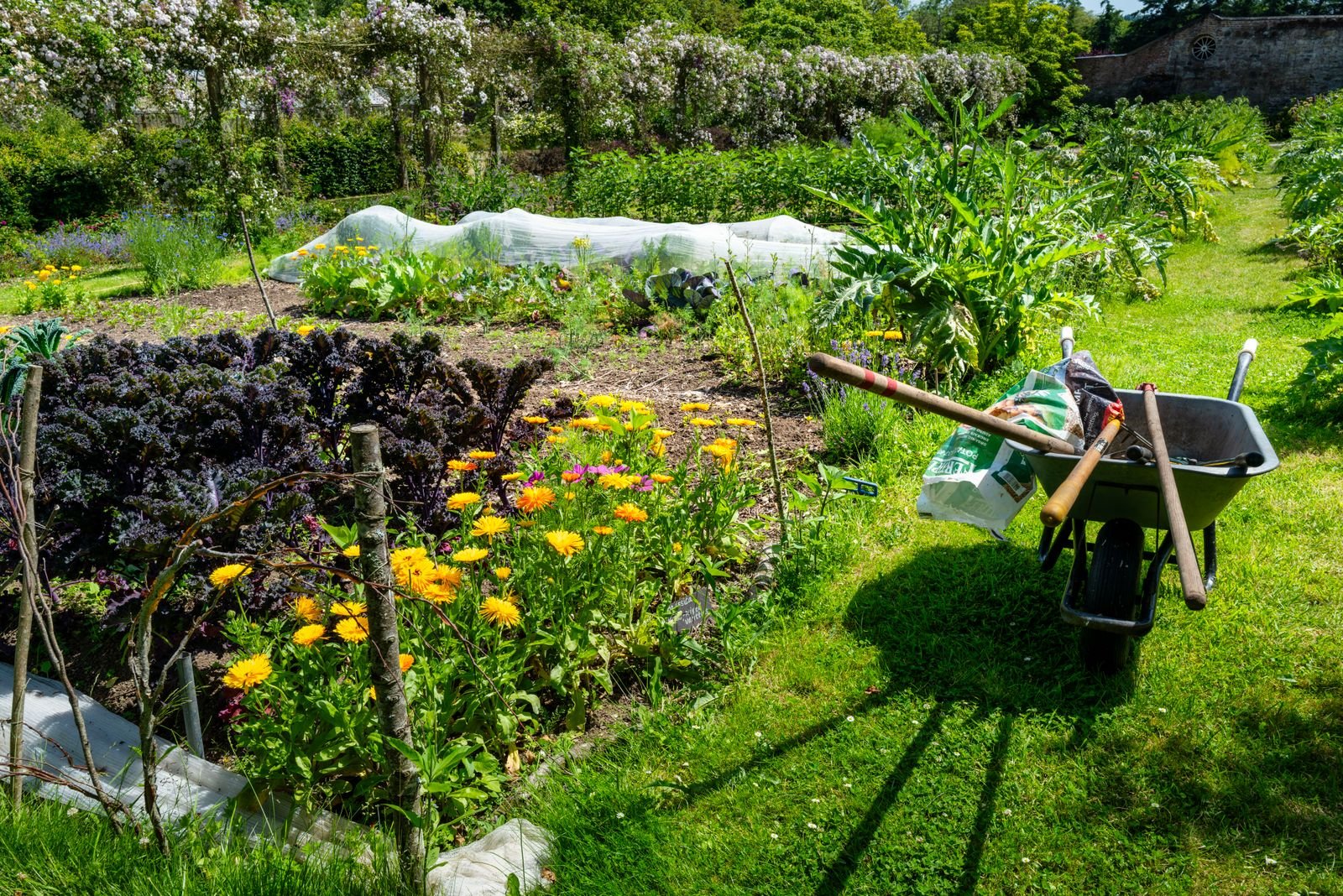 img7-38585885.jpg 666.06 KBThe prettiest raised beds — and often the healthiest — mix vegetables and flowers together. This is companion planting in action. Marigolds planted beside tomatoes help discourage pests in the soil. Calendula and nasturtiums attract bees that pollinate your beans, cucumbers and chillies, and nasturtiums also lure aphids away from your crops.
A simple pattern that works: vegetables in the centre rows, a border of low flowers around the edges. The flowers soften the look of the bed, bring in pollinators all season, and many of them — calendula, nasturtium, borage — are edible too. A bed like this feeds the family and looks like it belongs in a magazine.
Layout Idea 5: Tiered and Corner Beds for Small Spaces
 img8-41039249.jpg 610.79 KBNo room for a full bed? Build upwards. Tiered beds — two or three levels stepping down like stairs — fit into corners and against walls, and each level suits different plants:
deep-rooted vegetables on the lowest, biggest tier, herbs and strawberries on the sunny top.
Corner beds shaped as triangles or L-shapes rescue the awkward spots of a garden that nothing else fits. Fill them with flowers and trailing plants like petunias, and a dead corner becomes the spot everyone notices first.
What to Plant Where: A Simple Plan That Works
 img9-9660868.jpg 445.61 KBWhatever layout you choose, follow three placement rules. Put tall plants — tomatoes, sweet corn, climbing beans and peas — on the north side of the bed so they do not shade the rest. Put medium plants like peppers, cabbage and marigolds in the middle. Put low and trailing plants — lettuce, radish, strawberries, herbs — along the sunny front edge.
Then think in seasons, not just space. Fast crops like radish and lettuce can grow between slow crops like cabbage and be harvested before the big plants need the room. When one crop finishes, something else should be ready to take its place the same week. A raised bed should never sit empty in the growing season.
The Soil Mix and Watering Routine Raised Beds Need
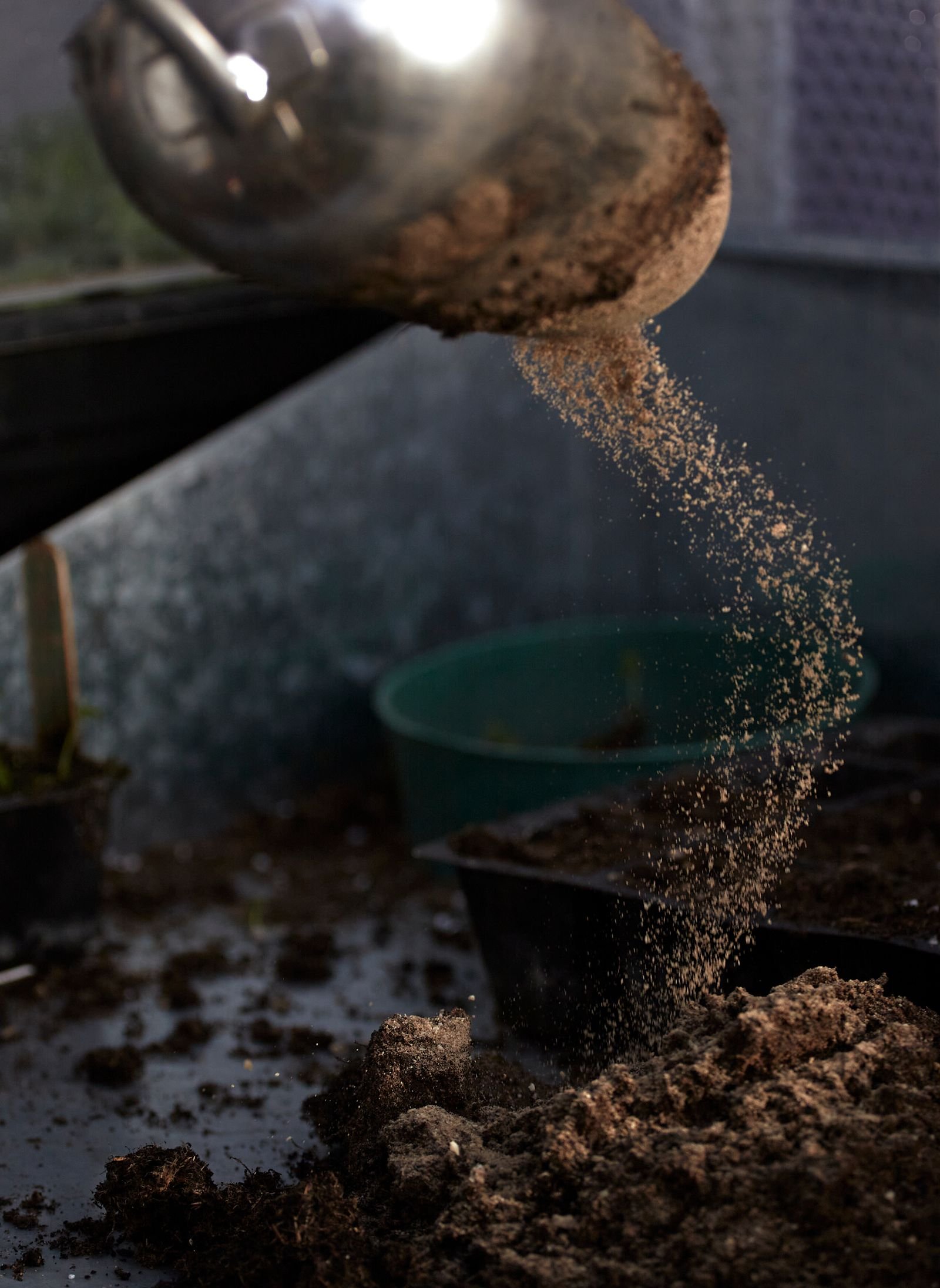 img10-10912892.jpg 303.97 KBRaised bed soil is a mix, not plain garden earth. A mix that works almost everywhere is one-third topsoil, one-third compost, and one-third loose material like coco peat or leaf mould. This gives you drainage, nutrition and a texture roots love. Top the bed up with 3 to 5 cm of fresh compost every season, because the level sinks as the organic matter breaks down.
Watering needs a little more attention than ground beds, because raised soil dries faster. Water deeply two or three times a week rather than a small sprinkle every day, and mulch the surface with straw or dry leaves to hold moisture in. In hot climates, morning watering keeps plants ahead of the afternoon heat.
Common Raised Bed Mistakes to Avoid
 img11-7603290.jpg 655.75 KBMost raised bed failures come from a short list of avoidable mistakes. Making the bed too wide, so you step on the soil and compact it. Filling it with cheap, heavy soil that turns to brick by mid-season. Planting too much at once, so everything ripens in the same week and the bed sits empty after. Forgetting that tall plants shade small ones. And skipping mulch, then blaming the weather when the bed dries out daily.
Avoid these five, and your first raised bed will most likely outperform any ground bed you have grown in before.
Final Thoughts
A raised bed layout does not need to be complicated to be productive. Start with one bed, 120 × 240 cm, planted in simple rows or a square foot grid. Mix in a border of marigolds, keep the soil rich and mulched, and plan each space twice — what grows there now, and what follows it. By the end of one season you will understand your space, your soil and your appetite, and the second bed you build will be even better than the first.
Frequently Asked Questions
How deep should a raised bed be for vegetables?
Most vegetables grow well in 30 cm of soil. Root crops like carrots and potatoes do better with 45 cm, and beds placed on concrete should be at least 45 cm deep for everything.
What wood is best for raised beds?
Naturally rot-resistant timber, bricks, stone or galvanised metal all work. Avoid old railway sleepers and treated wood of unknown origin near food crops.
Can I put a raised bed directly on grass?
Yes. Line the bottom with cardboard to smother the grass, then fill with your soil mix. The cardboard rots away while the grass dies underneath.
How many raised beds does a family need?
Two to three beds of 120 × 240 cm supply a steady flow of salad, herbs and seasonal vegetables for most families. Start with one or two and expand once you know your routine.