
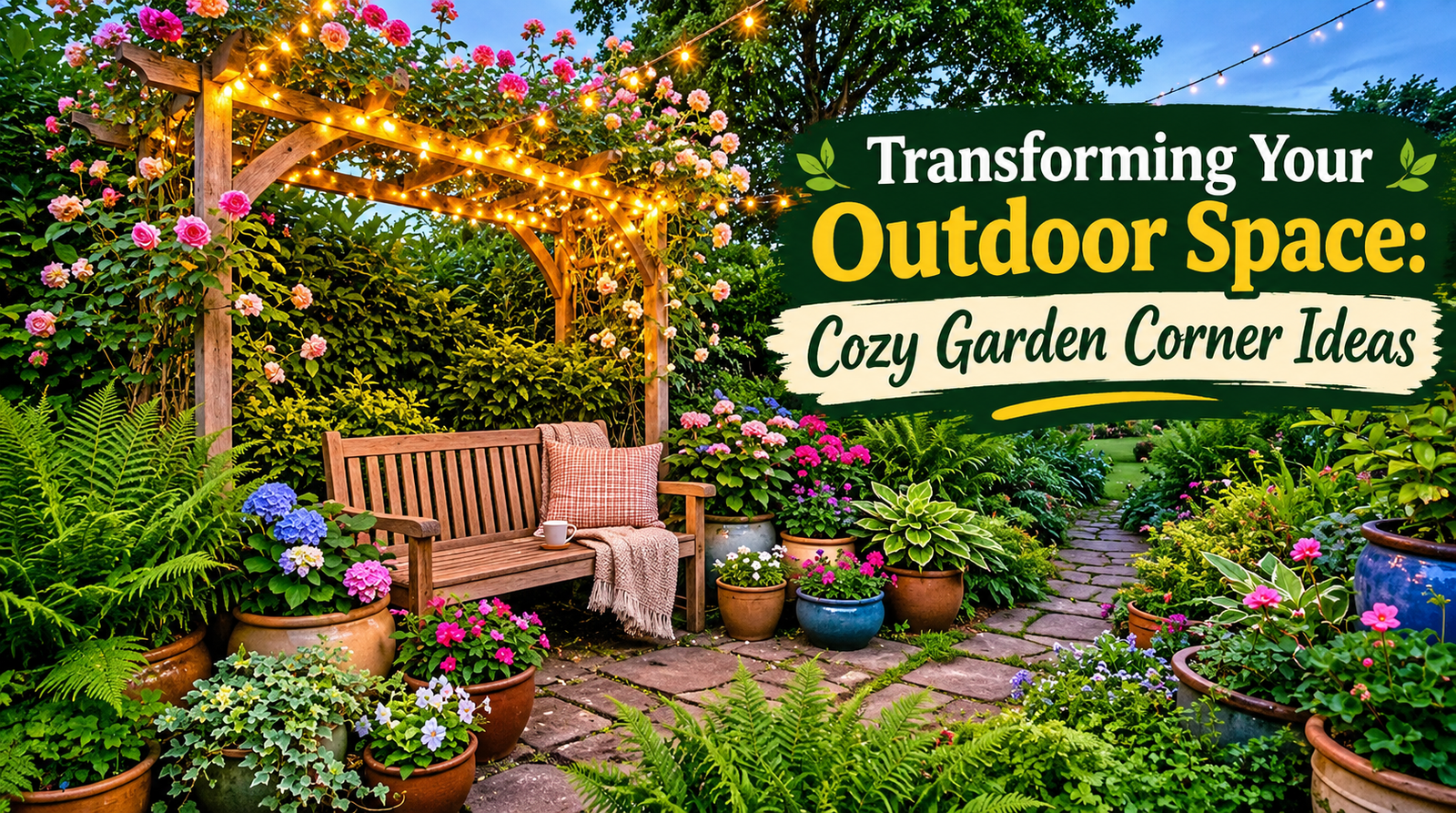
Creating a personal sanctuary in your backyard or on your balcony doesn't require a complete landscape overhaul. Often, the most enchanting spaces are the smallest ones—those tucked-away corners where the air feels still and the surroundings feel intimate. By focusing on three fundamental elements—pots, lights, and greenery—you can transform a neglected patch of grass or a bare concrete corner into a "hygge" haven. This guide explores the art of the garden corner, offering practical strategies to elevate your outdoor living experience through thoughtful design and atmospheric layering.
1. Vertical Layers
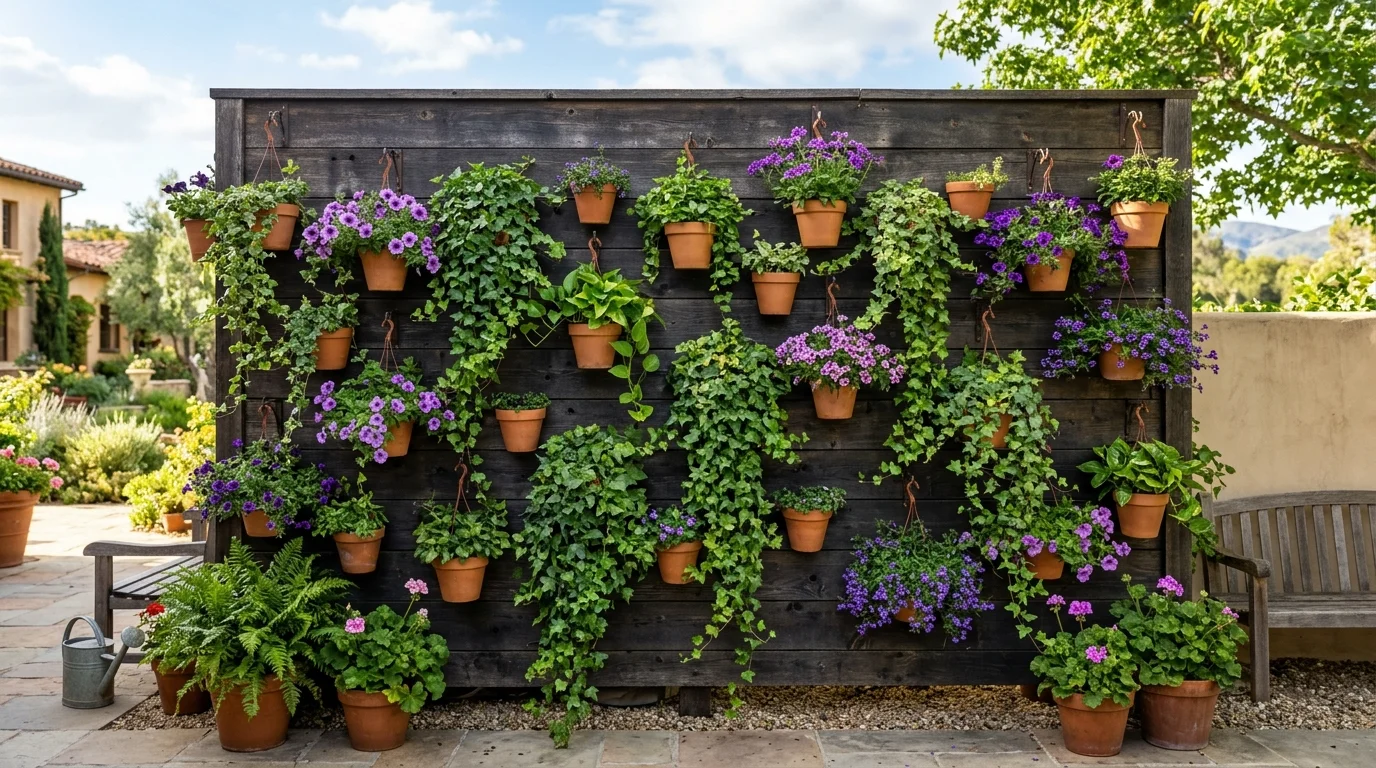
In a small garden corner, floor space is a premium commodity. The most effective way to create a sense of abundance without cluttering the ground is to utilize vertical space. Vertical layering involves placing plants at different heights to draw the eye upward and create a "cocoon" effect. You can achieve this by using multi-tiered wooden shelving units, wall-mounted ring holders for pots, or even repurposed wooden pallets.
When selecting plants for vertical displays, consider "spillers"—plants that cascade over the edges of their containers. Creeping Jenny, String of Pearls, or silver-toned Dichondra 'Silver Falls' create a living waterfall effect that softens the hard edges of walls and fences. By mixing these trailing varieties with upright plants like Snake Plants or small ornamental grasses, you create a dynamic silhouette that feels lush and established.
2. String Illumination

Lighting is the "magic wand" of garden design. While bright floodlights are functional, they destroy the intimacy of a cozy corner. Instead, focus on low-intensity, warm-toned string lights. Festoon lights—those with larger, vintage-style bulbs—offer a classic Mediterranean café aesthetic and provide a substantial amount of ambient glow.
For a more delicate look, copper wire fairy lights can be wrapped around tree branches, woven through trellis panels, or stuffed into empty glass jars to create "firefly" lanterns. The key is to avoid a single light source. By crisscrossing string lights above the seating area, you create a "ceiling" of light that makes the outdoor space feel like a defined room. Solar-powered options are ideal for corners far from an electrical outlet, ensuring your sanctuary glows automatically as the sun sets.
3. Texture Play
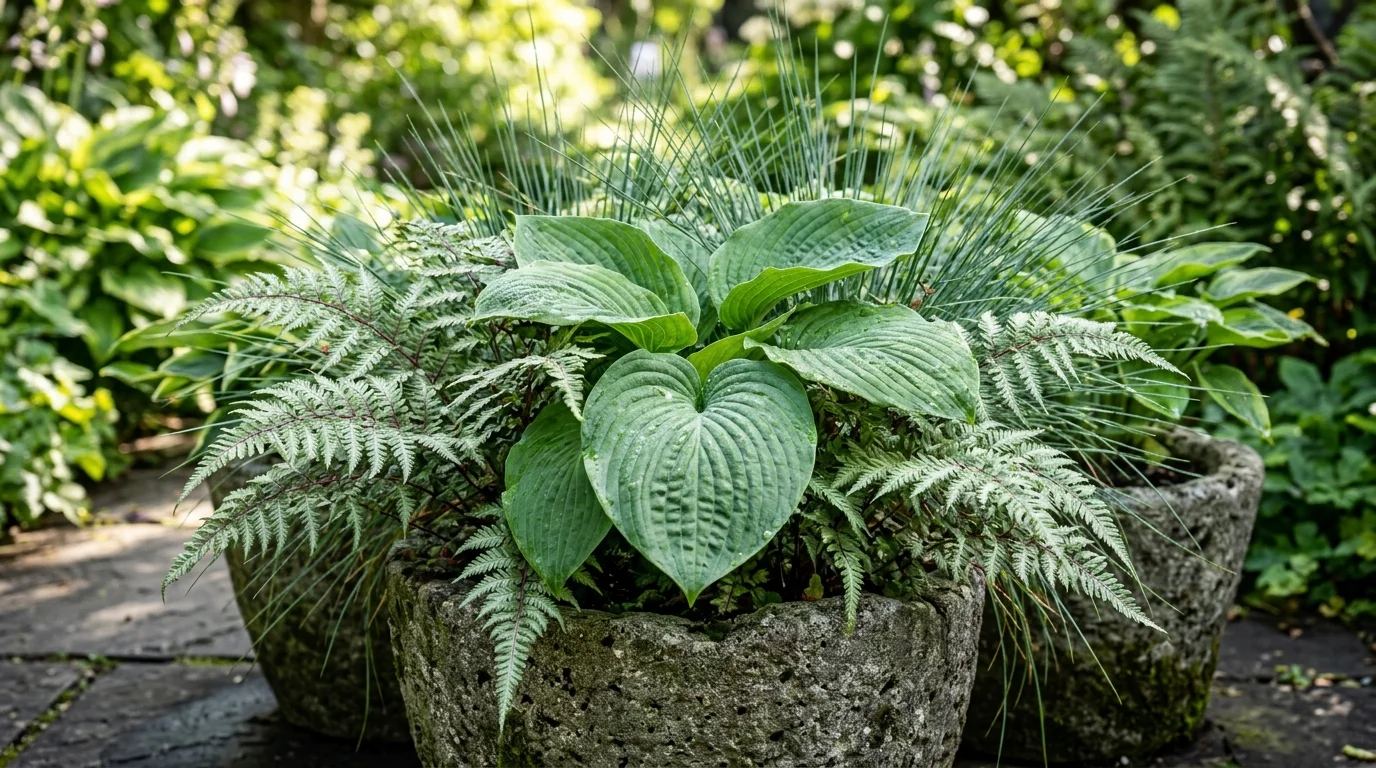
A common mistake in garden corners is choosing plants that all look the same. To create visual depth, you must play with texture. Think of your plants as fabric: some are velvet, some are lace, and some are corduroy. Contrast the massive, waxy leaves of a Hosta or a Monstera (in warmer climates) with the delicate, airy fronds of a Maidenhair Fern or the fine needles of a Dwarf Coniferous shrub.
Texture also extends to the pots themselves. Mixing smooth, glazed ceramic pots with rough, sandy-textured stone or ribbed metal containers adds a tactile quality to the corner. This variety prevents the space from looking "flat" and gives the eye multiple points of interest to explore, making a small area feel much larger and more complex than it actually is.
4. Terracotta Tones

There is a reason terracotta has been a garden staple for centuries. Its warm, earthy hue complements almost every plant color, from the deep purples of Lavender to the bright silvers of Sage. In a cozy corner, grouping terracotta pots of varying sizes creates an instant sense of cohesion.
Beyond aesthetics, terracotta is breathable, which is excellent for the health of many Mediterranean herbs and succulents that dislike "wet feet." As these pots age, they develop a beautiful patina—sometimes even a thin layer of moss—which adds to the "secret garden" vibe. To make the arrangement look professional, use the "Rule of Three": group three pots of different heights together to create a balanced, triangular composition.
5. Lantern Glow
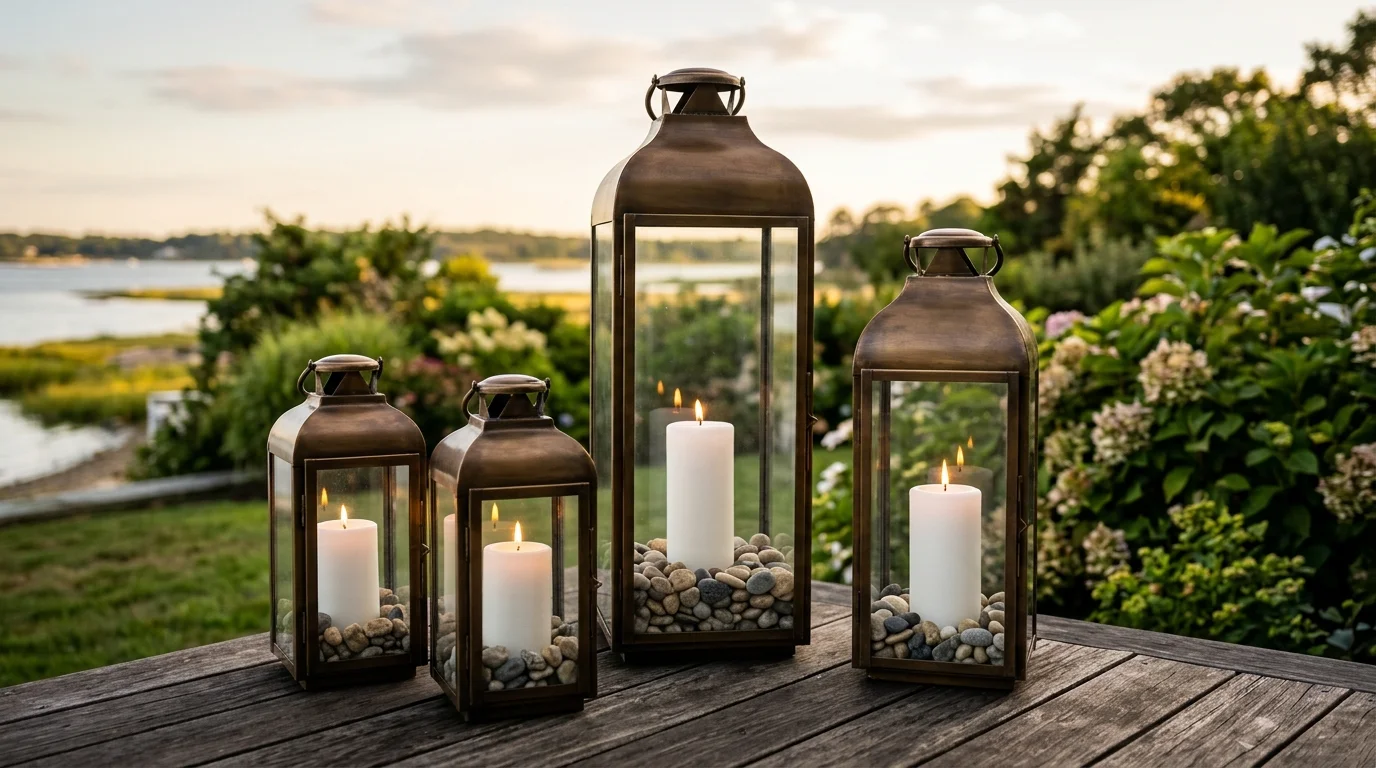
While string lights provide the overhead "ceiling," lanterns provide the essential ground-level "firelight." Placing large lanterns on the floor or on low side tables anchors the corner and provides a flickering, organic light source that modern LEDs can't quite replicate.
Use oversized lanterns made of wood, brass, or blackened steel. Inside, you can use traditional wax pillars for a genuine flame or high-quality LED candles with a flickering effect for a fire-safe, "set-it-and-forget-it" option. Filling the base of the lantern with river stones or sea glass can add an extra decorative touch. Placing lanterns at the entrance of your cozy corner serves as a visual invitation, drawing you and your guests into the space.
6. Seating Nooks
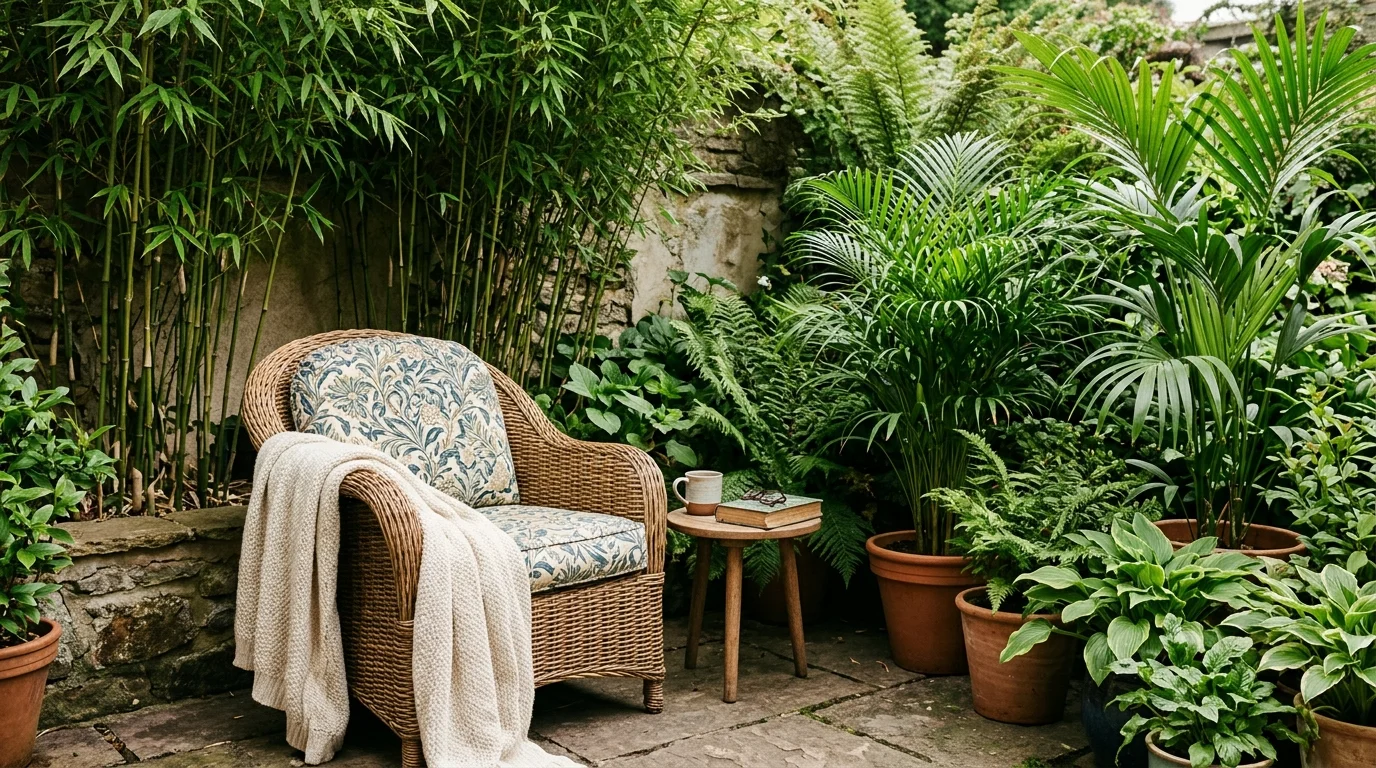
A garden corner is only as good as the seating it provides. The goal is "sinking" comfort. Instead of rigid plastic chairs, opt for materials that feel natural, such as wicker, rattan, or weather-treated wood. An egg chair—a hanging teardrop-shaped seat—is a particularly popular choice for corners because it provides a sense of enclosure and privacy.
To maximize the "cozy" factor, treat your outdoor seating like your indoor sofa. Add weather-resistant cushions in soft, neutral tones and keep a chunky knit throw blanket nearby for chilly evenings. By surrounding the chair with tall, leafy plants, you create a "green hug" that shields you from the wind and the prying eyes of neighbors, turning a simple chair into a true retreat.
7. Privacy Screens

Privacy is a prerequisite for relaxation. If your garden corner feels exposed, use greenery to build living walls. Tall, rectangular "trough" planters are perfect for this. You can plant them with fast-growing Bamboo (ensure it’s a clumping variety to prevent spreading), tall ornamental grasses like Miscanthus, or even a row of neatly trimmed Boxwood.
For a softer look, use a wooden trellis as a backdrop and grow climbing plants like Clematis, Star Jasmine, or Honeysuckle. These don’t just provide privacy; they also provide fragrance. Sitting in a corner surrounded by the scent of blooming jasmine while being shielded by a wall of green leaves creates an immersive sensory experience that disconnects you from the outside world.
8. Color Palettes
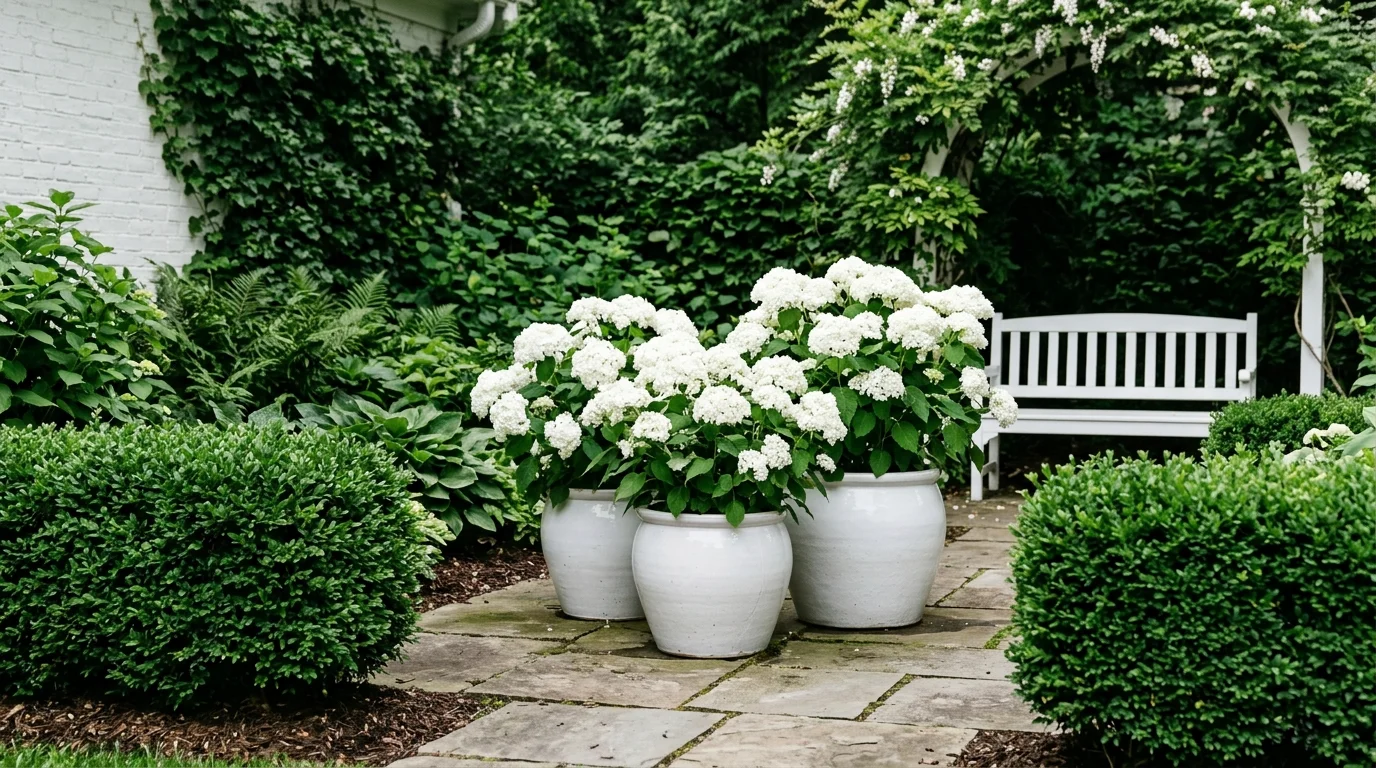
The color scheme of your plants and pots dictates the mood of the corner. For a serene, calming space, stick to a monochromatic palette of whites and greens. White flowers, such as Hydrangeas, Peace Lilies, or Alyssum, "pop" in the moonlight, creating what is known as a "Moon Garden."
If you want the corner to feel energetic and warm, choose pots in shades of teal or navy and fill them with hot-colored flowers like Marigolds, Red Geraniums, or Orange Canna Lilies. However, in small corners, it is often best to limit yourself to two or three coordinating colors to prevent the space from feeling chaotic. A consistent color palette creates a sense of intentional design and professional polish.
9. Water Features
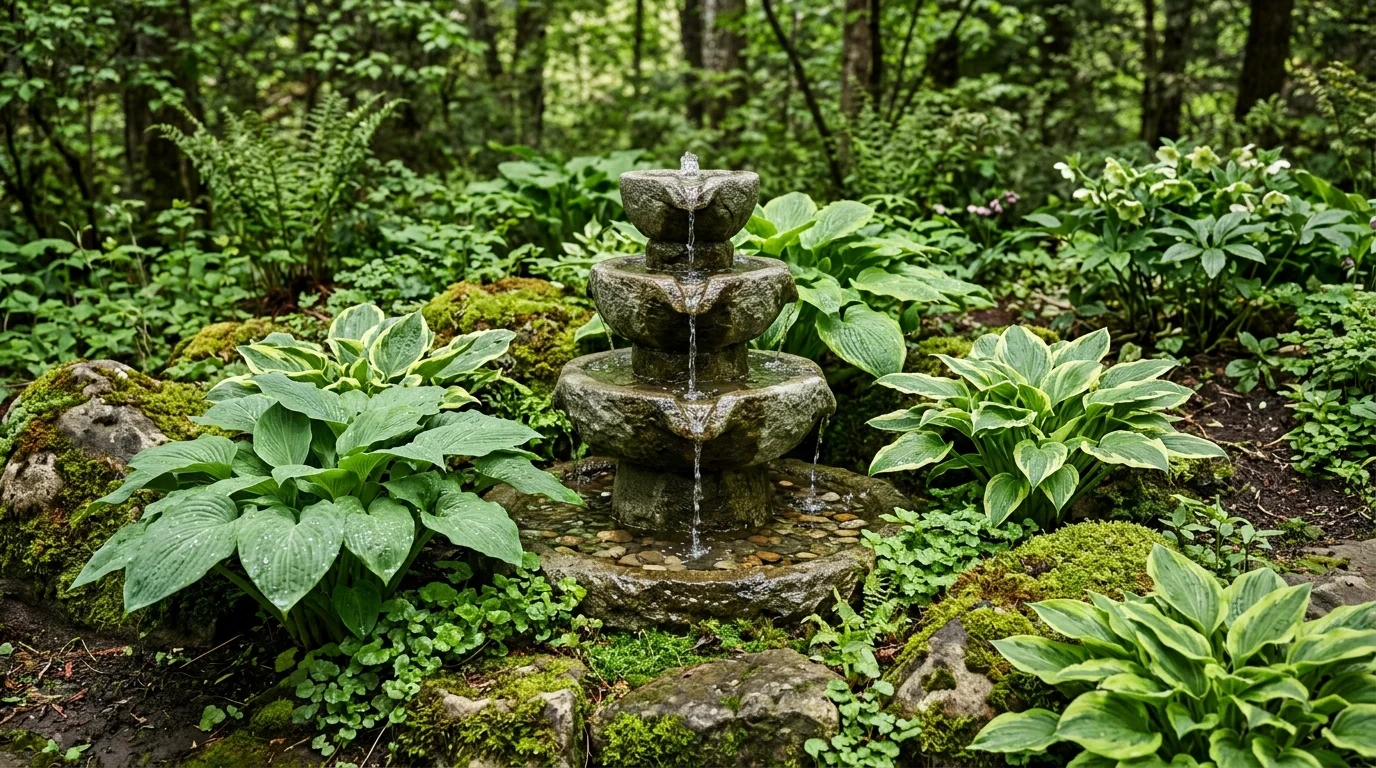
Sound is a powerful tool in creating a cozy atmosphere. The gentle sound of trickling water can mask distant traffic noise and create a meditative environment. You don't need a massive pond; a simple tabletop fountain or a self-contained "plug-and-play" stone feature is sufficient for a small corner.
Many modern fountains are designed specifically for small spaces and even come with built-in LED lights that illuminate the moving water at night. Surrounding the base of a small water feature with moss-covered stones and moisture-loving plants like ferns will make it look like a natural spring that has always been part of the landscape.
10. Seasonal Shifts
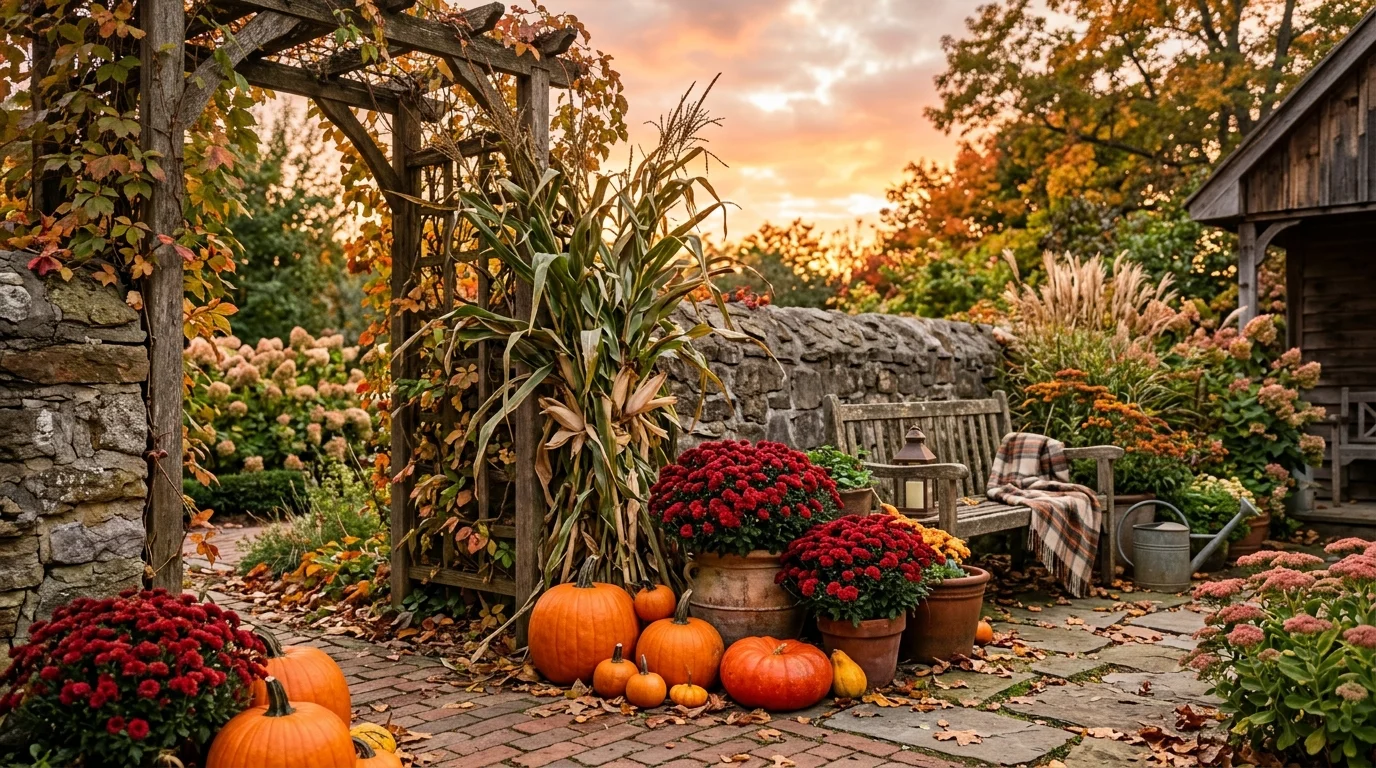
A cozy garden corner shouldn't be a summer-only luxury. To keep it functional year-round, plan for seasonal transitions. In the autumn, swap out summer annuals for ornamental cabbages, pansies, and chrysanthemums. Add pumpkins and gourds among the pots for a harvest feel.
In the winter, replace dead foliage with evergreen branches and boughs of holly or pine. Swap your thin summer cushions for faux-fur throws and consider adding a small, portable propane fire pit or an infrared heater. By adjusting the lighting—perhaps adding more warm-toned lanterns as the days get shorter—you ensure that your garden corner remains a sanctuary regardless of the temperature.
Conclusion
Creating a cozy garden corner is an exercise in layering. It begins with the structural foundation of pots and greenery, which provides the life and color of the space, and is completed by the atmospheric magic of lighting. Whether you have a sprawling estate or a small urban balcony, the principles remain the same: seek enclosure, prioritize comfort, and engage the senses. By mixing textures, playing with heights, and choosing a cohesive color story, you turn a forgotten corner into the most coveted "room" in your home. It is a place for morning coffee, evening reflection, and a constant connection to the natural world.
Frequently Asked Questions
What are the best low-maintenance plants for a garden corner?
For those who want beauty without the heavy lifting, Snake Plants, ZZ Plants (if the corner is shaded), and succulents like Sedum are excellent. Ornamental grasses are also very hardy and require only an annual trim.
How do I protect my outdoor cushions and lights from rain?
Look for "outdoor-rated" or "weatherproof" labels. For cushions, choose fabrics like Sunbrella that resist mold and fading. It is always best to have a small deck box nearby to store fabric items during heavy storms. For lights, ensure they have an IP44 rating or higher for water resistance.
Can I create a cozy corner if my space gets no sunlight?
Absolutely. Many plants thrive in full shade, including most types of Ferns, Hostas, Bleeding Hearts, and Caladiums. In fact, shaded corners often feel naturally cozier and cooler during the hot summer months.
How do I choose the right size pots for a small corner?
Avoid using many tiny pots, which can look cluttered. Instead, opt for a few large, "statement" pots to anchor the space, and then fill in the gaps with medium-sized ones. This "large-to-small" approach creates a more professional, tiered look.
What is the best way to hang lights if I don't have trees?
You can use "light poles" or timber posts secured in heavy planters filled with concrete or gravel. Alternatively, if you are against a wall or fence, simple masonry hooks or outdoor command strips can hold the weight of most string lights.