
A garden wall does jobs no fence or hedge can do as well: it holds back soil on a slope, shelters tender plants from wind, stores the day's warmth and releases it at night, and gives climbing plants something permanent to grow on. It is also the most characterful boundary you can build — a weathered brick wall or a rough stone one makes even a plain planting scheme look established.
This guide covers the three building materials, the climbing plants that soften them, how to match plants to the direction your wall faces, and the building basics that decide whether a wall lasts five years or fifty.
Why Garden Walls Beat Fences and Hedges
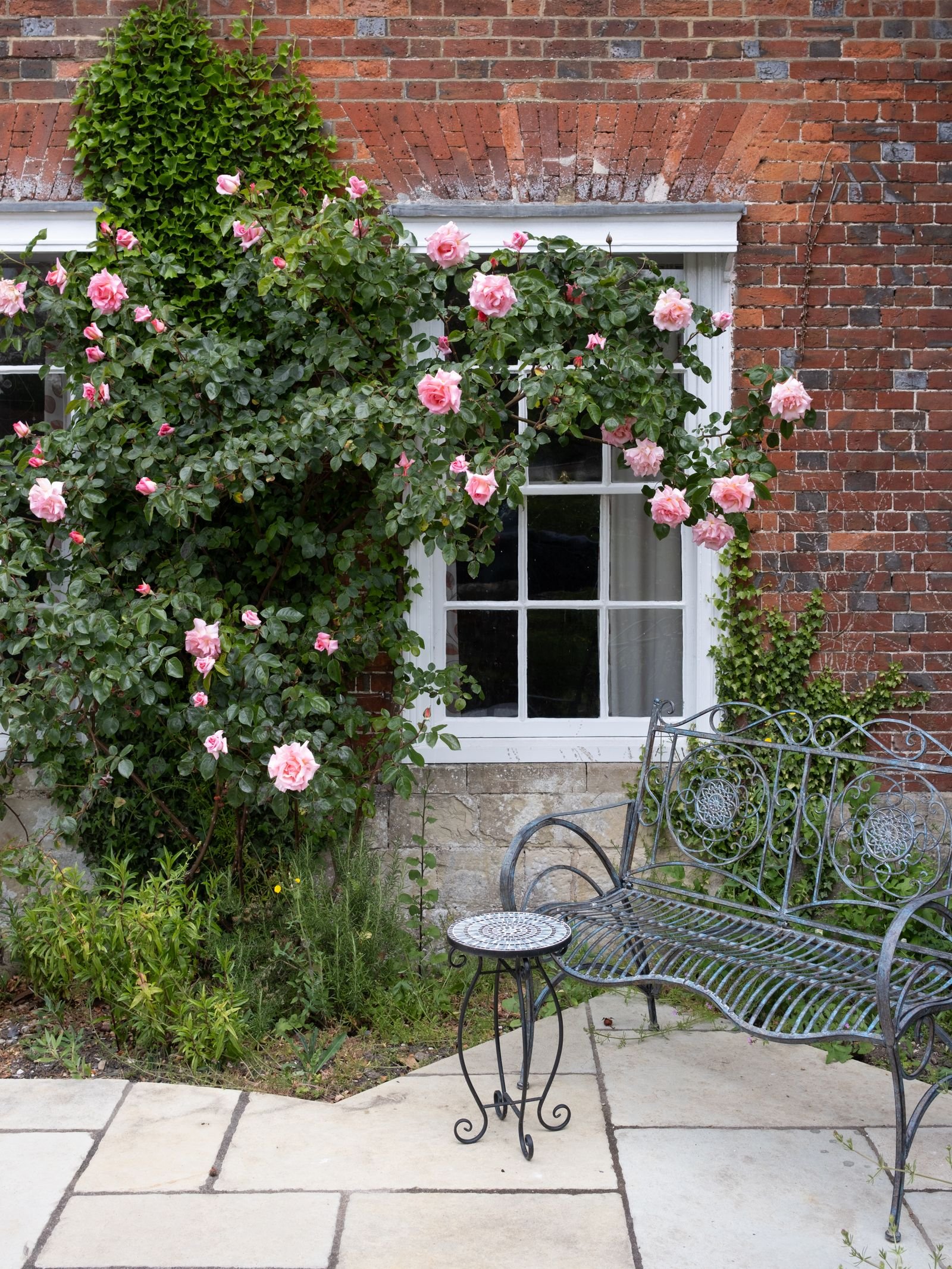 Brick Wall with Climbing Roses and Iron Bench.jpg 827.6 KBWalls win on longevity and microclimate. A well-built brick or stone wall lasts decades with almost no maintenance, while fence panels rot and need replacing every ten years or so. The shelter matters too: a wall cuts wind far more effectively than a hedge of the same height in its first years, and a south-facing brick or stone wall absorbs heat all day and radiates it back at night — the reason gardeners have grown peaches and figs against walls for centuries.
Walls also create planting opportunities fences cannot match. The warm, dry strip at the base of a sunny wall suits Mediterranean herbs and alpines; the cool, shaded base of a north wall suits ferns and hostas. And unlike a hedge, a wall is a finished surface the day it is built.
Stone Walls: Rustic, Retaining and Built to Last
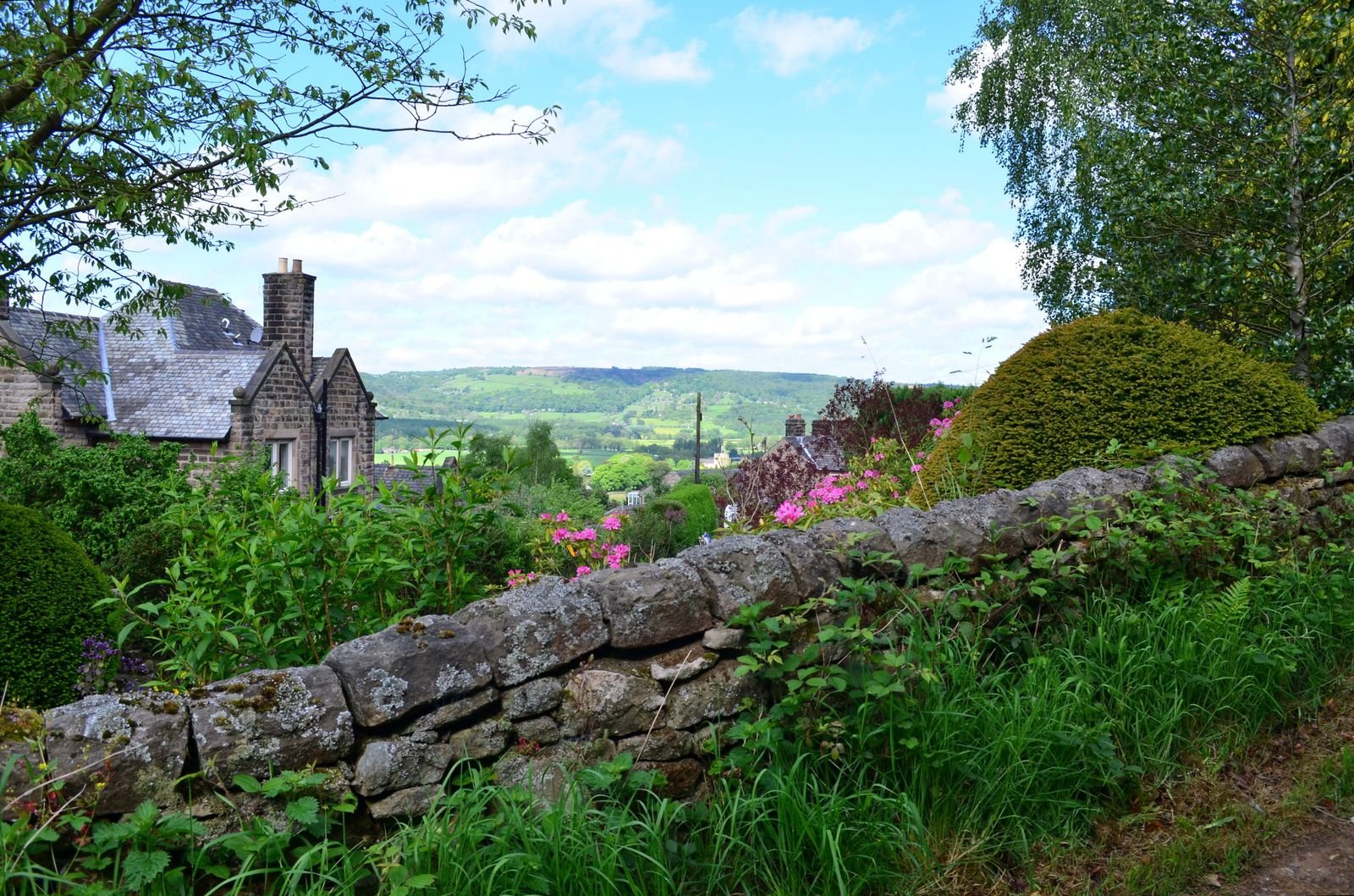 Dry Stone Wall along Cottage Garden.jpg 462.43 KBStone suits country gardens, cottage styles and any plot where the local stone gives the garden a sense of place. Two construction styles cover most gardens. Dry stone walls are built without mortar, stones locked by weight and friction — beautiful, full of crevices where alpines and self-seeded plants take hold, and the classic choice for retaining a bank or terracing a slope. Mortared stone walls are stronger and neater, better for taller boundary walls and formal gardens.
Stone is the most expensive option per metre, especially dressed stone, but reclaimed stone and local quarry offcuts cut the cost. Because stone walls are heavy, anything over about a metre tall needs a proper foundation and is usually a professional job; low retaining walls and raised-bed edges are realistic DIY projects for a careful beginner.
Brick Walls: Warmth, Pattern and Structure
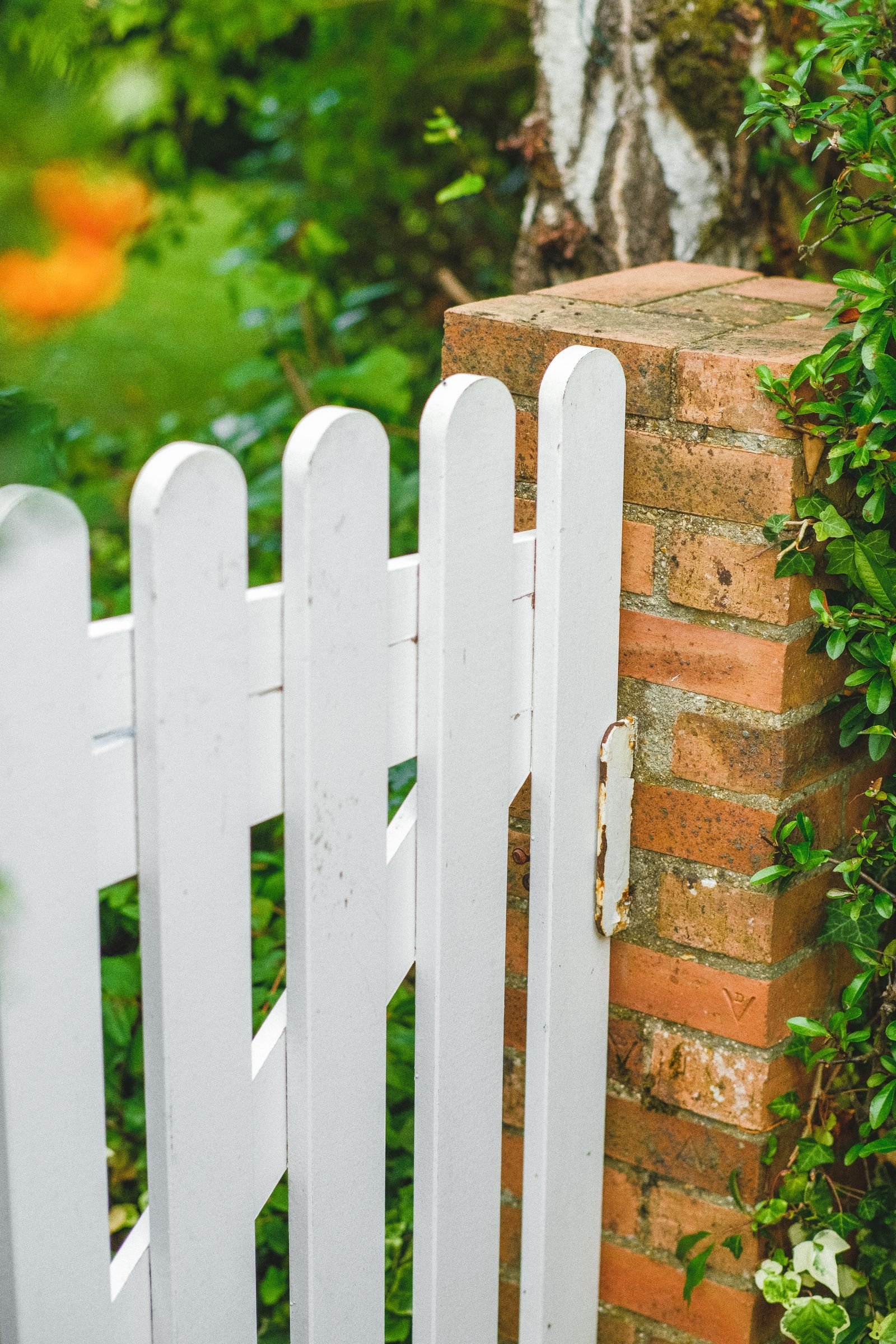 Red Brick Garden Wall with White Gate.jpg 845.95 KBBrick brings the colour of the house into the garden and suits both traditional and modern plots. A single-skin wall (one brick thick) is fine for low dividers and raised beds; boundary walls of any height should be double-skin with piers at intervals for strength. Details make the difference between a wall that looks built and one that looks designed: a row of bricks on edge or proper coping stones along the top sheds rain and finishes the line, and mixing bonds — stretcher bond for runs, a herringbone or basket panel as a feature — adds quiet pattern.
Reclaimed bricks blend instantly into older gardens and are often cheaper, but check they are frost-resistant before using them outdoors: soft internal bricks crumble after a few winters. Engineering bricks are the safe choice for the courses nearest the ground, where damp and frost hit hardest.
Climbing Plants: Softening Stone and Brick
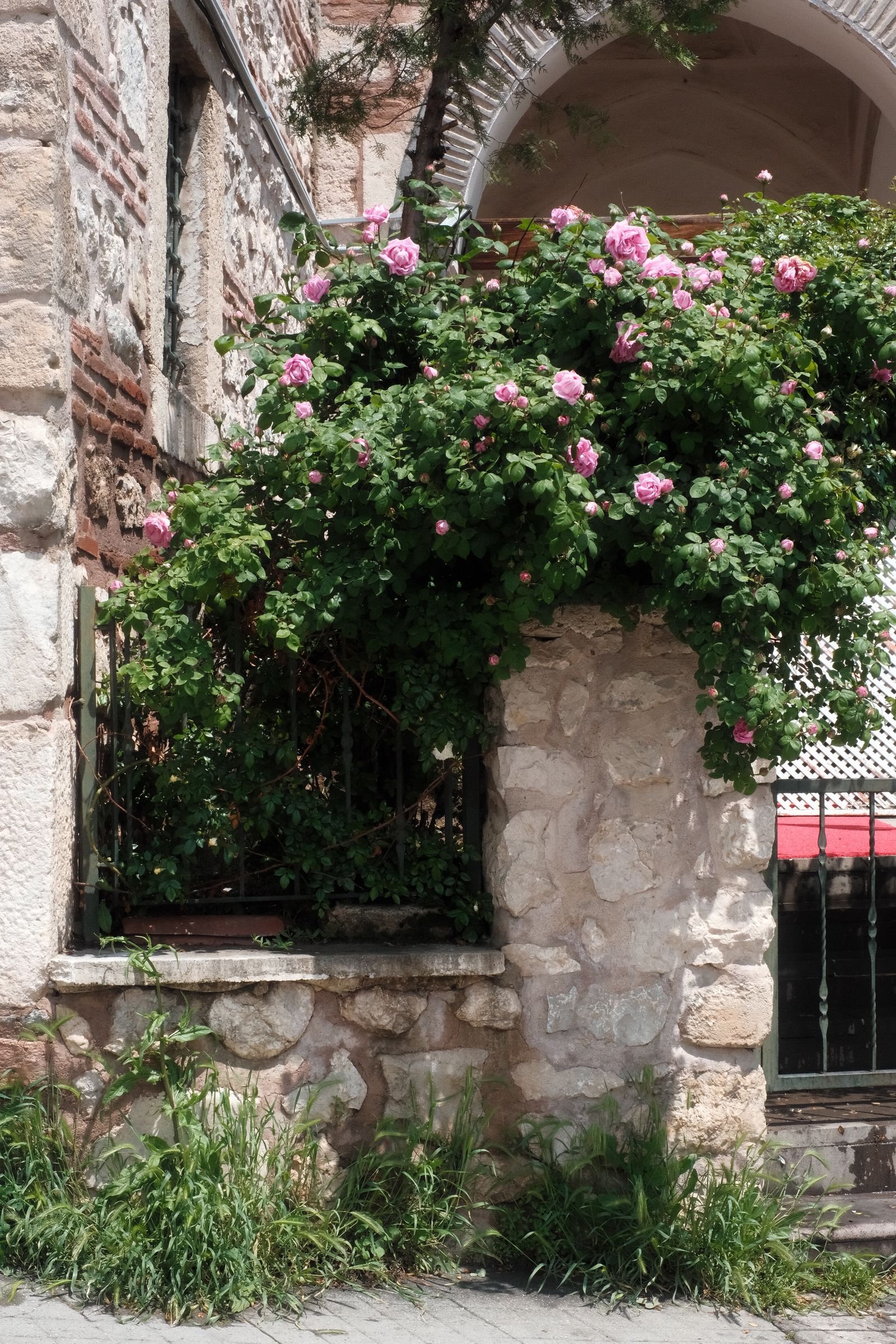 Pink Climbing Roses Covering Stone Wall.jpg 957.53 KBA bare wall is handsome; a planted wall is alive. Climbers fall into two camps. Self-clinging plants — ivy, climbing hydrangea, Virginia creeper — attach themselves with aerial roots or suckers and need no support, but should be kept off weak mortar and never allowed into gutters or roof edges. Everything else — roses, clematis, honeysuckle, jasmine — needs wires or trellis fixed to the wall, ideally held 5cm off the surface so air circulates and stems can be tied in.
Plant climbers at least 30–45cm away from the wall base, because the soil right against a wall is a dry rain-shadow where roots struggle; angle the plant back towards the wall with a cane. Water new climbers generously through their first two summers — the wall that gives them shelter also steals their rain.
Best Climbers by Wall Direction
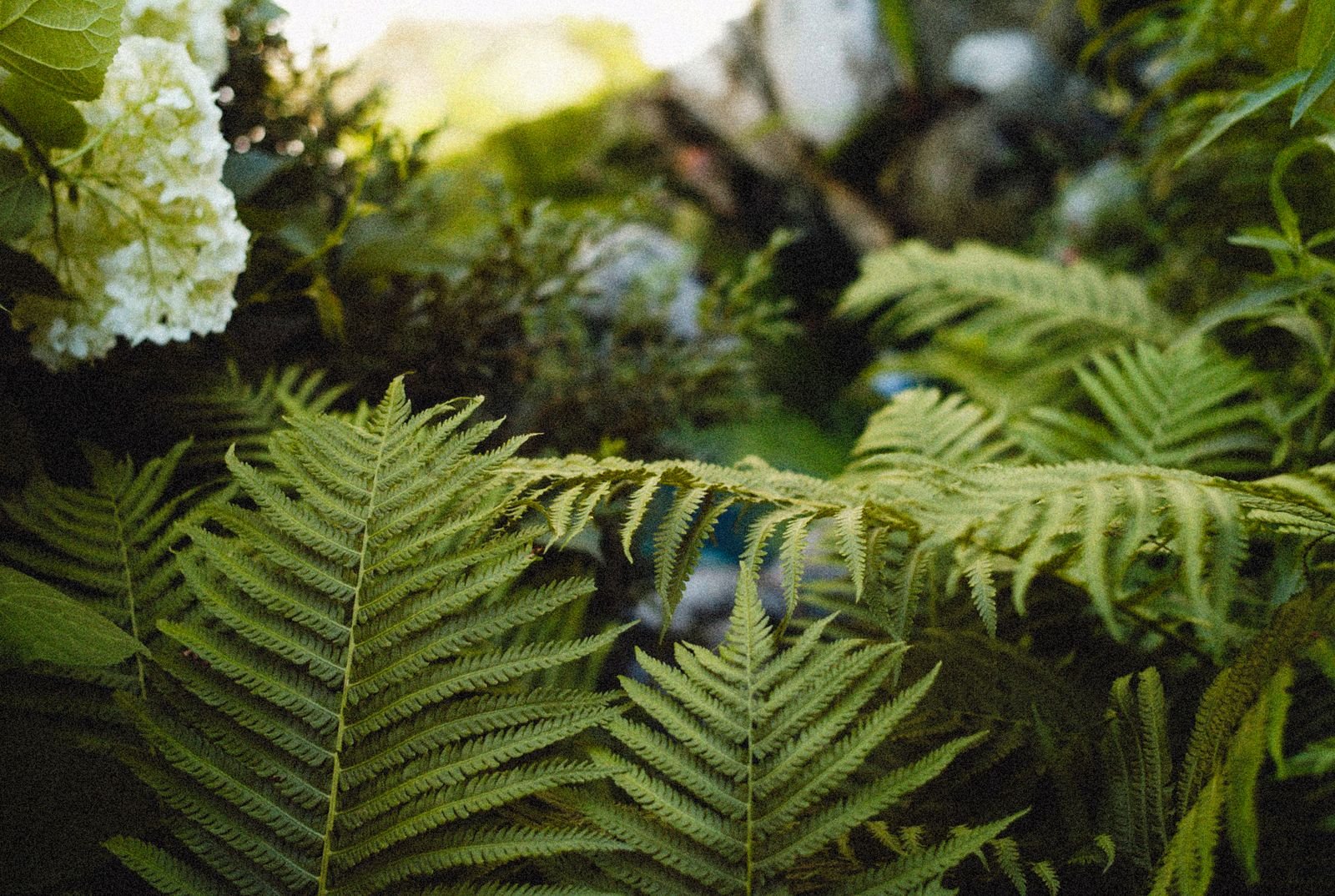 Green Ferns and White Hydrangeas in Shaded Garden.jpg 422.51 KBDirection decides what will thrive. South and west walls are the warm seats: climbing roses, clematis, jasmine, passion flower, wisteria and even grapevines flourish, and wall-trained fruit makes real use of the heat. East walls get morning sun and suit clematis, honeysuckle and climbing hydrangea.
North walls are not wasted space — they are just a different palette: climbing hydrangea, ivy, Virginia creeper (for autumn colour), and shade-tolerant clematis such as Nelly Moser do well, with ferns and hostas at the base. Matching plant to aspect is the single biggest factor in whether a planted wall looks lush or struggling in year three.
Building Basics: Foundations, Coping and Rules
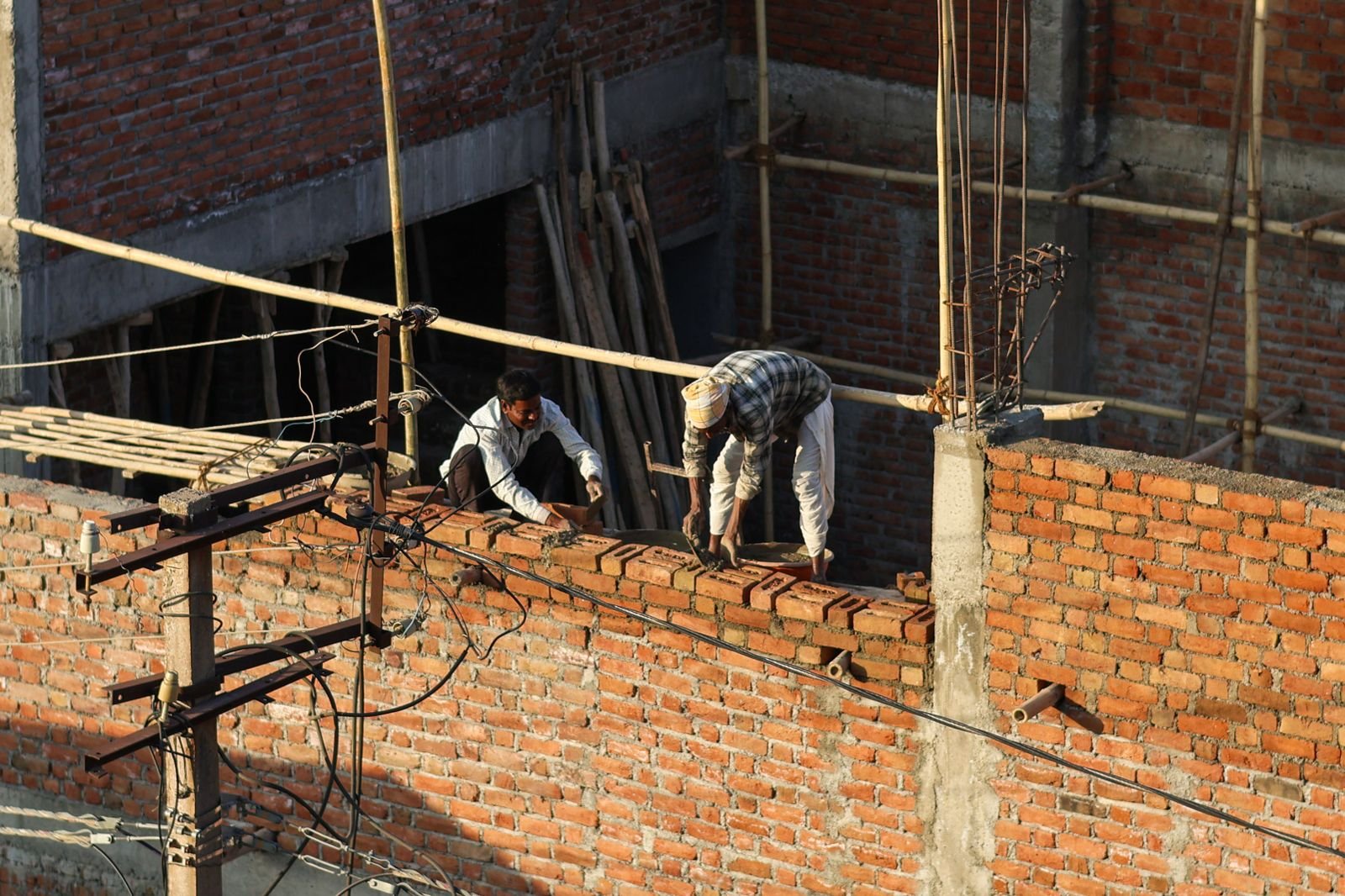 Workers Building a Brick Wall.jpg 342.85 KBThree basics decide a wall's lifespan. Foundations: a concrete strip footing wider than the wall, dug below the soft topsoil — shallow footings are why garden walls lean. Mortar and joints: consistent 10mm joints, tooled slightly sloped so rain runs off rather than soaking in. Coping: the top course must shed water — coping stones, a brick-on-edge course, or a slight overhang — because water entering the top of a wall and freezing is the commonest cause of failure.
Know the rules before you build: in the UK, a wall over 2 metres (or 1 metre beside a highway) usually needs planning permission, and boundary disputes are far cheaper to avoid with a neighbourly conversation first. Any retaining wall holding back significant soil, and any wall over about a metre, deserves professional design — retained earth exerts serious force.
Low Walls, Raised Beds and Wall-Top Planting
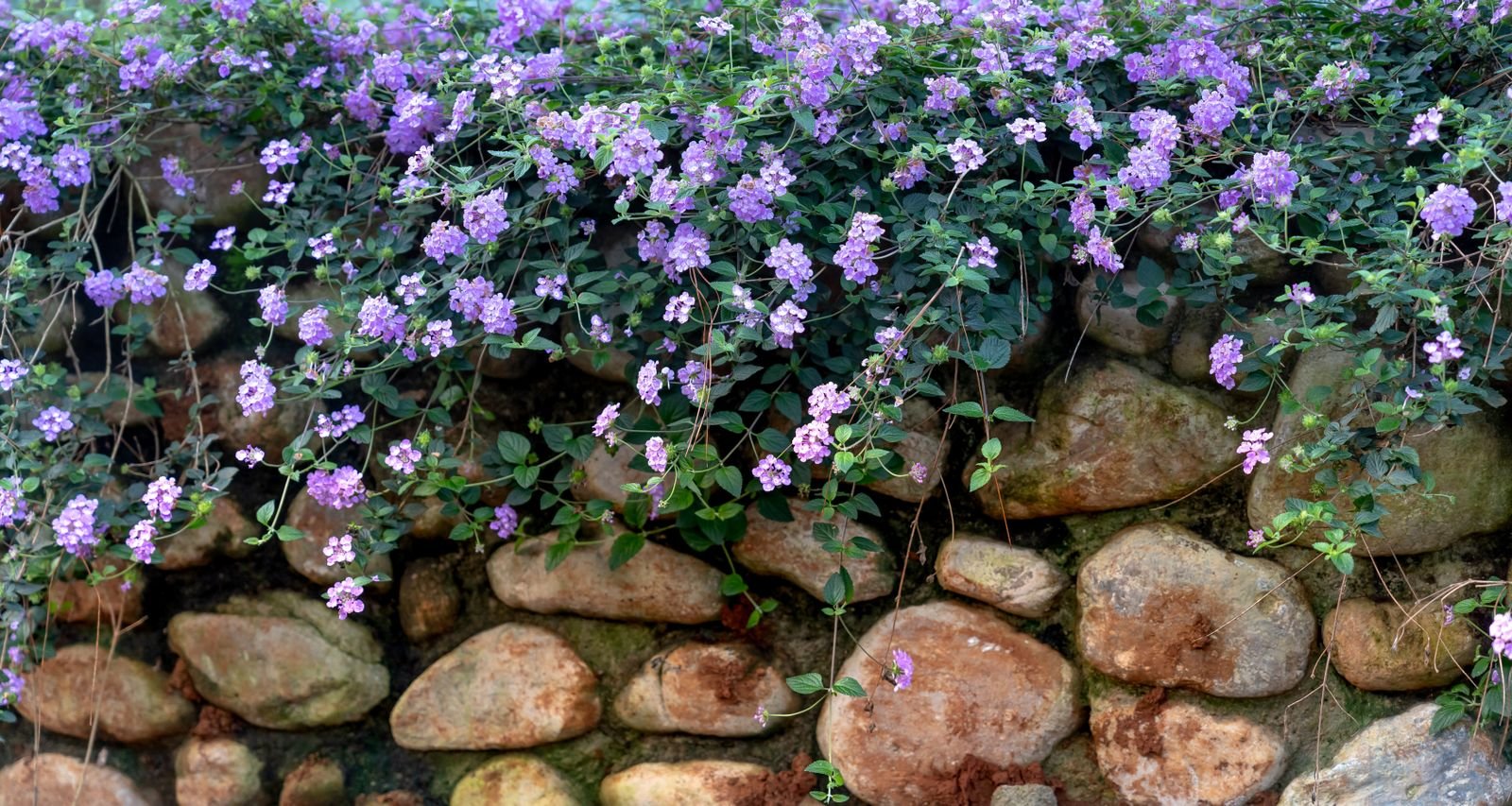
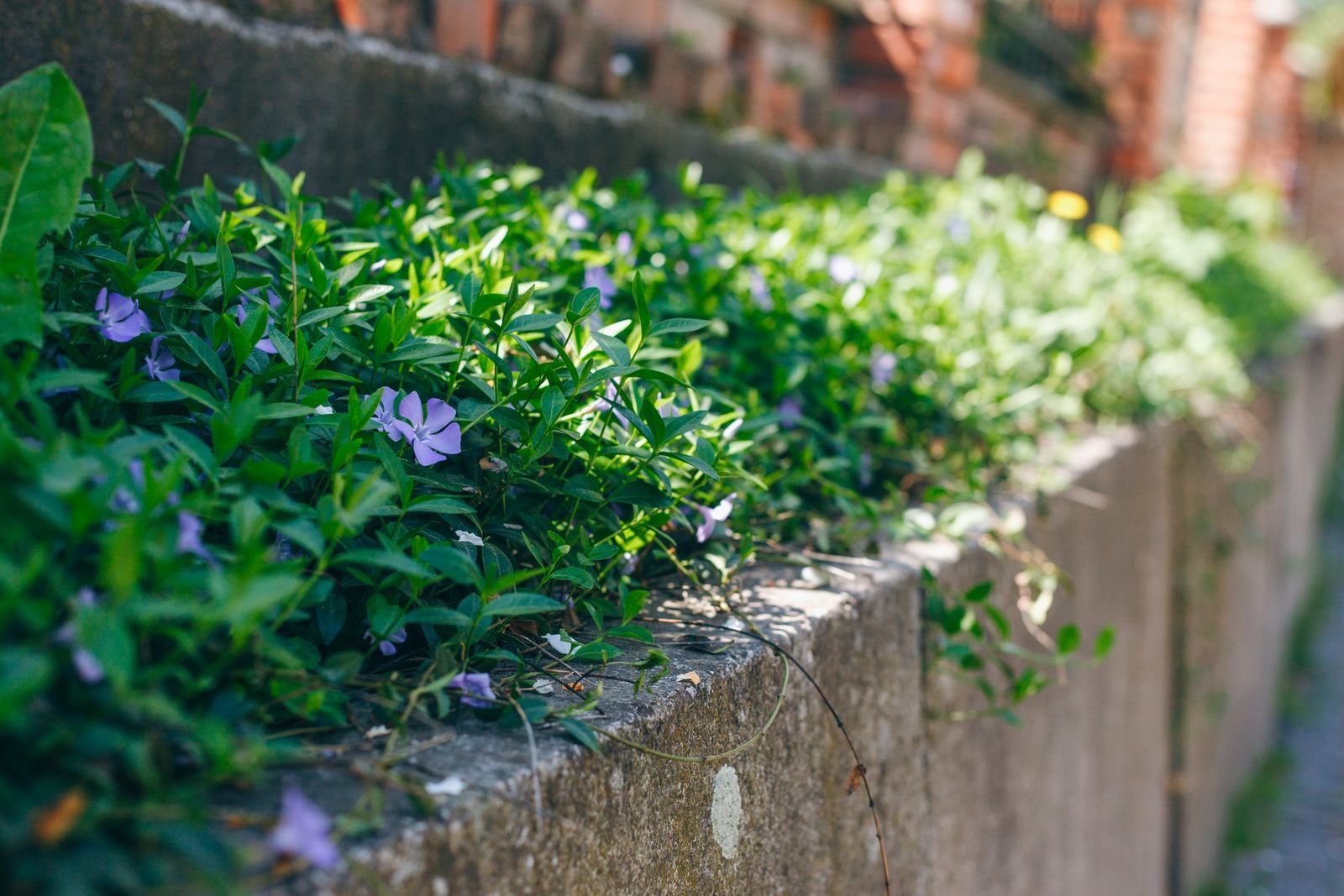 Purple Flowers Spilling over Low Stone Planter.jpg 229.03 KBNot every garden wall is a boundary. Low walls — 30 to 60cm — are the hardest-working: they edge raised beds at a comfortable sitting height, retain gentle terraces, define a patio, and create the raised, free-draining conditions alpines, herbs and Mediterranean plants love. A low wall around a seating area doubles as informal seating itself, especially with a wide coping stone.
Plant the top and face of low walls for the softest effect: aubrieta, campanula, creeping thyme and sedums colonise stone joints, while lavender and rosemary planted behind spill over the edge. In brick raised beds, leave the occasional gap in the front course unmortared as a drainage weep hole — a small detail that stops waterlogged soil in winter.
Care and Maintenance Year by Year
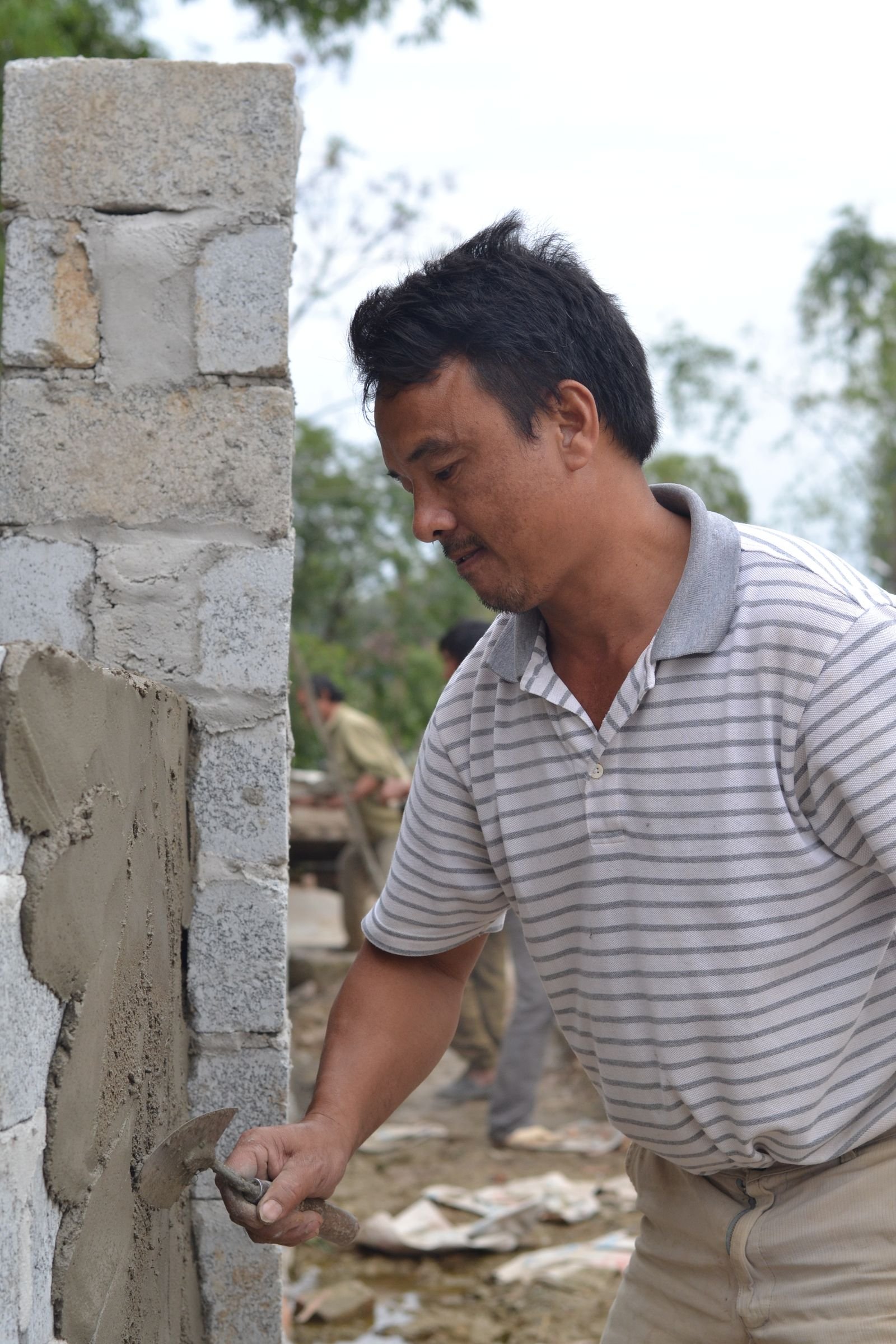 Man Applying Mortar to Brick Wall with Trowel.jpg 468.29 KBWalls are low-maintenance, not no-maintenance. Once a year, walk the wall: look for cracked or spalling bricks, mortar joints that have crumbled (repoint small sections before water gets in), and any lean or bulge, which means stop and get advice. Keep climbers pruned off copings and gutters, and cut ivy back from the top of the wall annually so it does not prise coping stones loose.
Clean green algae from shaded walls with a stiff brush rather than chemicals where plants and pets are nearby. And keep soil and mulch from piling against the base above any damp-proof course on house walls — garden walls forgive it; house walls do not.
Frequently Asked Questions
How tall can I build a garden wall without planning permission?
In the UK, generally up to 2 metres, or 1 metre if it fronts a highway — but rules vary and listed buildings and conservation areas are stricter, so check with your local council before building.
Which is cheaper, a stone wall or a brick wall?
Brick is usually cheaper and faster to build with standard materials. Stone costs more per metre, though local or reclaimed stone can close the gap — and dry stone low walls avoid mortar costs entirely.
Will climbing plants damage my wall?
Self-clinging climbers can exploit already-weak mortar but do not damage sound brickwork or stone; research suggests ivy can even protect walls from weather. Keep them trimmed away from copings, gutters and roofs.
Can I build a garden wall myself?
Low walls and raised-bed edges up to about 60cm are reasonable DIY projects with a proper foundation. Taller boundary and retaining walls carry real structural risk and are best left to professionals.