

There is a special kind of disappointment in catching your reflection at midnight: foundation slid into every line, eyeshadow vanished, lipstick reduced to a lonely outline. Party makeup fails for predictable reasons — heat, dancing, drinks, hugging, and hours of wear — and every one of them can be planned for. Long-wear makeup is not about using more product; it is about the order you apply it in and the few steps most people skip.
This guide walks through a full routine built for staying power: skin prep, priming, base, eyes, cheeks, lips, setting — and the small touch-up kit that rescues the last hour of the night.
Start with Skin Prep: The Base Beneath the Base
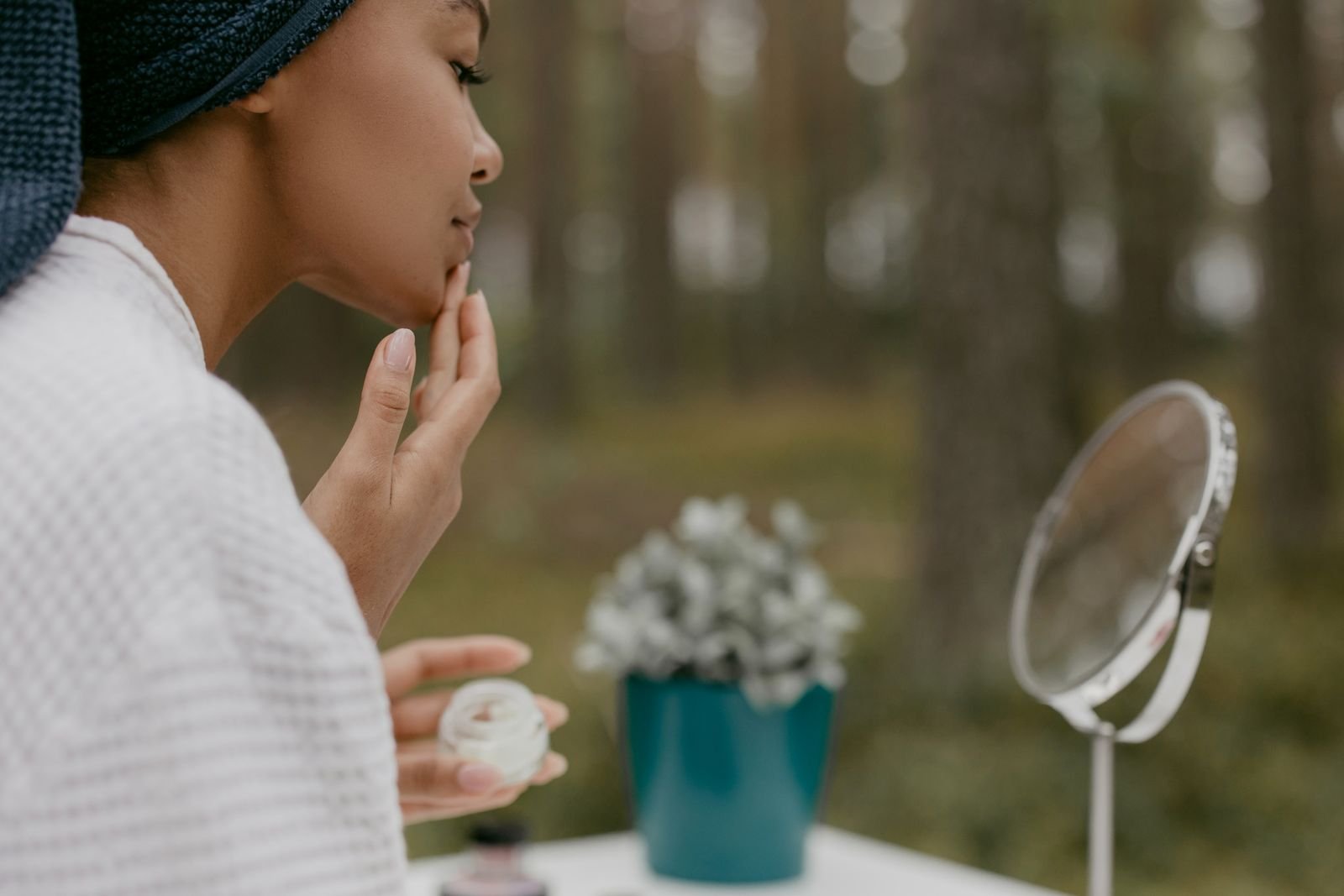 Woman Applying Cream to Face with Mirror.jpg 93.84 KB
Makeup clings to calm, hydrated skin and slides off dry, flaky or overly oily skin. On the day of the event, cleanse gently, apply a lightweight moisturiser, and give it a full ten minutes to absorb before anything else touches your face — primer over wet moisturiser pills and separates.
Skip heavy oils and rich creams under party makeup, however dry your skin feels; they break foundation down from underneath. If your skin is very dry, use a hydrating serum under a gel-cream moisturiser instead. And do your skincare early: a routine finished an hour before makeup behaves far better than one finished two minutes before.
Priming: Match the Primer to Your Skin Type
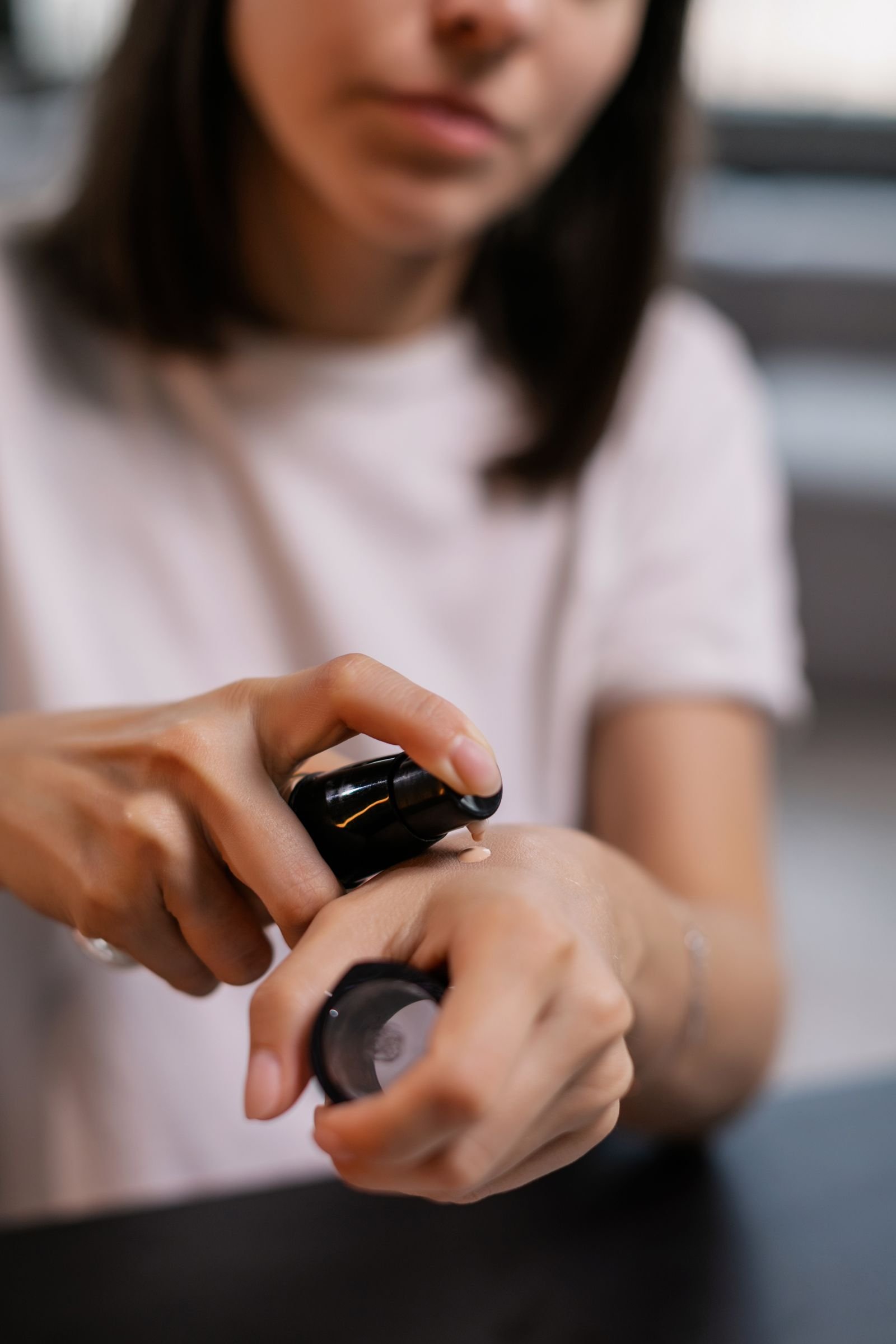 Woman Squeezing Cream from Tube onto Hand.jpg 154.99 KBPrimer is the step that separates party makeup from everyday makeup, because it gives foundation something to grip. Choose by problem, not by brand: a mattifying primer through the T-zone if you shine within hours; a hydrating, slightly tacky primer if your base goes patchy and dry; a pore-filling silicone primer only where pores are visible, usually the nose and inner cheeks.
Use less than you think — a pea-sized amount, pressed in rather than rubbed. Many people need two primers in different zones rather than one everywhere. Let primer set for a minute before foundation; applying base over wet primer is the commonest cause of the streaky, separated look people blame on the foundation itself.
Foundation and Concealer That Stay Put
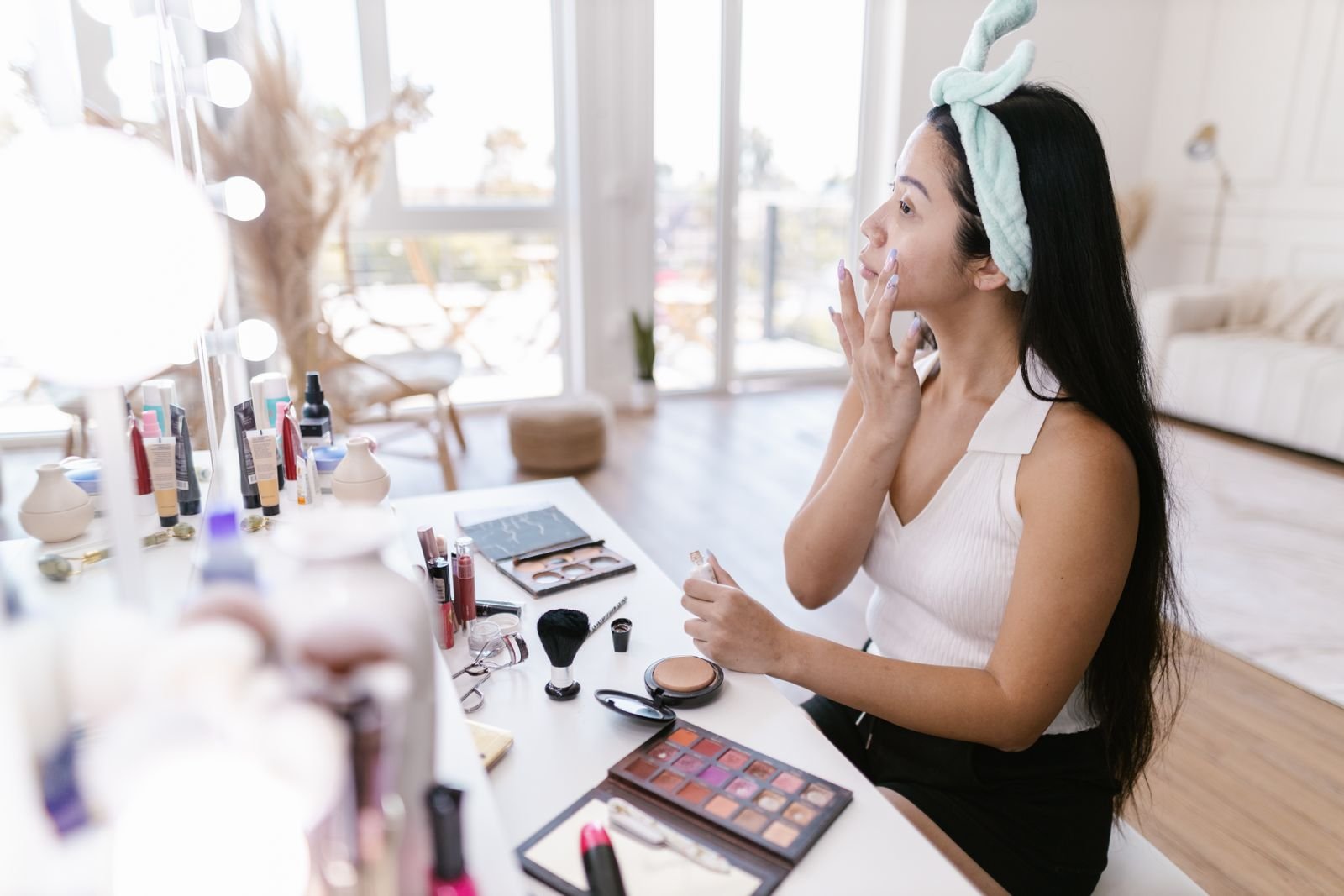 Woman Applying Foundation at Bright Vanity.jpg 137.78 KBFor long nights, choose a long-wear or "24-hour" foundation formula over a dewy everyday base — the dewy finish is achieved with oils and emollients that are designed to move. Apply in thin layers with a damp sponge, building coverage only where you need it; one thick layer cracks and settles, three thin ones flex with your skin.
Concealer goes only where it earns its place: under the eyes in a thin triangle blended well past the dark area, and spot-concealed blemishes after foundation, not before. Set the under-eye immediately with a tiny amount of finely milled powder pressed in with a puff — this is the single most effective step against creasing. If your eyes water at parties, keep concealer away from the lower lash line entirely.
Eyes That Last: Shadow, Liner and Lashes
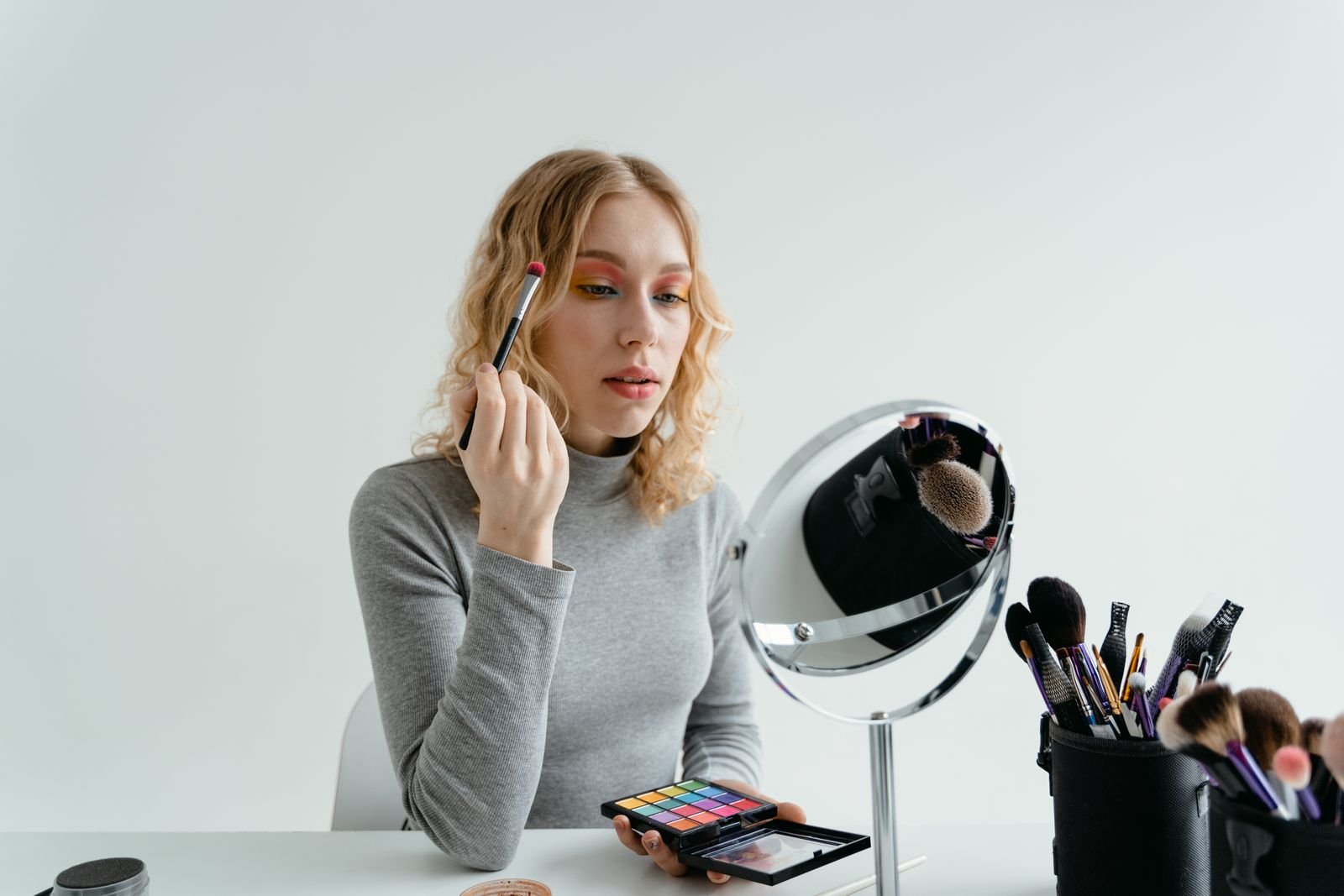 Woman Applying Eye Makeup with Palette and Mirror.jpg 117.72 KBEyeshadow disappears because eyelids are oily. Start with an eyeshadow primer or a thin layer of concealer set with translucent powder, then pack shadow on with a flat brush rather than sweeping — packing deposits pigment, sweeping mostly moves it around. Cream shadows make an excellent base layer under powder shadow in a similar shade; the combination outlasts either alone.
For liner, a gel or waterproof pencil set with matching powder shadow survives dancing and happy tears far better than a liquid liner alone. Tightline the upper waterline to make lashes look thicker without a visible line to smudge. On mascara, waterproof formulas are worth their harder removal on party nights — and curl before mascara, never after, to avoid snapping lashes. False lashes? Use individual clusters at the outer corner; a full strip lifting at the inner corner is the fastest way to look tired in photos.
Blush, Bronzer and Highlight Without the Fade
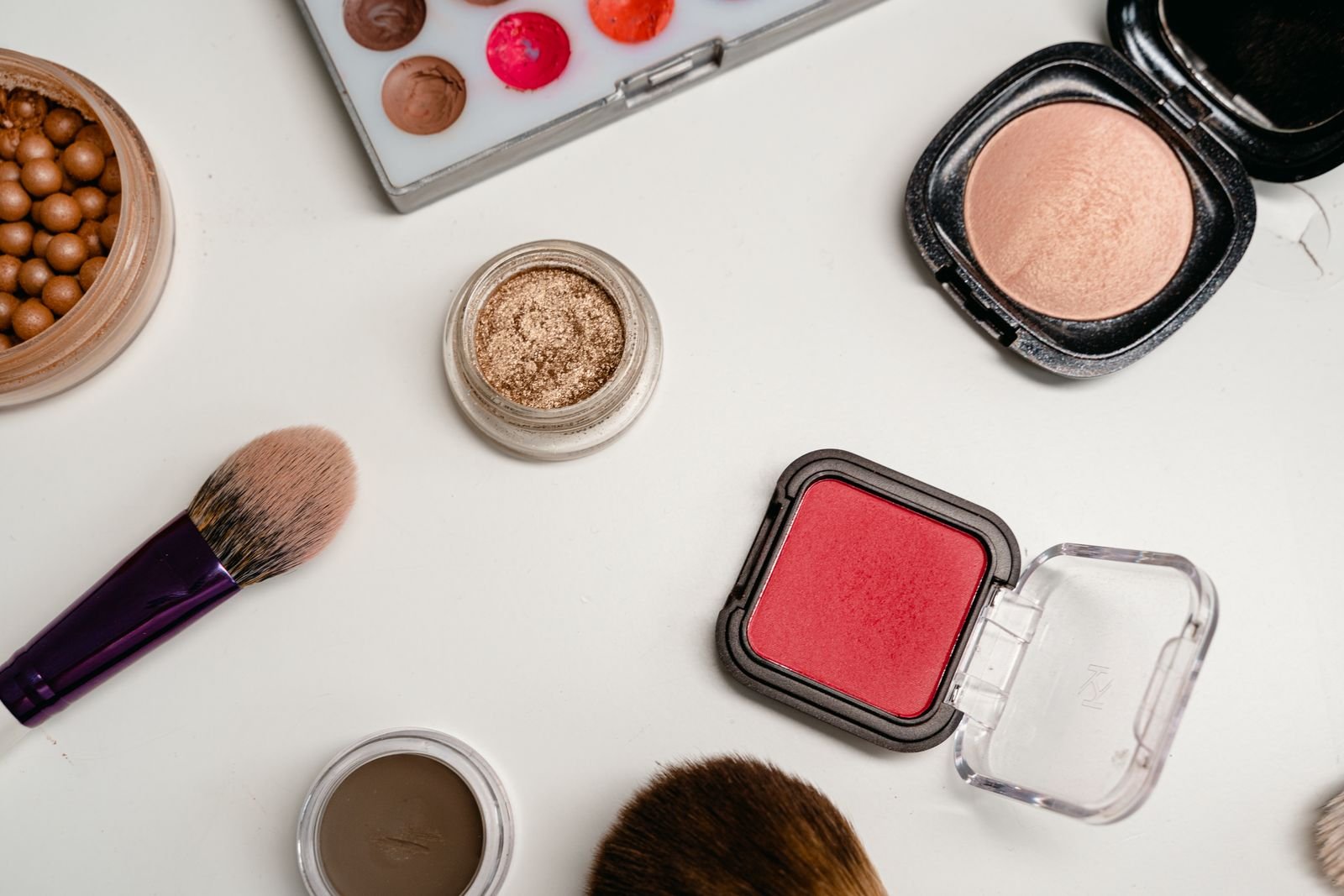 Blush Bronzer and Powder Compacts Flat Lay.jpg 164.59 KBCheek colour is the first thing to fade, so layer it: a cream blush or bronzer applied before powder, then a powder version of the same colour family over the top once the base is set. The cream stains the skin, the powder locks it in, and together they comfortably outlast a whole evening.
Apply blush slightly higher and further back than feels natural — as it fades and settles it lands exactly where you wanted it. Keep shimmer highlight off the centre of the forehead and nose if you will be photographed with flash; place it on the tops of the cheekbones only, where it reads as glow rather than grease by midnight.
Lips That Survive Drinks and Dinner
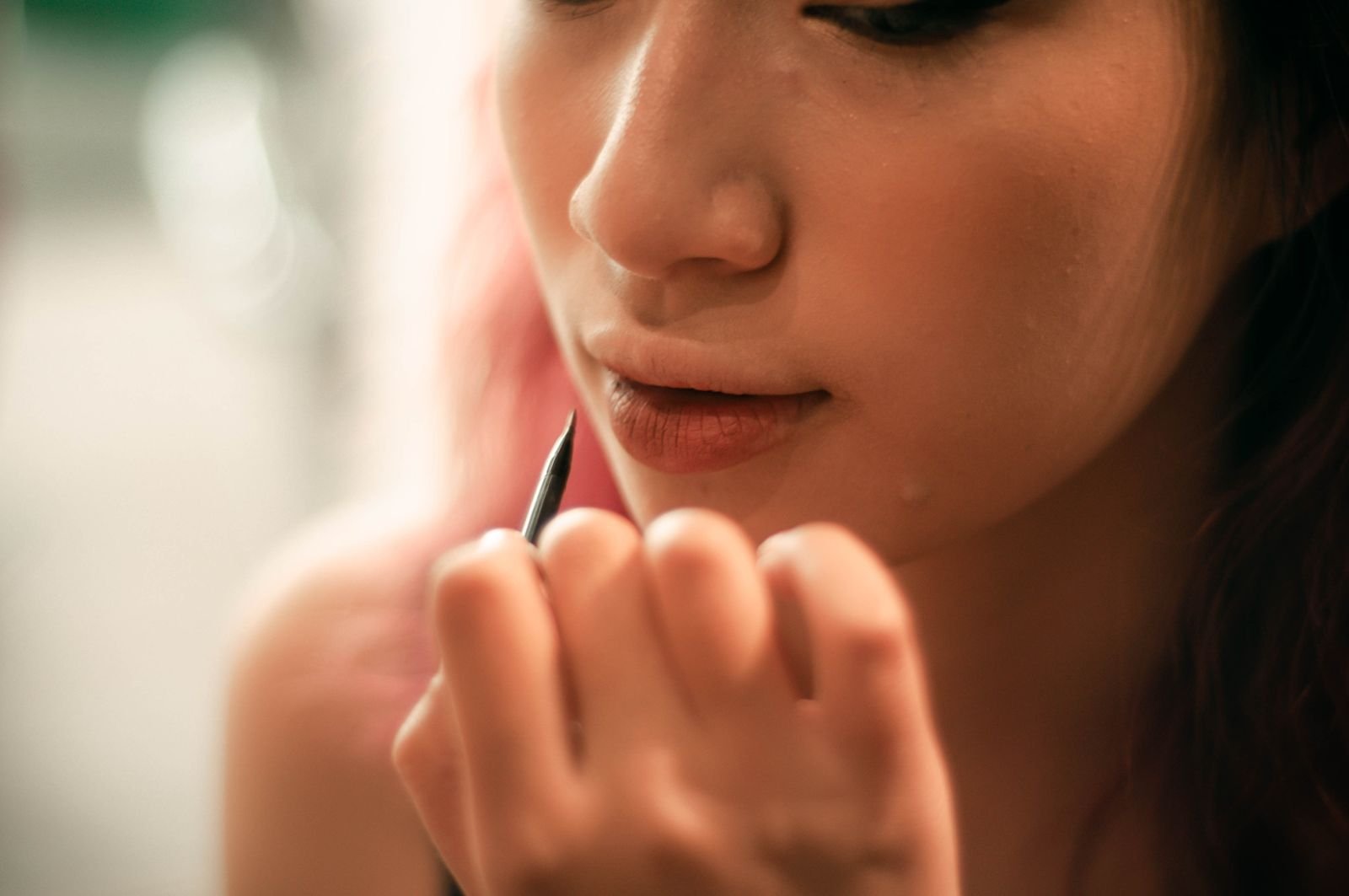 Close-Up of Woman Applying Lip Liner.jpg 84.45 KBLong-wear lips are built in layers, like everything else in this routine. Exfoliate gently and apply lip balm early, then blot it off completely before colour — balm under lipstick is a slip layer. Line and fill the entire lip with lip liner in your lipstick shade; the waxy liner acts as a stain base, so even as the lipstick wears, colour remains.
Apply lipstick, blot with a tissue, dust the lips lightly with translucent powder through the tissue, then apply a second coat. That old-fashioned blot-powder-reapply sequence genuinely doubles wear time. Matte liquid lipsticks last longest of all but can crack on dry lips; a satin lipstick applied with the layering method is the comfortable middle ground. Sip through a straw when you can, and reapply after eating rather than before.
Setting: Spray, Powder and the Order That Works
 Woman Spraying Facial Mist with Eyes Closed.jpg 123.23 KBPowder and setting spray do different jobs: powder absorbs oil and locks cream products down; setting spray melts the powdery finish into skin and adds a flexible film. Use both, in that order — powder first (concentrated on the T-zone, under-eyes and around the nose), then spray.
Hold the spray 20–30 cm away and mist in an X and T pattern; drenching the face re-wets makeup and causes streaks. A mattifying spray suits oily skin, a standard long-wear spray suits everyone else. One more underrated trick: spray a little onto your sponge and press it over the areas that usually separate first — around the nose and chin. Once set, do not touch your face; most makeup "failure" is actually transfer from hands, hugs and phone screens.
Touch-Up Kit: What to Carry in Your Bag
 Makeup Kit with Brushes and Lipsticks on Table.jpg 186.81 KBYou cannot carry the whole routine, and you do not need to. A party touch-up kit needs five things: blotting papers (press, never rub — they remove oil without disturbing makeup), a mini pressed powder for the T-zone, your lipstick for reapplication after food and drink, a couple of cotton buds for cleaning up under-eye smudges, and a travel mini of setting spray if your bag allows.
What not to do at midnight: add more foundation. Piling base over hours-old makeup always looks heavier and cakier than the shine it was meant to fix. Blot, powder lightly, refresh lips — that order rescues almost any face in ninety seconds.
Frequently Asked Questions
How many hours can party makeup realistically last?
With proper priming, layering and setting, 8–10 hours of good wear is realistic, with lips needing one reapplication after eating. Without prep, most makeup fades noticeably within 3–4 hours.
Is primer really necessary, or can moisturiser do the job?
For everyday short wear, moisturiser alone is fine. For a long night, primer makes a measurable difference — it controls oil and gives foundation grip that moisturiser, which is designed to absorb, cannot provide.
Why does my foundation separate around my nose?
Usually a combination of oil breakthrough and too much product. Use mattifying primer just in that area, apply foundation thinly, powder well, and press setting spray in with a sponge.
Should I do eyes or foundation first for a party look?
Eyes first if you are using dark or glittery shadow — fallout can be cleaned up before base goes on. For lighter looks, order matters less.