
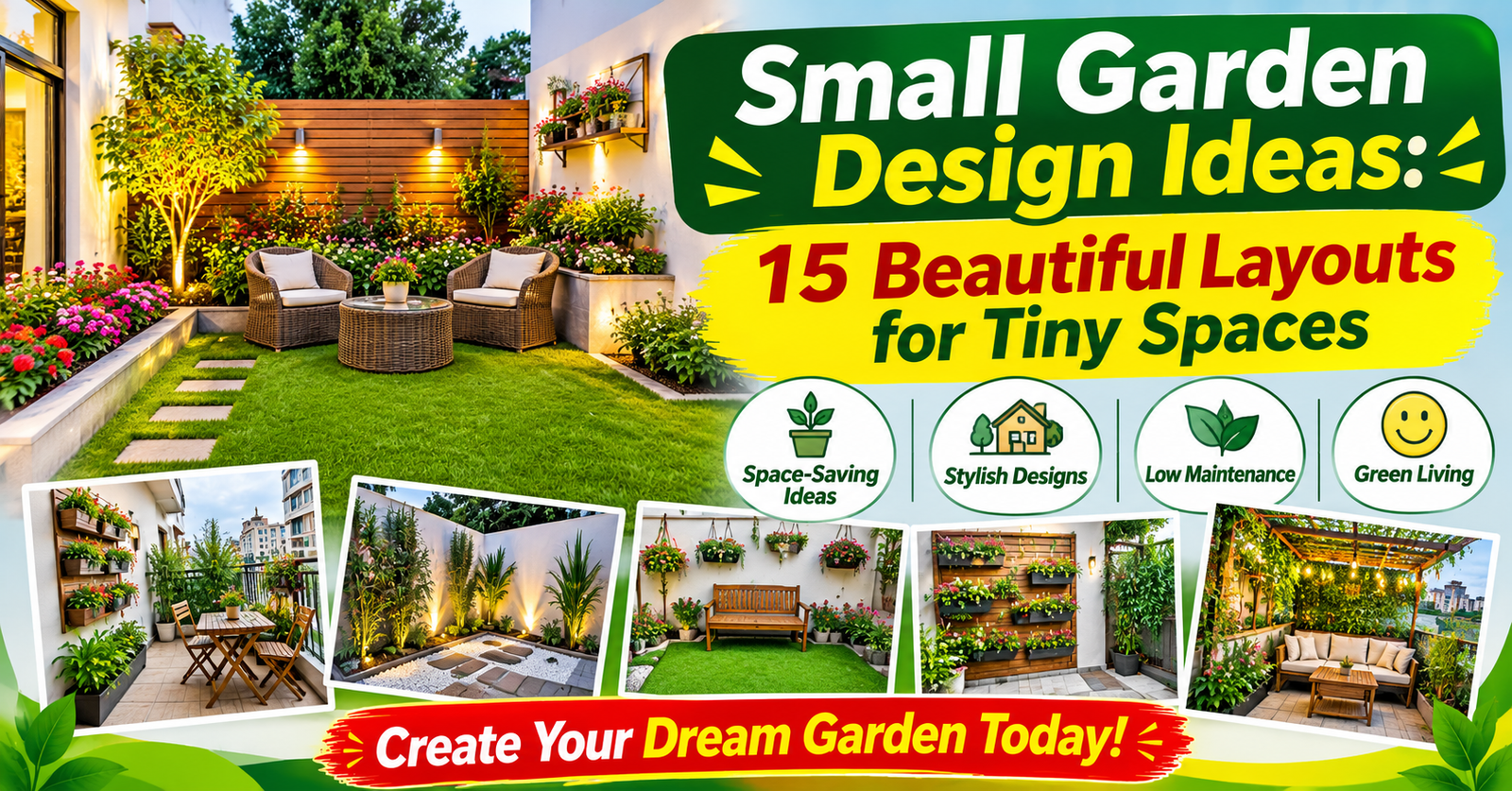
Having a small outdoor area doesn’t mean you have to sacrifice beauty or functionality. In fact, some of the most enchanting gardens in the world are tucked away in tiny urban corners, narrow side yards, or compact balconies. The secret lies in clever zoning, vertical thinking, and a strategic choice of materials. Whether you want a productive vegetable patch, a serene Zen retreat, or a vibrant entertainment hub, these 15 layouts will transform your modest footprint into a botanical masterpiece.
1. Vertical Gardens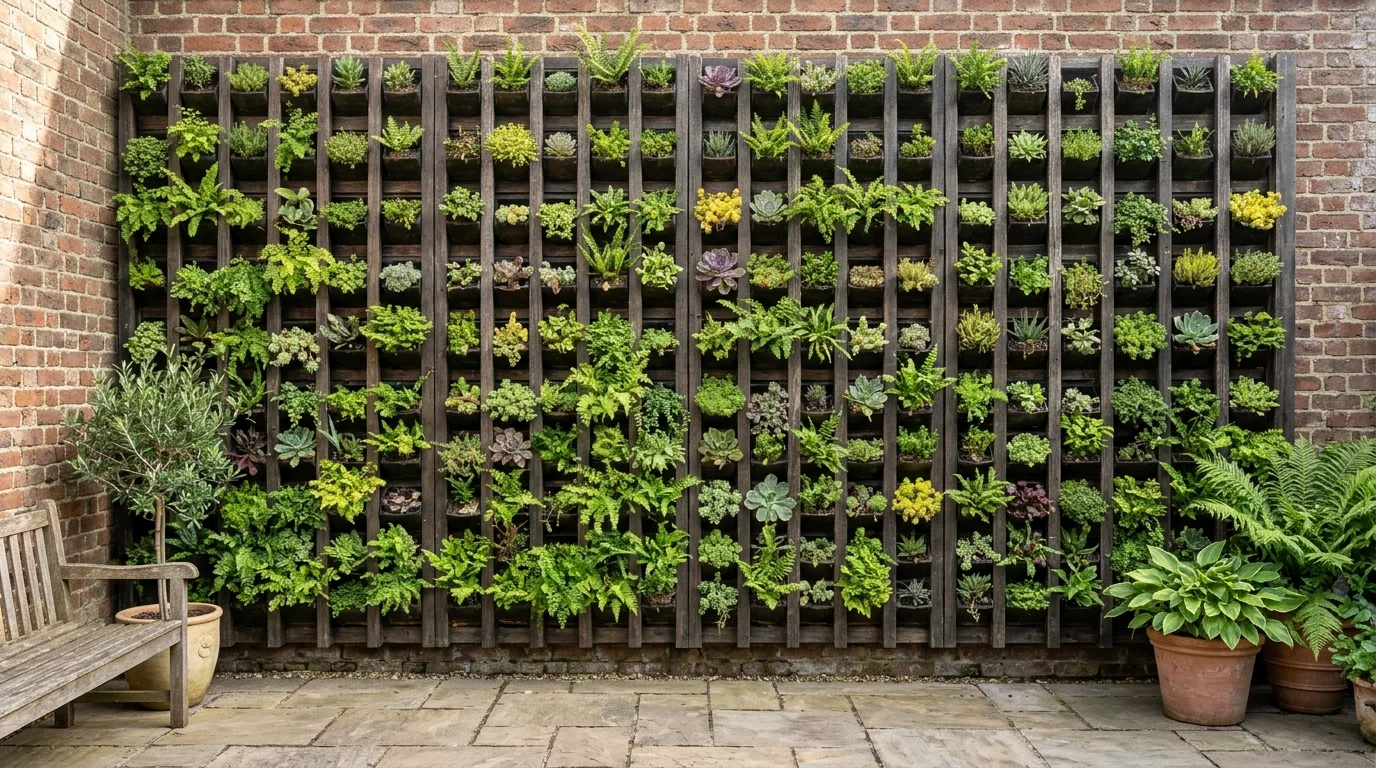
When floor space is at a premium, the only way is up. Vertical gardening is the ultimate solution for narrow balconies or tight courtyards. By utilizing wall-mounted planters, hanging baskets, or even repurposed wooden pallets, you can create a "living wall" that provides privacy and a lush backdrop. This layout works exceptionally well with ferns, ivy, and trailing petunias, turning a cold brick wall into a vibrant tapestry of textures.
2. Tiered Planters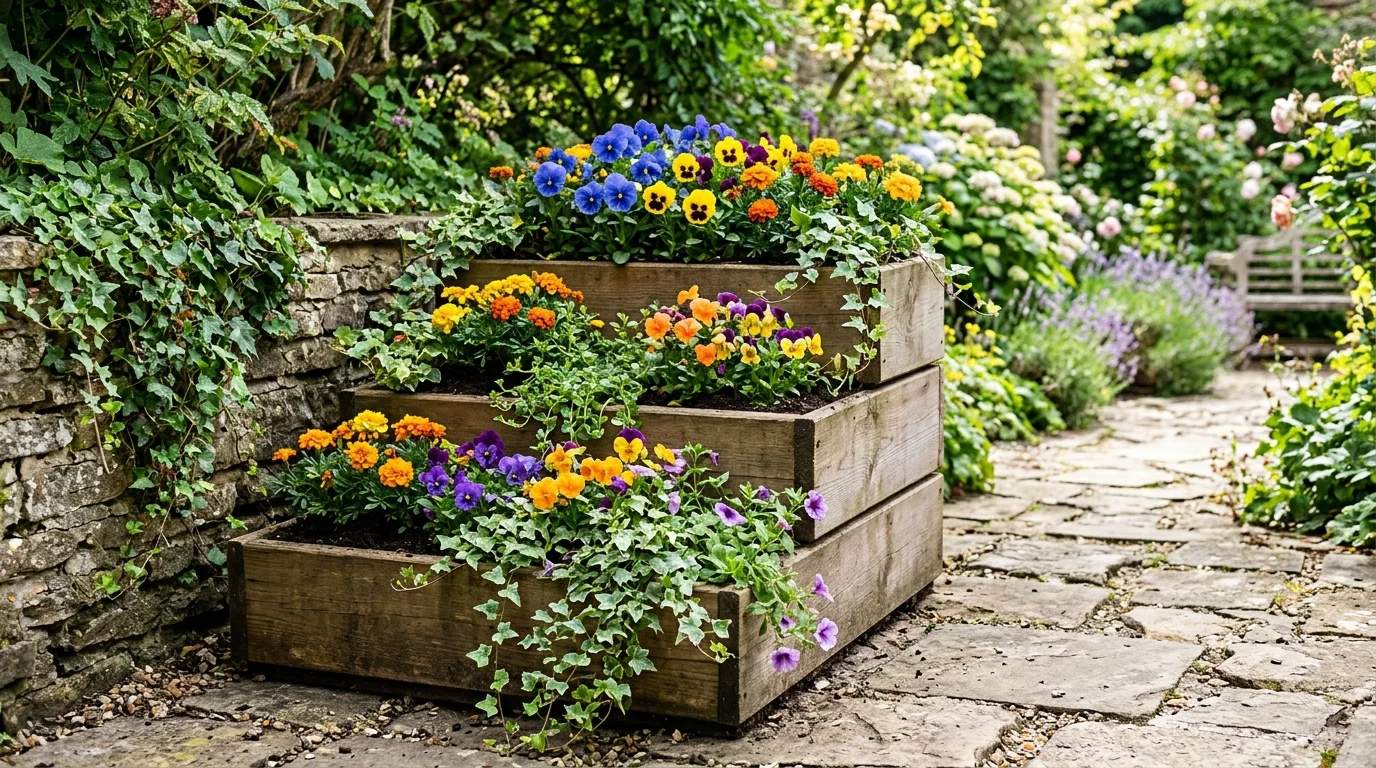
Depth is the key to making a small space feel larger. Tiered planters or "staircase" garden beds allow you to layer different heights of greenery, creating a sense of abundance without cluttering the ground. This layout is perfect for sun-loving flowers or a compact kitchen garden. By placing taller plants at the back and cascading varieties at the front, you maximize every inch of sunlight and visual interest.
3. Mirrored Illusions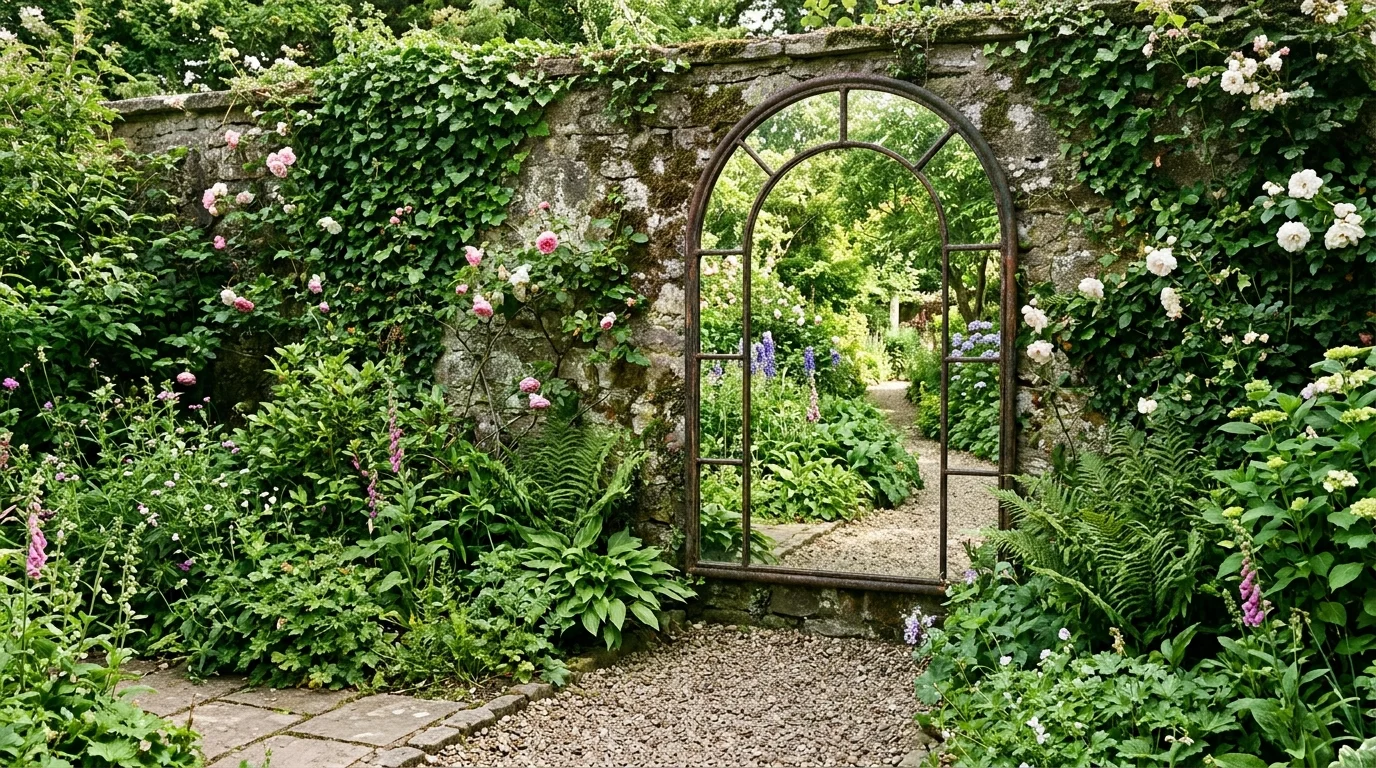
Gardeners have long used mirrors to play tricks on the eye. Positioning a weather-resistant mirror on a boundary wall or at the end of a path can instantly double the perceived size of your garden. The reflection captures light and movement, making a dark or cramped corner feel airy and expansive. Frame the mirror with climbing roses or jasmine to soften the edges and make the "portal" look like a natural part of the landscape.
4. Potted Oasis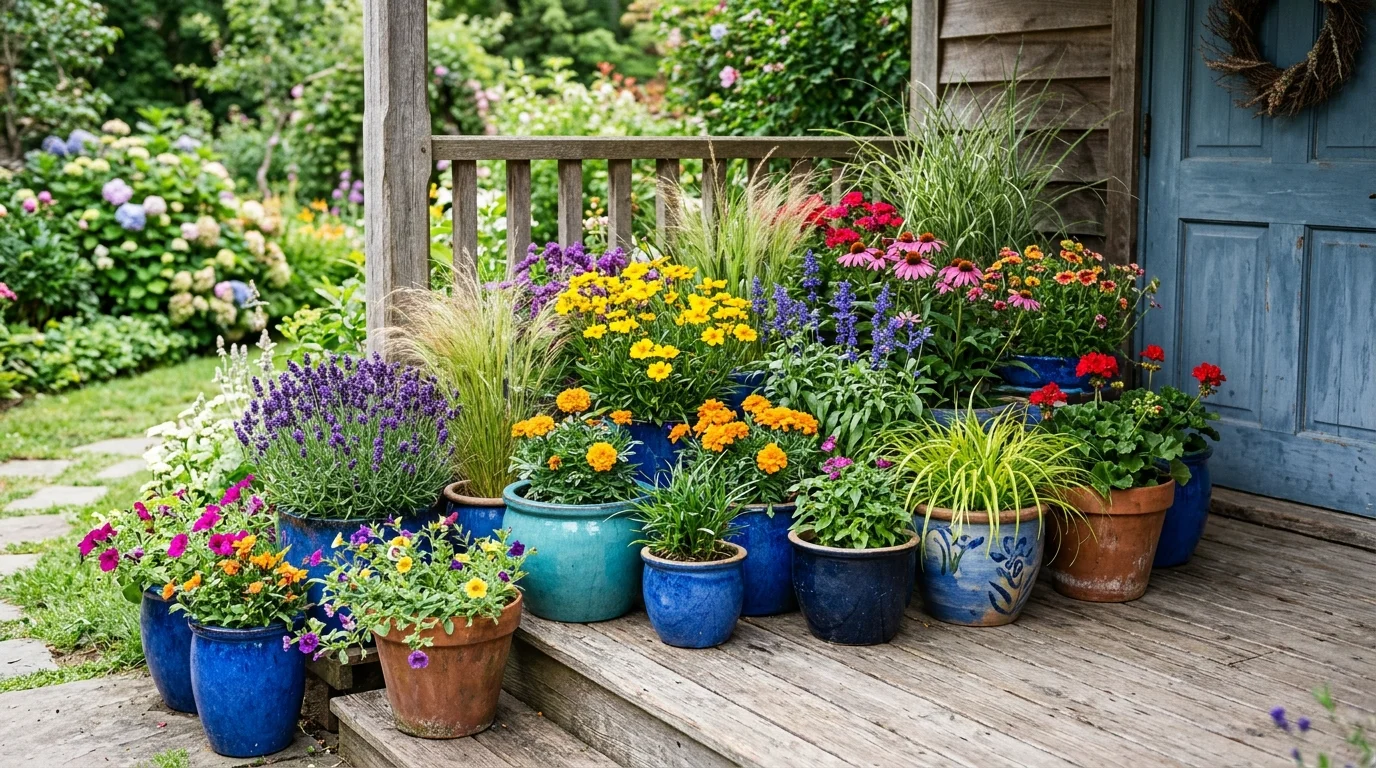
Flexibility is a major advantage in a small garden. A layout centered around containers allows you to rearrange your landscape based on the seasons or your needs. Use a variety of pot sizes and heights to create a dynamic look. This approach is ideal for renters or those with paved patios, as it allows for a high density of plants that can be moved to chase the sun or make room for guests.
5. Built-in Seating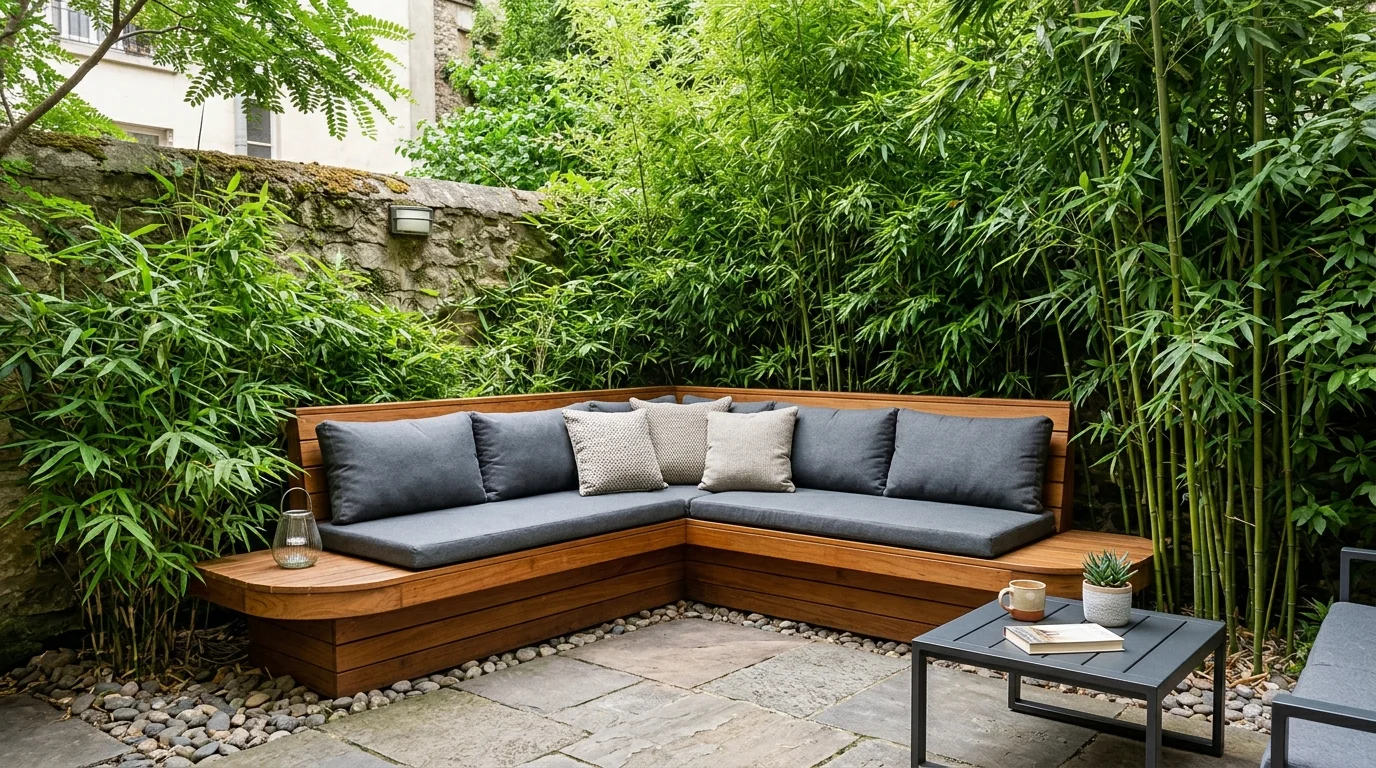
In tiny spaces, every piece of furniture should serve a dual purpose. Built-in benches around the perimeter of a deck or patio save the space that individual chairs would take up and often provide hidden storage underneath. By integrating seating into your garden beds, you create a seamless flow between the architecture and the nature surrounding it, making the area feel like a cozy outdoor room.
6. Herb Spiral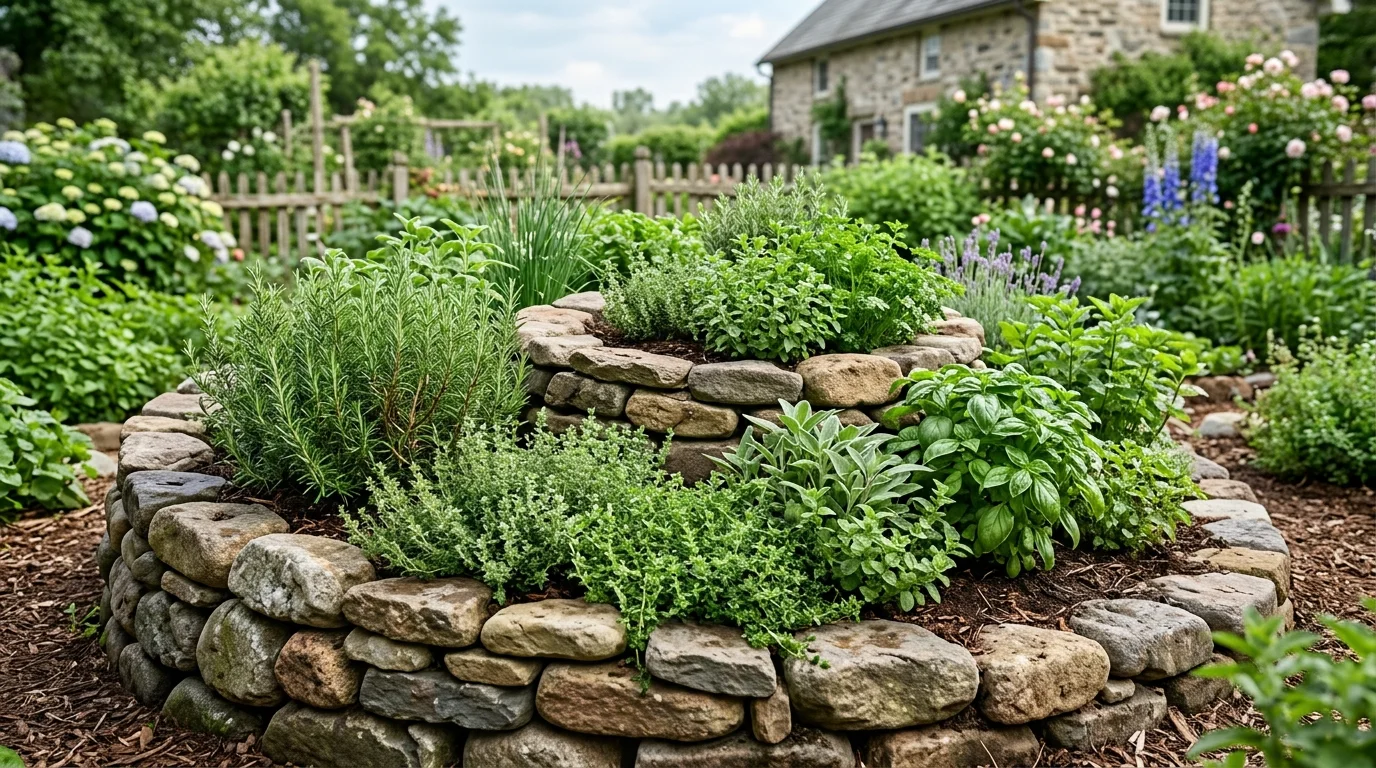
An herb spiral is a permaculture classic that fits perfectly into small urban gardens. This circular, upward-winding layout creates various microclimates—hot and dry at the top, cool and moist at the bottom—allowing you to grow a wide range of herbs in a very small footprint. It’s not only highly productive but also serves as a beautiful, sculptural focal point for your garden.
7. Japanese Zen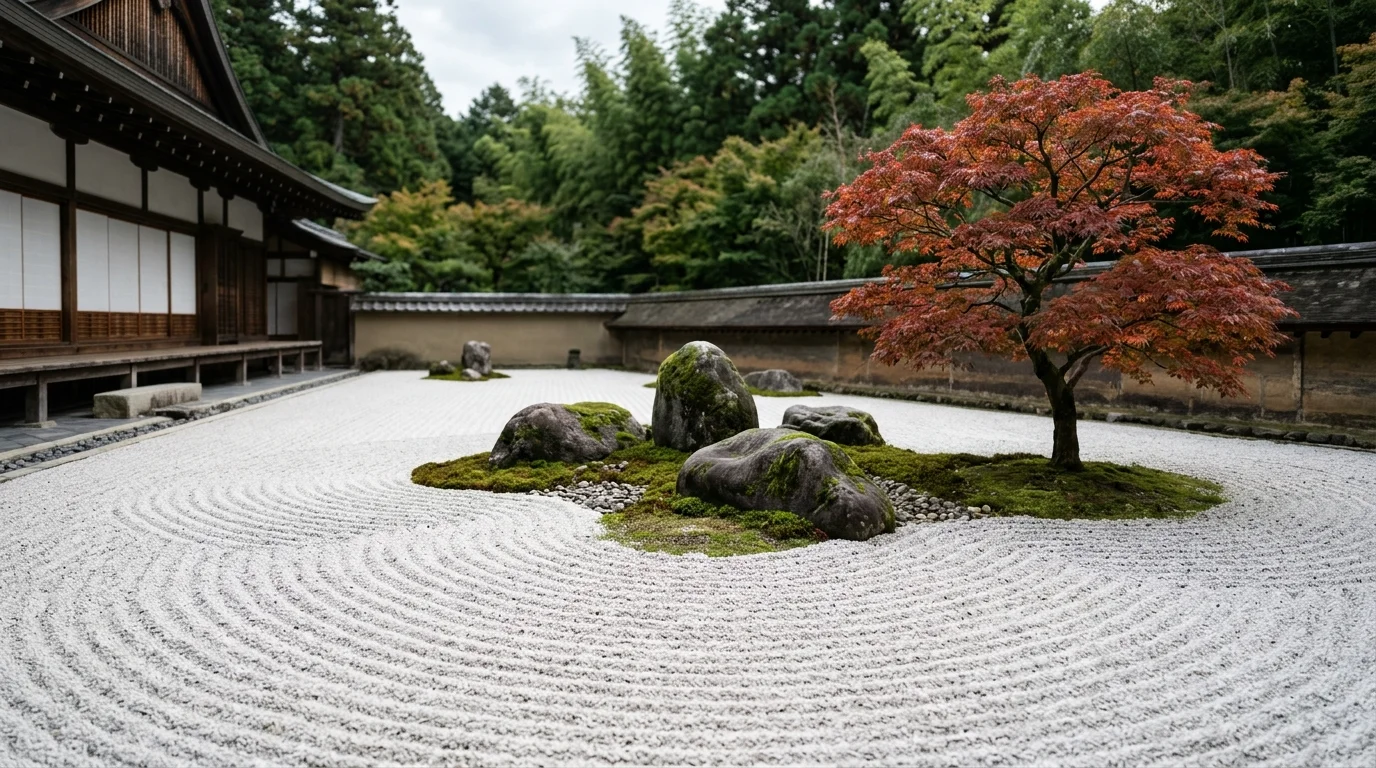
The Zen philosophy is built on the idea that "less is more." This layout focuses on minimalism, balance, and natural materials like stone, sand, and wood. By limiting the color palette and using a few high-impact plants, you create a space that feels calm and uncluttered. A small raked gravel area or a simple stone water basin can turn a tiny backyard into a meditative sanctuary.
8. Bistro Nook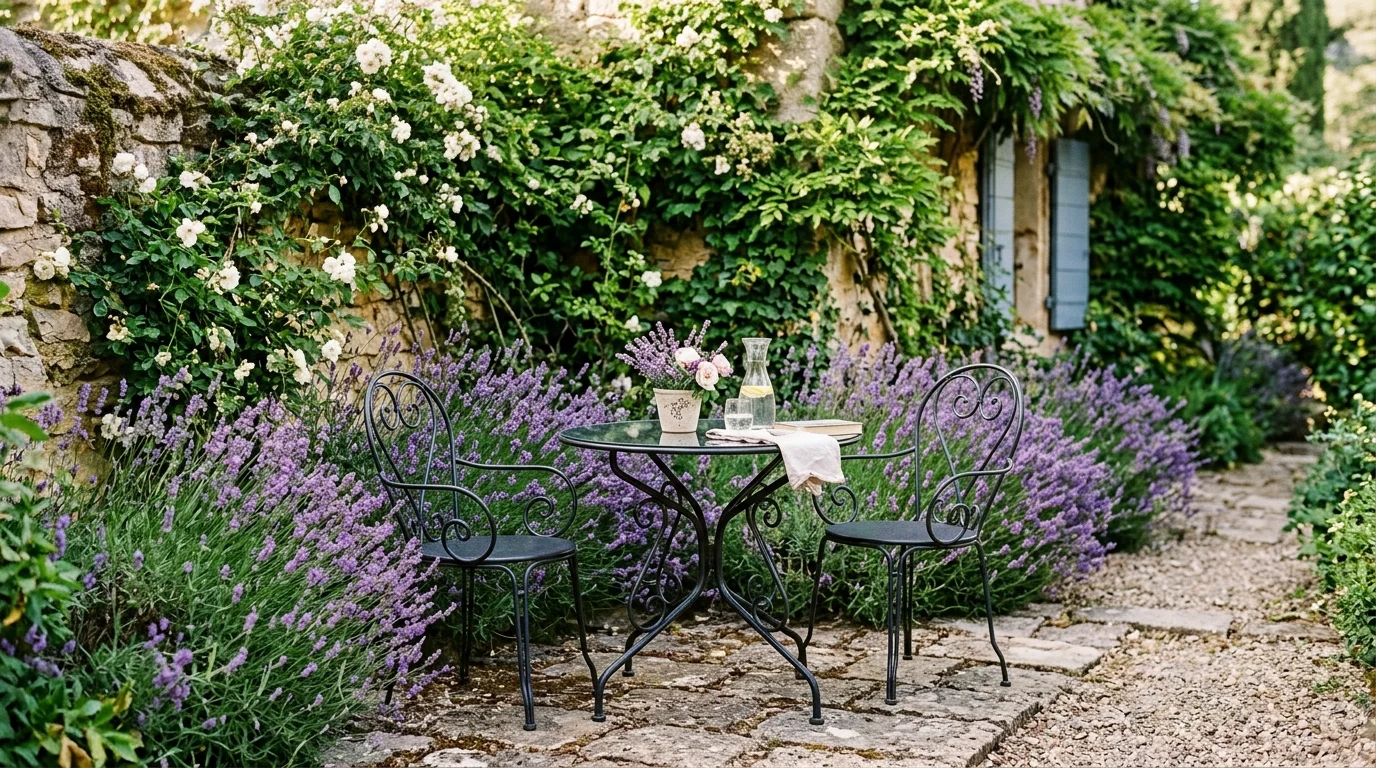
You don’t need a massive dining set to enjoy the outdoors. A bistro-style layout focuses on creating a charming spot for a morning coffee or an evening glass of wine. Use small-scale furniture with thin legs to maintain a sense of openness. Surround the area with fragrant plants like lavender or jasmine to enhance the sensory experience of your private little cafe.
9. Grassless Courtyard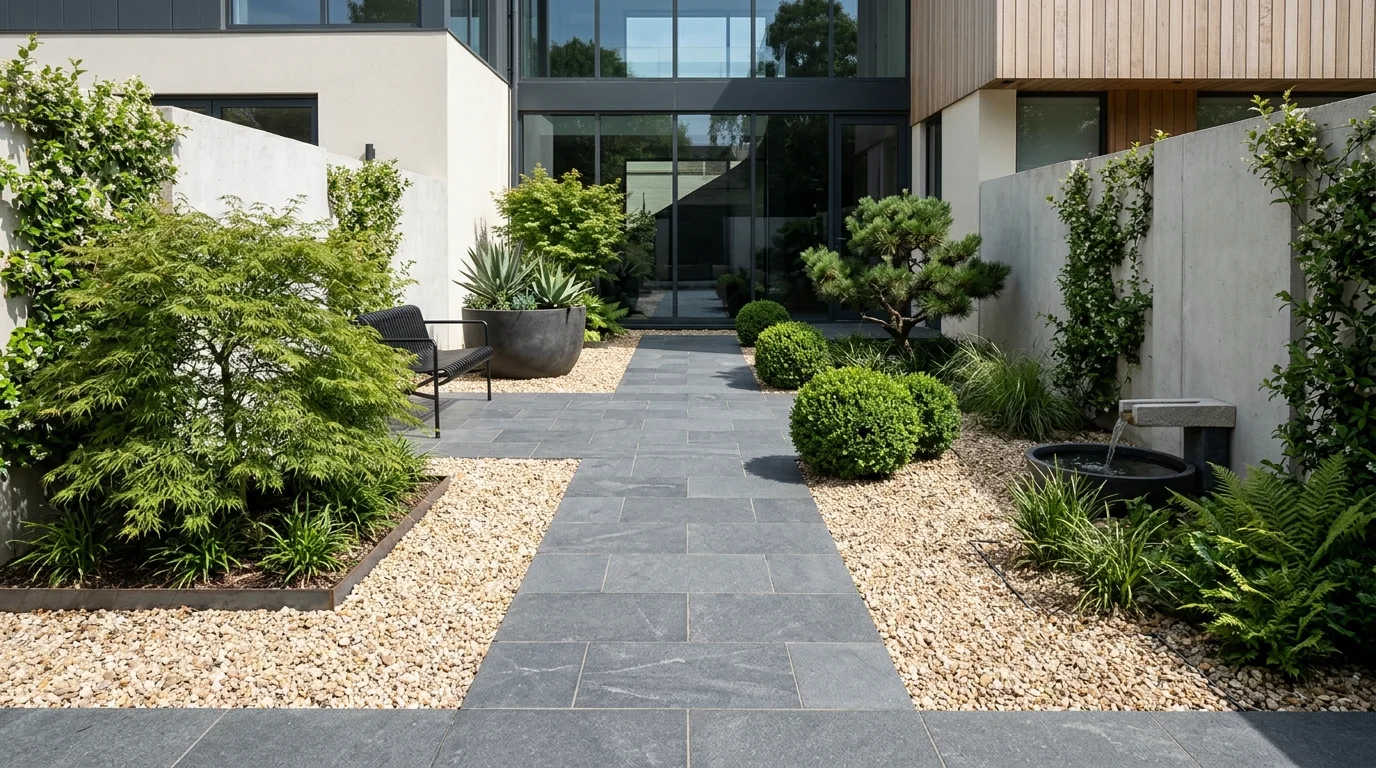
Lawns can be difficult to maintain in small, shaded spaces. A grassless layout using high-quality paving, gravel, or decking creates a clean, modern look that is low-maintenance. Break up the hardscaping with "pockets" of planting or use different materials to define "zones" (like a dining area vs. a lounging area). This makes the space feel organized and intentional.
10. Living Walls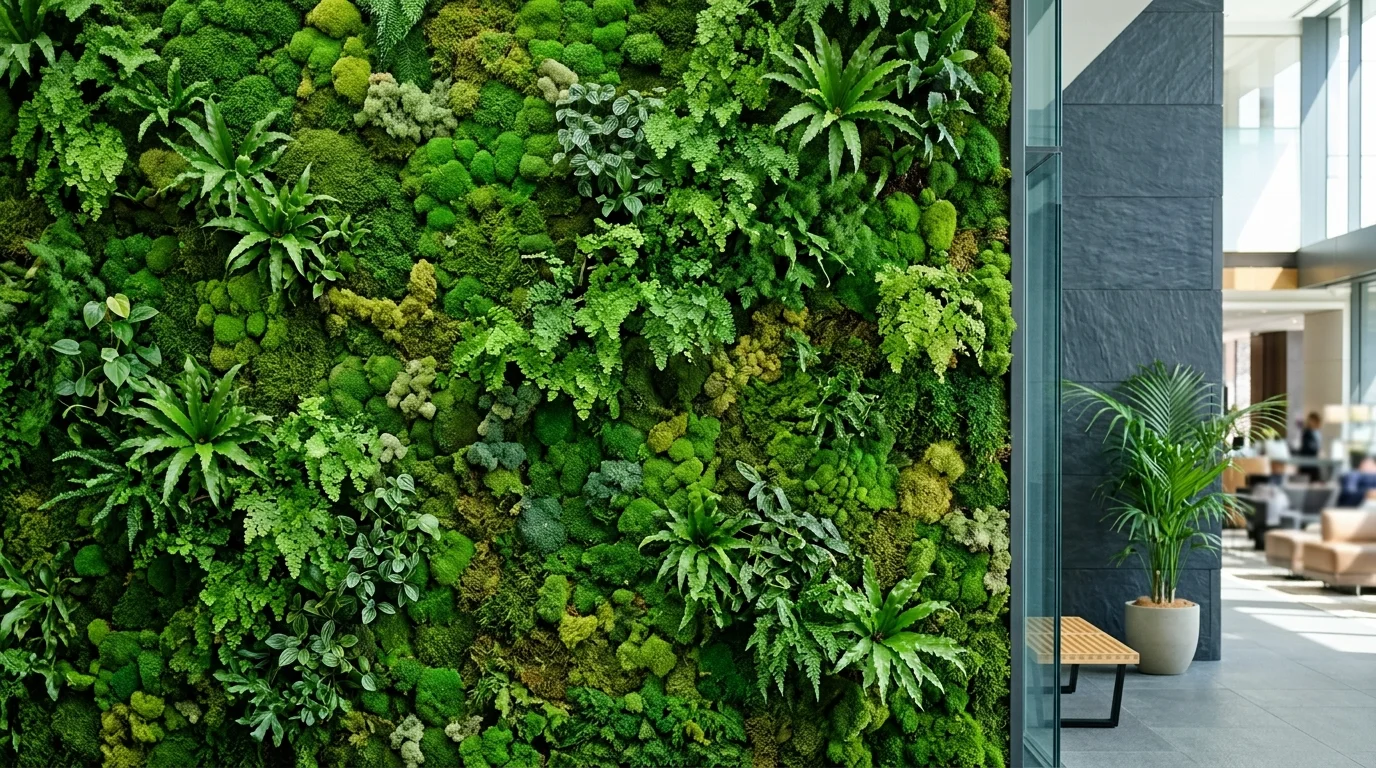
Unlike standard vertical planters, a true living wall (or green wall) uses a hydroponic system or felt pockets to cover a vertical surface completely in foliage. This layout is perfect for creating a dramatic "jungle" effect in a very narrow side passage or a small balcony. It provides excellent insulation, reduces noise, and acts as a natural air purifier for urban dwellers.
11. Trellis Archways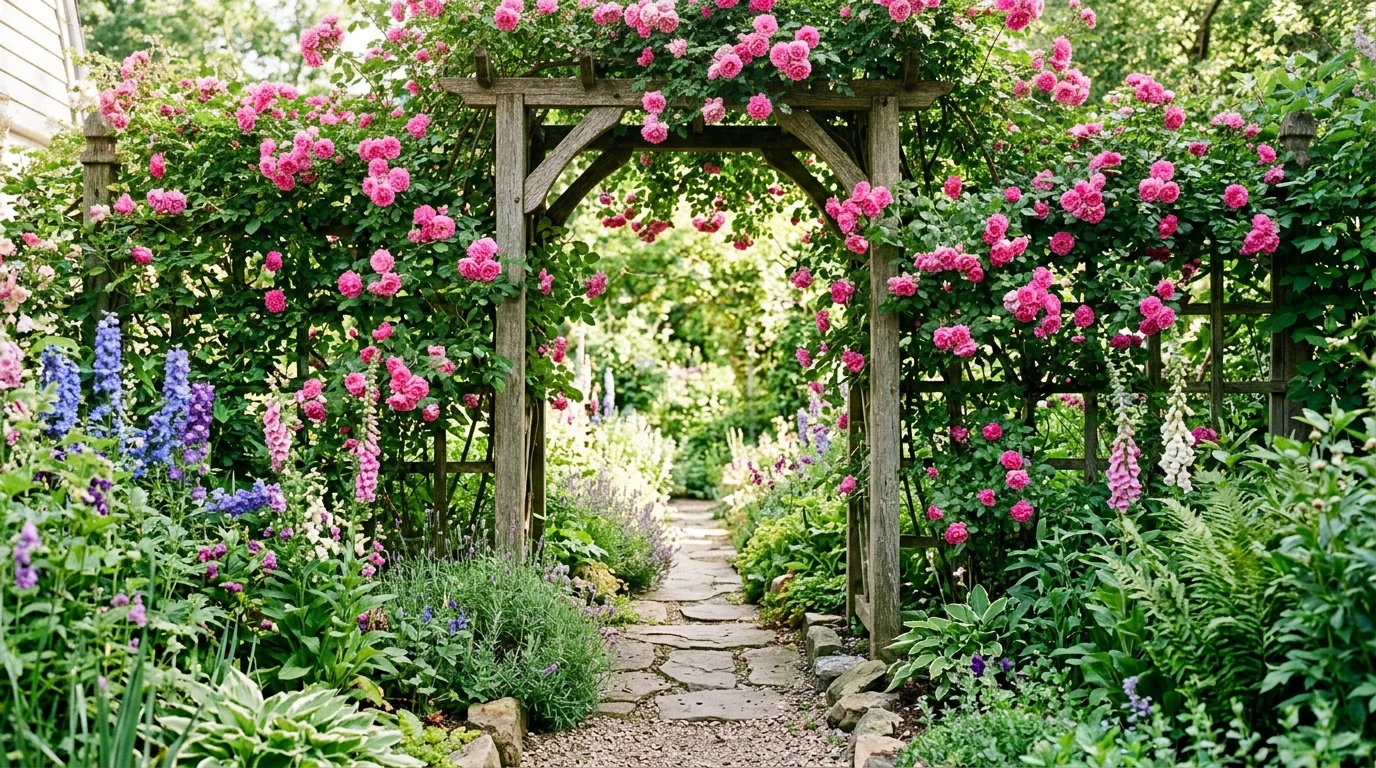
Height creates the illusion of grandeur. By installing a trellis or an archway over a path or against a wall, you draw the eye upward, making the garden feel more spacious. Climbing plants like clematis, honeysuckle, or wisteria can be trained to grow over these structures, adding a layer of overhead greenery that doesn't consume valuable floor space.
12. Raised Beds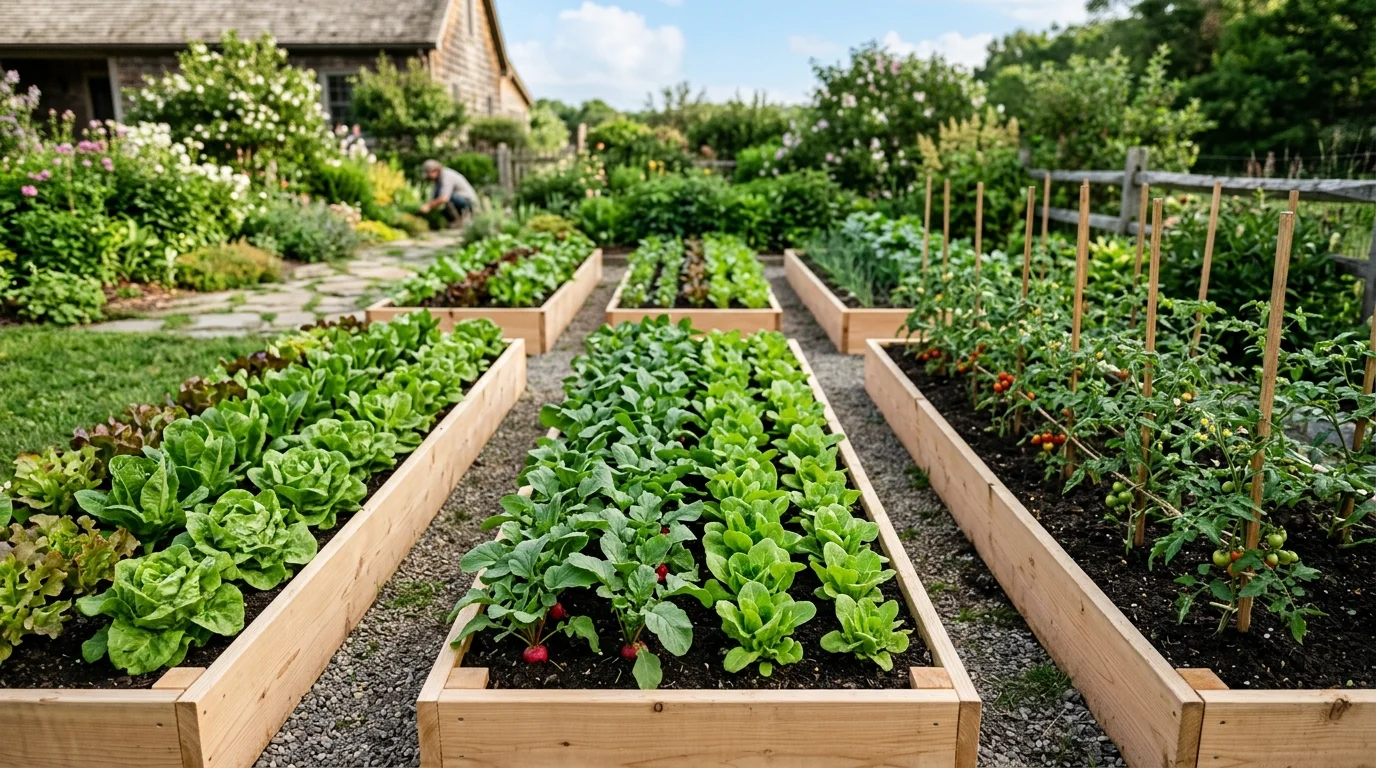
Raised beds are a dream for small-space gardeners who want to grow their own food. They offer better drainage, warmer soil, and clear boundaries that prevent the garden from looking messy. By keeping the beds narrow and linear, you can easily access your crops from the path, ensuring that every square inch of the garden remains functional and tidy.
13. Lighting Magic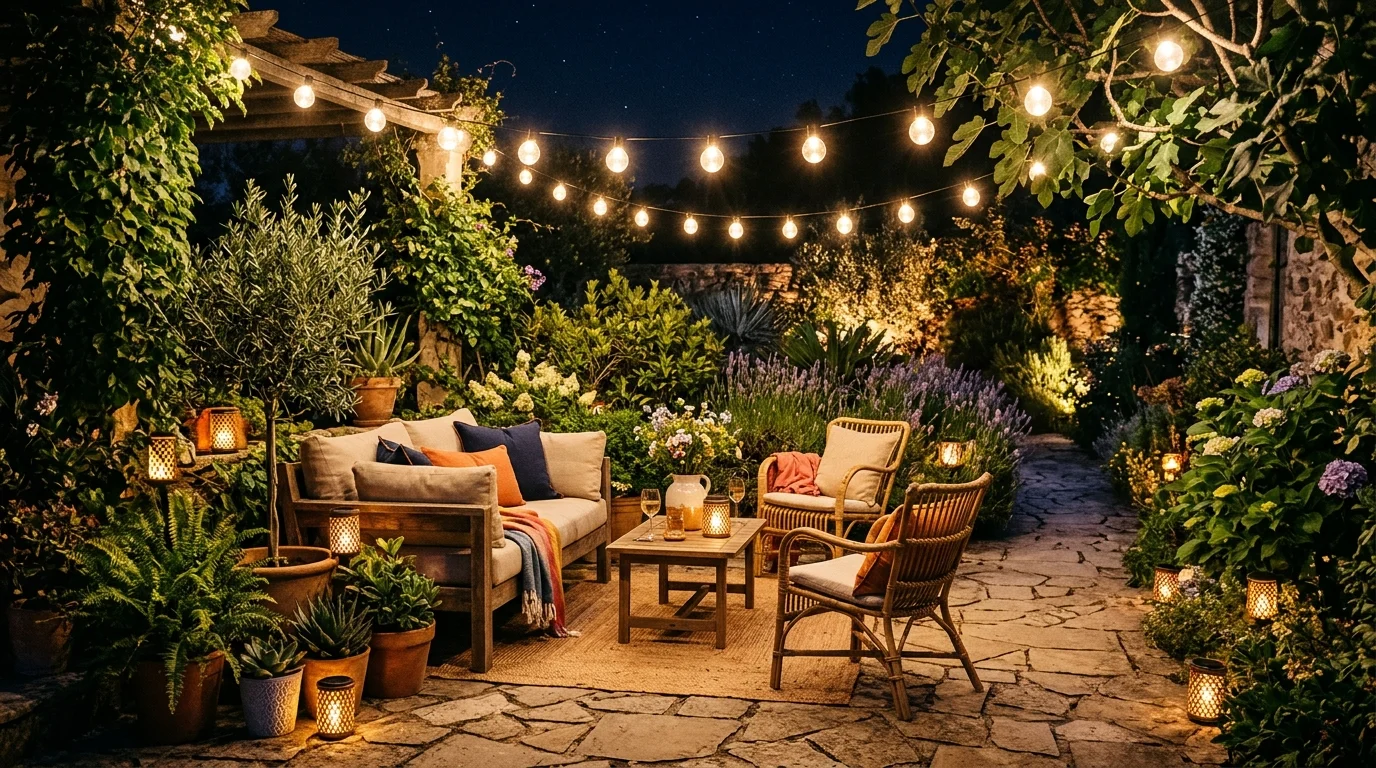
The right lighting can transform a small garden from a cramped space into an enchanting evening retreat. Use "uplighting" on trees or architectural plants to create shadows and depth. String lights draped overhead define the ceiling of your outdoor room, while small path lights lead the eye through the space. Lighting ensures your garden is usable long after the sun goes down.
14. Tropical Jungle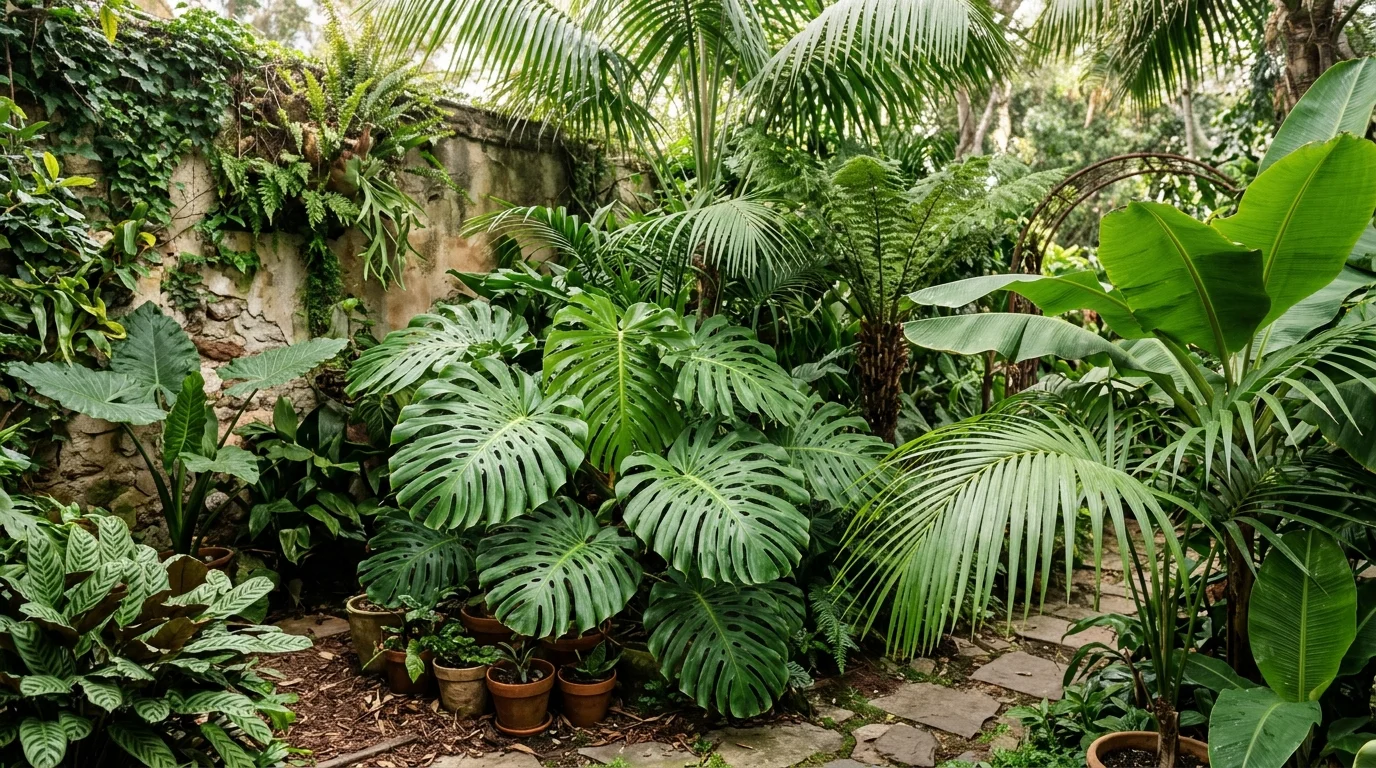
If you want your small garden to feel like an escape, go big with the foliage. A tropical layout uses oversized leaves and bold textures to create a lush, immersive environment. The density of the plants hides the boundaries of the garden, making it feel like it goes on forever. Use different shades of green to add depth and a few bright tropical flowers like hibiscus for pops of color.
15. Edible Edge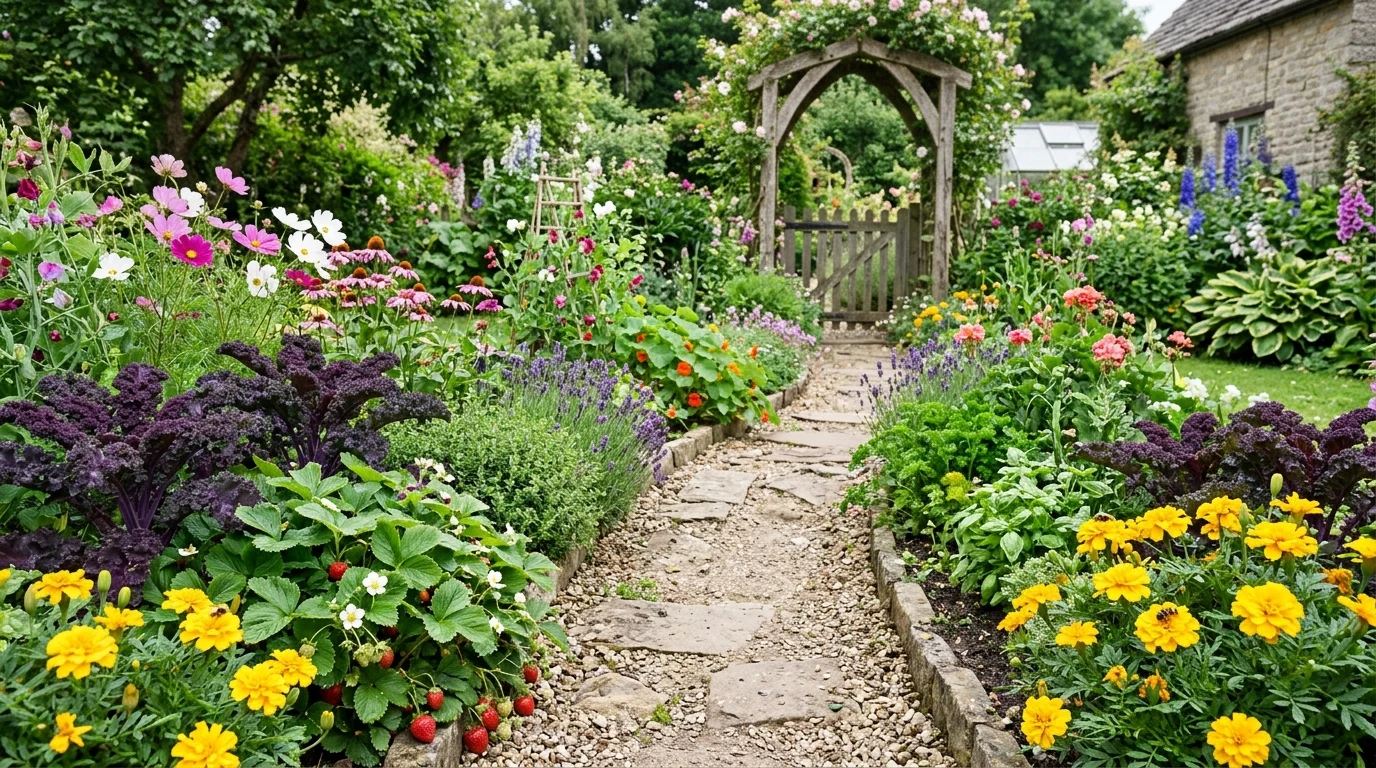
Who says vegetables have to be hidden in the back? The "edible edge" layout integrates food-producing plants directly into your ornamental borders. Mix curly kale with marigolds, or use blueberry bushes as a hedge. This multi-functional approach ensures that even the smallest garden is both beautiful to look at and bountiful to harvest.
Conclusion
Designing a small garden is an exercise in creativity and restraint. By focusing on vertical elements, multi-functional furniture, and a cohesive color palette, you can turn even the tiniest balcony or courtyard into a spectacular outdoor haven. Remember that in a small space, every detail matters—from the texture of the stones to the scent of the flowers. Start small, think big, and watch your tiny garden become your favorite room in the house.
Frequently Asked Questions
How do I make a small garden look bigger?
To create the illusion of space, use light-colored paving, add mirrors to reflect light, and utilize vertical space with climbing plants. Creating "zones" with different materials can also make the garden feel like it has more "rooms," which adds to the perceived size.
What are the best plants for a small garden?
Opt for plants that have a long season of interest or provide multiple benefits. Dwarf varieties of trees, columnar shrubs, and "clump-forming" perennials are excellent as they don't spread aggressively. Look for plants with interesting foliage textures to add depth without needing a huge variety of species.
Can I grow vegetables in a tiny space?
Absolutely! Vertical towers, hanging baskets (for strawberries or cherry tomatoes), and raised beds are perfect for small-scale vegetable gardening. Focus on high-yield crops that take up little space, such as salad greens, herbs, and peppers.