
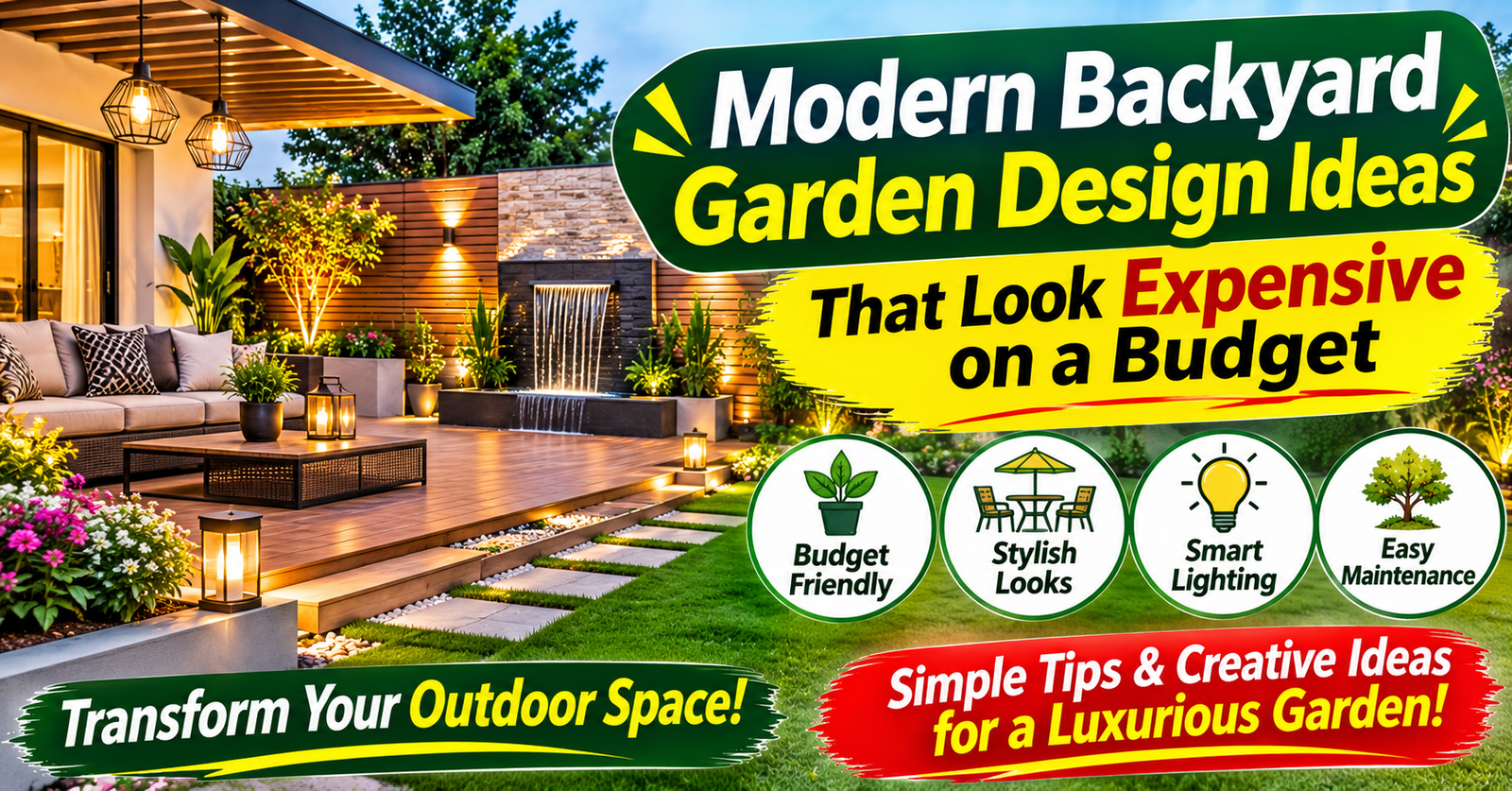
Creating a high-end, contemporary outdoor space doesn’t require a celebrity-sized bank account. The "expensive" look in modern landscaping is rarely about the price of the materials and more about the precision of the design. Modernism thrives on clean lines, intentional negative space, and a curated color palette. By focusing on symmetry, texture, and structural elements, you can transform a cluttered backyard into a sleek sanctuary that looks like it belongs on the pages of a design magazine.
Here are ten transformative strategies to achieve a high-end aesthetic while keeping your budget firmly intact.
1. Geometric Paths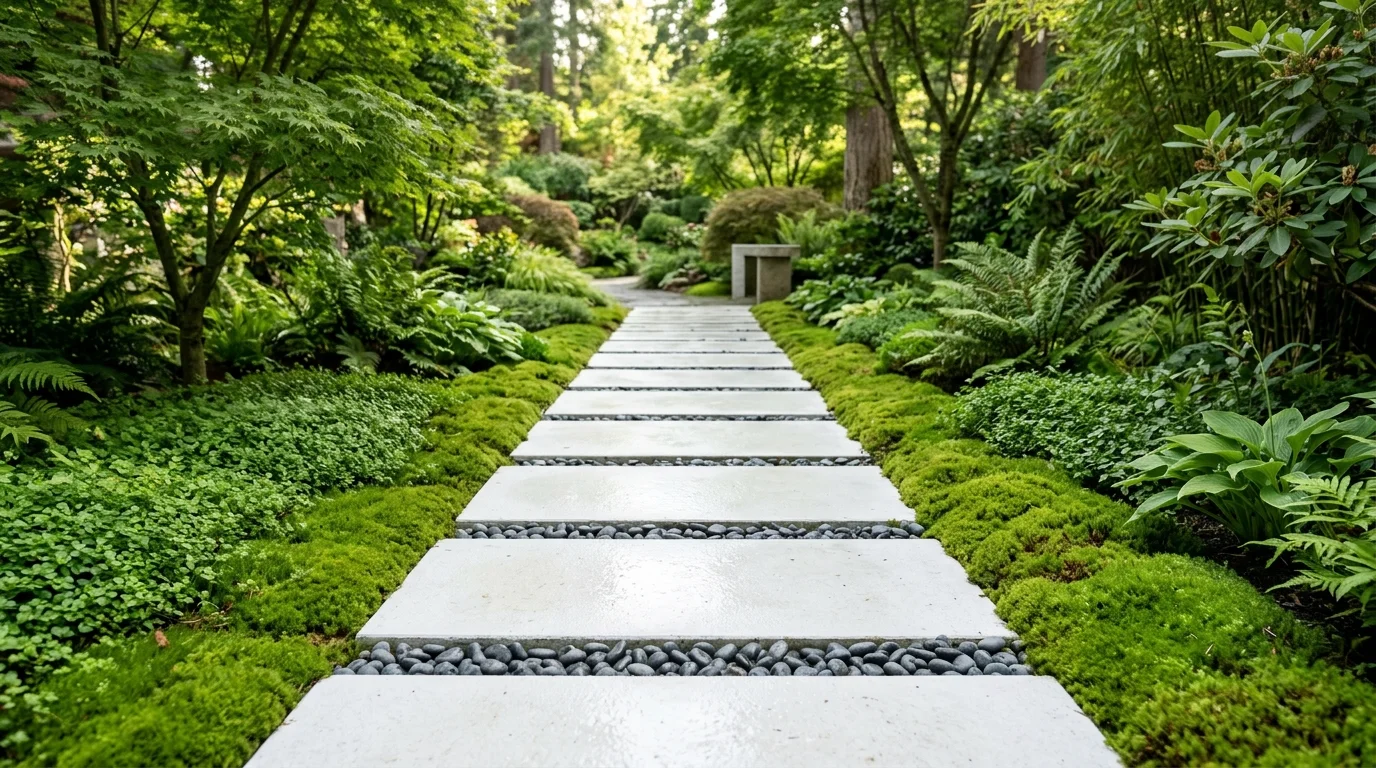
One of the hallmarks of expensive modern design is the use of geometric repetition. Instead of pouring a solid concrete slab—which can be costly and prone to cracking—opt for oversized pavers. Large-scale rectangular or square pavers create a sense of rhythm and grandeur. By spacing them out and filling the gaps with contrasting materials like dark basalt gravel or white pea shingle, you create a high-contrast, graphic look. This "stepping stone" approach uses fewer materials than a solid patio but provides a significantly more architectural feel.
2. Layered Lighting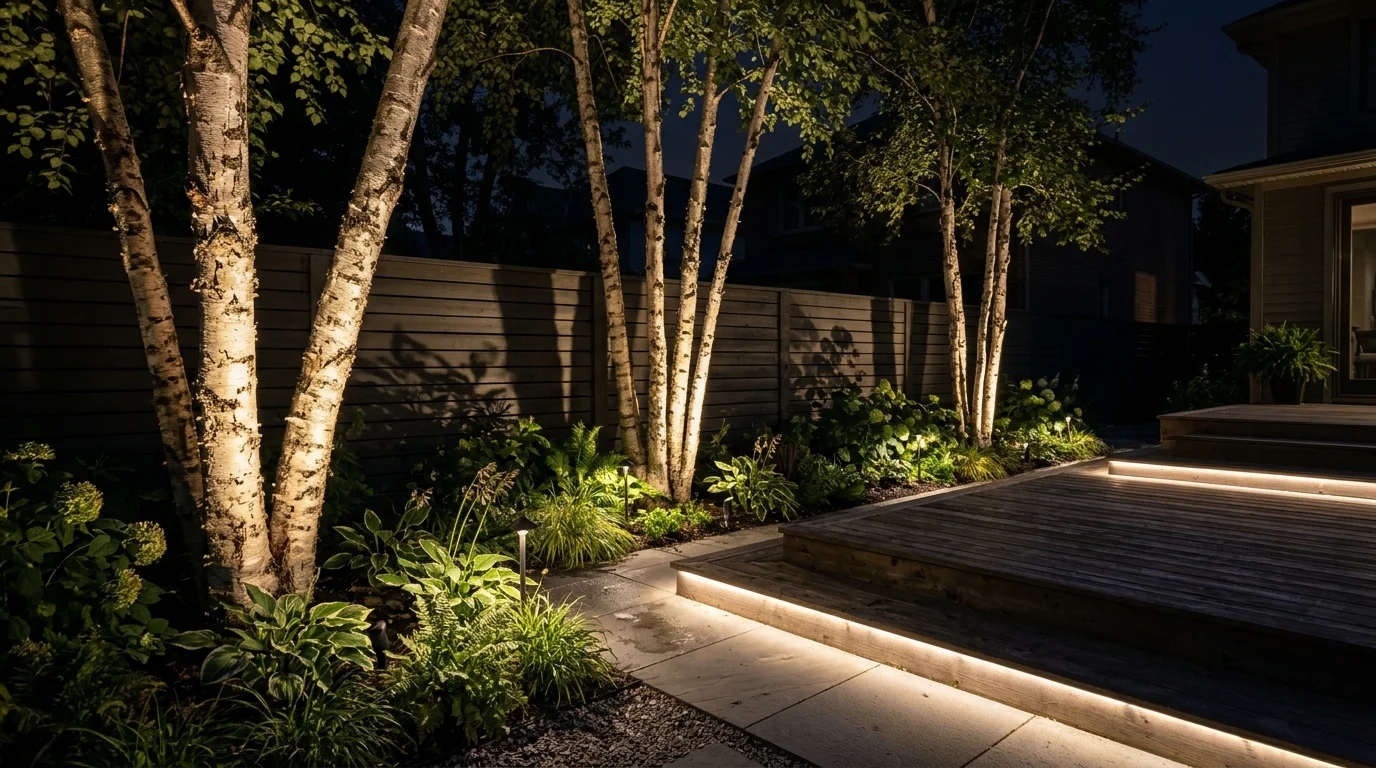
Professional lighting is the fastest way to add zeros to the perceived value of your home. The secret to a "resort" feel is layering. Avoid the "landing strip" look of cheap solar stakes lined up in a row. Instead, use "uplighting" to highlight the texture of tree bark or the architectural shape of a large agave. Use "grazing" techniques by placing lights at the base of a textured wall to highlight its shadows. Budget-friendly LED strip lights hidden under the lip of a bench or the edge of a deck create a "floating" effect that looks incredibly sophisticated at night.
3. Architectural Plants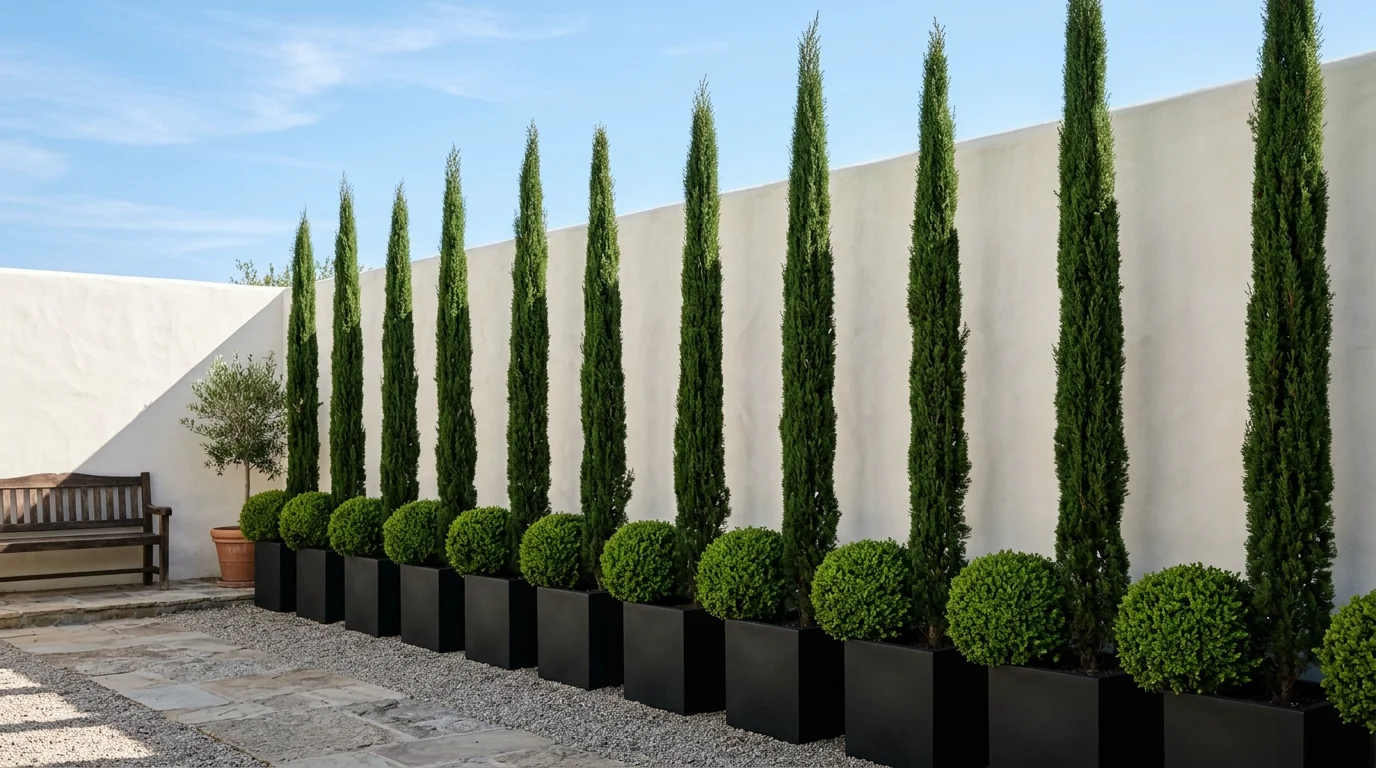
In a modern garden, plants are treated like living sculptures. Rather than a chaotic mix of colorful flowers, select a few species with strong, structural shapes. Think of ornamental grasses like Karl Foerster, which offer height and movement, or the sharp, architectural blades of Yucca and Agave. Planting in "drifts"—large groups of the same plant—creates a sense of intentionality and scale. By limiting your plant palette to three or four species and repeating them throughout the space, you achieve a cohesive, designer-curated look for the price of basic nursery stock.
4. Vertical Accents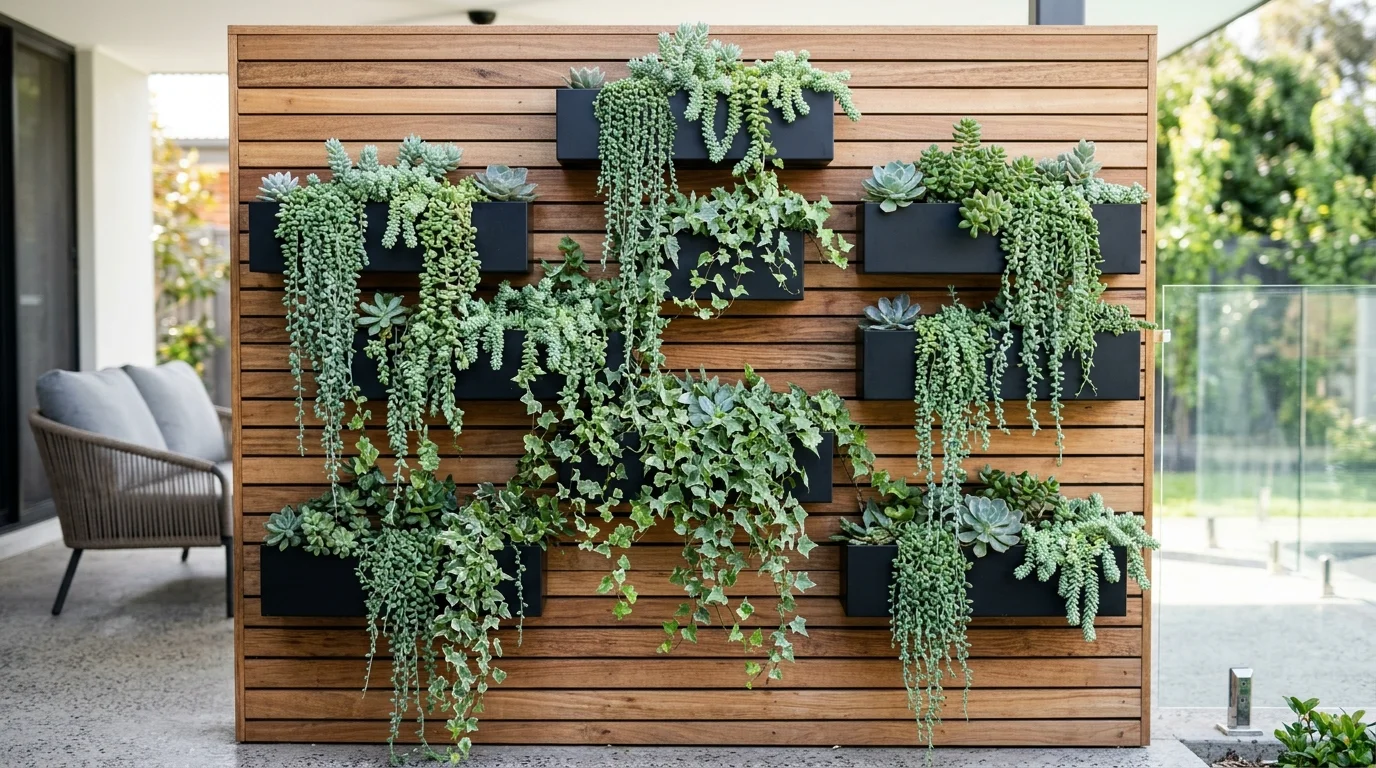
If you have a small backyard, the most underutilized real estate is your vertical space. A plain wooden fence or a brick wall can be transformed into a design feature with simple timber slats. Installing thin cedar or stained pine slats horizontally over an existing fence creates a sleek, linear backdrop that mimics high-end Japanese or Scandinavian design. You can also use black-painted trellis panels to grow climbing vines like Star Jasmine, which provides a lush, green "wallpaper" effect that smells as expensive as it looks.
5. Minimalist Water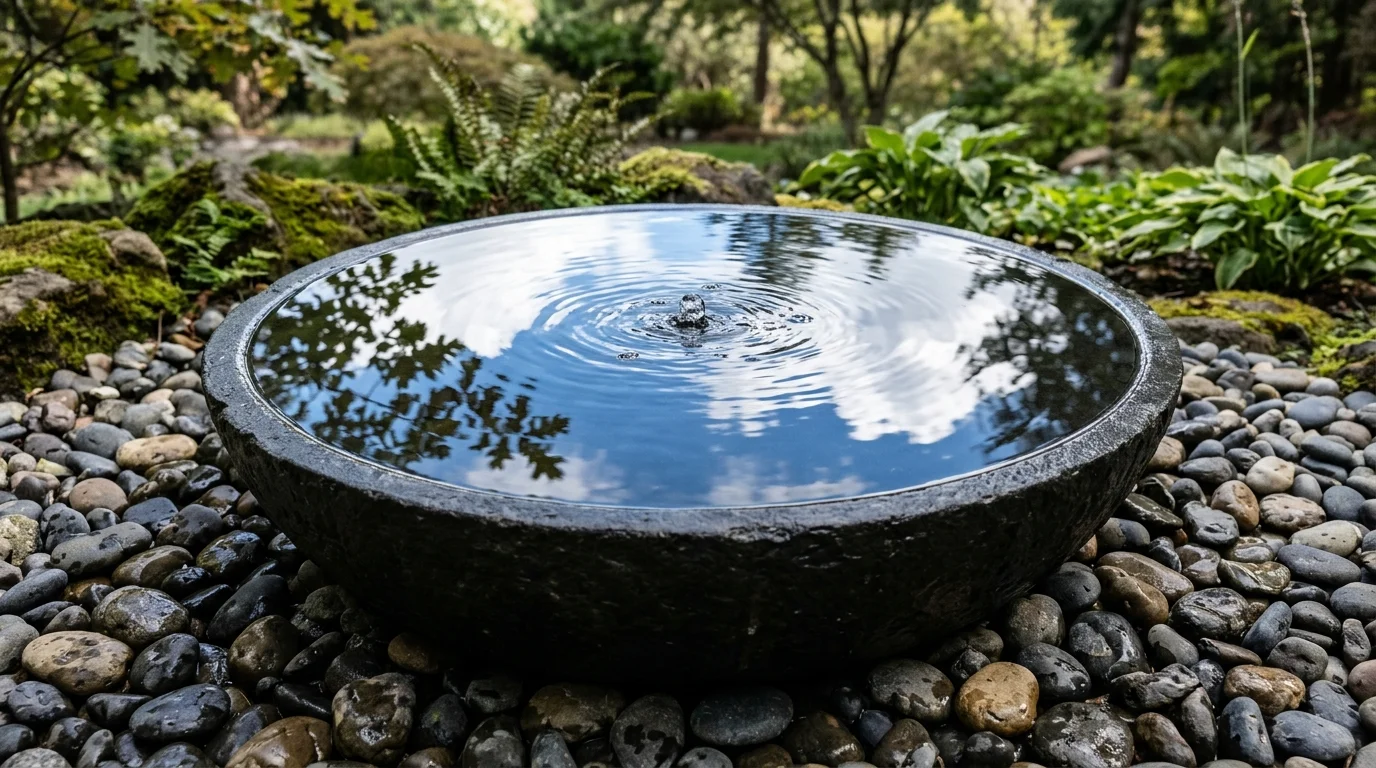
The sound of trickling water is the ultimate luxury, but you don't need a custom-built waterfall. A minimalist water feature can be DIYed using a large, weather-resistant planter and a small submersible pump. A "disappearing" fountain—where the water spills over the edge of a vessel into a hidden reservoir covered by stones—looks incredibly clean and modern. The key is to keep the vessel's shape simple and the surrounding materials monochromatic. This adds a sensory layer to the garden that feels tranquil and upscale.
6. Defined Zones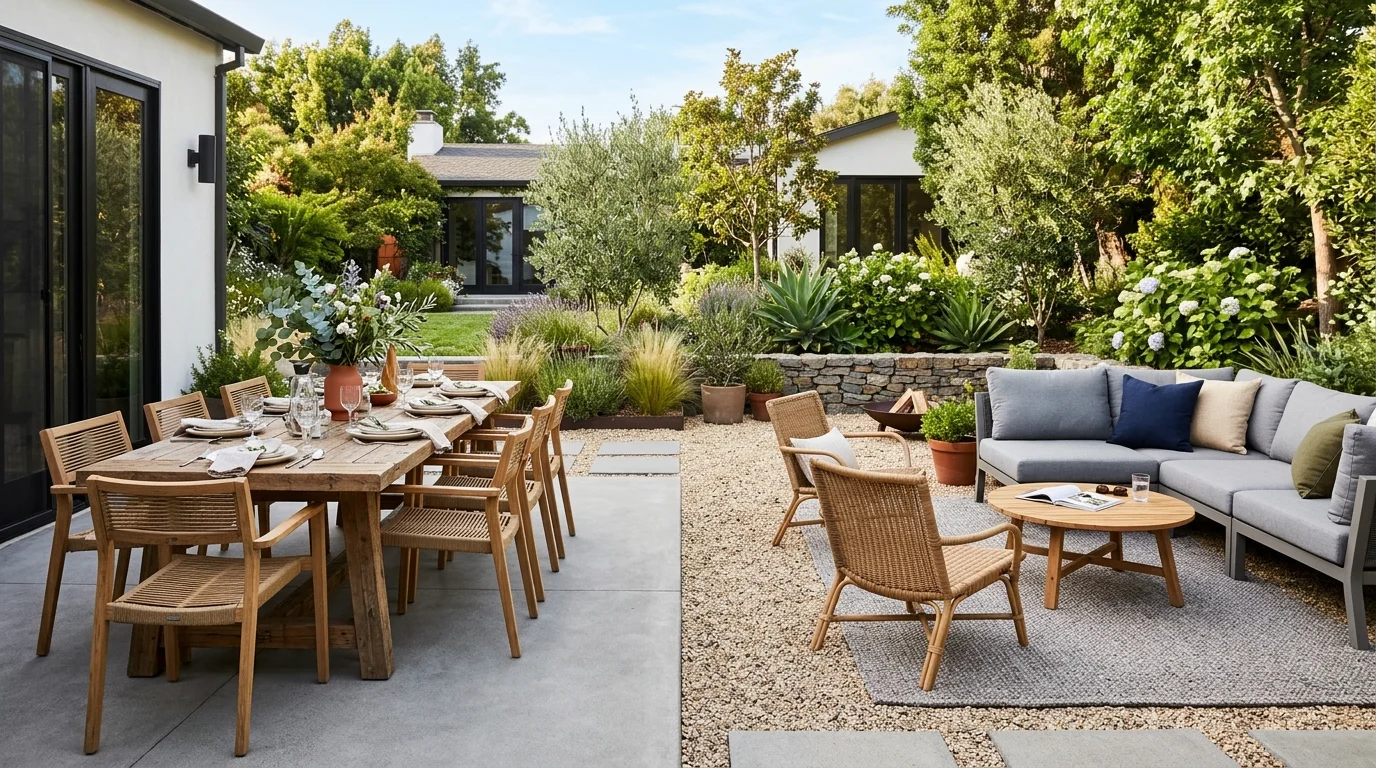
High-end backyards are often divided into "rooms," each with a specific purpose. You can define these zones without building walls. Use different ground textures to signal a change in use—for example, a wooden deck for dining and a gravel area for lounging. A large, weather-resistant outdoor rug in a neutral geometric pattern can instantly ground a seating area, making it feel like an extension of your interior design. When a space is organized into clear zones, it feels larger, more functional, and far more expensive.
7. Sleek Firepits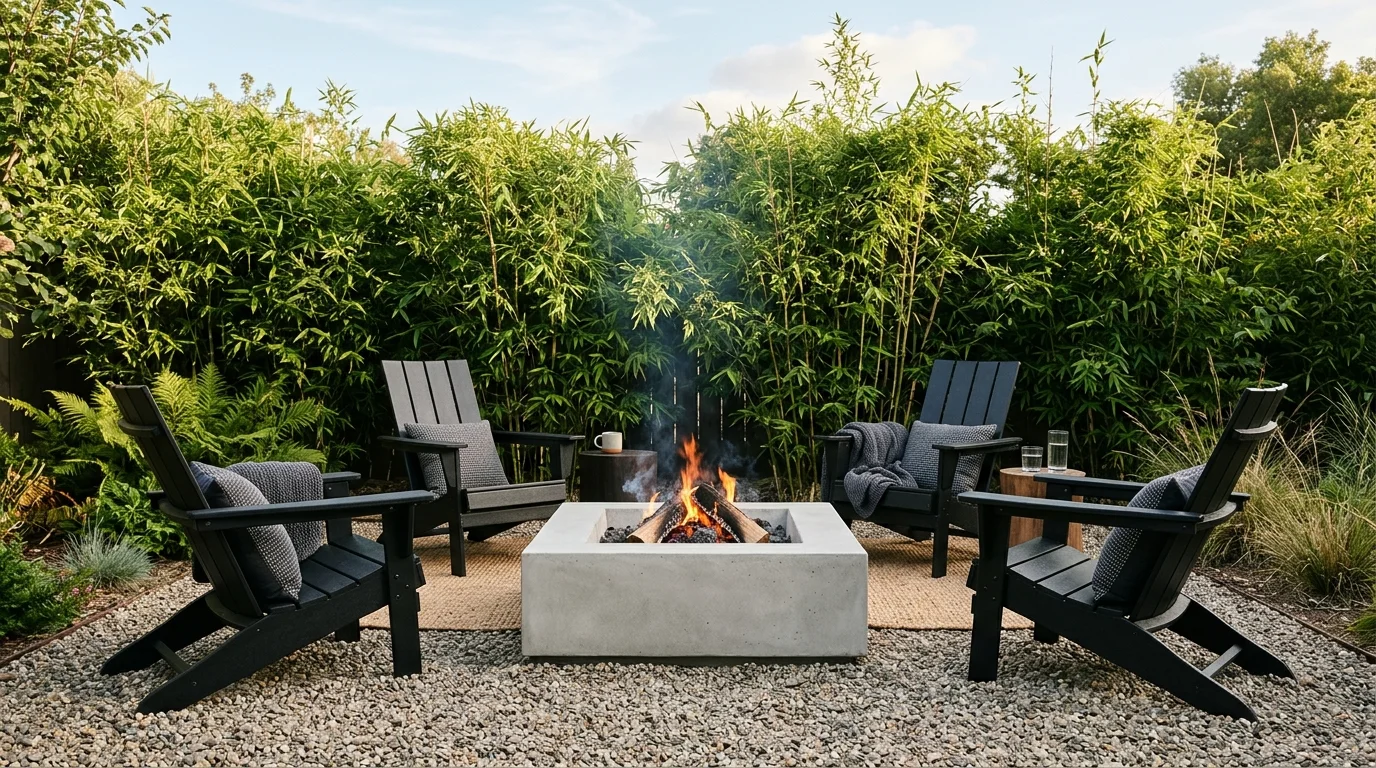
A fire pit is the focal point of the modern backyard. While ornate stone pits can look dated, a simple, low-profile fire pit feels contemporary. You can create a high-end look on a budget by using a basic metal fire bowl and surrounding it with a dedicated "zone" of gravel or pavers. Symmetry is your best friend here; placing identical chairs around the pit creates a balanced, professional look. If you use a portable fire pit, consider "building it in" by creating a recessed area in your patio or gravel, which makes it look like a custom architectural feature.
8. Gravel Textures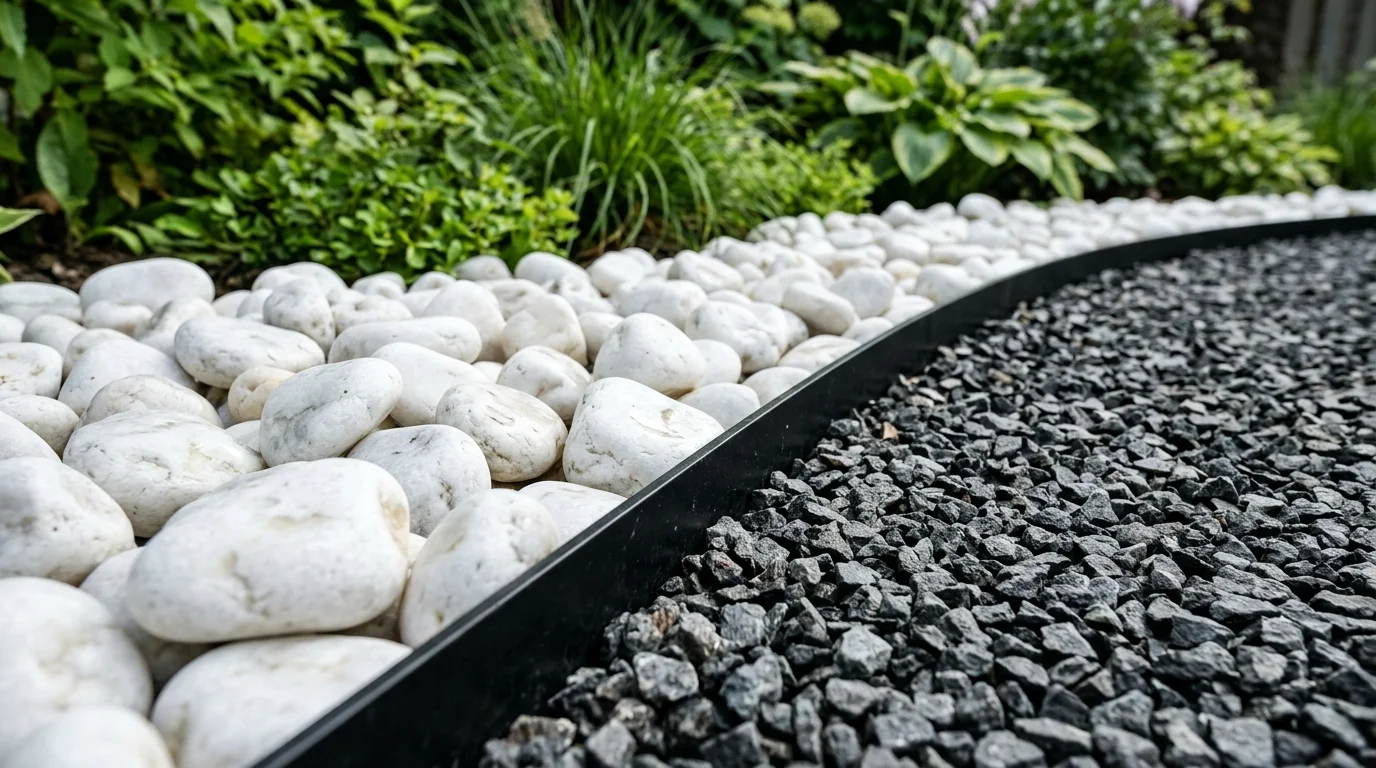
Gravel is the best-kept secret of budget-friendly modern landscaping. It is significantly cheaper than stone or wood decking, and it provides a "crunch" underfoot that feels very high-end. The trick to making gravel look expensive is the color and the edge. Choose "monochromatic" gravels—either very white, very grey, or very dark. Avoid the "multi-color" river rock found at big-box stores. When paired with a sharp metal or plastic edging to keep the lines crisp, gravel looks like a deliberate design choice rather than a cheap filler.
9. Monochrome Colors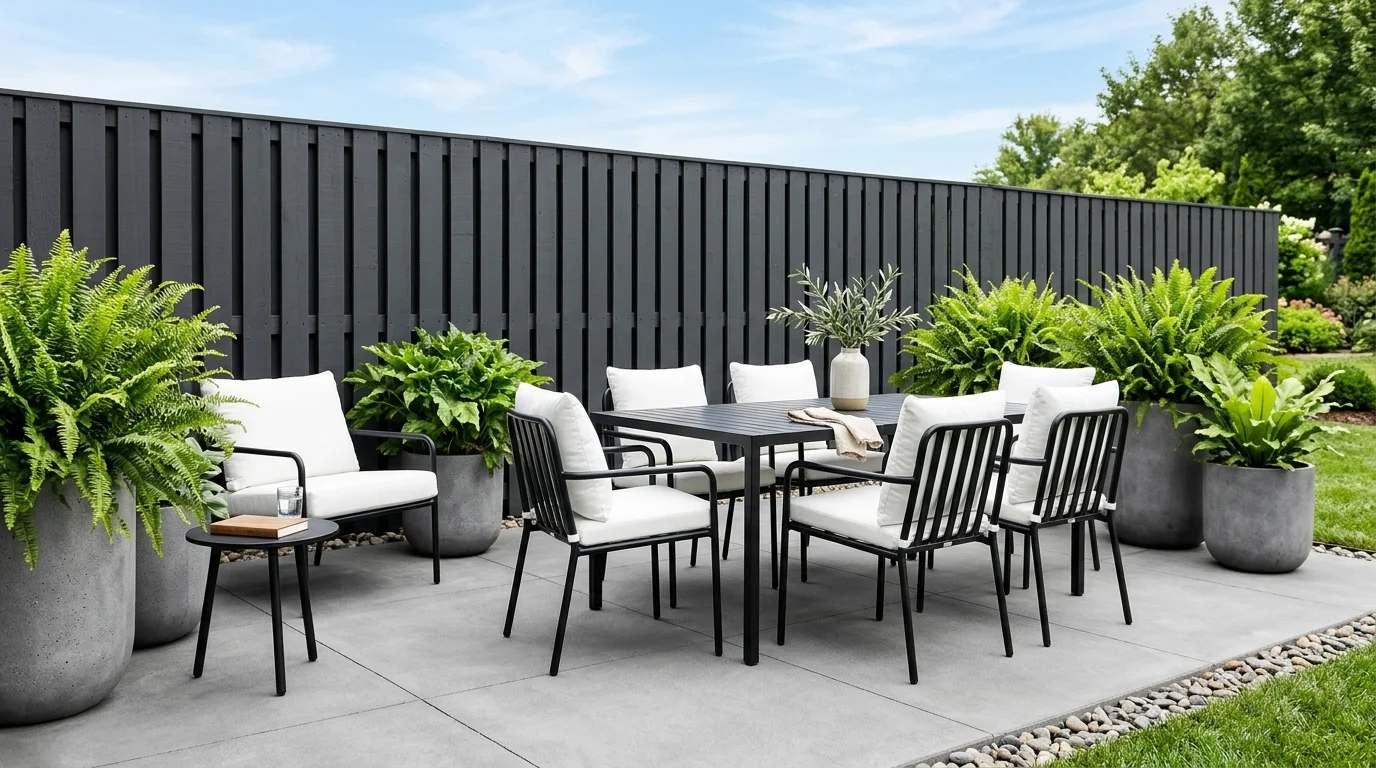
A sophisticated color palette is usually very restricted. To get the "expensive" look, stick to a trio of neutrals: black, white, and grey, with the green of the plants providing the only pop of color. Painting an old, weathered fence in a deep charcoal or matte black instantly modernizes the entire yard and makes the green foliage of your plants "pop" against the dark background. Using matching pots in a single color—like all matte black or all terracotta—creates a sense of rhythm that feels much more high-end than a collection of mismatched containers.
10. Bold Edging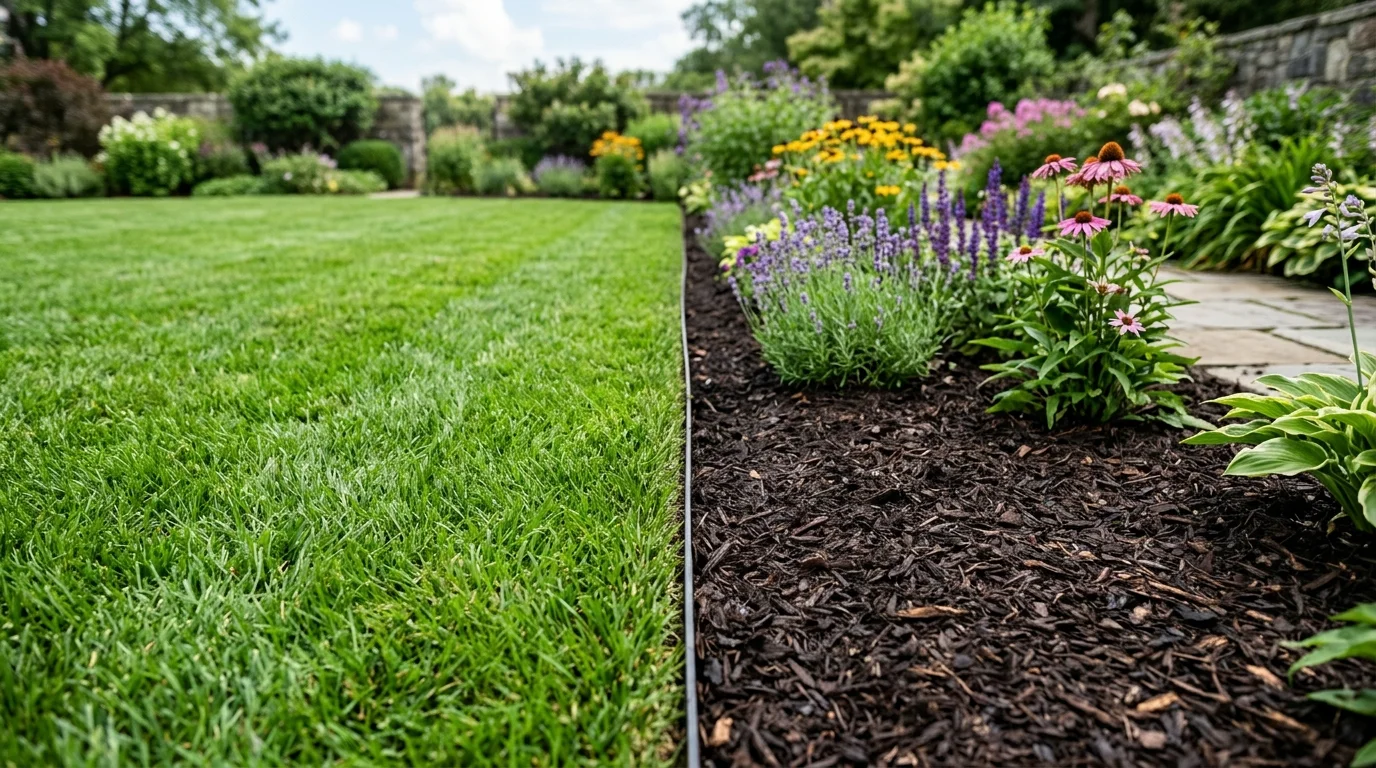
The difference between a "DIY" yard and a "professional" landscape is the quality of the edges. Modern design relies on crisp, clean transitions between materials. Using steel or heavy-duty aluminum edging allows you to create perfectly straight lines or smooth, intentional curves that don't shift over time. This keeps grass from encroaching on your gravel and mulch from spilling onto your pavers. A sharp edge provides a level of "polish" that makes the entire garden look meticulously maintained and professionally designed.
Frequently Asked Questions
How can I make a small backyard look larger using modern design?
Use large-format pavers and a monochromatic color scheme. Small, busy patterns can make a space feel cluttered. By using larger elements and a consistent color palette, you create a seamless visual flow that tricks the eye into seeing more space. Additionally, vertical gardening draws the eye upward, emphasizing the height of the area.
What are the best low-maintenance plants for a modern garden?
Ornamental grasses (like Fountain Grass or Blue Fescue), succulents (like Echeveria or Agave), and evergreen shrubs (like Boxwood or Dwarf Mugo Pine) are excellent. These plants maintain their structural shape year-round and require very little pruning or deadheading, which fits the "neat and tidy" modern aesthetic.
Is gravel better than mulch for a modern look?
While mulch is great for plant health, gravel is generally preferred for the modern aesthetic. Gravel provides a permanent, clean texture that doesn't fade or decompose like mulch does. Dark grey basalt or white pea gravel offers a high-contrast look that defines paths and "negative spaces" much more effectively than brown wood chips.