
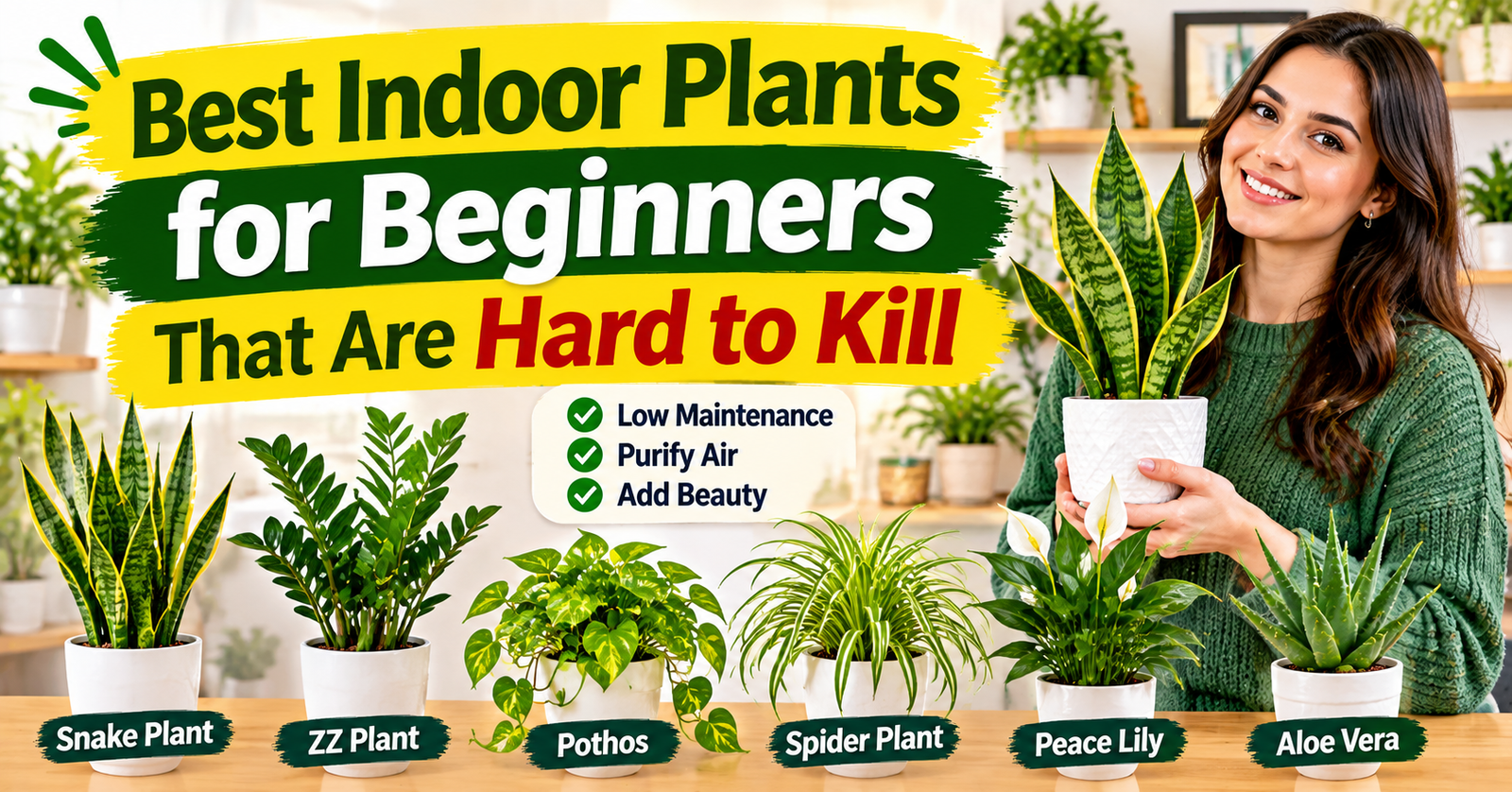
Bringing nature indoors is one of the most rewarding ways to enhance your living space. Plants do more than just sit there looking pretty; they purify the air, reduce stress, and boost productivity. However, for many aspiring "plant parents," the fear of a "black thumb" can be paralyzing. The secret to success isn't a magical gift for gardening—it’s choosing the right species.
Some plants are evolutionary marvels designed to survive in harsh environments, making them incredibly resilient to the occasional bout of neglect, overwatering, or low light. If you are looking to start your indoor garden without the heartbreak of immediate wilting, these ten hard-to-kill plants are the perfect starting point.
1. Snake Plant
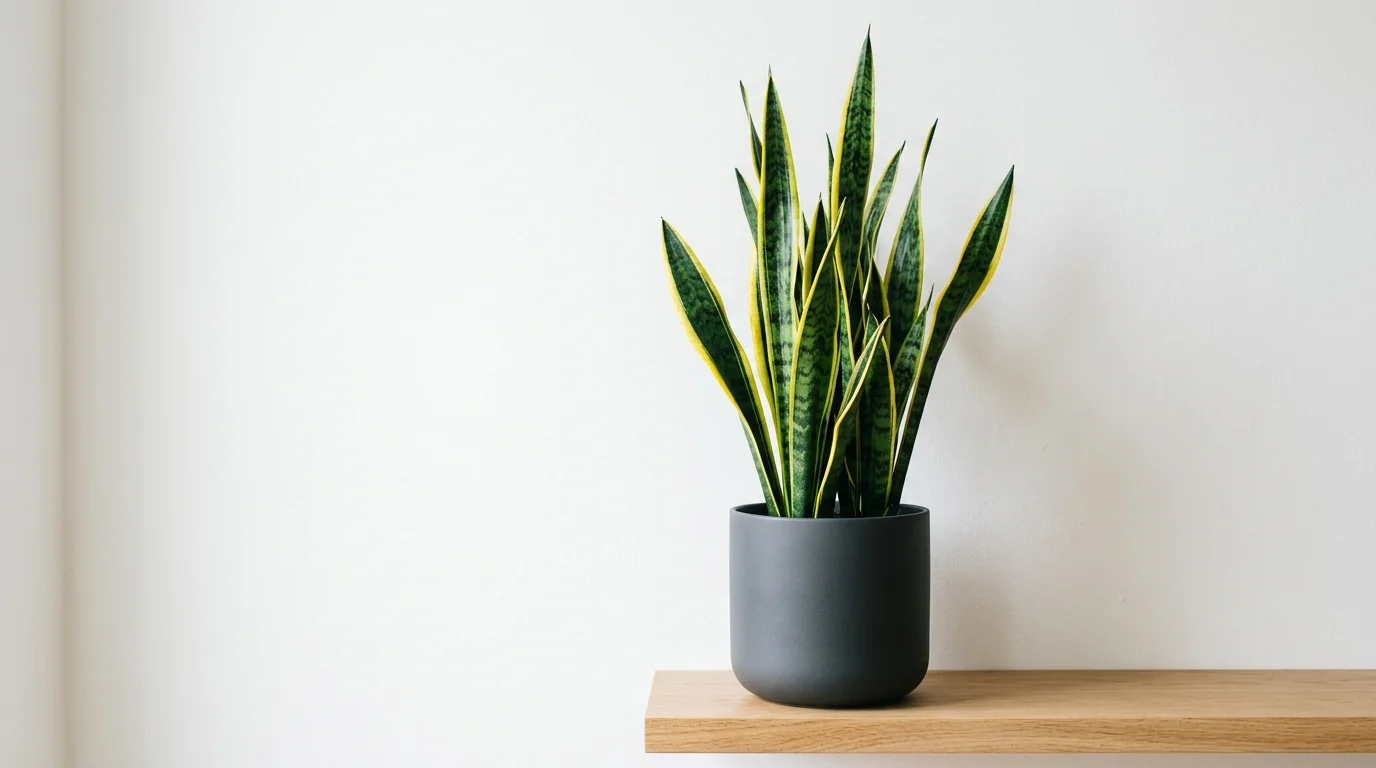
The Snake Plant, also known as "Mother-in-Law’s Tongue," is perhaps the ultimate plant for beginners. It is virtually indestructible. Originating from arid regions of Africa, these plants have adapted to survive long periods without water and can thrive in almost any lighting condition, from windowless offices to bright sunrooms.
- Light: Prefers indirect light but can tolerate very low light or full sun.
- Water: Only water when the soil is completely dry (usually every 2-4 weeks). Overwatering is the only real way to kill it.
- Bonus: It is one of the few plants that continues to produce oxygen at night, making it an ideal bedroom companion.
2. ZZ Plant
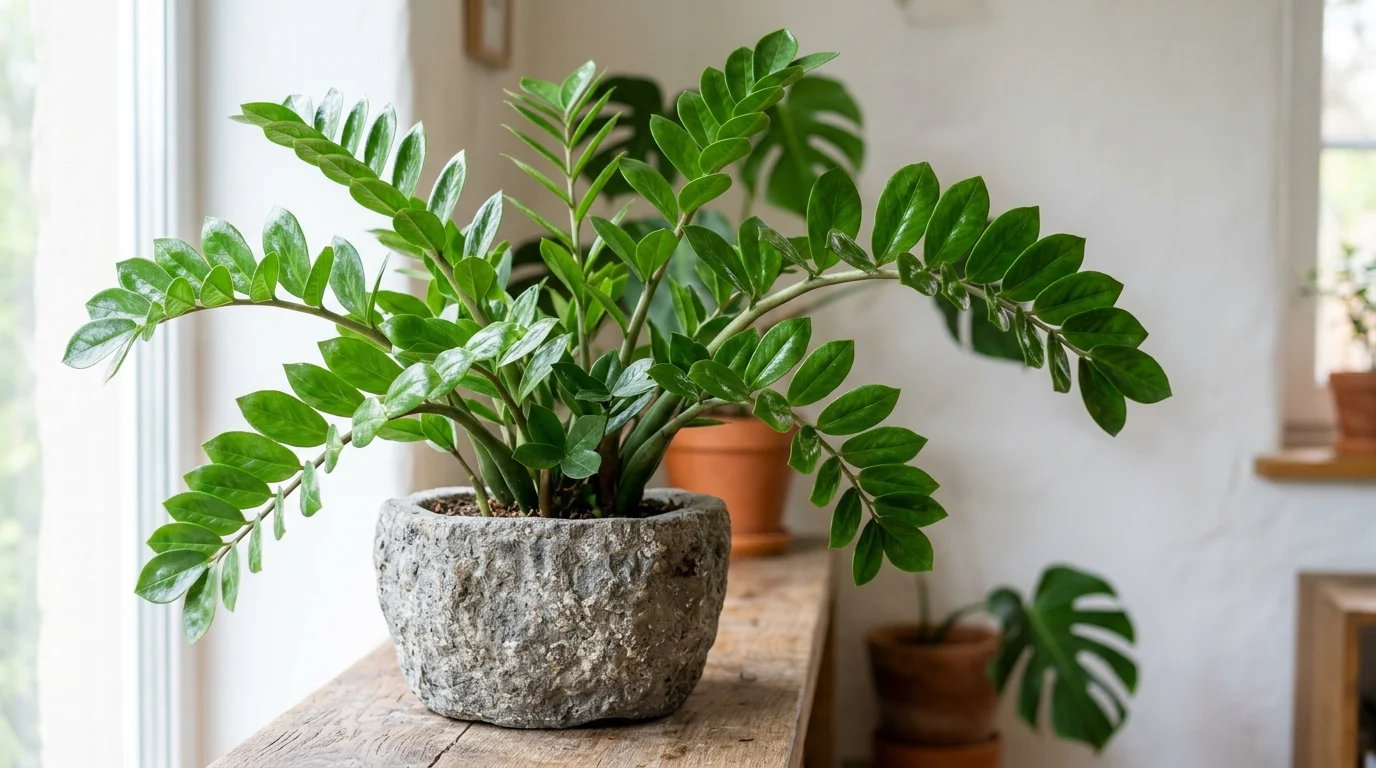
If you have a corner of your home where nothing seems to grow, the ZZ Plant (Zamioculcas zamiifolia) is your answer. With its waxy, deep green leaves that look almost artificial because they are so shiny, the ZZ plant is a slow grower that doesn't mind being ignored.
- Light: Thrives in low to medium indirect light. Avoid direct harsh sunlight which can scorch the leaves.
- Water: It has thick rhizomes under the soil that store water, meaning it can go weeks without a drink.
- Durability: It is highly resistant to pests and can handle fluctuating indoor temperatures with ease.
3. Pothos

Commonly referred to as "Devil’s Ivy" because it’s so hard to kill, the Pothos is the quintessential trailing plant. It grows rapidly and can be trained to climb up a moss pole or allowed to drape elegantly from a shelf. Pothos is also a "communicator"—it will wilt slightly when it needs water, then perk right back up within hours of being fed.
- Light: Flexible, though variegated varieties keep their color better in medium light.
- Water: Water when the top inch of soil feels dry.
- Versatility: You can easily grow new plants by cutting a stem and placing it in a jar of water.
4. Spider Plant
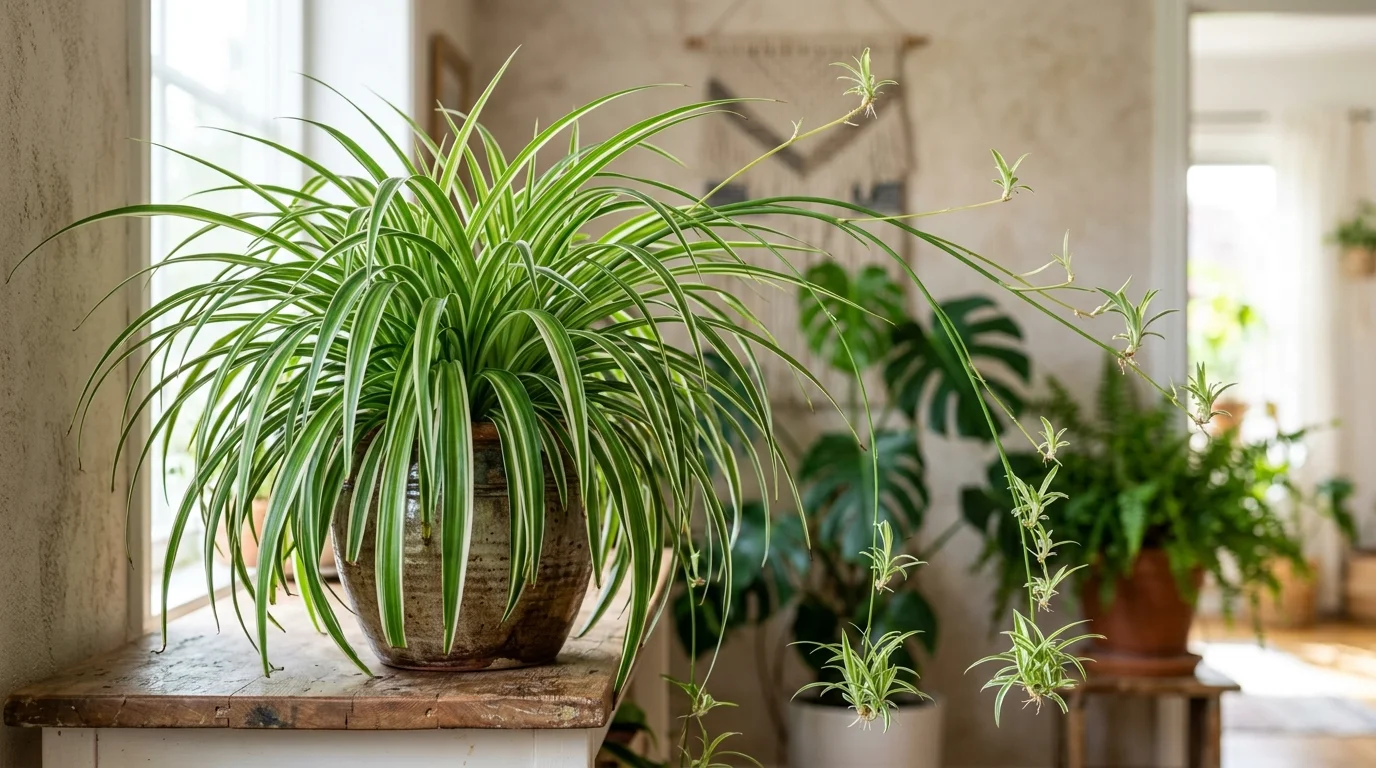
The Spider Plant is a classic for a reason. It is incredibly adaptable and produces "spiderettes"—miniature versions of itself that hang down from the main plant. This makes it a fun plant for beginners who want to try their hand at propagation.
- Light: Prefers bright, indirect light but will settle for less.
- Water: Likes to be watered regularly but is forgiving if you miss a week.
- Air Quality: It is renowned for its ability to filter toxins like formaldehyde and xylene from the air.
5. Aloe Vera
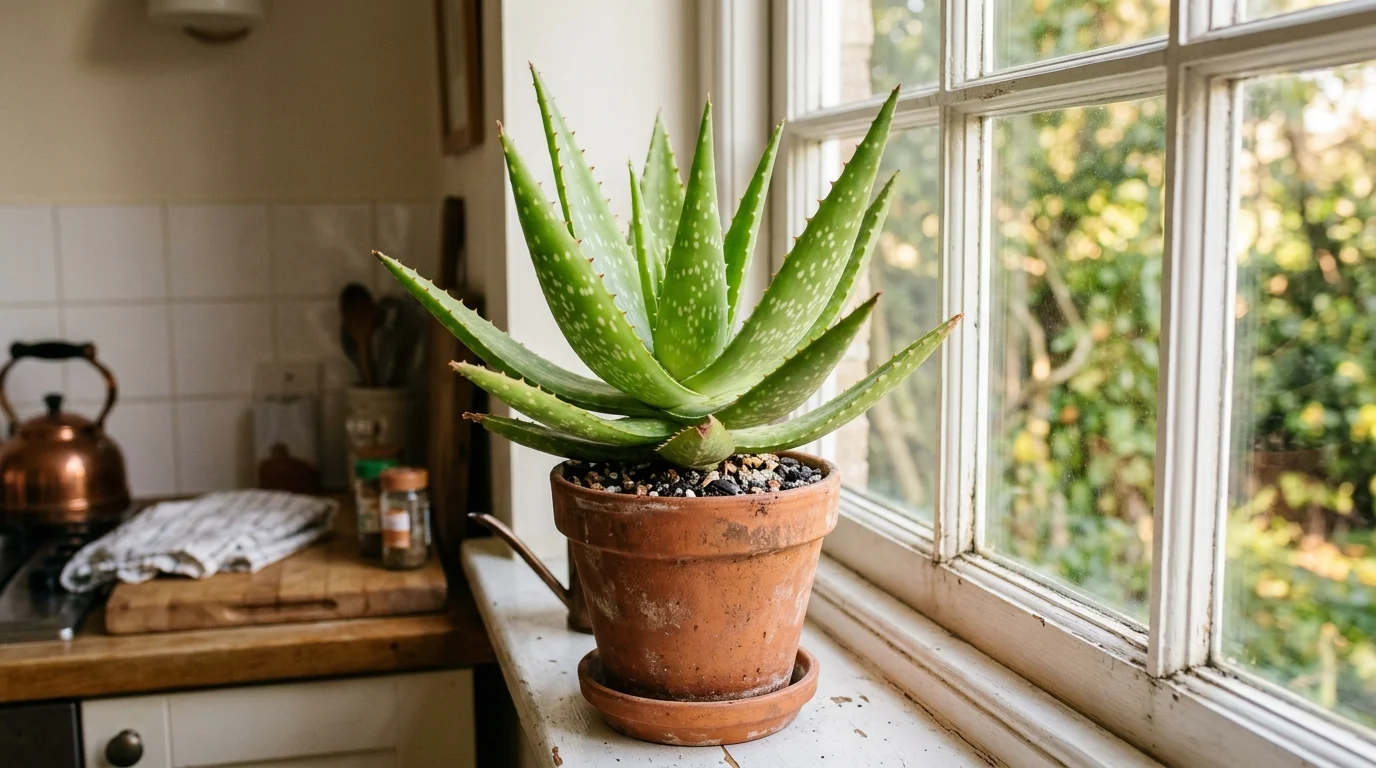
Aloe Vera is a functional plant that serves as both decor and a first-aid kit. The gel inside its thick leaves is famous for soothing burns and skin irritations. As a succulent, it is designed to store water, making it a great choice for those who tend to forget to water their plants.
- Light: Needs plenty of bright, direct light. A south-facing window is ideal.
- Water: Water deeply but infrequently. Ensure the pot has excellent drainage, as "wet feet" will cause root rot.
- Tip: If the leaves start to droop or turn thin, it’s a sign the plant needs a bit more sunlight.
6. Peace Lily
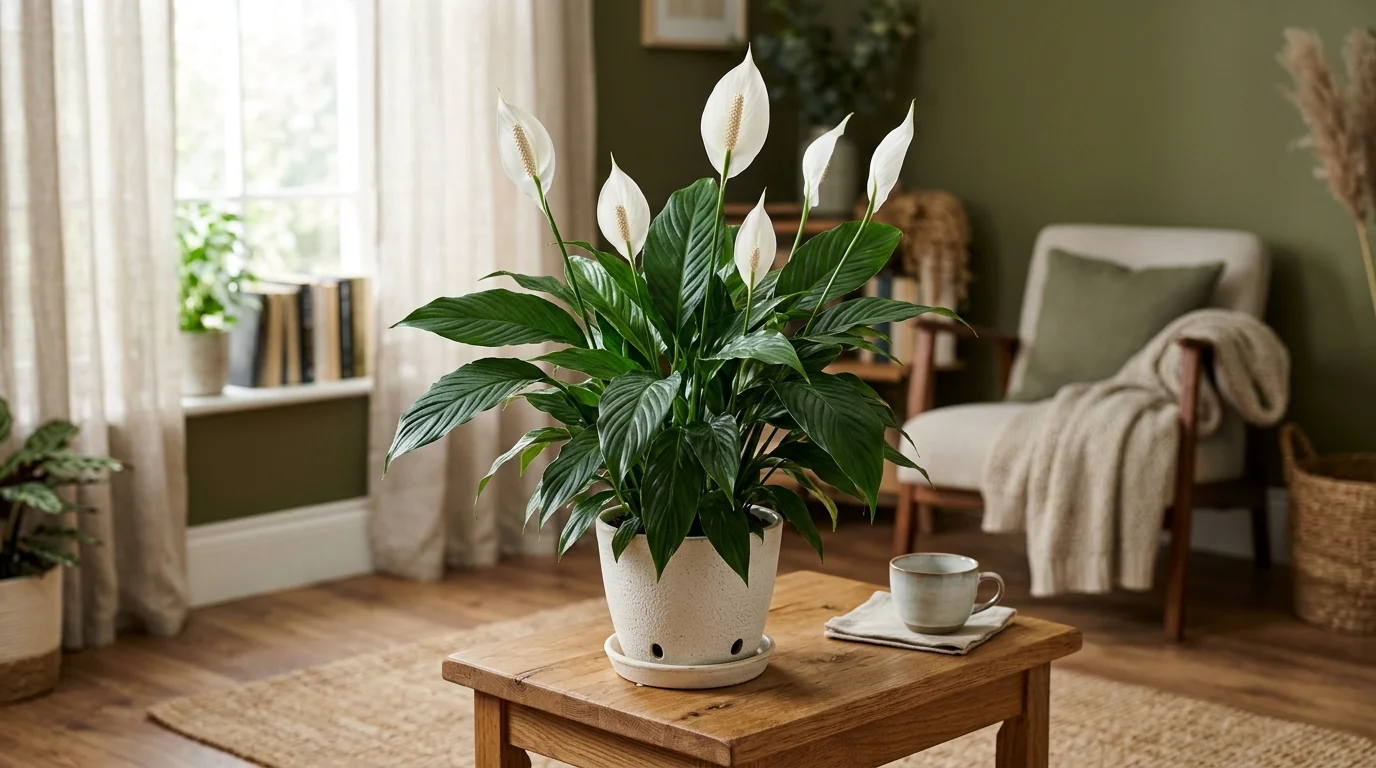
For those who want a flowering plant that doesn't require expert skills, the Peace Lily is a top contender. It features dark, glossy foliage and striking white blooms. While it likes a bit more attention than a Snake Plant, it is very clear about its needs.
- Light: Prefers medium to low indirect light. Too much sun will burn the leaves.
- Water: The Peace Lily will dramatically "faint" (wilt) when it is thirsty, telling you exactly when it needs a drink.
- Humidity: It enjoys a bit of humidity, so it’s a great choice for a bathroom with a window.
7. Cast Iron Plant

The Cast Iron Plant earned its name because it is as tough as the metal. It can survive in near-darkness, withstand extreme temperature swings, and tolerate poor soil quality. If you have a drafty hallway or a basement apartment, this is the plant for you.
- Light: Very low light tolerant. Keep it away from direct sun, which will bleach the leaves.
- Water: Water occasionally, allowing the soil to dry out significantly between sessions.
- Growth: It is a slow grower, so you won’t have to worry about it outgrowing its space too quickly.
8. Rubber Tree
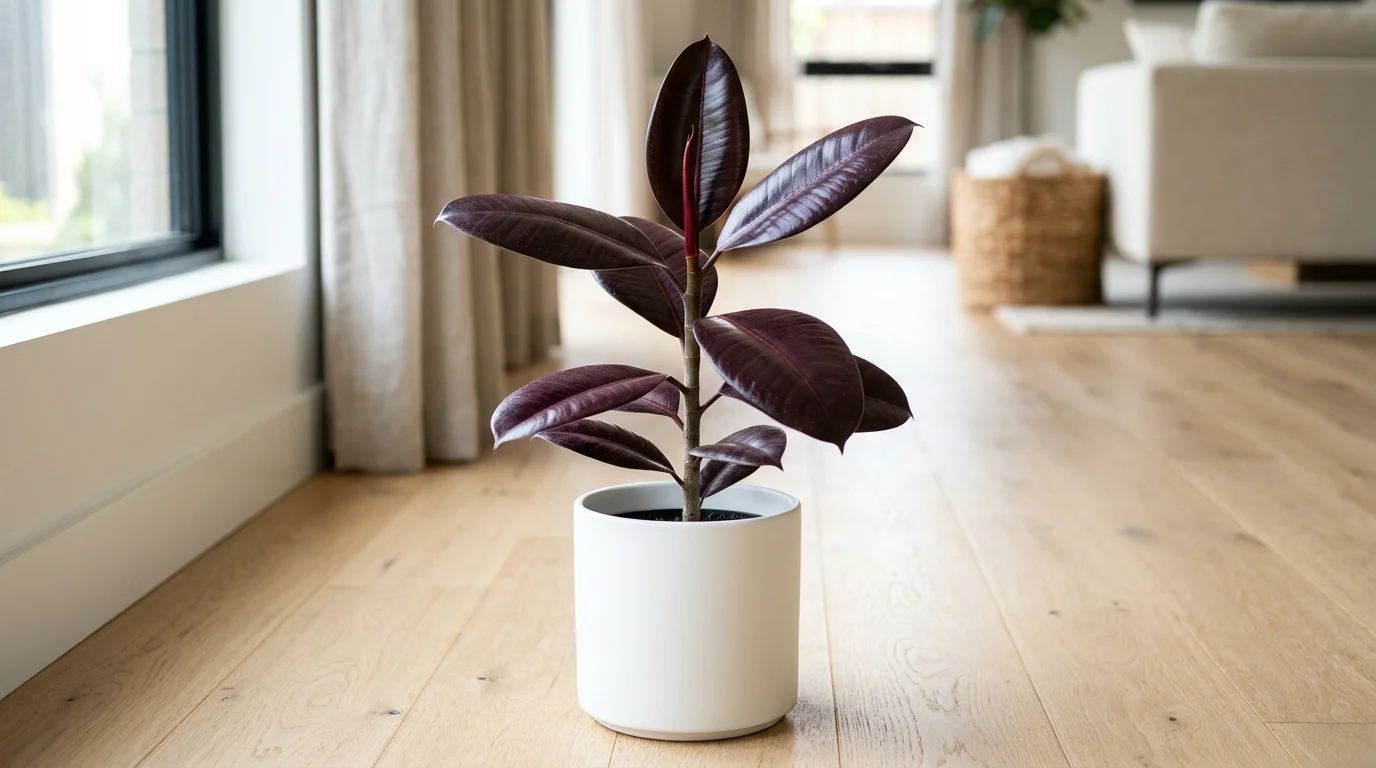
The Rubber Tree (Ficus elastica) is a fantastic way to add height and drama to a room. It has stunning, leathery leaves that can be deep green or a dark, moody burgundy. While it belongs to the Ficus family (which can be finicky), the Rubber Tree is much more resilient than its cousin, the Fiddle Leaf Fig.
- Light: Prefers bright, filtered light.
- Water: Keep the soil moist during the growing season (summer), but let it dry out more in the winter.
- Maintenance: Wipe the large leaves with a damp cloth occasionally to remove dust so the plant can photosynthesize efficiently.
9. Jade Plant

The Jade Plant is a succulent that can live for decades, often being passed down through generations. In many cultures, it is considered a symbol of good luck and prosperity. Because it stores water in its leaves and stems, it is very drought-tolerant.
- Light: Needs several hours of bright light or direct sun each day.
- Water: Water when the top of the soil is dry to the touch. In the winter, you can reduce watering to once a month.
- Appearance: As it ages, the stem becomes thick and woody, giving it the appearance of a miniature tree.
10. Monstera Deliciosa

The "Swiss Cheese Plant" is the darling of interior design. Despite its exotic appearance, it is surprisingly easy to care for. It grows quickly and produces massive, iconic leaves that add a tropical feel to any room.
- Light: Bright, indirect light is best. Too much direct sun can yellow the leaves.
- Water: Water every 1-2 weeks, allowing the soil to dry out halfway.
- Space: Give it room to grow, as these plants can become quite large and wide.
Essential Care Tips for Beginners
To ensure your new green friends thrive, keep these three universal rules in mind:
- Drainage is Non-Negotiable: Always use a pot with drainage holes. If you love a decorative pot that doesn't have holes, keep the plant in its plastic nursery pot and place that inside the decorative one (this is called "double potting").
- Less is More with Water: Most beginners kill plants by overwatering. It is always easier to revive a dry plant than one with rotten roots.
- Acclimatization: When you bring a plant home, it might lose a leaf or two. This is normal! It is just adjusting to the new light and temperature levels in your house.
Conclusion
Starting an indoor garden doesn't have to be a stressful endeavor. By selecting plants like the Snake Plant, ZZ Plant, or Pothos, you are setting yourself up for success. These species are forgiving, resilient, and beautiful, allowing you to enjoy the benefits of greenery without the constant worry of maintenance. Remember that every plant parent makes mistakes; the key is to observe your plants and learn their "language" over time.
Frequently Asked Questions
How do I know if my plant needs water?
The best way is the "finger test." Stick your finger about an inch into the soil. If it feels dry, it’s time to water. If it feels damp, wait a few more days. You can also use a moisture meter for more accuracy.
Can these plants live in a room with no windows?
No plant can live in total darkness forever. However, the Snake Plant and ZZ Plant can survive in very low light for long periods. If a room has no natural light, consider using a LED grow light for a few hours a day.
Why are the tips of my plant leaves turning brown?
This is usually caused by low humidity or chemicals in tap water (like chlorine). Try misting your plants or using filtered water/letting tap water sit out overnight before using it.
Are these plants safe for pets?
Some plants on this list, like the Pothos, Snake Plant, and Peace Lily, can be toxic if ingested by cats or dogs. Always check a reliable source like the ASPCA website if you have curious pets. The Spider Plant is a great non-toxic option.
How often should I fertilize my indoor plants?
Most indoor plants only need fertilizer during the growing season (spring and summer). Once a month with a balanced, water-soluble fertilizer is usually plenty for beginners. Do not fertilize in the winter when the plant is dormant.