

Student life runs on a tight budget and an irregular timetable, which is exactly why online earning suits it: no commute, no fixed shifts, and work that can pause during exam season. The catch is that students are also the number-one target for money-making scams, and the internet is full of "student income" advice written by people selling courses.
This guide sticks to methods that fit around lectures and deadlines in 2026: what each one pays, how flexible it really is, and how to start this week without spending money you do not have.
What Student-Friendly Online Work Actually Looks Like
 Student Working on Laptop in University Library.jpg 132.75 KBGood student work has three traits: it is asynchronous (you choose when to do it), it has no upfront cost, and it can stop for two weeks in exam season without firing you. By that test, freelancing, tutoring, digital products and user testing qualify; anything requiring daily posting schedules, stock purchases or a "business opportunity" fee does not.
Set your target honestly. For most students, £200–£500 a month of online income is a realistic good outcome during term; more is possible in holidays. Anyone promising to replace a student loan from a phone in a month is selling something.
Freelancing Around Your Timetable
 Man Typing on Laptop with Stacks of Books Beside Him.jpg 241.98 KBFreelancing is the strongest all-round option because the skills are often the ones you are already studying. Writing and editing, graphic design, social media content, basic web development, data entry, translation and video editing all sell on Upwork and Fiverr. A design student with a portfolio, or a languages student offering translation, is not a beginner in the way the market cares about.
Start narrow: one service, one platform, three sample pieces. Price your first jobs to win reviews rather than maximise income — your rate in month six will be unrecognisable compared with month one, but only if the first clients actually arrive. Keep a simple spreadsheet of deadlines; the fastest way to lose a student freelancing income is a missed deadline during a busy coursework week.
Tutoring: The Best Hourly Rate Most Students Can Get
 Pupil Studying at Home with Tutor on Video Call.jpg 164.13 KBIf you are at university, you know school and college subjects better than almost anyone — you passed those exams recently. Online tutoring of GCSE, A-level, or equivalent pupils pays roughly £15–£40 an hour depending on subject and level, and platforms such as MyTutor recruit current university students specifically.
Private arrangements through local parent groups can pay more but carry more admin; platforms take a commission in exchange for finding students and handling payment. Either way, tutoring is concentrated in term time and early evenings — which fits a student timetable almost perfectly, and revision season (when demand peaks) is, conveniently, when you are revising anyway.
Selling Notes, Templates and Digital Products
 Hand Writing in Digital Weekly Planner with Stylus.jpg 111.37 KBStudents sit on sellable material without realising it: clear revision notes, essay structures, spreadsheet templates, CV templates, Notion setups and printable planners. Marketplaces such as Etsy and Studocu-style platforms let you sell these repeatedly from one upload. The honest catch: sales start slowly and unpredictably, and quality matters — the notes that sell are the ones that are genuinely clearer than everyone else's.
A sensible approach is to treat this as a by-product, not a project: when you make excellent notes for your own exams, spend one extra hour formatting them for sale. If they sell, it is nearly pure profit; if they do not, you still have your notes.
Content Creation and Campus Social Media Work
 Young Man Recording Video with Smartphone and Ring Light.jpg 144.15 KBTwo different things hide under "content". Creating your own channel — study tips, student life, a subject you love — can eventually earn through ads and sponsorships, but the timeline is measured in months or years, and it should be started for interest, not rent. The faster route is doing content for other people: university societies, local businesses and small brands all need someone to run their TikTok or Instagram, and students are the obvious hires. A monthly retainer from two or three local clients is steadier money than most things on this list.
Surveys, User Testing and Microtasks: Pocket Money Rules
 Student at Desk on Video Call with Books.jpg 147.14 KBUser testing is the best of the small earners: platforms like UserTesting pay per completed test (often around $4–$10 for short tests, more for live interviews), and research studies through universities or panels can pay properly for an hour. The limit is availability — you apply for far more than you are accepted for.
Surveys and microtasks sit below that: legitimate sites do pay, but the effective hourly rate is usually a few pounds at best. Use them in genuinely dead time (queues, bus rides) if at all, cash out at the first threshold, and never pay to join. Prolific is the exception worth naming for students — it hosts academic studies, pays fairly by survey standards, and is popular with students for a reason.
Print on Demand and Selling Online
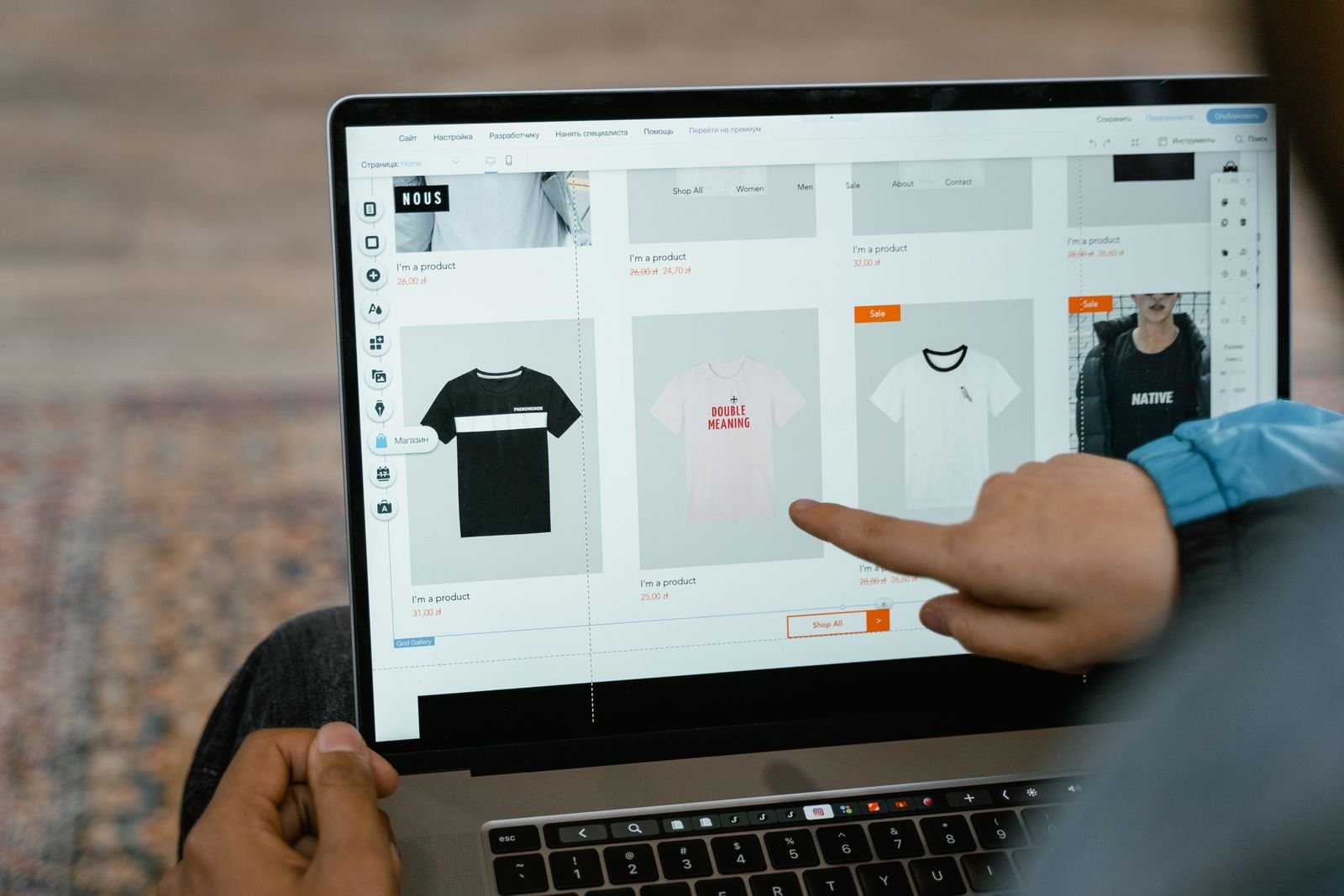 Person Choosing Printed T-Shirt Designs on Laptop.jpg 127.3 KBPrint on demand lets you sell T-shirt, hoodie and mug designs without buying stock — a provider prints and ships each order and you keep the margin. For students it has one perfect trait (zero cost to start) and one hard truth (per-sale profit is small, so it rewards many designs over months, not one clever idea). University in-jokes and course-themed designs are a legitimate niche, but avoid using university logos or names — trademark rules apply to students too.
Alongside that, selling your own items — textbooks you no longer need, clothes, electronics — through Vinted, eBay or campus groups is the fastest money in this entire guide. End of term, when everyone moves out, is peak season in both directions.
Balancing Earning with Studying: A Weekly Plan
 Weekly Planner Notebook and Books on Desk.jpg 143.67 KBThe students who sustain an income are the ones who cap it. A workable pattern: two or three fixed work slots a week (for example, two weekday evenings and one weekend block), totalling 6–10 hours, treated like a part-time job with set hours — because work that expands into every free moment quietly eats the degree it was meant to fund. During deadline and exam weeks, the plan is simple: pause client work early, tell clients in advance, and protect the grades. Clients respect a student who warns them in week one; they fire the one who vanishes in week nine.
Keep records from your first payment: platform, date, amount. In the UK, students must register for Self Assessment once trading income passes £1,000 in a tax year; in the US, self-employment income is reportable to the IRS. It is dull, and it is much easier at £50 a month than as a surprise later.
Scams That Target Students
 Man in Shock Holding Smartphone and Credit Card.jpg 250.43 KBStudents get targeted with specific bait: "brand ambassador" roles that require buying products, task scams offering pay for liking posts (they end by asking for your deposit), fake landlords and fake part-time "admin" jobs that send a cheque and ask you to forward part of it — the cheque bounces, the forwarded money does not. The checks never change: a real opportunity never asks you for money first, never pays absurd rates for trivial work, and exists on an official website, not only in your DMs.
Frequently Asked Questions
What is the best online job for a beginner student?
Tutoring pays the best hourly rate if you have strong subjects; freelancing a study-related skill is the most flexible. Most students do best starting with one of those two.
How many hours a week should a student work online?
Six to ten hours a week is the sustainable range for most full-time students during term. More than that usually shows up in grades before it shows up in income.
Do students have to pay tax on online earnings?
Usually yes once earnings pass your country's threshold — in the UK, register with HMRC when trading income exceeds £1,000 in a tax year. Keep simple records from the start.
Can online income replace a part-time job?
Eventually, for some students — freelancing and tutoring can match campus job pay with more flexibility. In the first months, treat it as a top-up while it builds.