

Working from home sounds like the dream: no commute, no boss looking over your shoulder, and money arriving at your own kitchen table. The reality is less glamorous but still genuinely useful. Thousands of people in the UK and US top up their income — or replace a wage entirely — with online work done from home, most starting with just a laptop and a few spare hours a week.
This guide is deliberately honest. There is no secret button that turns a laptop into a cash machine, and anyone who tells you otherwise is usually selling something. Here are the legitimate routes real people use, how to choose one, and a simple first-week plan.
What Earning from Home Realistically Means
 Woman Working on Laptop at Home Table.jpg 113.43 KBEarning online from home is work, not a loophole. You are either selling your time and skills to clients, selling products to customers, or building an audience that advertisers will pay to reach. Every legitimate route fits one of those categories.
It also helps to separate two ideas that adverts blur together. "Fast" money usually means small money: tasks and sales that pay within days but rarely add up to much. Bigger money usually means slower money: a skill, a shop, or a channel that takes weeks or months to build. Most beginners pair a fast route for now with a slower one for later.
Freelancing: Sell One Skill by the Project
 Freelancer with Headphones Typing on Laptop.jpg 340.91 KBFreelancing is the most direct route because businesses already understand it. Instead of applying for a job, you sell a defined piece of work — a logo, a blog post, a web page — through platforms such as Upwork or Fiverr. Writing, design, video editing, bookkeeping, and social media management all sell well.
You do not need to be world-class; you need to be reliable and deliver on time. Set up a profile focused on one service, create two or three sample pieces, and expect your first jobs to be small and modestly paid. Those early jobs buy reviews, and reviews raise your rates.
Selling Digital Products and Print on Demand
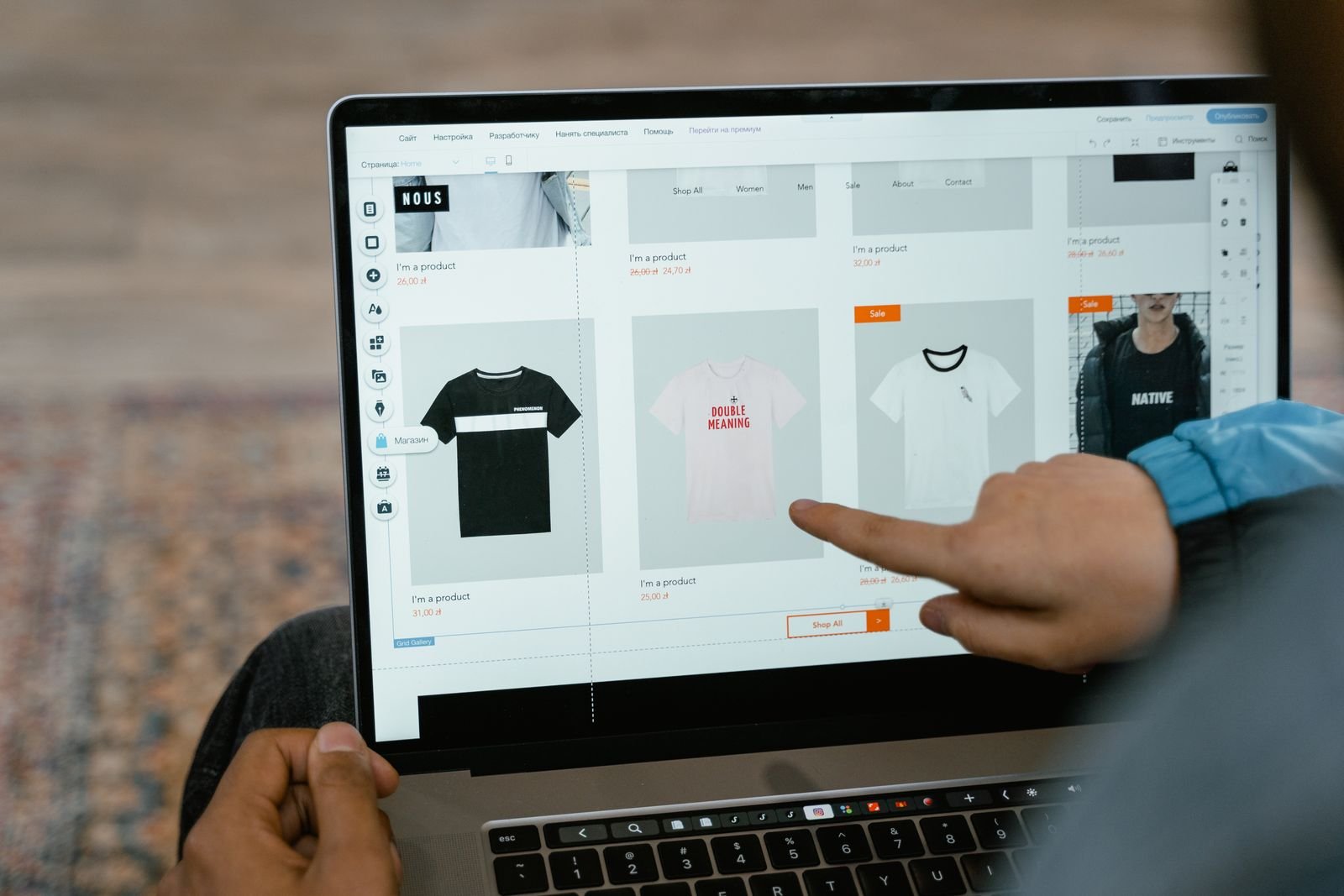 Laptop Showing T-Shirts in Online Shop.jpg 127.3 KBDigital products are files customers download: printable planners, CV templates, ebooks, spreadsheets, or design elements. You make the file once and can sell it many times, so the income is not tied to hours worked. Marketplaces such as Etsy handle payments for a fee.
Print on demand works similarly. You upload a design, a printing company produces the T-shirt, mug, or poster when someone orders it, and ships it for you. There is no stock to buy, but margins per item are thin, so it rewards people who publish many decent designs rather than one perfect one.
Online Tutoring, Teaching, and Virtual Assistance
 Tutor with Headset Teaching Online.jpg 286.03 KBIf you know a subject well — school maths, English, a musical instrument, a foreign language — tutoring platforms will match you with students for video lessons. Native English speakers can also teach English overseas online, though some platforms require a TEFL certificate or a degree.
Virtual assistance suits organised people. Business owners pay remote assistants to handle inboxes, calendars, data entry, and customer replies. It is rarely exciting, but it is steady, entirely home-based, and often becomes regular monthly hours with one client.
Content Creation, Surveys, and Selling What You Already Own
 Phone on Tripod with Ring Light Recording.jpg 108.87 KBContent creation — YouTube, TikTok, a blog, a newsletter — can eventually pay through advertising, sponsorships, and affiliate links, but treat it as a long project, not an income source. Most creators earn nothing meaningful for months.
At the other end sit surveys and microtask sites, which pay small amounts for questionnaires and short tasks. Be clear-eyed: the effective hourly rate is usually well below minimum wage. They are pocket money, not a strategy. More worthwhile is selling unused items you already own — clothes, electronics, furniture — through eBay, Vinted, or Facebook Marketplace. It will not repeat, but it is often the fastest legitimate cash a beginner can raise.
How to Pick One Route and Ignore the Rest
 Hand Writing Checklist in Notebook.jpg 80.98 KBThe most common beginner mistake is trying everything at once and finishing nothing. Instead, choose one route using three questions. What skills do you already have, even ordinary ones like tidy writing or spreadsheets? How many hours a week can you honestly give this — two, or ten? And how soon do you need the money: this month, or can you wait a season while something grows?
If you need money soon and have a usable skill, freelance. If you have more time than skill, try tutoring or virtual assistance. If you would rather build an asset and can wait, choose digital products or content. Commit to your choice for ninety days before judging it.
Your First Week: A Simple Starter Plan
 Hand Writing Weekly Plan in Planner.jpg 195.49 KBDay one is for deciding: pick your route and write down exactly what you will offer or sell. On day two, study ten successful sellers or freelancers in that space and note what their profiles and prices share. Day three is for setup — create your account or shop properly, with a clear photo and an honest description.
On day four, produce your first sample piece, listing, or product, even if it feels rough. Day five is for publishing it and telling a few relevant people it exists. Use days six and seven to apply for your first handful of jobs or list your next items, then review and improve the offer.
Realistic Earnings: What People Actually Make
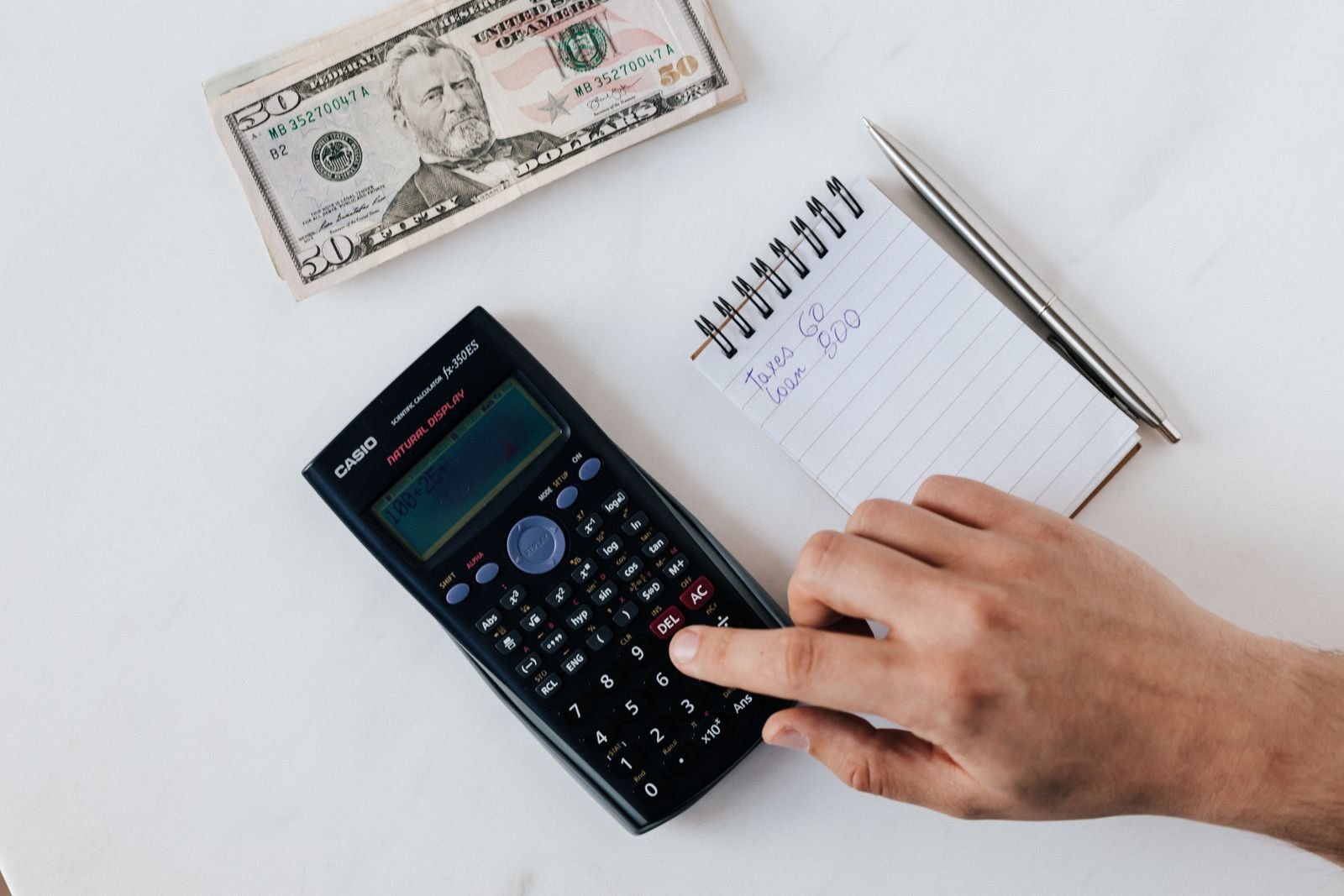 Hand Using Calculator with Notepad and Cash.jpg 160.06 KBExpect a slow start. Many freelancers earn nothing in their first fortnight, then £100–£400 in their first full month as small jobs land. Experienced freelancers with reviews and repeat clients can earn a full-time income, but that usually takes a year or more. Digital product sellers often make a first sale within weeks, then only single figures monthly at first.
Tutors commonly charge £15–£40 an hour depending on subject and experience, and virtual assistants often charge £12–£25 an hour. Surveys and microtasks typically work out at £2–£6 an hour. Treat these figures as rough guides, not promises: results depend on your skill, your niche, and your consistency.
Scams and Red Flags to Avoid
 Scam Alert Sign over Laptop.jpg 93.9 KBScammers target exactly the people reading guides like this one, so learn their patterns. Never pay an upfront fee to "unlock" work, buy a starter kit, or join a platform that promises jobs — legitimate clients pay you, not the other way round. Be suspicious of anyone contacting you through messaging apps offering easy money for liking videos or reviewing hotels; these classic task scams end by asking you to deposit your own money.
Other red flags include earnings claims with screenshots but no explanation, pressure to decide today, and "employers" who send a cheque and ask you to forward part of it. Remember the simplest test of all: if the money sounds large and the work sounds trivial, the product being sold is you.
Frequently Asked Questions
How much money do I need to start earning online from home?
Almost none. Freelancing, tutoring, virtual assistance, and selling your own belongings can all start with a laptop and an internet connection you already have.
How quickly will I make my first money?
Selling unused items can pay within days, and a first small freelance job often lands within two to four weeks of consistent applications. Digital products and content usually take longer, so combine a fast route now with a slower one for later.
Do I have to pay tax on money earned online?
In most cases, yes. In the UK, you generally must register as self-employed with HMRC once your trading income passes £1,000 in a tax year; in the US, self-employment income is reportable to the IRS. Check the official guidance for your country.
Can this replace a full-time job?
Eventually, for some people — but rarely quickly. The safer pattern is to build your online income alongside existing work until it has matched a good share of your wage for several months in a row.