
Freelancing is one of the few ways to start earning online without spending money upfront. You need one skill someone will pay for, a profile that shows you can do it, and the patience to send proposals even when the first few get no reply. The barrier to entry is low.
What freelancing is not is instant. Most beginners who succeed treat the first month as a system, not a lottery ticket — set up properly, apply consistently, and improve with every rejection. This guide gives you that system: a realistic 30-day plan to go from "I have no clients" to your first paid job.
Why Freelancing Suits Beginners
 img2-4240579.jpg 370.84 KB
Businesses hire freelancers because they need a specific job done without taking on a full-time employee. That works in your favour as a beginner: a client with a small, clearly defined task — a blog post, a logo, a spreadsheet cleaned up, a product description — does not need a famous expert. They need someone reliable who understands the task and delivers on time.
Freelancing also lets you start alongside a job or studies. You can take one small project at a time, and grow your rates as your reviews grow.
Step 1: Pick One Sellable Skill
 img3-9052143.jpg 130.79 KB
Beginners often stall here by trying to offer everything. Clients do not hire "I can do anything" — they hire a person for one job. Choose a single skill to start with, ideally one you are already decent at, or can become decent at with two weeks of focused practice. Common starting points include writing and blog posts, social media content, graphic design with tools like Canva, data entry and spreadsheet work, virtual assistance, basic video editing, and simple website tasks.
Use this test: could you produce a passable sample of this work within a few days? If yes, it is a valid starting skill. You can add more services later, once money and reviews are coming in. Depth beats breadth at the start.
Step 2: Build a Tiny Portfolio
 img4-19876064.jpg 236.38 KB
"No experience" does not mean "nothing to show." Clients mainly want proof that you can do the work, and sample projects provide that proof. Create three to five samples as if a client had ordered them: write two blog posts in the niche you want to serve, design a set of social media posts for an imaginary local business, or edit a short video from free footage.
Treat these samples seriously — they are your shop window. Put them in a simple, shareable place such as a Google Drive folder, a free portfolio site, or your profile's portfolio section. Three strong samples beat a long paragraph claiming you are talented.
Step 3: Set Up Your Profiles
 img5-6696828.jpg 79.78 KB
Most beginners start on marketplaces such as Upwork and Fiverr, and use LinkedIn to look credible and reach clients directly. Each platform works slightly differently — Upwork is built around proposals for posted jobs, Fiverr around service listings clients browse, LinkedIn around your professional presence — but the setup principles are the same everywhere.
Use a clear, friendly headshot-style photo, not a logo or a selfie with sunglasses. Write your headline around the client result, not your job title: "Blog writer for small business websites" beats "Freelancer." In your overview, say who you help, what you deliver, and mention your samples. Complete every section of the profile; half-finished profiles look like half-finished workers.
Step 4: Write Proposals That Get Replies
 img6-5711947.jpg 276.35 KB
The biggest beginner mistake is copy-pasting the same generic proposal everywhere. Clients can spot it instantly. A proposal that gets replies is short and specific: open by showing you understood their actual problem, mention one relevant sample or idea for their project, and end with a simple next step and a realistic delivery time.
Apply selectively rather than desperately. Ten proposals written carefully for jobs you genuinely match will usually beat fifty sprayed at everything. Expect silence at first — a reply rate of even one or two in ten is a workable start, and every reply, even a "no," teaches you what to adjust.
Step 5: Price Your First Jobs Smartly
 img7-5466814.jpg 82.33 KB
Your first two or three jobs have one main job: earning reviews and proof, not maximum income. Price them fairly but accessibly — low enough that a cautious client feels safe trying you, high enough that you respect your own time. Avoid working for free "for exposure" — a small paid job builds a real track record; an unpaid one usually builds nothing.
Once you have two or three positive reviews, raise your rates gradually on new work.
Your 30-Day Action Plan
 img8-7504584.jpg 268.37 KB
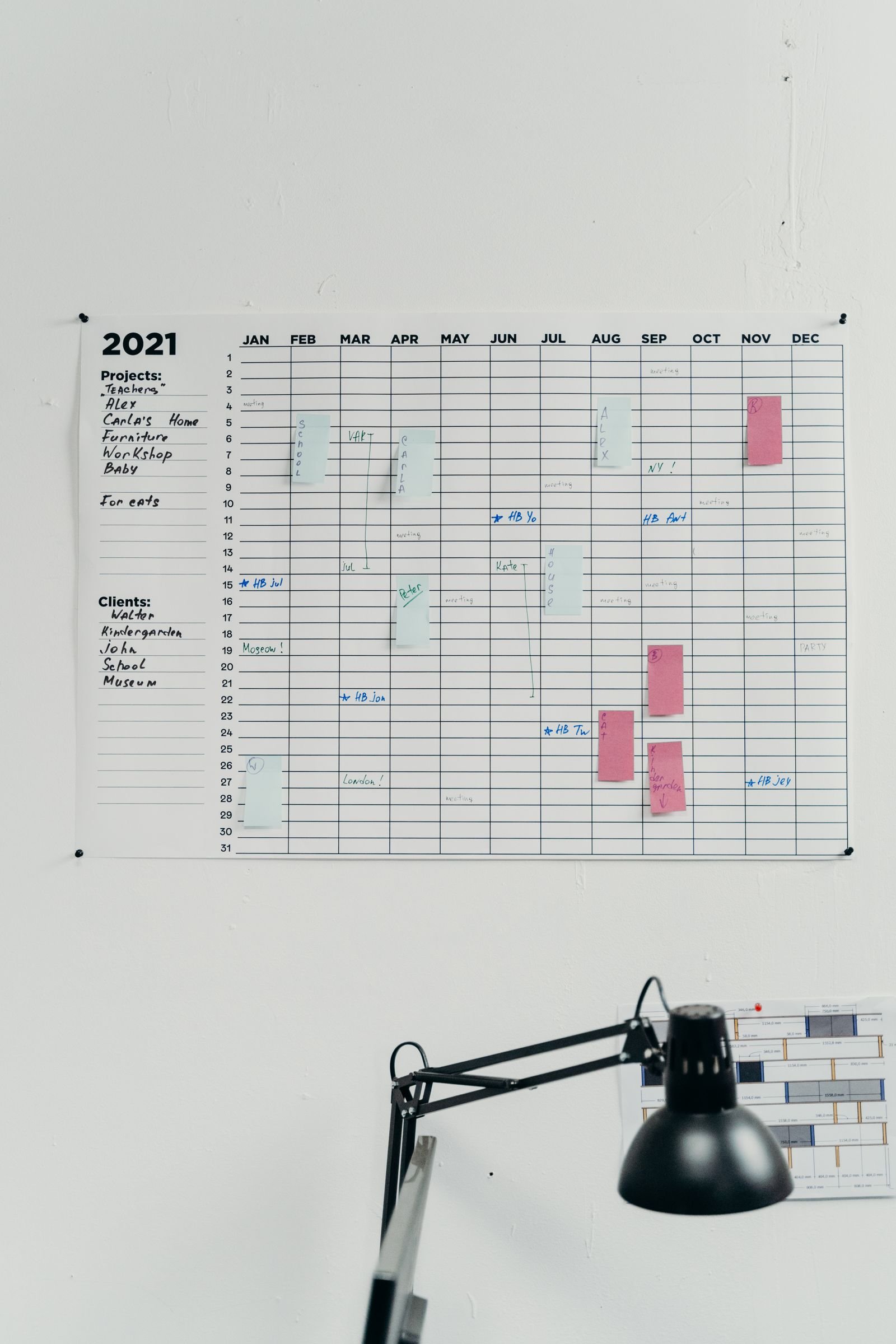
Week 1 — Set up. Pick your one skill, sharpen it with free tutorials and practice, and create your first two samples. By the end of the week, open accounts on two platforms.
Week 2 — Go live. Finish your remaining samples, complete your profiles fully, and start applying — aim for a steady daily number of careful proposals rather than one exhausting burst. Reply to every message within a few hours if you can.
Week 3 — Adjust. Review which proposals got opened or answered and which were ignored. Rewrite your profile overview and your proposal opening lines based on what you see. Add one more sample aimed at the type of job you most want.
Week 4 — Push and deliver. Keep applying daily, follow up politely once on promising conversations, and when the first job lands, over-deliver slightly: deliver early, communicate clearly, and ask for an honest review at the end. That first review is worth more than the fee.
Mistakes That Keep Beginners Clientless
 img9-4560092.jpg 148.01 KB
A few patterns block almost every stuck beginner. Giving up after one week of silence, when most first clients take several weeks of consistent applying. Writing proposals about yourself instead of the client's problem. Offering five unrelated services, which makes you look like a hobbyist in all of them. Having no samples because you were waiting for a client to give you something to sample. And staying at starter rates long after your reviews justify raising them.
None of these are talent problems — they are process problems, and process problems can be fixed this week. If you avoid these five, you are already ahead of most people who start.
Frequently Asked Questions
Which skill is easiest to start freelancing with?
The easiest skill is the one closest to what you can already do passably — writing, design with simple tools, data entry, virtual assistance, or basic video editing are common starts. "Easiest" really means "shortest distance from where you are now," so start from your existing strengths and improve as you earn.
Do I need a degree to freelance?
No. Clients on freelance platforms judge your samples, your profile, and your reviews — not your certificates. A degree can help in specialised fields, but for most beginner-friendly services, a small portfolio of good samples matters far more.
How much should I charge for my first freelance job?
Charge a modest but real rate: enough that the client takes the work seriously and you respect your time, low enough that a cautious first client feels safe. Then raise your prices gradually after every two or three positive reviews.
How do I avoid scams as a new freelancer?
Keep communication and payment inside the platform until you know a client well, never pay a "fee" to unlock work, be wary of clients who want to move to personal chat immediately and pay by unusual methods, and never start large amounts of work without the platform's payment protection in place. Legitimate clients do not ask you to pay them.