
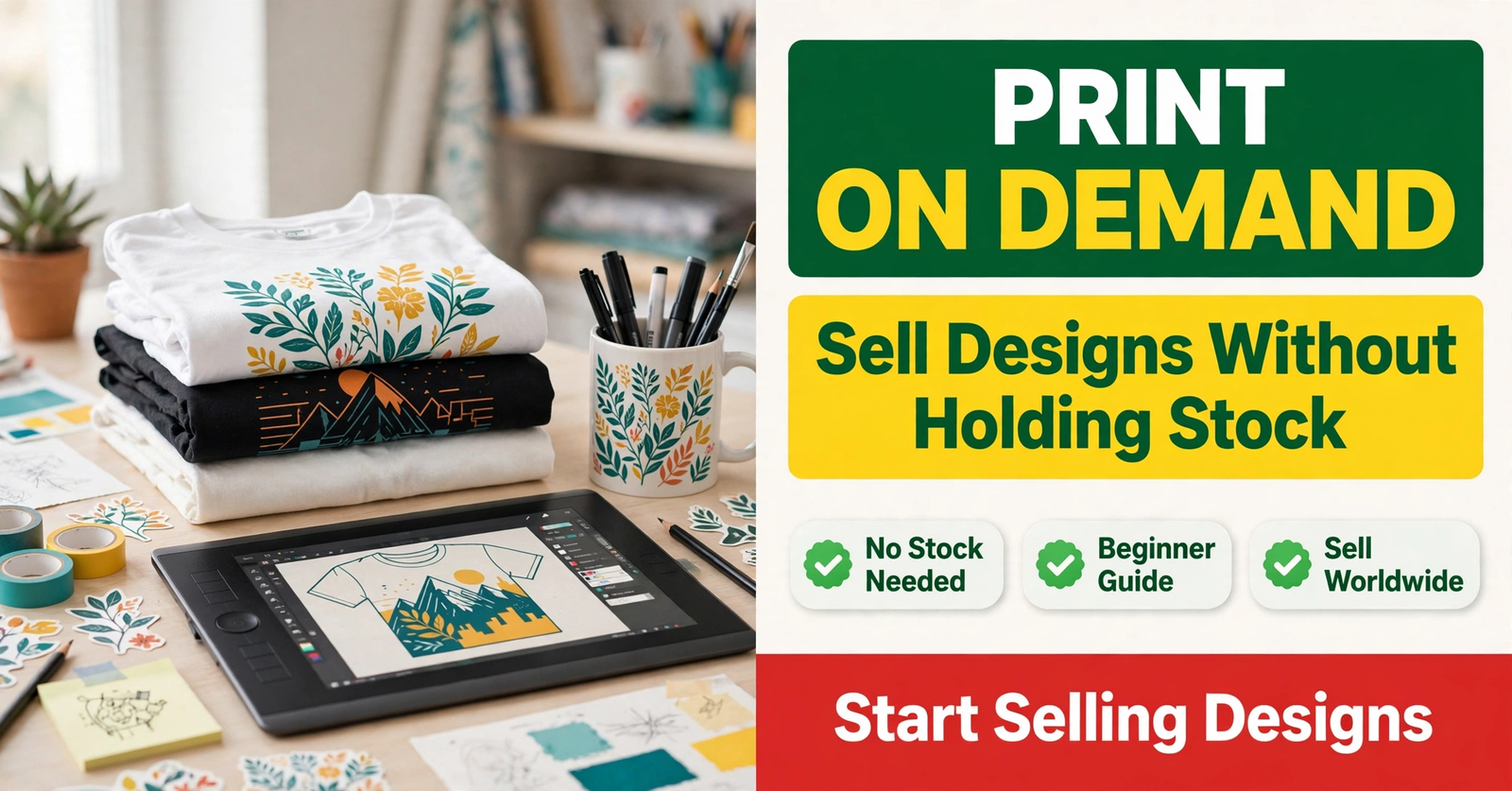
Print on demand lets you sell products with your designs on them — T-shirts, mugs, hoodies, tote bags and more — without buying any stock first. You upload a design, list the product in an online shop, and only when a customer orders does a printing company make that item and ship it directly to them. You never touch the product or pay for stock that might not sell.
It sounds simple, and the process genuinely is — but this is a real business, not a shortcut to easy money. Most beginners earn very little at first, margins are thin, and success usually comes from publishing many decent designs — not one lucky product. With those expectations, it is a low-cost way to learn e-commerce.
What Is Print on Demand and How It Works
 img2-33650428.jpg 240 KB
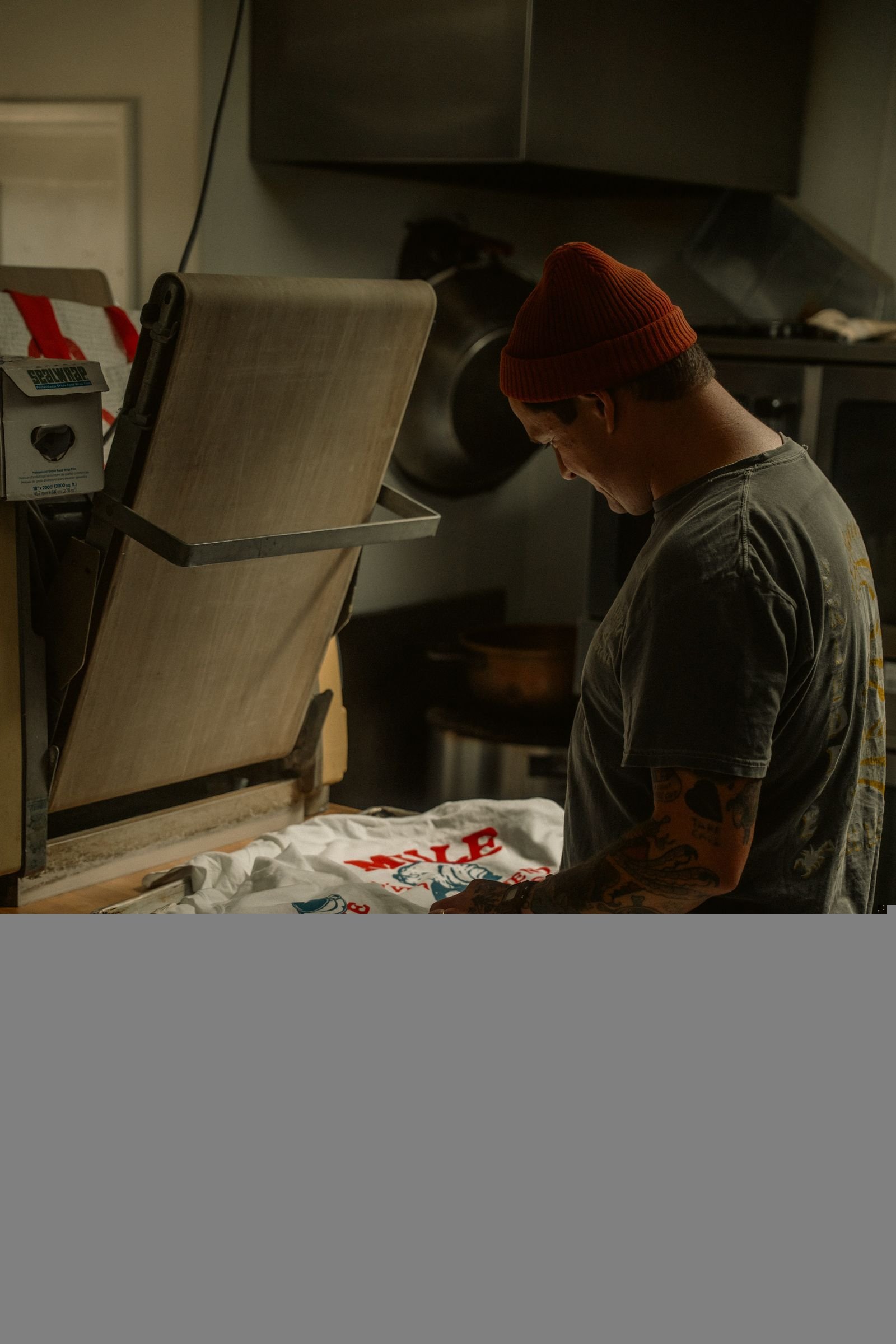
The model works in four steps. You create or buy a design and upload it to a print-on-demand platform. You choose a product, place your design on it, set your price and publish the listing. When a customer orders, the provider produces the item, packs it and ships it to them under your shop's name. The provider charges you the base cost of the product plus printing and shipping, and you keep the difference.
Your main costs are your time, design tools, marketplace fees and any advertising. The trade-off: print quality and delivery times sit with the provider, so choose a reliable one.
What You Can Sell
 img3-4452381.jpg 337.02 KB
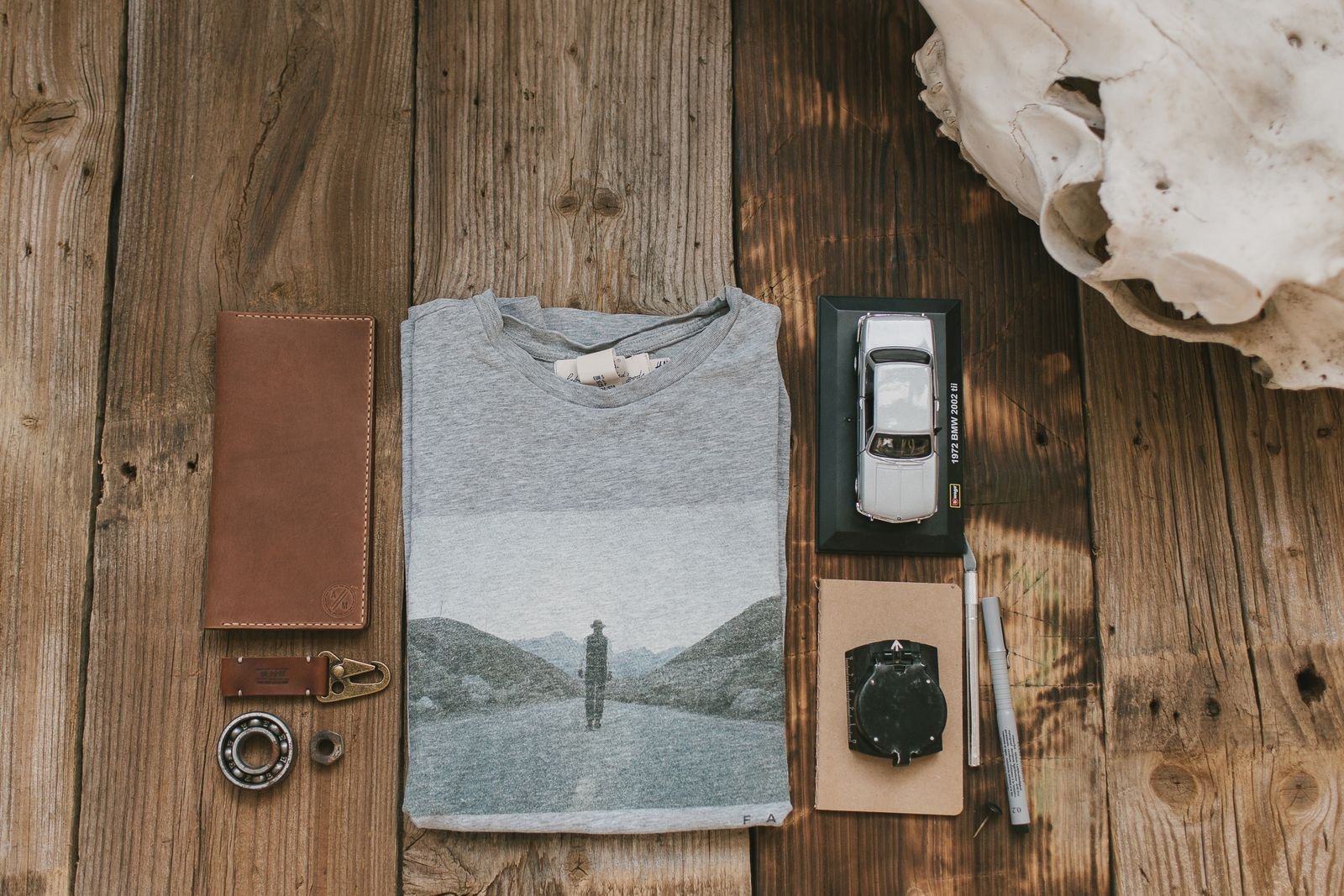
The best-known products are apparel: T-shirts, hoodies, sweatshirts and caps. Most platforms also offer mugs, tote bags, phone cases, posters, canvas prints, notebooks and stickers. The catalogue is large, which tempts beginners to list everything at once. Resist that urge.
Start with one or two product types you understand — T-shirts are the usual starting point because sizing and quality are predictable. Learn how your provider's version looks and photographs. A small, well-presented range almost always outperforms a huge, messy one.
Where to Sell: Marketplaces vs Your Own Store
 img4-7667442.jpg 127.3 KB
There are two broad routes, starting with marketplaces. Etsy is the most popular, because its shoppers search for unique, giftable designs; eBay works similarly. Amazon Merch is another option, though it is application-based. Marketplaces bring built-in traffic, but you pay their fees, compete beside thousands of similar products, and follow their rules — an account problem can end your shop overnight.
The second route is your own store, connected to a fulfilment service such as Printful or Printify. Printful runs its own fulfilment centres; Printify connects you to a network of independent print providers, often cheaper but less consistent. Your own store gives you control over branding and prices, but nobody visits unless you bring them through social media, search or ads. Most beginners should start on a marketplace to learn what sells, then add a store later.
How to Start Step by Step
 img5-15558380.jpg 500.45 KB
Begin by choosing a niche — a specific audience such as nurses, dog owners or gardeners. Then create your first designs — draw them, use software you are licensed to sell with commercially, or hire a freelancer — and check that nothing uses protected words, logos or characters.
Next, pick a provider and compare sample prices and delivery times. Order a sample if you can afford it — using it yourself tells you more than any mockup. Then open your shop, connect the provider, and build listings with clear titles and clean mockups. Publish a small batch, watch which listings get views, and let that guide your next designs.
Design Ideas That Actually Sell
 img6-32963962.jpg 225.48 KB
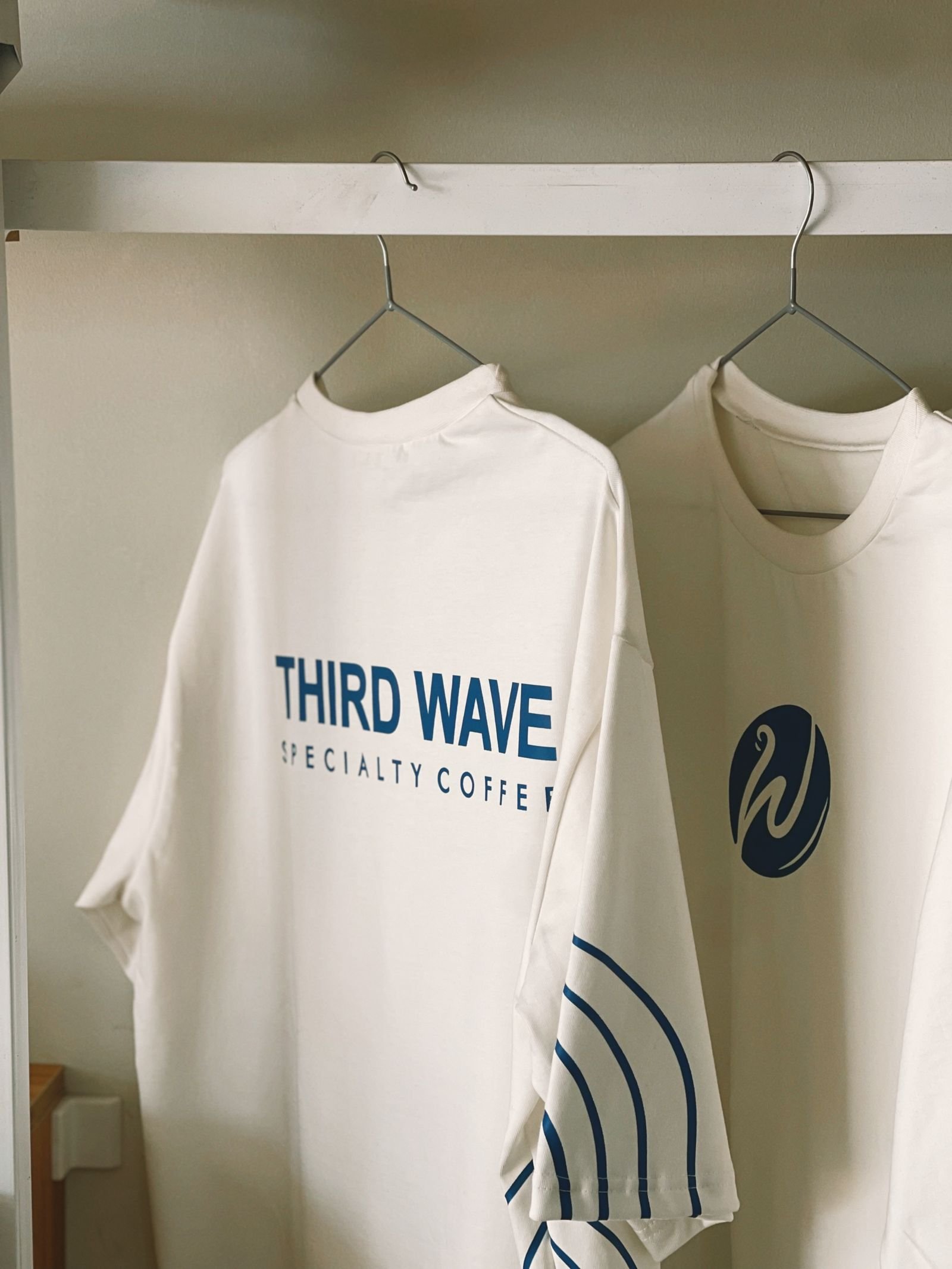
Designs that sell usually speak to a specific person's identity or humour: their job, pet, hobby or hometown, or an occasion like a birthday or retirement. Simple text-based designs often do as well as detailed illustrations, and are quicker to make. Evergreen topics are safer than chasing short-lived trends, which usually fade before your listing gains traction.
One warning deserves emphasis: never use copyrighted or trademarked material. No cartoon or film characters, no band or sports team logos, no brand names, no celebrity faces, and no famous quotes or lyrics still under protection. Marketplaces scan for this, and the penalty is usually removed listings or a closed shop — losing everything you built. Original ideas aimed at a clear niche are safer and, in the long run, more profitable.
Pricing and Profit Margins Explained
 img7-262470.jpg 154.75 KB
This is where beginners fool themselves, so do the maths on every product. Your price must cover base cost, printing, shipping and marketplace fees — only what is left is profit. For example: if a shirt costs around $13 to produce and the marketplace takes a few dollars in fees from a $26 sale, you might keep roughly $7–9 before tax and advertising — a typical margin for this business.
Because margins are thin, earnings usually come from selling across many designs, or from higher-value products like hoodies and canvas prints. Do not race to the lowest price — underpricing leaves you working for almost nothing.
How to Get Your First Sales
 img8-6238520.jpg 279.93 KB
Your first sale is the hardest, and it may take weeks. What genuinely helps is unglamorous: publish new designs regularly, write titles using words buyers actually search for, use clean mockups, and share your products in relevant online communities without spamming. If friends or family buy, ask them for honest feedback, not reviews.
Treat early listings as experiments. Some designs will never sell — even experienced sellers find a minority of their catalogue produces most of their income. Keep what gets attention and make more in that direction. Paid ads can wait until you know which designs people respond to; advertising an untested design usually just wastes money.
Common Beginner Mistakes
 img9-19757859.jpg 302.87 KB
The most damaging mistake is copying other sellers' designs — apart from the legal risk, you build nothing of your own. Close behind is choosing no niche: a shop selling random designs to "everyone" gives buyers no reason to remember it. Other frequent errors: uploading one design and waiting, ignoring fees when pricing, using cluttered mockups, and quitting after one quiet month.
Finally, drop the idea that this is automatic money. Print on demand removes the stock problem, not the work: designing, listing and answering customers is the job. Beginners who accept that tend to still be selling a year later.
Frequently Asked Questions
How much money do I need to start?
Very little. You can begin with a free design tool and a marketplace account, paying only small listing fees. Ordering a sample or two of your own products is wise; paid tools or a freelancer are optional.
Do I need to be a designer?
No. Many sellers use simple text-based designs, buy commercially licensed artwork, or hire freelancers. Understanding your audience, and checking everything you use is legal to sell, matters more. Basic design-tool skills help, but artistic talent is not required.
How long until I make my first sale?
There is no fixed timeline. Some sellers sell within days; many wait several weeks or longer, especially in competitive niches. It depends on your designs, niche and how well your listings match what people search for. Plan for a slow start and judge progress over months, not days.
Is print on demand passive income?
Not really — at least not at first. Once listed, a design can sell without further effort, which is the passive part. But building a catalogue that sells and handling customer questions is active, ongoing work. It becomes partly passive only after a lot of active work.