

Britain has a genuine shortage of qualified electricians, and it shows in the pay, the length of job lists, and how often "electrician" appears in the UK's skilled-worker visa routes. For a qualified electrician outside the UK, this is one of the more realistic trades to move with — but the paperwork matters more than the tools: the UK recognises competence through specific qualifications and cards, and overseas certificates do not transfer automatically.
This guide covers what the work involves, what electricians actually earn, the qualifications UK employers ask for, how overseas qualifications get recognised, the visa route, and exactly how to apply.
What Electrician Jobs in the UK Involve
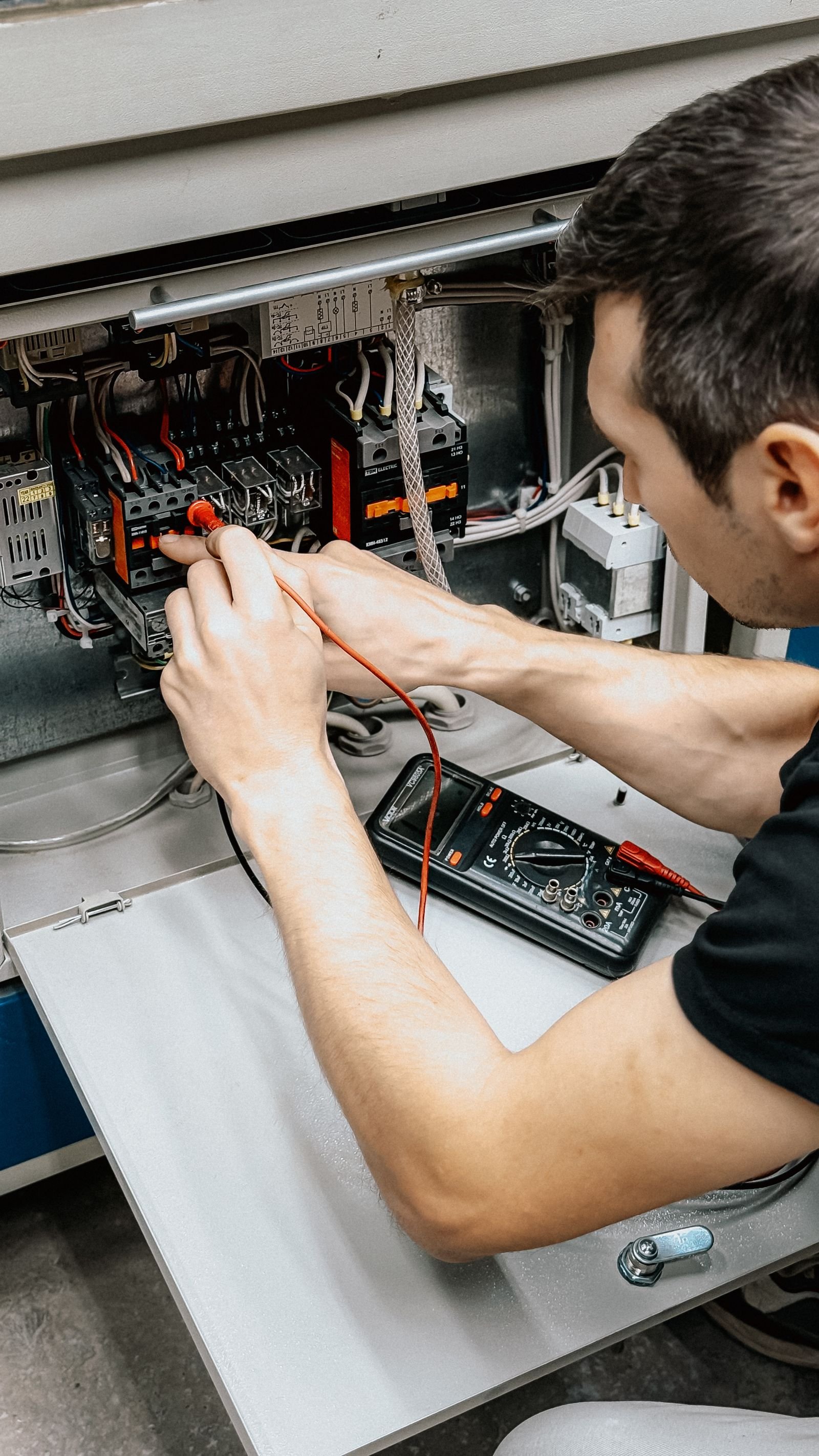 Electrician Diagnosing Electrical Panel with Multimeter.jpg 641.04 KB
Most electrician jobs fall into a few families. Installation electricians wire new buildings and refurbishments — houses, offices, schools, hospitals. Maintenance electricians keep existing sites running: fault-finding, repairs, testing and inspection in factories, warehouses, hospitals and housing stock. Domestic electricians work in homes — rewires, consumer units, EV chargers, fault calls — either employed by firms or self-employed.
Two areas are growing fastest. EV charger and solar/battery installation is expanding with the UK's net-zero push, and testing-and-inspection work (EICRs — the electrical safety reports landlords must have) is a steady, year-round market. Whichever family you aim at, employers expect work to BS 7671 (the UK wiring regulations, currently the 18th Edition) and proper test-and-certify habits on every job.
Electrician Pay in the UK: What You Can Earn
 Electrician Installing Wiring in New Building.jpg 624.07 KB
Pay varies by region, employer and whether you are employed or self-employed, but realistic 2026 ranges look like this. Employed electricians typically earn £35,000–£45,000 a year, with London and the South East at the top of the range and overtime pushing well beyond it. Approved electricians and those with testing qualifications earn more; supervisors and foremen more again.
Self-employed and subcontractor electricians commonly charge day rates of £200–£320 depending on region and specialism, which is why many experienced electricians move to contracting once they know UK systems. Agency work sits in between and is a common first step for newcomers — it pays weekly and builds UK site experience fast. Treat any advert promising far above these ranges with suspicion; the scam section below explains why.
Qualifications UK Employers Ask For
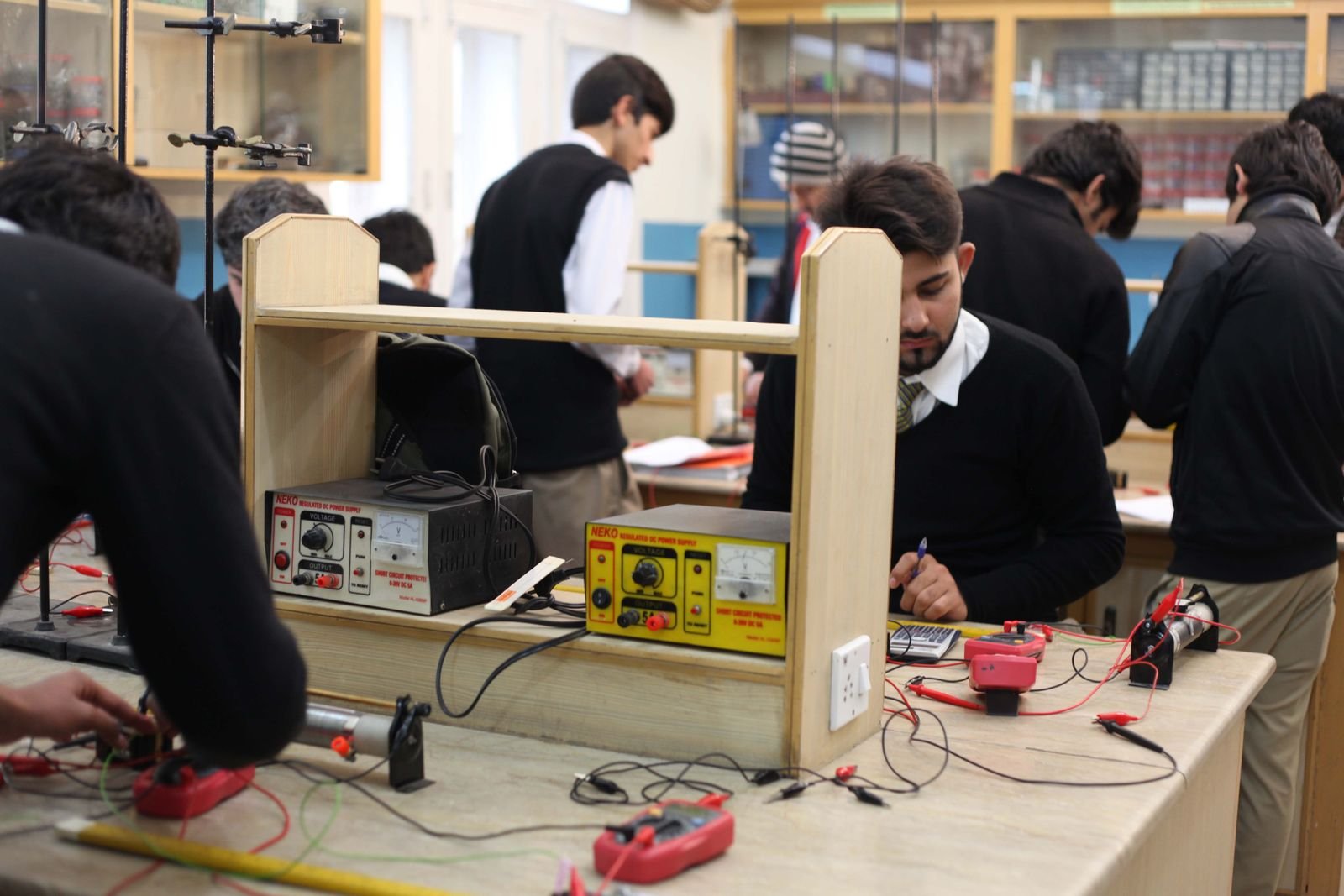 Students Working on Electronics in Lab.jpg 176.46 KB
The standard UK route is an NVQ Level 3 in Electrotechnical Installation plus the AM2 practical assessment, topped with the 18th Edition wiring regulations qualification (City & Guilds 2382). Together these make you a "qualified electrician" in the eyes of employers and the JIB (Joint Industry Board), which grades electricians and issues the ECS card — the card most construction sites require before you can work.
Variations exist by specialism: testing and inspection roles ask for City & Guilds 2391; EV and renewables installers add specific product and scheme certifications. Employers advertise with these names, so read adverts literally — if a job says "18th Edition and ECS card essential", both are genuinely checked, usually before an interview is offered.
Coming from Abroad: Getting Overseas Qualifications Recognised
 Workers in Hi-Vis Reviewing Documents.jpg 122.25 KB
If you trained outside the UK, your experience counts but your certificates need translating into UK equivalents. The usual path has three steps. First, a comparability statement: UK ENIC can assess how your overseas qualification compares to UK levels — useful evidence for employers. Second, gap-filling: most overseas electricians still need the 18th Edition qualification (a short course and exam, often a few days to a few weeks of study) because BS 7671 is UK-specific. Third, the ECS card: the Experienced Worker Assessment route lets seasoned electricians convert experience plus qualifications into the NVQ Level 3 and AM2 outcome needed for a gold ECS card.
Sequence matters. You can research and even start the 18th Edition study from abroad, but the practical assessments happen in the UK. Many newcomers arrive, do agency or mate/improver work while completing assessments, then step up to full electrician rates — budget for that ramp rather than expecting top pay in week one.
The Visa Route: Skilled Worker Visa for Electricians
 Passports and Visa Documents with ID Cards.jpg 666.37 KB
Electricians (occupation code 5241) are on the UK's list of occupations eligible for the Skilled Worker visa, but the visa follows the job, not the other way round: you need a job offer from a UK employer who holds a sponsor licence, at or above the required salary threshold, before you apply. The employer issues a Certificate of Sponsorship; you then apply for the visa with your passport, the certificate, English-language evidence and funds.
Two warnings belong here. Salary thresholds and eligible-occupation lists change with immigration rules, so check the current figures on GOV.UK before relying on any number — including in older articles. And no genuine employer or agent charges you a fee for a Certificate of Sponsorship; anyone selling sponsorship is running a scam, covered below.
How to Apply: Step by Step
 Man Working on Laptop at Kitchen Table.jpg 128.33 KB
- Get your documents in order: passport, qualification certificates (translated if needed), ENIC comparability if you have it, and a UK-style CV that leads with your trade experience, systems you have worked on, and any testing experience.
- Start the 18th Edition if you can — even "18th Edition booked/in progress" on a CV signals seriousness to UK employers.
- Apply where the jobs are: Indeed UK, Reed, Totaljobs and CV-Library carry most electrician vacancies; search "electrician" plus your target city, and filter for employers mentioning visa sponsorship if you need it.
- Use agencies deliberately: trade recruitment agencies place electricians into contract roles quickly and are the fastest route to UK site experience and an ECS-track record.
- Prepare for a practical interview culture: UK employers and agencies commonly ask about testing procedures, safe isolation and fault-finding scenarios — revise safe isolation steps until they are automatic.
Apply Now
 Smartphone Showing Job Search App.jpg 89.05 KB
Start your applications on the UK's main job boards — create a profile, upload your CV, and set alerts for "electrician" in your target city:
- Search electrician jobs on Indeed UK
- Search electrician jobs on Reed
- Search electrician jobs on Totaljobs
- Search electrician jobs on CV-Library
Scams Targeting Overseas Electricians
 Man in Shock Holding Smartphone and Credit Card.jpg 250.43 KB
The shortage that makes this trade attractive also attracts fraud. The common patterns: "agents" charging fees for a Certificate of Sponsorship or a "guaranteed visa" — sponsorship is never legitimately sold; fake job offers from lookalike company emails asking for passport scans and a "processing fee" before any interview; and adverts promising £600+ day rates for basic work, which exist to harvest your details. Verify every employer on Companies House, apply through the company's real website where you can, and never pay money to secure a job. A genuine UK employer pays you — the money never flows the other way.
Frequently Asked Questions
Can a foreign electrician work in the UK?
Yes — electricians are eligible for the Skilled Worker visa with a sponsoring employer, and demand is strong. Your overseas experience counts, but expect to complete the 18th Edition qualification and the Experienced Worker Assessment route to get fully recognised and carded.
What qualifications do I need to work as an electrician in the UK?
The standard is NVQ Level 3 plus the AM2 assessment and the 18th Edition (BS 7671) qualification, which together qualify you for the ECS gold card most sites require. Testing roles add City & Guilds 2391.
How much do electricians earn in the UK?
Employed electricians typically earn £35,000–£45,000 a year (more in London, plus overtime). Self-employed and contract electricians commonly charge £200–£320 per day depending on region and specialism.
Do I need an ECS card?
On most construction sites, yes — the ECS card is the industry ID and grading card, and many employers will not let you start without one. It is issued through the JIB once your qualifications are recognised.