
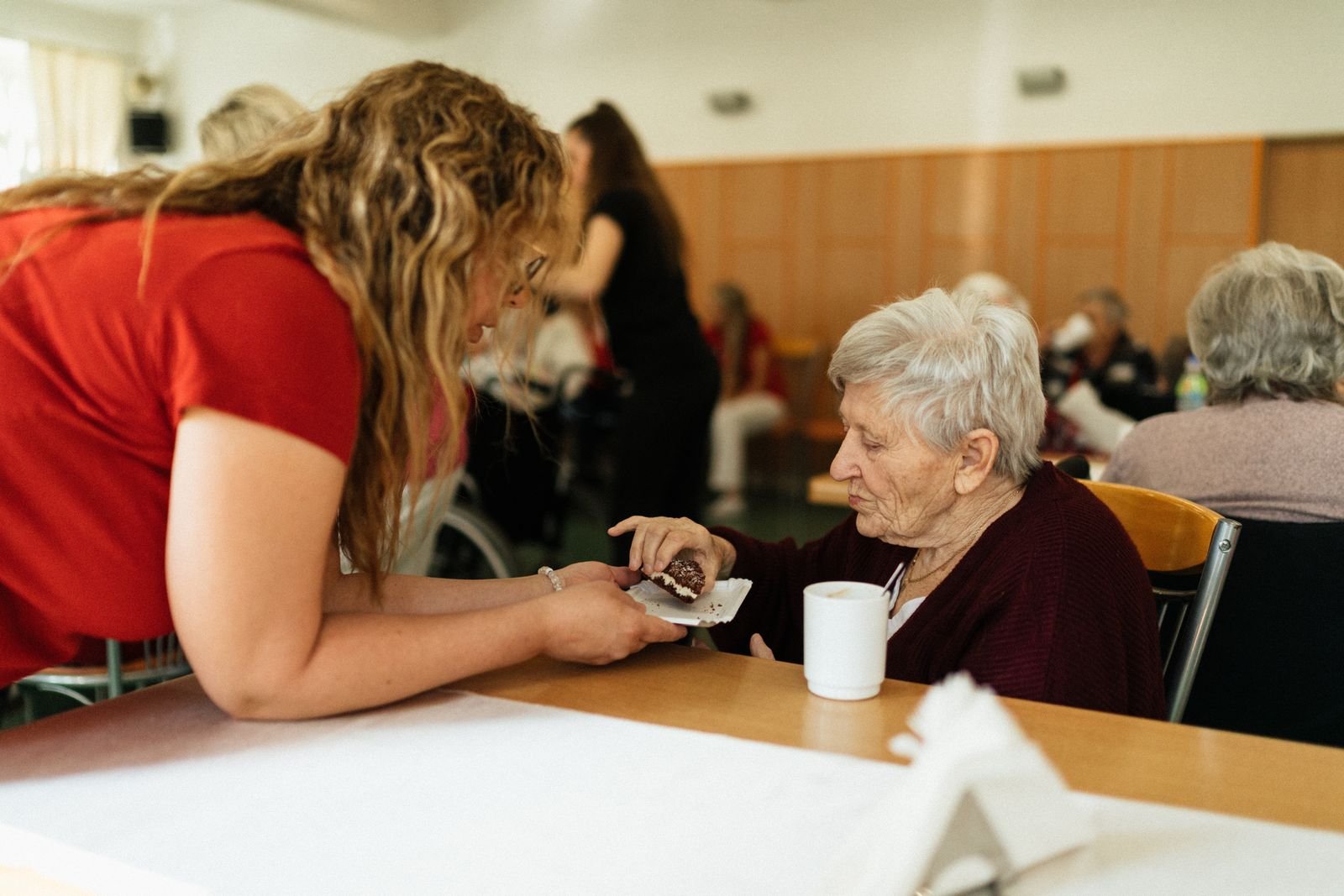
Care assistant jobs are among the most advertised roles in the United Kingdom. Care homes, home care agencies and NHS services all struggle to recruit enough staff, so vacancies appear in almost every town and city. For people already in the UK, these roles offer steady work without a degree. For overseas applicants, care work is also one of the few entry-level routes that can come with visa sponsorship, through the Health and Care Worker visa.
That said, this is not an easy shortcut into the UK. Sponsorship is only available from licensed employers for genuine care roles, the job is physically and emotionally demanding, and the sector attracts scammers who charge applicants for fake job offers. This guide explains the work, the pay, the visa route and how to apply safely.
What a Care Assistant Does Day to Day
 Care Assistant Helping Elderly Woman with Walker.jpg 241.24 KBA care assistant supports people who cannot fully look after themselves because of age, illness or disability. The core of the job is personal care: helping someone wash, dress, use the toilet, eat and drink, and get in and out of bed safely. You may help with mobility, using hoists or walking aids, and remind people to take their medication.
The work is not only physical. Companionship is a large part of the role, especially with elderly clients. You will also keep simple written records, report changes in a person's health or mood, and follow an individual care plan with patience and a calm manner.
Where Care Assistants Work
 Modern Care Home Building Exterior.jpg 376.01 KBThe biggest employers are residential care homes and nursing homes, where you look after a group of residents in one building. Home care, also called domiciliary care, is different: you travel from house to house, visiting clients for set periods to help them start the day, prepare meals or settle for the night.
The NHS employs healthcare assistants in hospitals and community services, roles highly sought after for the pension and job security. Supported living services are another option, helping adults with learning disabilities or mental health needs in their own homes.
Pay and Hours
 Care Worker Checking Rota Schedule.jpg 133.05 KB
Care assistant pay in the UK starts at the legal floor. Every employer must pay at least the National Minimum Wage, and workers aged 21 and over must receive at least the National Living Wage. Experienced staff, senior carers and those in London often earn above this, but do not expect a high salary in your first role. Always check the hourly rate in writing before accepting a job.
Hours vary widely. Full-time contracts are usually 36 to 42 hours a week, often worked as shifts of around twelve hours. Sleep-in shifts are common in residential settings: you stay overnight so you can respond if needed, usually paid as a flat fee rather than an hourly rate. In home care, you are normally paid for contact time with clients, plus mileage if you use your own car, so check unpaid travel time before you sign.
The Health and Care Worker Visa Explained
 Passport and Laptop Job Application.jpg 299.45 KB
The Health and Care Worker visa allows overseas nationals to come to the UK to do an eligible job with an approved employer. The key point is this: your sponsor must be a care provider holding a valid sponsor licence from the Home Office, and the job must be a genuine care role meeting the visa rules. An individual family, an unlicensed agency or a recruitment company cannot sponsor you, no matter what they promise.
To qualify, you need a certificate of sponsorship from that licensed employer, a job offer for an eligible occupation, and you must be paid at least the required salary threshold for the role. You also need to prove your knowledge of English, usually by passing an approved test at the required level or holding a degree taught in English. Eligible dependants, such as a partner and children, can usually apply to join you, subject to the maintenance requirements. Never pay an agent for sponsorship: genuine employers do not sell certificates of sponsorship, and paying for one can lead to your visa being refused or cancelled.
Skills and Requirements
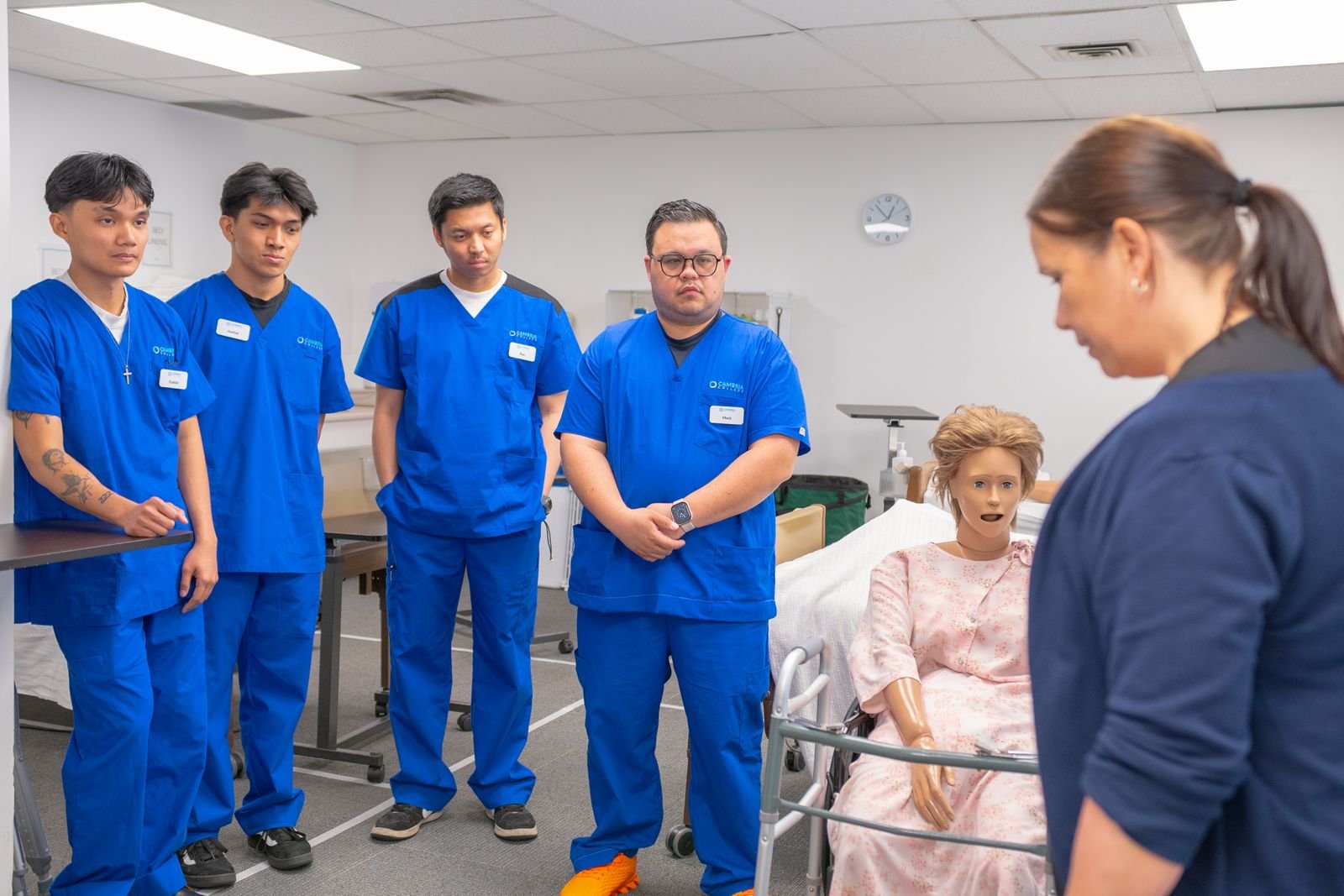 Care Staff Induction Training Session.jpg 200.72 KB
Most care assistant roles do not require a formal degree or previous care qualifications, which is why the sector recruits many career changers. Employers mainly look for a caring attitude, reliability, basic English communication, and the physical ability to help people move safely. Experience in any people-facing job, or caring for a family member, is worth mentioning.
There are some firm requirements. You will need an enhanced DBS check, a criminal record check carried out because you will work with vulnerable people; the employer normally arranges this, and having a record does not automatically rule you out, but you must be honest about it. For home care, a full driving licence and access to a car is a major advantage, and some agencies will not hire without one. New starters complete induction training covering safeguarding, moving and handling, infection control and first aid, and normally work towards the Care Certificate, the standard introduction for care staff in England.
How to Apply Step by Step
 Woman Writing CV in Notebook.jpg 379.81 KBStart by preparing a short, clear CV. List relevant experience first, including unpaid caring, volunteering or customer-facing work, and keep it to one or two pages. Next, search for vacancies in the area where you want to live, and check that any advert offering sponsorship comes from a provider on the official register of licensed sponsors.
When you apply, expect an interview focused on attitude and values rather than technical knowledge: typical questions ask why you want to work in care and how you would handle a difficult situation. If you are offered the job, the employer will run your DBS check and take references before confirming a start date. Overseas applicants should only travel once the visa has been granted; do not resign or book flights based on a verbal promise.
Apply Now
You can search for current vacancies on NHS Jobs for hospital and community roles, on Indeed UK and Reed for care home and home care positions, and on the careers pages of large care providers, many of which list sponsored vacancies directly. Set up job alerts for your chosen area and keep copies of every offer letter and contract you receive.
Common Mistakes and Scam Warnings
 Hand Beside Smartphone Text Messages.jpg 128.84 KBThe most damaging mistake is paying money to an agent who promises sponsorship, a certificate of sponsorship or a guaranteed job. Genuine licensed employers recruit openly and do not charge applicants; anyone asking for thousands of pounds upfront, in cash or to a personal bank account is almost certainly a fraudster. Beware, too, of fake job offers: professional-looking letters using a real company's name, followed by requests for "processing fees". Verify the employer on the official sponsor register and contact the company through its own website.
Other mistakes are more ordinary but still costly. Applicants often accept home care jobs without working out the unpaid travel time between visits, or sign contracts without checking how sleep-in shifts are paid. Overseas applicants sometimes arrive without savings for their first month, forgetting wages are usually paid monthly in arrears. Finally, never work on a visitor visa while "waiting" for sponsorship: working illegally can end any future chance of a UK visa.
Frequently Asked Questions
Do I need experience or qualifications to become a care assistant in the UK?
Usually not. Most employers accept beginners and provide full induction training, including working towards the Care Certificate. A caring attitude, reliability and good communication matter most. You will need an enhanced DBS check, and a driving licence is a strong advantage for home care.
Can I get visa sponsorship as a care assistant?
Yes, but only through the Health and Care Worker visa, and only if your employer is a care provider holding a valid Home Office sponsor licence offering a genuine eligible role. You must meet the salary threshold and English requirement. Individuals and unlicensed agencies cannot sponsor you.
How much does a care assistant earn in the UK?
Pay starts at the National Minimum Wage, or the National Living Wage if you are 21 or over. Experienced staff, senior carers and workers in London often earn more. Home care may add mileage payments, while sleep-in shifts are usually a flat fee.
Is it safe to pay an agent to arrange a care job and sponsorship?
No. Genuine employers never sell sponsorship or charge applicants for a job offer. Paying an agent is the most common scam in this sector and can leave you out of pocket with a refused visa. Apply directly to licensed providers and check the official sponsor register first.