
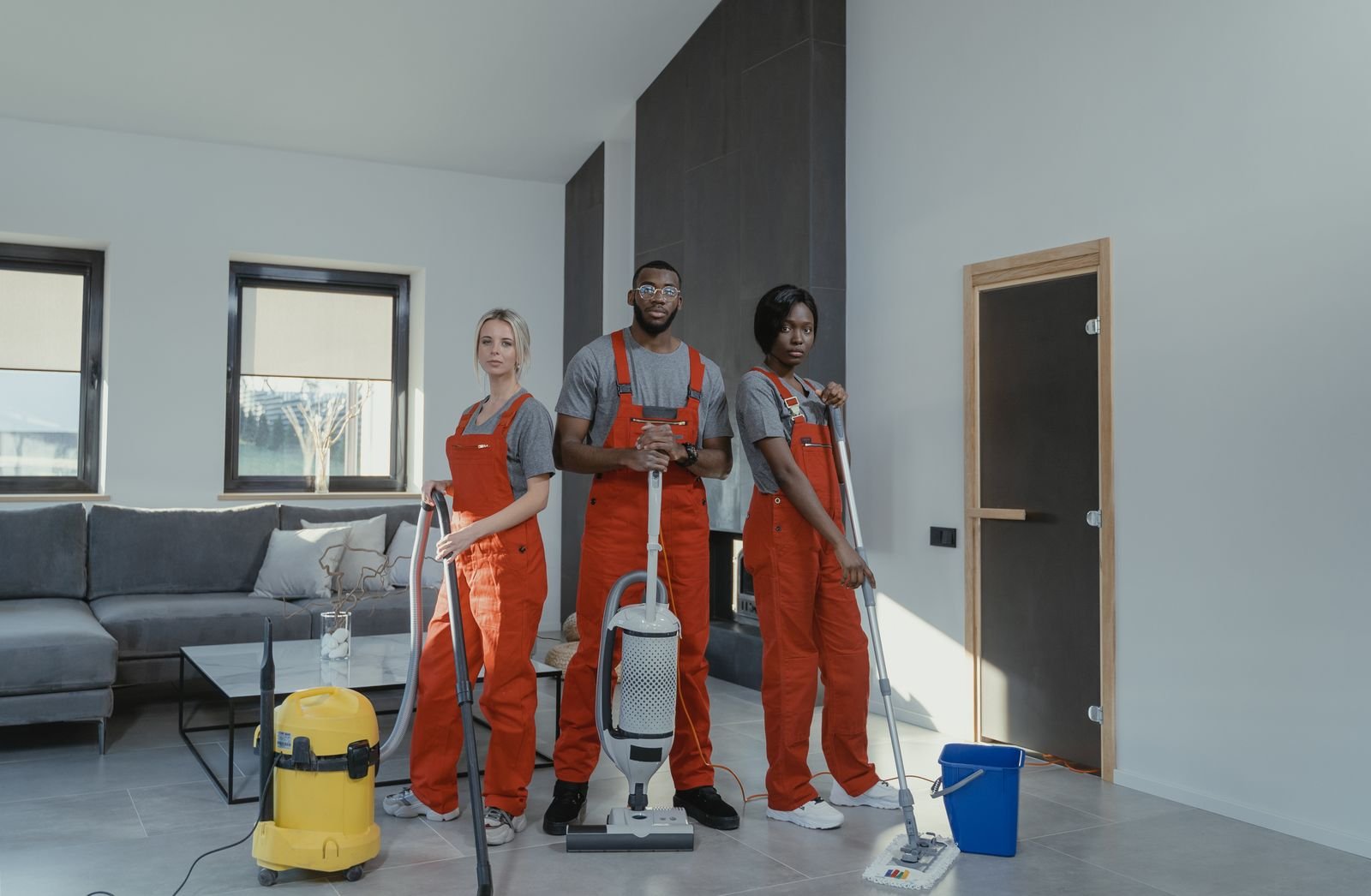
Cleaner and housekeeping jobs are among the most widely available roles in the UK. Hotels, hospitals, offices, care homes and private households all rely on cleaning staff daily, so vacancies appear in almost every town and city. For job seekers — including people hoping to move to the UK from overseas — they can look like an easy first step into the British job market.
The reality is more mixed. The work is straightforward and rarely needs formal qualifications, but the visa rules are strict, and most cleaning jobs do not come with sponsorship. This guide explains honestly what the job involves, what it pays, who can legally apply, how to apply step by step — and how to spot the scams that target overseas applicants.
What the Job Involves
 img2-10567271.jpg 129.66 KB
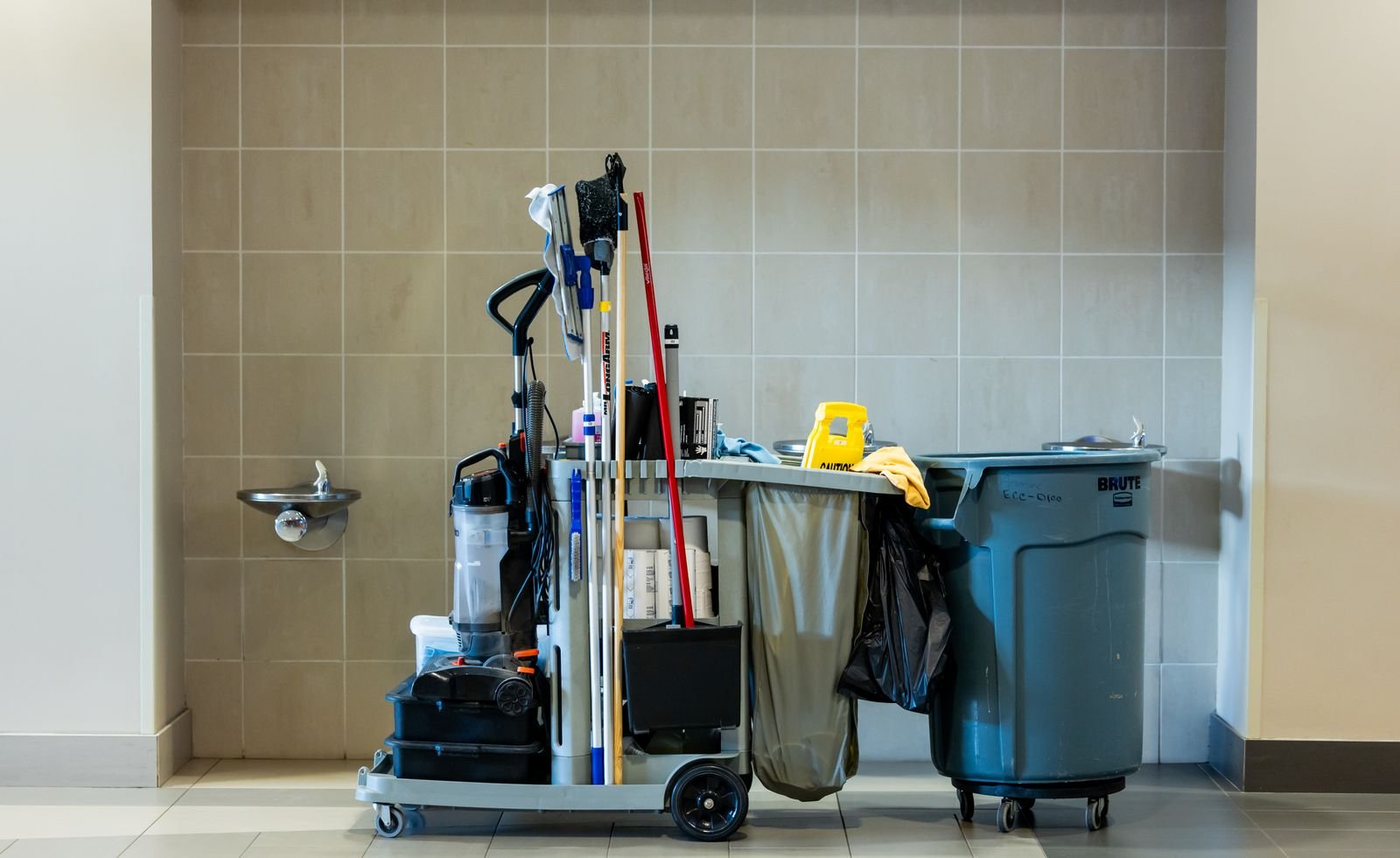
Cleaners and housekeepers keep buildings safe, hygienic and presentable. Typical tasks include vacuuming and mopping floors, dusting, cleaning bathrooms and kitchens, emptying bins, changing bed linen, restocking supplies, and reporting any damage you notice.
Hotel and private-home housekeeping leans towards bedrooms and living spaces — beds, laundry, ironing, tidying — while hospital, school and office cleaning focuses on hygiene and shared areas. Either way, the work is physical: on your feet most of the shift, bending and lifting, so reasonable fitness helps.
Types of Cleaner & Housekeeping Jobs
 img3-9462335.jpg 288.36 KB
- Private homes — domestic cleaners and housekeepers working for families or through agencies. Usually daytime hours; part-time work is common.
- Hotels and hospitality — room attendants and housekeeping teams cleaning guest rooms to a set standard, against tight daily targets.
- Hospitals and the NHS — domestic assistants and cleaners following strict infection-control procedures. Stable roles, usually with NHS pension and benefits.
- Offices and commercial buildings — often early-morning or evening shifts, outside office hours.
- Care homes — housekeeping and laundry staff in elderly care settings — relevant to the visa rules below.
- Schools and public buildings — term-time contracts are common, suiting people with school-age children.
Pay & Working Hours
 img4-6195273.jpg 122.23 KB
Pay is usually at or slightly above the legal minimum. By law, every worker must receive at least the National Minimum Wage, and workers aged 21 and over at least the National Living Wage. Supervisors, experienced staff and London cleaners typically earn more.
Hours vary widely. Many roles are part-time — 10 to 25 hours a week is common in domestic and office cleaning — while hotel and hospital roles are often full-time with rotating shifts. Early starts (5 or 6 a.m.) and evening work are normal. Always expect payment by bank transfer, with a payslip showing hours, rate and deductions.
Who Can Apply — Visa & Right to Work
 img5-7641827.jpg 135.49 KB
This is the part many websites get wrong, so it is worth stating plainly: most cleaner and housekeeping jobs in the UK do not offer visa sponsorship. The Skilled Worker visa has a salary threshold and a list of eligible occupations, and general cleaning roles do not normally qualify. An advert promising a sponsored cleaning job with no qualifications and unusually high pay is a warning sign, not an opportunity.
You can apply freely if you already have the right to work in the UK — for example British or Irish citizens, people with settled or pre-settled status, holders of visas that permit employment (such as dependant, graduate or family visas), or students within their permitted hours. Employers must check your right to work before you start.
The main exception is the Health and Care Worker visa. Care providers can sponsor eligible care roles, and some housekeeping posts sit within sponsored care settings — but sponsorship attaches to genuine care occupations, not cleaning jobs in general. If you want to move to the UK, research the care route through official channels rather than paying an agent promising a cleaning visa.
Skills & Requirements
 img6-34516664.jpg 141.32 KB
Formal qualifications are rarely required. Employers mainly look for:
- Reliability — turning up on time, every shift.
- Attention to detail — noticing what others miss.
- Basic English — enough for instructions, safety labels and simple conversations.
- Physical fitness — standing, walking and lifting all shift.
- Trustworthiness — you may work in people's homes; many employers run a DBS check, especially schools, hospitals and care homes.
- Safe use of chemicals (COSHH awareness) — training is usually given on the job.
Experience helps for hotel and supervisory roles, but plenty of employers hire beginners with a good attitude and dependable work history.
Where to Find These Jobs
 img7-4050216.jpg 312.18 KB
Most genuine vacancies appear in the same places as other UK jobs. Large job boards carry thousands of cleaning listings, filterable by town, hours and full-time or part-time work. Local cleaning agencies are another major route — registering with two or three can lead to regular work quickly, cover shifts included.
NHS roles are advertised through the NHS's own jobs service, and councils list school cleaning jobs on their websites. Hotels, care homes and cleaning companies also recruit via their own careers pages, sometimes before advertising widely.
How to Apply Step by Step
 img8-7821577.jpg 123.94 KB
1. Prepare a simple CV. One or two pages: contact details, a short summary, your work history (any job counts — highlight reliability and physical work), and any certificates.
2. Check your right-to-work documents. Have your passport, visa or share code ready; employers will ask before offering a start.
3. Search and shortlist. Apply to several roles at once — cleaning recruitment moves fast, and interviews can happen within days.
4. Tailor your application. Mention the setting (hotel, hospital, private homes) and any matching experience, even unpaid experience.
5. Attend the interview or trial shift. Arrive early; a short paid trial is common.
6. Complete the checks. Expect right-to-work checks and, where required, a DBS check before your first shift.
7. Confirm the details in writing. Your contract should state your hourly rate, hours, pay day and notice period before you start.
Apply Now
 img9-15406295.jpg 89.05 KB
Ready to start looking? Search Indeed UK, Reed and Totaljobs for "cleaner" or "housekeeper" plus your town or postcode, and use NHS Jobs
Set up free job alerts — cleaning roles are often filled within a week. If you already have the right to work in the UK, you can apply today. If you are overseas and would need sponsorship, focus on the official Health and Care Worker visa route instead, and never pay anyone who guarantees you a job or a visa.
Common Mistakes to Avoid & Staying Safe from Scams
 img10-7172786.jpg 401.48 KB
The biggest mistake overseas applicants make is paying "agents" who advertise cleaning jobs with free visas, free flights and unrealistic salaries. Genuine UK employers and agencies never charge applicants for a job, a visa or a certificate of sponsorship. Warning signs: offers only via WhatsApp or social media, payment requests by gift card or transfer, and pressure to decide immediately.
More ordinary mistakes include ignoring the location (a cleaning job is rarely worth a two-hour commute) and shift pattern, not having documents ready, and giving up after a few applications — turnover here is high, so persistence pays. Verify the company is real, keep copies of your contract and payslips, and check the official UK government website for current visa rules.
Frequently Asked Questions
Can I get visa sponsorship for a cleaner job in the UK?
In almost all cases, no. General cleaning roles do not meet the Skilled Worker visa requirements, and most employers cannot sponsor them. The exception is the Health and Care Worker route, where sponsorship applies to eligible care roles — not to cleaning jobs in general.
Do I need experience to get a cleaning job?
Usually not. Many employers hire beginners and provide training. Experience helps for hotel, NHS and supervisory roles, but reliability, honesty and a good attitude matter most.
How much English do I need?
Basic English is enough: understanding instructions, reading safety labels and communicating with supervisors. Fluency is not required.
How much can I earn as a cleaner in the UK?
Most cleaners earn at least the National Living Wage, with higher rates for London, experienced staff, supervisors and some NHS or unsocial-hours roles. Total earnings depend mainly on the hours you work.