
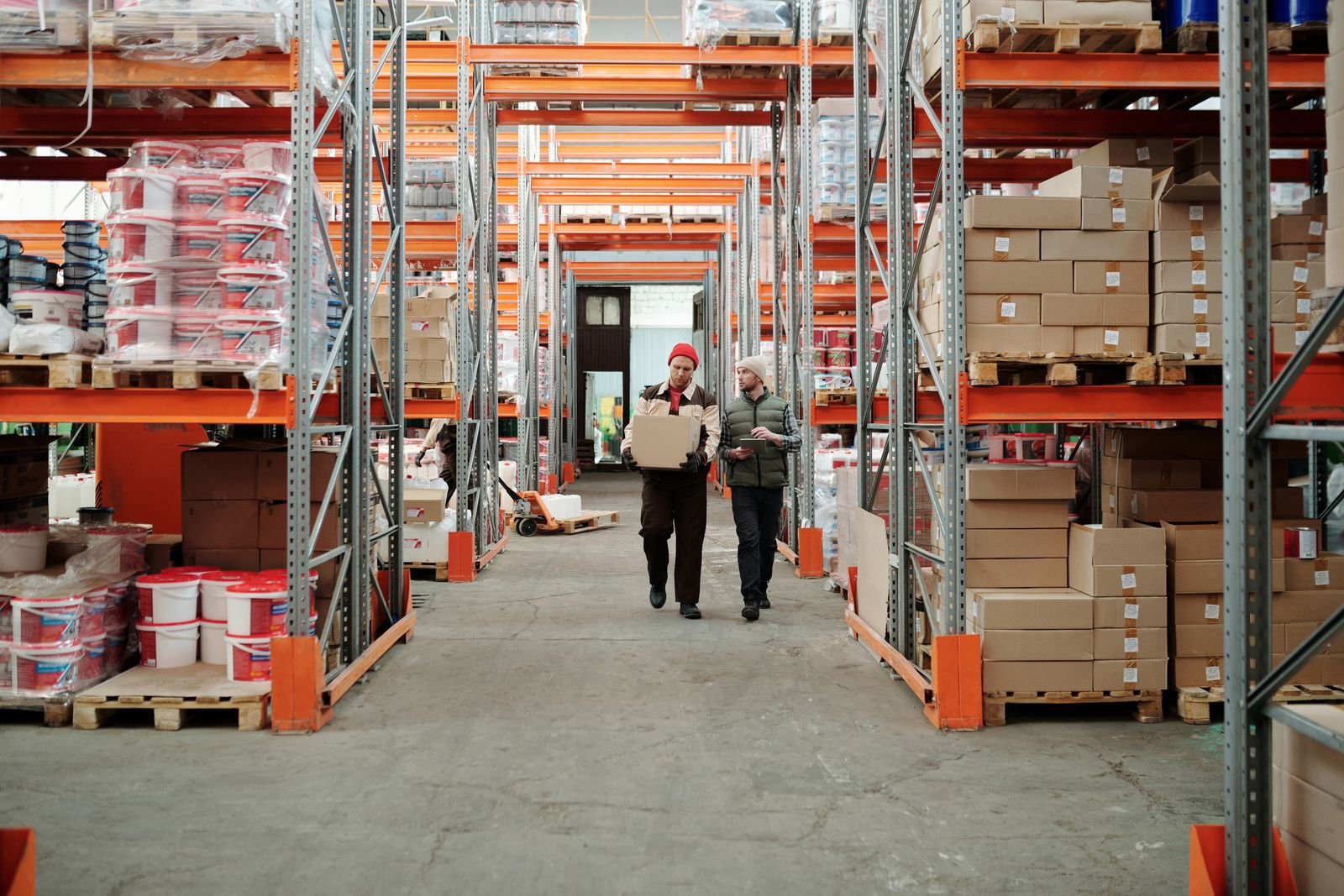
Warehouses are one of the biggest employers in the UK. Every online order, supermarket shelf and high-street delivery passes through a distribution centre, and those centres run day and night, all year round. For jobseekers — including people planning a move to the UK — warehouse work is often the first realistic step into the British job market: entry requirements are low, hiring is fast, and overtime is common.
This guide covers what the work actually involves, what it pays in 2026, the shift patterns you will be
offered, and — honestly — what applying from abroad really requires, because the visa side is where most overseas applicants go wrong.
What Warehouse Jobs in the UK Involve
 Warehouse Worker Scanning Inventory with Handheld Scanner.jpg 161.24 KBMost warehouse roles fall into a few job titles: warehouse operative, picker/packer, forklift driver, loader, and team leader. Pickers walk the aisles collecting items for orders, often guided by a handheld scanner or a voice headset; packers box, label and prepare those orders for dispatch. Loaders move pallets between lorries and storage, and forklift drivers handle the heavy lifting — that role needs a licence (RTITB or ITSSAR accredited in the UK).
The work is physical. Expect to be on your feet for most of a shift, walking several miles a day in larger sites, and lifting items that commonly weigh up to 15–20 kg. Employers provide safety boots and hi-vis, and reputable sites run a proper induction covering manual handling and scanner use before you start.
Pay: What Warehouse Workers Earn in 2026
 Hands Holding Calculator over Documents.jpg 135.93 KBPay starts from the legal floor. The UK National Living Wage for workers aged 21 and over is £12.21 an
hour (the rate set from April 2025), and many basic operative roles sit between £12.21 and £13.50 an hour depending on region — sites near London and the South East pay more than those in the North or Wales. Night shifts usually carry a premium of £1–£3 an hour on top, and forklift drivers typically earn £13–£16 an hour.
Overtime is where warehouse pay grows: hours beyond your contracted shift are often paid at time-and-a-half, and weekend shifts can reach double time with some employers. Agency workers are entitled to the same basic pay and conditions as direct staff after 12 weeks in the same role under the Agency Workers Regulations — a protection worth knowing about if an agency tries to keep you on a lower rate indefinitely.
Shifts and Working Patterns
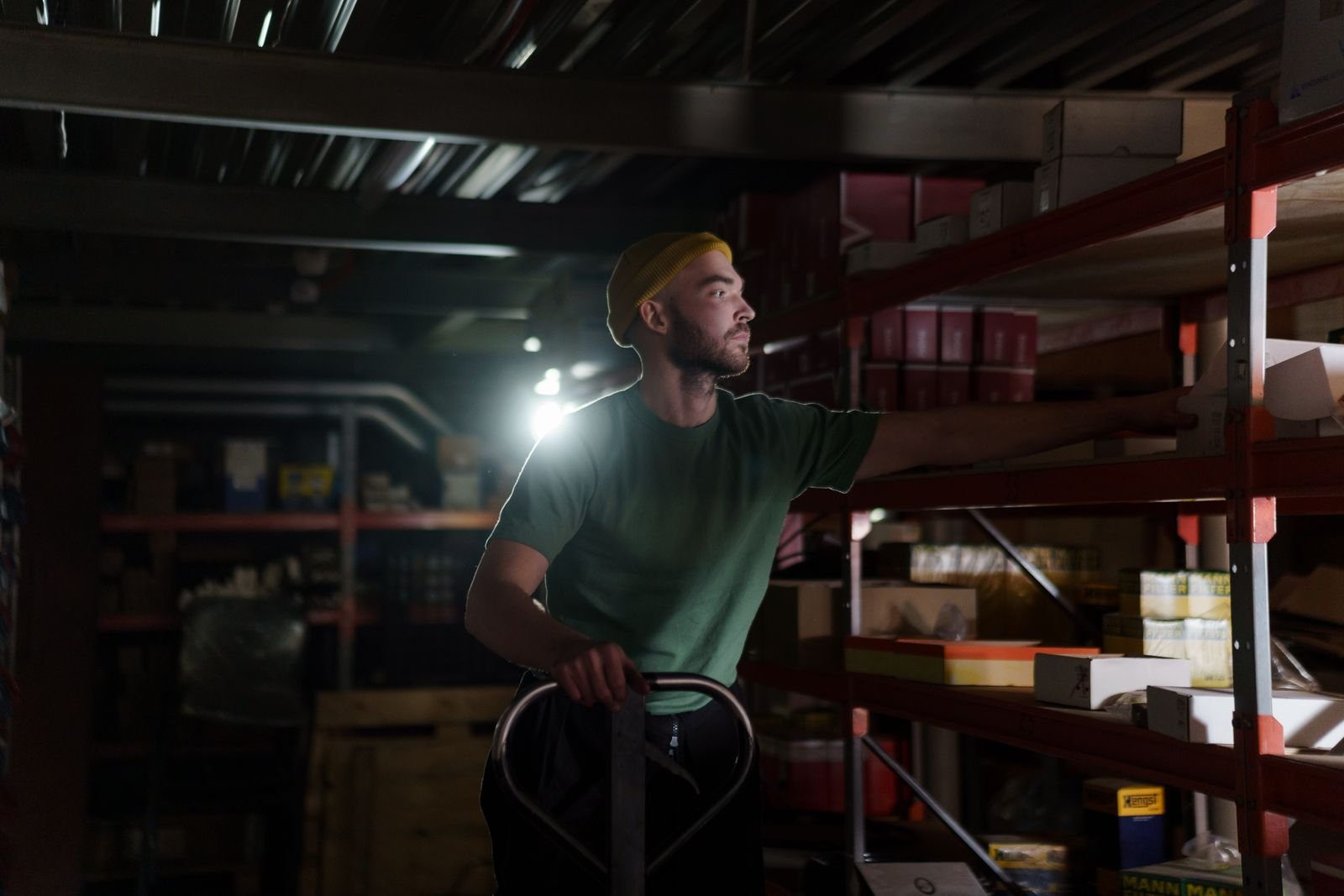 Warehouse Worker Pulling Box from Shelf at Night.jpg 113.71 KBWarehouses run around the clock, so shift choice is one of the real decisions in this job. Common patterns include fixed days (for example 6am–2pm or 2pm–10pm), fixed nights (10pm–6am), rotating shifts that alternate weekly, and the popular 4-on-4-off pattern of twelve-hour shifts. Peak seasons — late October to Christmas above all — bring heavy overtime and temporary contracts that frequently turn permanent in January.
Part-time and weekend-only contracts exist but are less common than full-time. When you apply, state your availability honestly: sites plan rotas weeks ahead, and reliability is the single quality supervisors mention most when deciding who gets kept on after a trial period.
Applying from Abroad: The Visa Reality
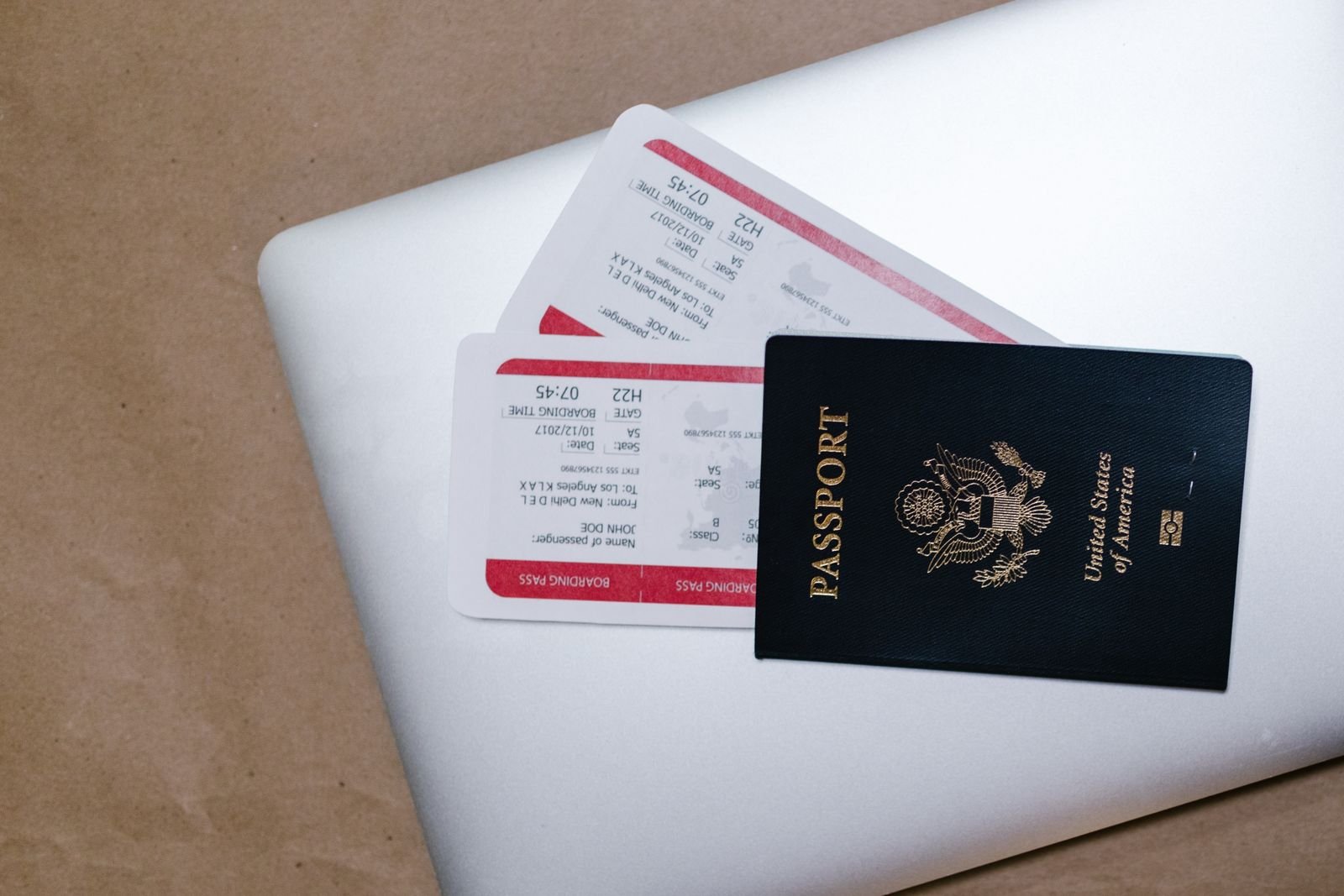 Passport and Boarding Passes on Laptop.jpg 156.04 KBThis is the part to read carefully. General warehouse operative roles almost never come with visa sponsorship — the UK's Skilled Worker visa covers specific skilled occupations, and basic warehouse work is not one of them. Any advert or agent promising a sponsored warehouse visa for a fee should be treated as a scam warning sign, not an opportunity.
Applying from abroad is realistic only if you already have, or can independently obtain, the right to work in the UK: for example through the Youth Mobility Scheme (for eligible nationalities aged 18–30/35), a Graduate visa after UK study, dependant status on a partner's visa, an ancestry visa, or settled/pre-settled status. If you hold one of these, you apply exactly like a UK-based candidate — the difference is only your address. If you do not, the honest path is to secure your immigration route first and look at warehouse work once you arrive, not the other way round.
What Employers and Agencies Look For
 Man Reviewing Womans Resume in Job Interview.jpg 129.92 KBFormal qualifications are rarely required for operative roles. What hiring managers actually screen for is reliability (attendance is everything in a rota-based workplace), basic English for safety instructions and scanner work, the physical ability to handle the role, and a right-to-work document set: passport or visa share code, National Insurance number once you have one, and proof of address for payroll.
Previous warehouse experience helps but is not essential — retail, hospitality and construction backgrounds all transfer well. A forklift licence, a first-aid certificate, or experience with warehouse management systems (such as SAP) moves you up the pay bands faster than almost anything else.
Where to Find Warehouse Jobs
 Woman Using Laptop at Home.jpg 312.18 KBMost warehouse hiring runs through two channels: national job boards and specialist staffing agencies. The big boards — Indeed UK, Reed and Totaljobs — list thousands of warehouse vacancies and let you filter by shift and location. Large employers such as Amazon, Tesco, DHL, GXO and Royal Mail also hire directly through their own careers pages.
Agencies handle a huge share of warehouse recruitment: names such as Staffline, Pertemps, Blue Arrow, Challenge-trg and Mach Recruitment supply staff to distribution centres across the country. Registering with two or three local agencies is often faster than applying site by site — and registering is always free. If any agency asks you to pay for registration, PPE beyond standard boots, or "processing", walk away.
How to Apply: Step by Step
 Person Typing Application on Computer Keyboard.jpg 77.07 KB
Start with a short, honest CV: contact details, right-to-work status stated plainly, work history with dates, and any licences or physical-work experience near the top. Apply for roles within a sensible commute — warehouses cluster around motorway junctions in the Midlands ("the Golden Triangle" around Daventry, Rugby and Leicester), the North West, and Yorkshire, and a 90-minute commute kills a night-shift job quickly.
Expect the process to move fast: an online application, a short phone or video screening, then an induction day that doubles as a trial. Bring your right-to-work documents to the induction — you cannot start without them. Once started, the fastest route to a permanent contract and better shifts is a clean attendance record through your first twelve weeks.
Apply Now
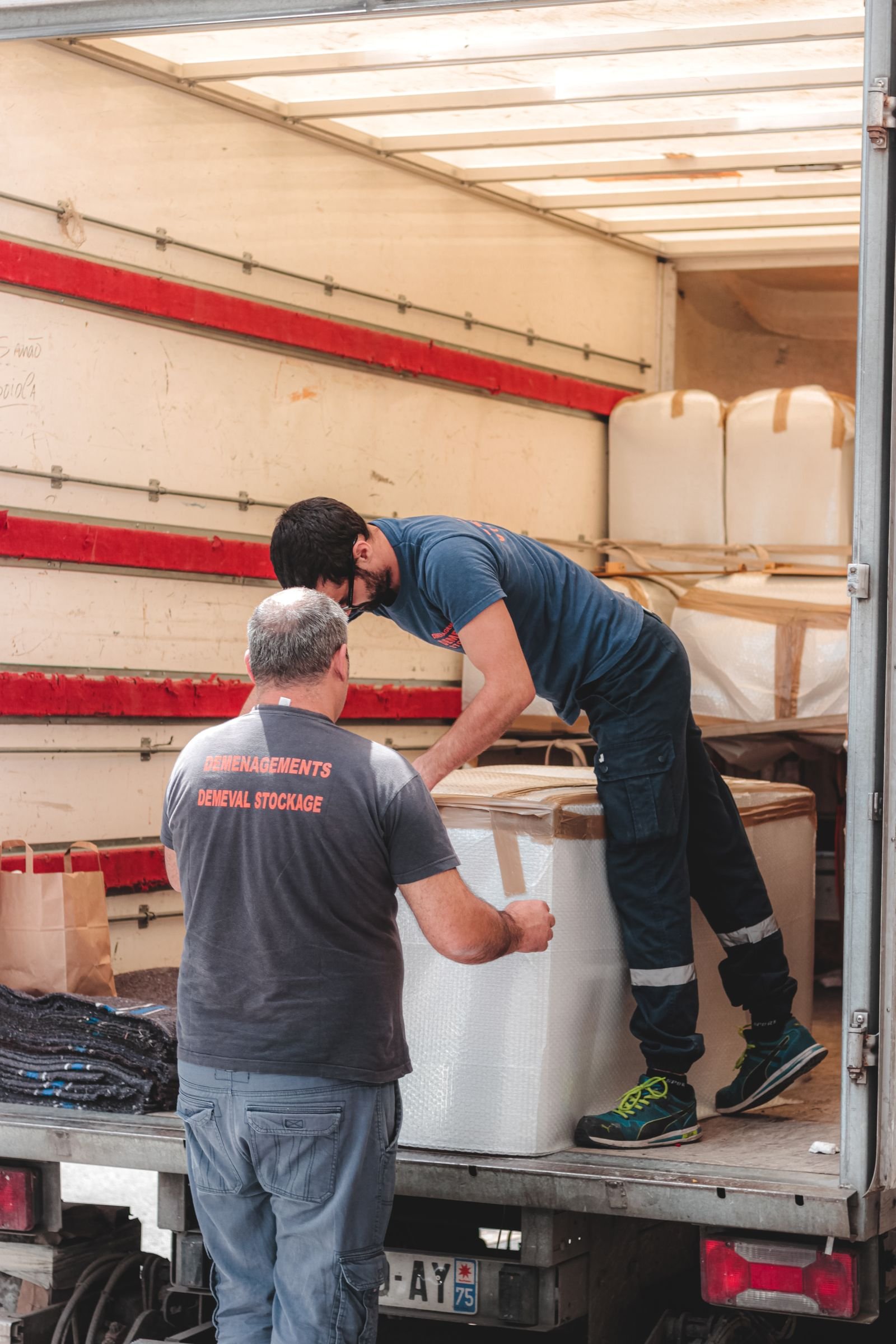 Two Workers Unloading Boxes from Lorry.jpg 393.25 KBReady to apply? These are the official places to search live warehouse vacancies — applications are free on all of them:
- Search warehouse jobs on Indeed UK
- Search warehouse jobs on Reed
- Search warehouse jobs on Totaljobs
- Amazon warehouse careers
Watch Out: Fees, Scams and Bad Agencies
Warehouse recruitment attracts scammers because demand is high. The rules that protect you are simple: never pay to register with an agency, never pay for a "visa sponsorship" for an operative role, and never hand over your passport to anyone other than an employer checking it for right-to-work (they copy it, they do not keep it). Be suspicious of job offers that arrive only through messaging apps with no company name, no site address and pay that sounds far above the £12–£14 range for basic work. Legitimate warehouse hiring is boring, documented and free to enter.
Frequently Asked Questions
Do I need experience to get a warehouse job in the UK?
No. Most operative roles are entry-level and employers train you on scanners and site procedures during induction. Reliability and right-to-work documents matter more than experience.
Can I get a warehouse job in the UK with visa sponsorship from abroad?
Almost never for general operative roles — they are not on the Skilled Worker occupation list. You normally need an existing right to work (Youth Mobility, Graduate, dependant, ancestry or settled status) before applying.
How much can I earn on night shifts?
Night rates usually add £1–£3 an hour over the day rate, so roughly £13–£16 an hour for operative roles, with overtime on top at peak times.
Are agency warehouse jobs safe and legal?
Yes, if the agency is legitimate — registration is free, and after 12 weeks in the same role you are entitled to the same basic pay and conditions as direct staff. Never pay an agency a fee to find you work.