
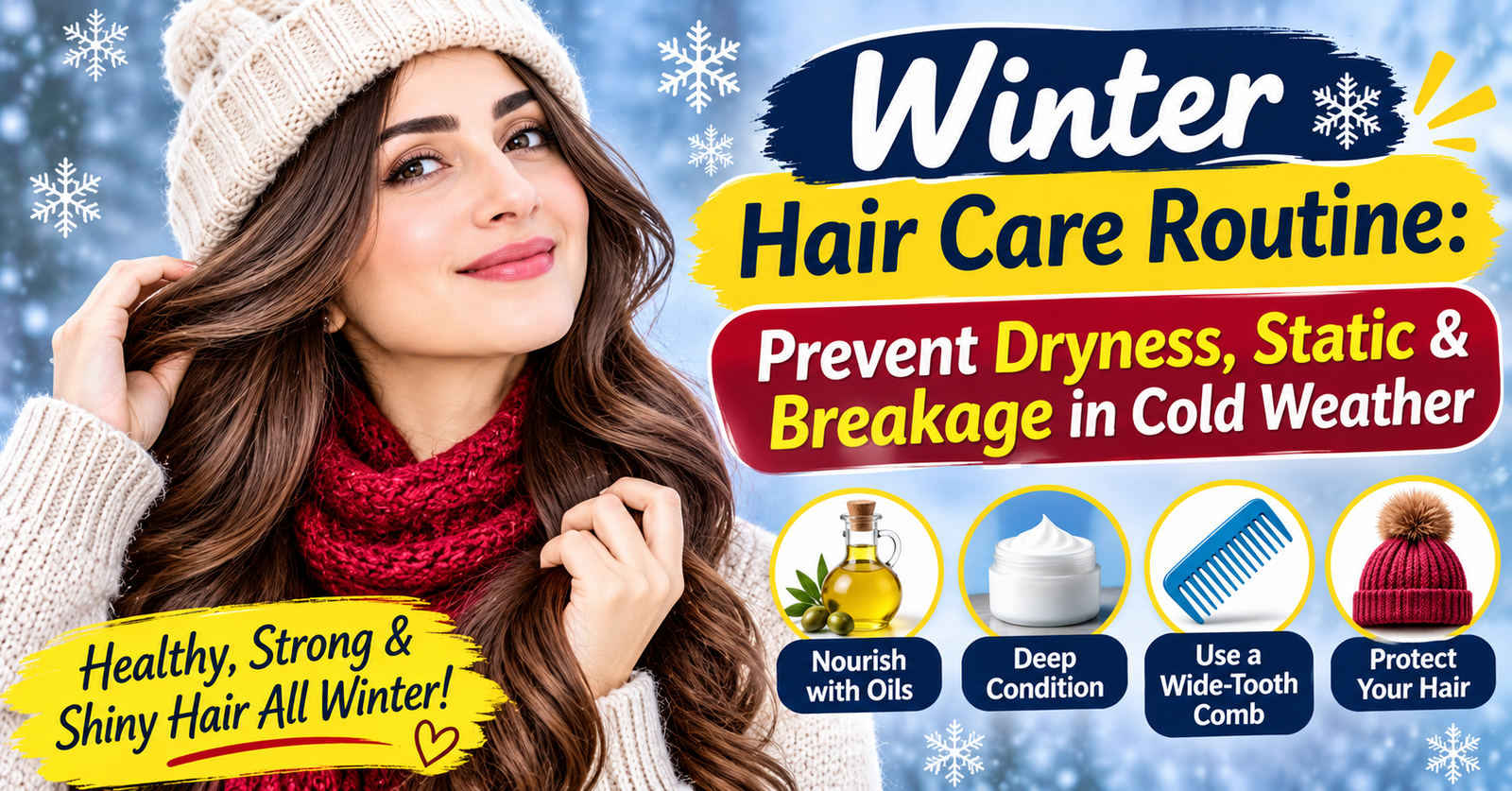
When the temperature drops and the heating turns up, your hair faces a double-edged sword. The freezing outdoor air lacks humidity, while indoor heating systems strip away whatever natural moisture remains in your strands. This seasonal transition often leads to the "winter hair trifecta": relentless static, brittle ends, and a dry, itchy scalp. To maintain a healthy mane during the colder months, a standard routine isn't enough; you need a specialized strategy focused on moisture retention and friction reduction.
1. Moisturizing Shampoo
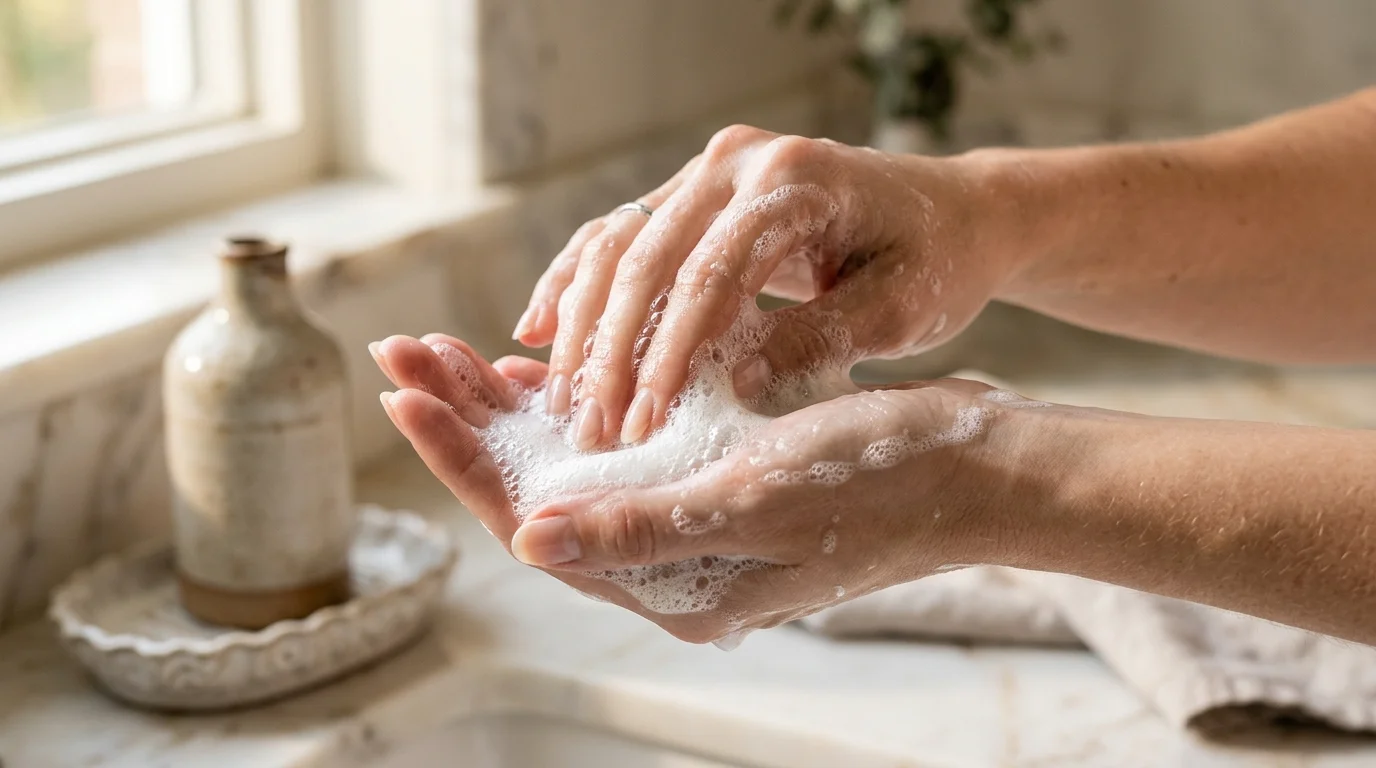
The first step in a winter-ready routine is auditing your cleansing products. Many standard shampoos contain harsh sulfates that act like detergents, stripping away the sebum your scalp produces to protect the hair shaft. In winter, this can lead to an over-dried cuticle that is prone to "lifting," which results in a rough texture.
Switch to a moisturizing, sulfate-free formula. Look for ingredients like glycerin, aloe vera, and panthenol. These humectants draw moisture from the air into the hair. During the winter, you should also aim to reduce the frequency of your washes. Washing your hair every day can exacerbate dryness; instead, aim for two to three times a week to allow your natural oils to lubricate the hair naturally.
2. Weekly Masks
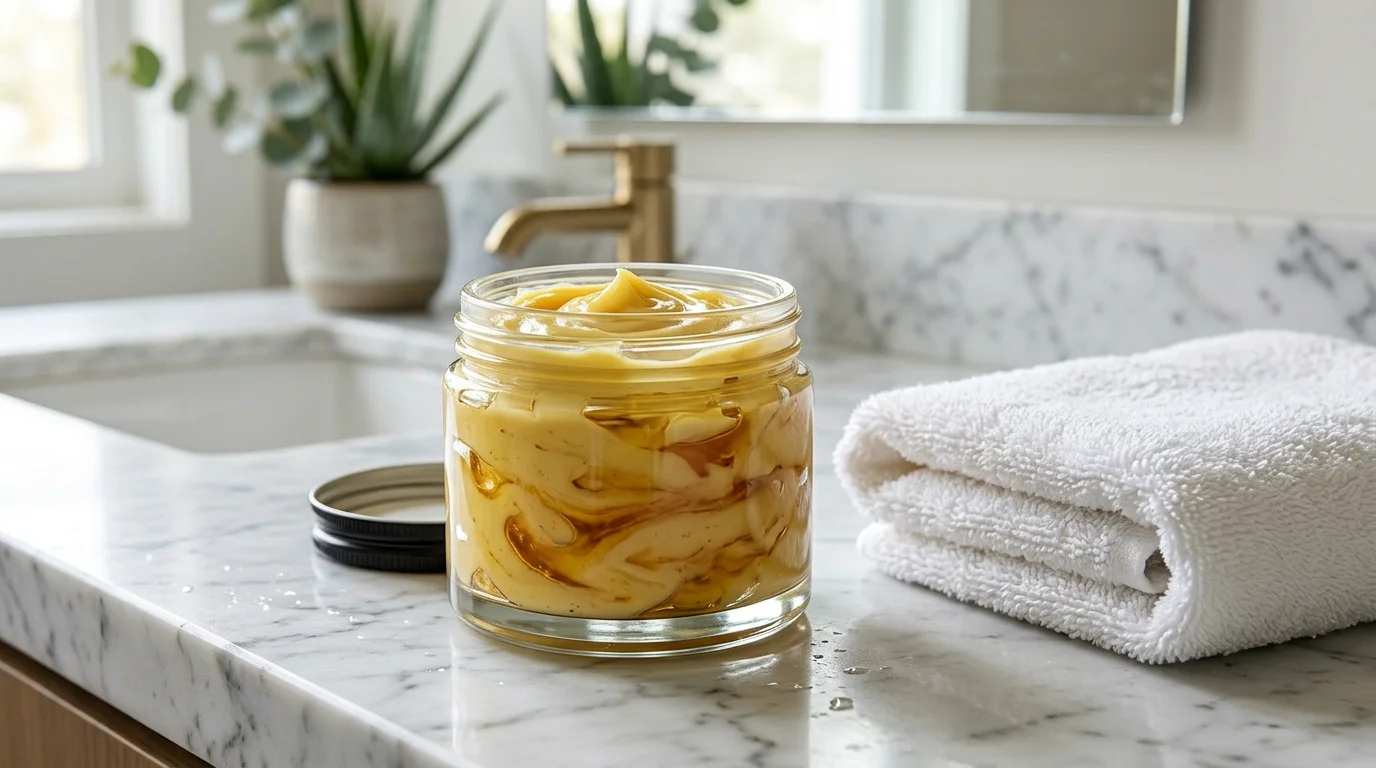
Deep conditioning is no longer an optional luxury during the winter—it is a necessity. While a daily conditioner works on the surface to detangle, a deep conditioning mask is designed to penetrate the hair shaft and repair the protein structure.
Incorporate a heavy-duty mask once a week. Look for lipid-rich ingredients such as shea butter, avocado oil, or hydrolyzed keratin. For maximum absorption, apply the mask to damp hair, put on a shower cap, and wrap a warm towel around it. The gentle heat opens the hair cuticle, allowing the nutrients to sink deeper into the cortex. This practice creates a moisture reservoir that helps the hair withstand the biting winds outside.
3. Scalp Oils
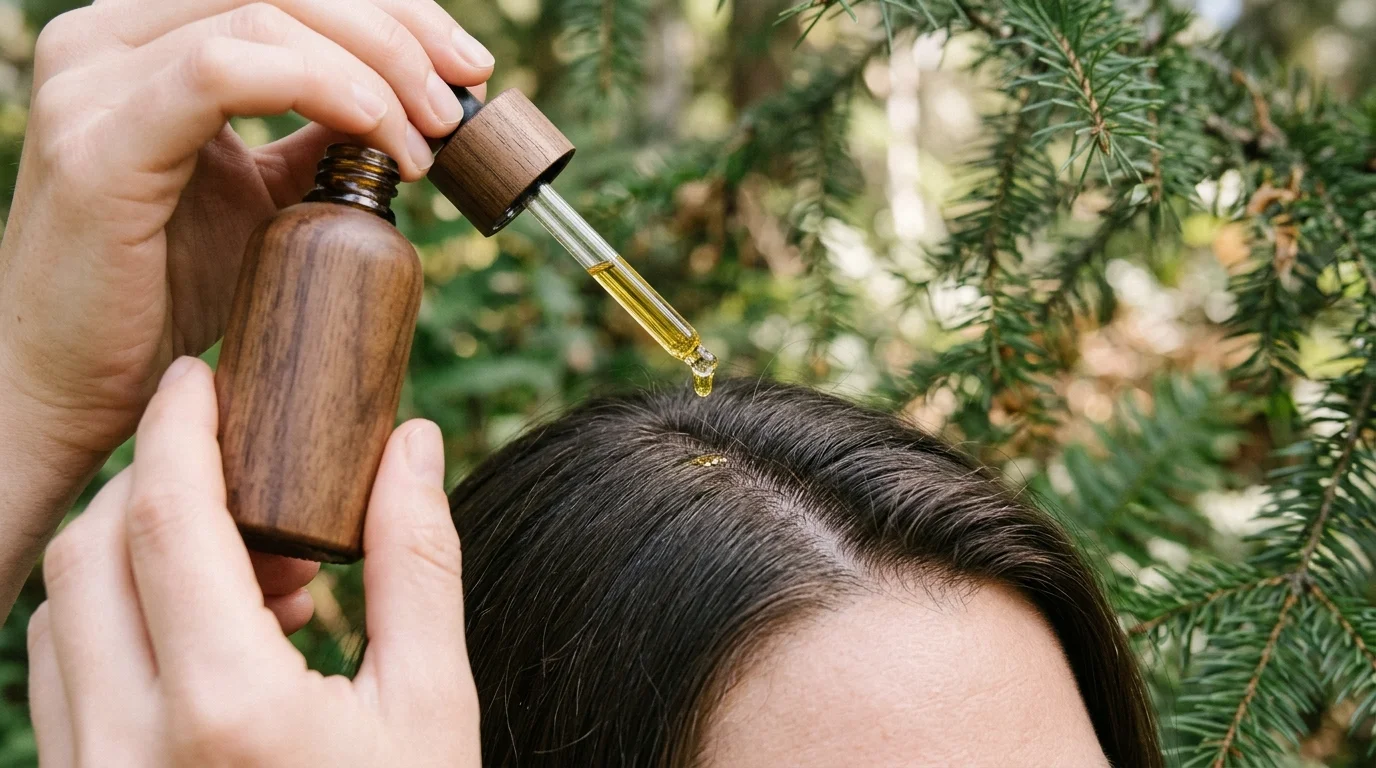
We often focus so much on the ends of our hair that we forget where hair health begins: the scalp. The cold weather often leads to a "winter scalp," characterized by tightness, itching, and fine white flakes (which are often dry skin rather than traditional dandruff).
Once a week, perform a scalp massage using a nourishing oil like jojoba, almond, or argan oil. Jojoba is particularly effective because its molecular structure mimics human sebum. Massaging the oil into the scalp for five minutes stimulates blood flow to the follicles, ensuring they receive the oxygen and nutrients needed for growth. This also creates a lipid barrier that prevents the scalp from drying out due to indoor central heating.
4. Silk Accessories

Friction is the primary cause of winter breakage and static. Traditional cotton pillowcases and wool hats have rough fibers that snag the hair cuticle, leading to "bedhead" and split ends. Furthermore, wool and cotton are absorbent materials that suck the moisture right out of your hair.
To combat this, switch to silk or satin. Using a silk pillowcase allows your hair to glide smoothly as you move in your sleep. When going outside, look for winter hats lined with satin. This simple modification prevents the "hat hair" look and stops the friction that generates static electricity. If you already have static, a tiny drop of hair oil rubbed between your palms and smoothed over your flyaways will neutralize the charge instantly.
5. Microfiber Drying
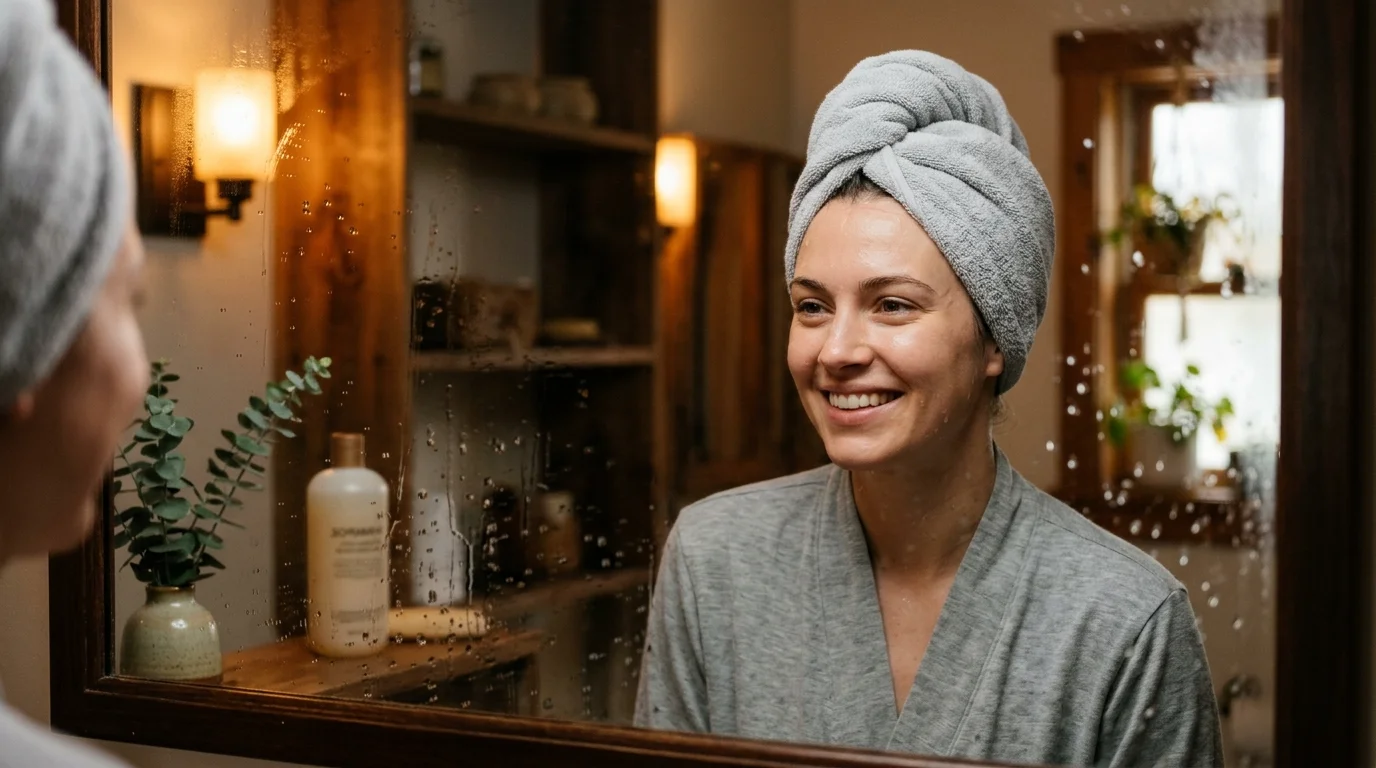
How you treat your hair when it is wet is a major factor in preventing breakage. Hair is at its weakest when saturated with water, as the hydrogen bonds are temporarily broken. Rubbing your hair with a heavy, rough cotton towel causes micro-tears in the cuticle.
Instead, use a microfiber towel or an old cotton T-shirt to gently "plop" or squeeze the water out. Microfiber is highly absorbent and smooth, meaning it dries the hair faster without the need for aggressive rubbing. This reduces the amount of time you need to spend under a high-heat blow dryer, which is another major source of winter moisture loss.
6. Heat Protection
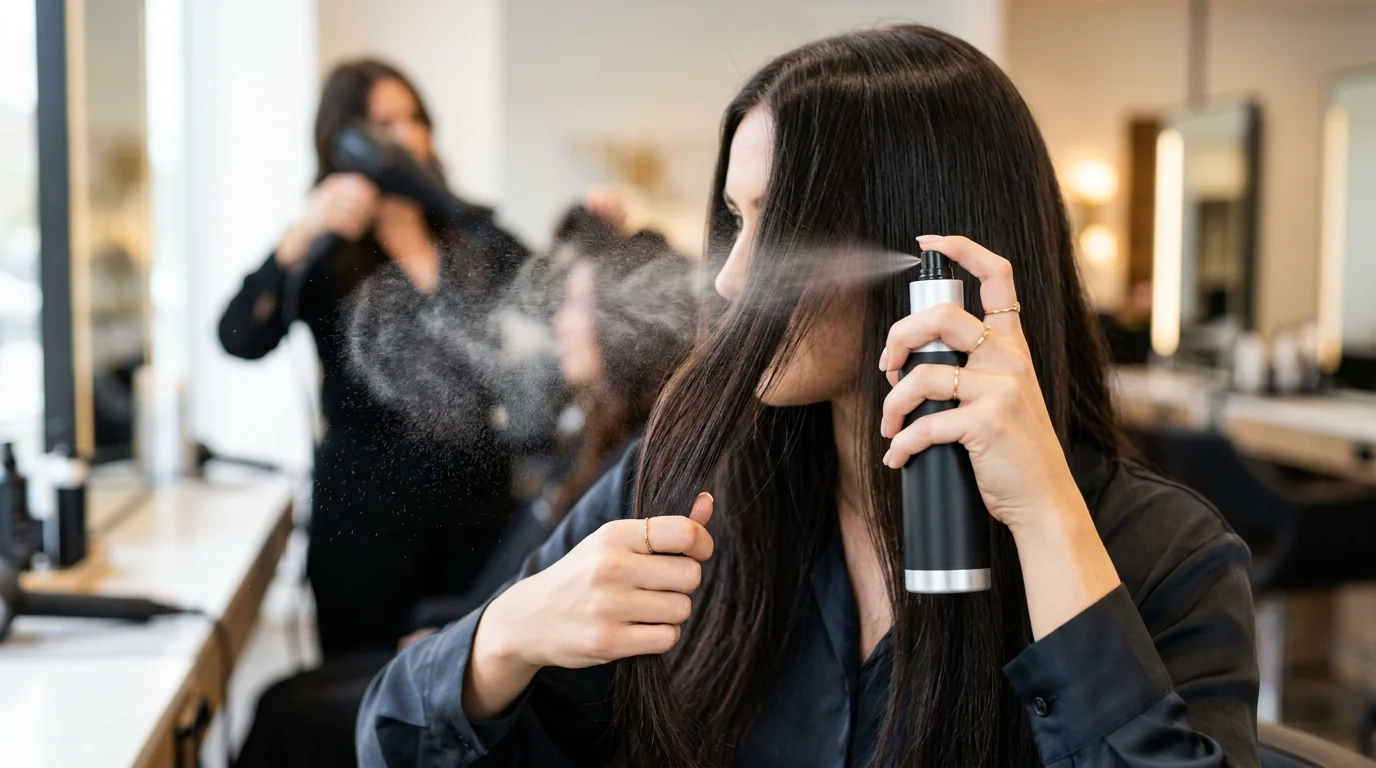
It can be tempting to use extra heat in the winter to dry your hair quickly before heading out into the cold, but wet hair can actually freeze and snap in sub-zero temperatures. However, excessive blow-drying and flat-ironing take a toll.
If you must use heat, never skip a heat protectant. These products create a thin film over the hair that distributes heat more evenly and prevents the water inside the hair from boiling and bursting the hair shaft. In the winter, choose a heat protectant that also contains silicone or natural oils to seal the cuticle and lock in the moisture you’ve added during your washing routine.
7. Regular Trims
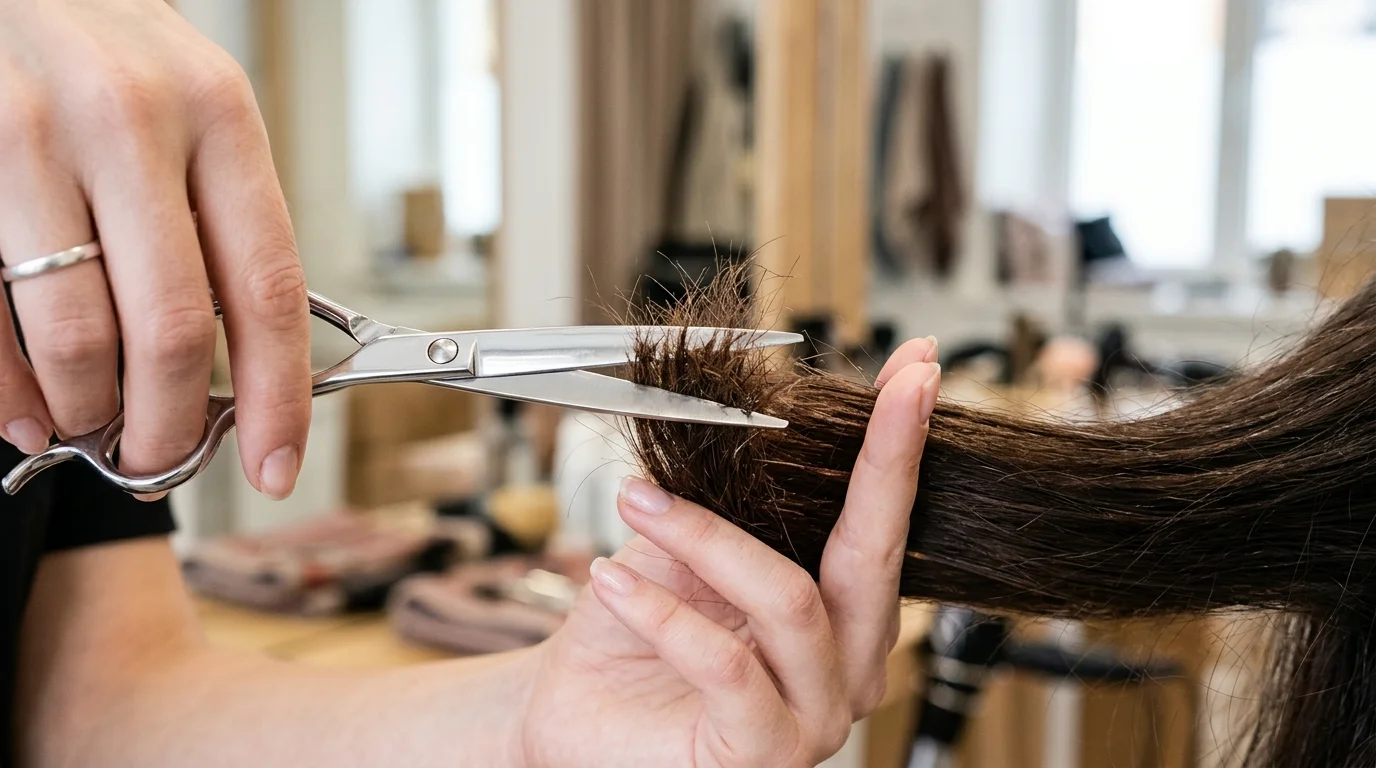
No amount of product can truly "glue" a split end back together. Because winter hair is more prone to becoming brittle, split ends can travel up the hair shaft much faster than they would in the summer. This results in hair that looks thin and frizzy despite your best efforts.
Schedule a "dusting" or a light trim every 6 to 8 weeks during the winter. Removing just a quarter-inch of hair ensures that the ends remain blunt and strong. This prevents the mechanical breakdown of the hair fiber and keeps your style looking polished and voluminous even when the weather is at its worst.
Conclusion
Successfully managing hair in the winter is about shifting from "cleansing" to "protecting." By replacing harsh detergents with cream-based cleansers, shielding your strands from friction with silk, and ensuring the scalp remains hydrated, you can bypass the common pitfalls of the season. Consistency is key; a single deep-conditioning session won't carry you through the whole season, but a dedicated weekly ritual will ensure your hair emerges in the spring looking just as vibrant and healthy as it did in the autumn.
Frequently Asked Questions
Is it okay to go outside with damp hair during winter?
No, it is highly discouraged. When hair is damp, the water molecules expand if they freeze. This expansion can cause the hair fiber to swell and potentially snap or crack the cuticle. Always ensure your hair is 100% dry before exposing it to freezing temperatures.
Why does my hair get so much static when I wear sweaters?
Static occurs when electrons build up on your hair due to friction against synthetic or wool fabrics. Because the air in winter is dry, this charge cannot dissipate. To fix this, use a leave-in conditioner to keep the hair conductive and hydrated, and consider using a small amount of hairspray on your hairbrush before grooming.
How often should I apply hair oil in the winter?
For the ends of your hair, a very small amount of oil (1-2 drops) can be applied daily to seal in moisture. For the scalp, a heavier oil treatment should be done once a week or once every two weeks, depending on how dry your scalp feels. Always wash thoroughly after a scalp oil treatment to avoid clogged follicles.