

Saving $5,000 sounds like a rich person's goal. It isn't. It is about $96 a week — and with the right structure, you don't even have to save the same amount every week. This week-by-week savings challenge breaks the big number into small, planned steps, with easier weeks built in for the months when money is tight. Screenshot the plan, stick it on your fridge, and tick off each week as you go.
How the Challenge Works
 savings-jar-coins-calendar.jpg 79.94 KB
You save a set amount each week for 52 weeks. Instead of a flat $96, the amounts rise and fall: small weeks ($40–$60) in expensive months like December, bigger weeks ($120–$150) when you have breathing room. By the end of week 52 you have $5,000 — plus a habit that makes the next $5,000 much easier. Open a separate savings account first, so the money is out of sight and out of spending reach.
The Week-by-Week Plan
 savings-tracker-notebook-plan.jpg 170.58 KB
Weeks 1–4: $50 a week ($200 total) — an easy start while the habit forms. Weeks 5–13: $80 a week ($720; running total $920). Weeks 14–26: $100 a week ($1,300; running total $2,220). Weeks 27–39: $110 a week ($1,430; running total $3,650). Weeks 40–48: $120 a week ($1,080; running total $4,730). Weeks 49–52: $67–$68 a week to land exactly on $5,000. Had a bad week? Swap it with a smaller future week instead of quitting — the order is flexible, the total is what matters.
Where Does the Weekly Money Come From?
 couple-reviewing-bills-kitchen-table.jpg 173.95 KB
Most people find the first $50 a week without pain: one less takeaway, cancelling two forgotten subscriptions, and switching one branded shop to a budget supermarket usually covers it. For the bigger weeks, add one small income boost — selling unused items, a few hours of overtime, or one of the weekly-paying side hustles in our guide. The challenge works best when saving day is payday: move the money the morning your wages land, before spending starts.
What If I Earn Too Little for $5,000?
 coins-stacked-growing-piles.jpg 105.78 KB
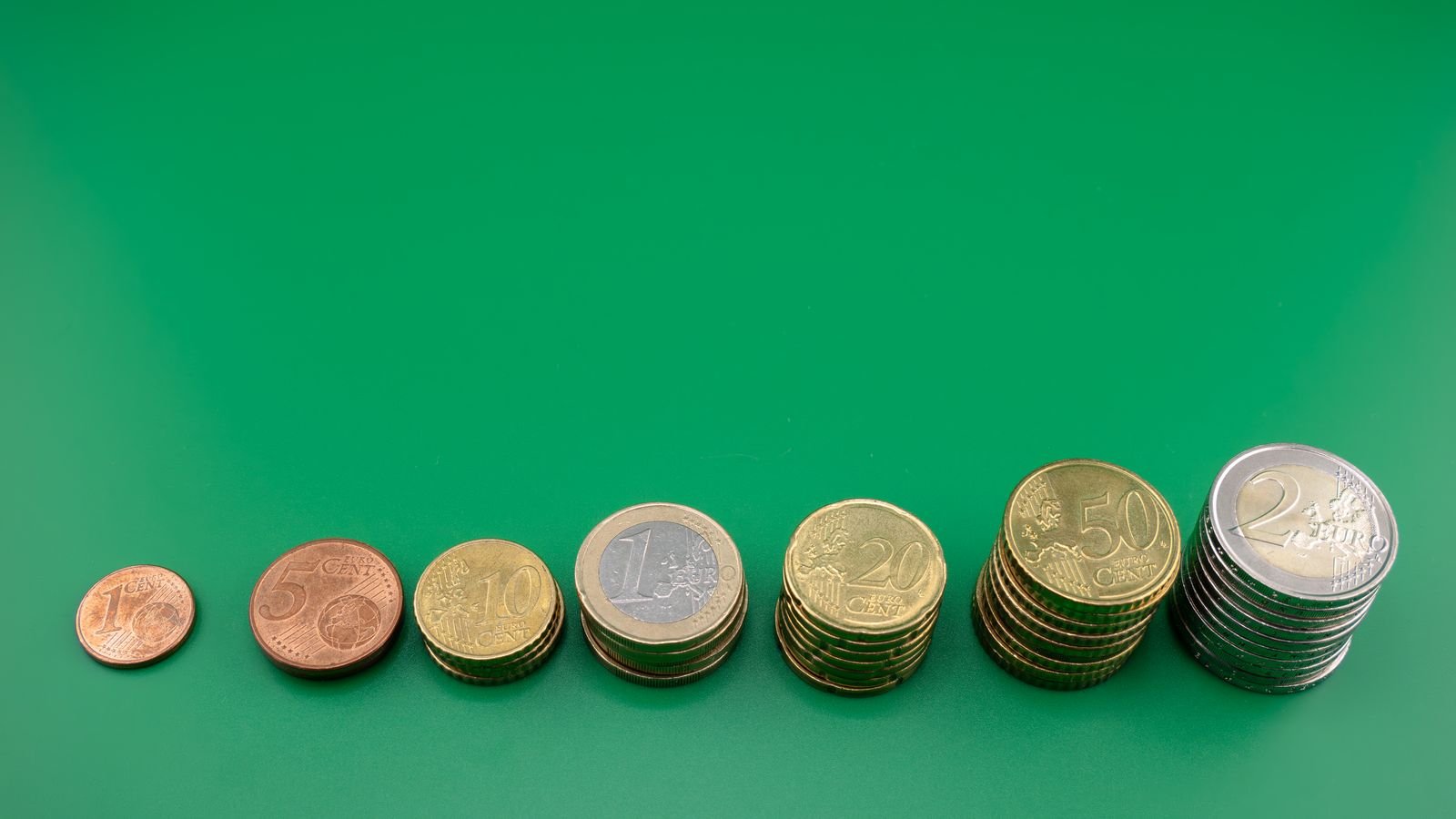
Scale it. The same structure saves $2,500 at half the amounts, or $1,000 at roughly $20 a week — and a finished $1,000 challenge beats an abandoned $5,000 one every time. The real prize is not the number; it is twelve months of proof that you can set money aside on purpose. Once the habit exists, raise the target next year.
Five Rules That Keep You on Track
 fridge-door-magnets-notes.jpg 191.75 KB
1) Automate the transfer so willpower is not involved. 2) Track visibly — a paper chart you tick off beats an app you ignore. 3) Never “borrow” from the jar; if an emergency truly hits, pause the challenge, don't raid it quietly. 4) Tell one person your goal — accountability doubles follow-through. 5) Celebrate milestones cheaply at $1,000, $2,500 and $5,000 so the challenge feels like winning, not punishment.
What Should You Do With the $5,000?
 happy-woman-planning-laptop.jpg 236.96 KB
Decide before you finish, or the money will evaporate into small treats. The smartest first use is an emergency fund (three months of essentials is the classic target). After that: clearing high-interest debt, a course that raises your income, or the deposit for something big. If this challenge lit a fire, pair it with a weekly-paying side hustle and start the $10,000 version next year.
Frequently Asked Questions
How much do I need to save per week to reach $5,000 in a year?
About $96 a week on average. This challenge varies the amount — $50 in the first weeks, up to $120 in the strongest weeks — so hard months stay manageable while the yearly total still reaches $5,000.
What if I miss a week of the savings challenge?
Swap it with a smaller future week or split it across the next two weeks. Missing one week only breaks the challenge if you quit entirely.
Where should I keep the money I save?
In a separate savings account, ideally one you cannot spend from instantly. Keeping it away from your everyday account stops casual spending and lets you earn a little interest.
Can I do this challenge on a low income?
Yes — scale the amounts down. Half amounts save $2,500 and roughly $20 a week saves $1,000. Finishing a smaller challenge builds the habit and the confidence to aim higher next year.
When is the best day to move the money?
On payday, before any spending. An automatic transfer scheduled for payday morning removes the temptation to spend first and save “what is left”.