
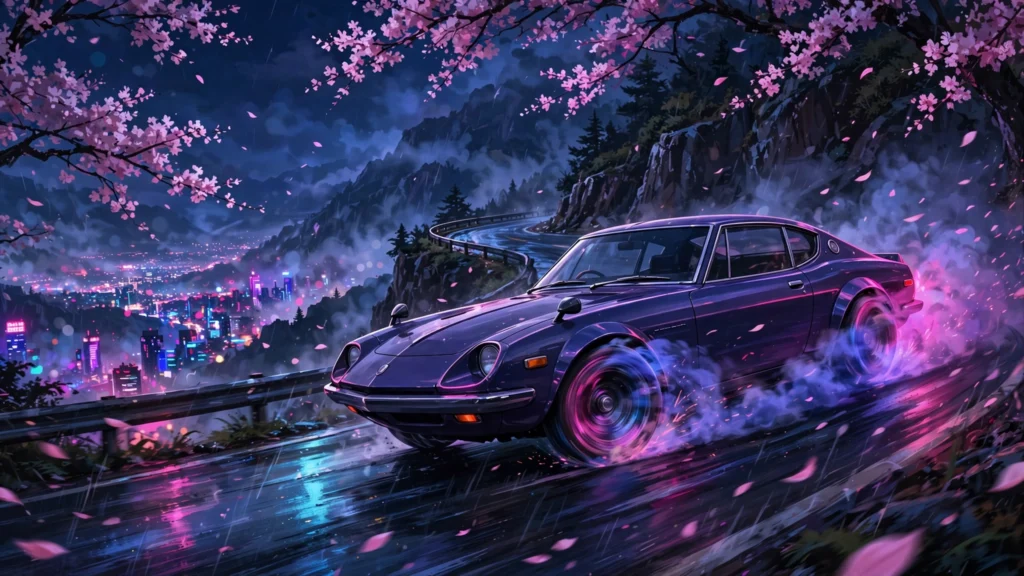

Three letters explain why a 1990s Nissan costs more than a new BMW: JDM. Japanese Domestic Market cars — the performance icons Japan kept for itself — have gone from forbidden fruit to a full-blown global obsession, with prices to match. A Nissan Skyline GT-R R34 that sold for pocket change in 2005 now commands $80,000 or more.
But what does JDM actually mean? Strictly speaking, it’s not “Japanese cars” — it’s cars built in Japan for Japan, sold under Japanese regulations. The distinction matters, because it explains everything: why these cars existed, why Americans couldn’t have them, and why the 25-year import rule turned them into the hottest commodity in car culture.
This complete guide covers it all: the true meaning of JDM (and how enthusiasts stretch it), the legendary 276-horsepower “gentleman’s agreement,” the golden era, 20+ iconic cars with specs, hidden gems, drifting and tuning culture, US import legality, buying and maintenance realities, the cheapest entry points, modern JDM, and FAQs.
What Does JDM Mean?
JDM stands for Japanese Domestic Market — vehicles (and parts) manufactured in Japan and sold new to Japanese consumers, built to comply with Japanese regulations. That’s the strict definition, and it’s narrower than most people think:
| Term | Meaning | Example |
|---|---|---|
| JDM | Built in Japan, sold new in Japan | Nissan Silvia S15 (never officially sold abroad) |
| USDM | Built (anywhere) for the US market | US-spec Toyota Supra MK4 |
| J-spec | Japanese specification — often used loosely for JDM-style parts or builds | JDM front-end conversion on a US 240SX |
A Japan-built car exported for American sale is not true JDM — it’s a Japanese car built to US spec. Enthusiasts use “JDM” more loosely to mean iconic Japanese performance cars and the tuning culture around them (your friend’s 240SX gets called “JDM” even though it’s USDM). Both usages are fine in conversation — just know the difference when money is involved, because true JDM cars carry the import-rule implications below.
The Gentleman’s Agreement: The 276 HP Story
In 1988, Japan’s automakers made a voluntary pact through JAMA: no production car would advertise more than 280 PS (276 hp), and top speed would be limited to 180 km/h (112 mph). It was a political move to head off government regulation during an era of rising performance — and it created one of car culture’s greatest open secrets.
Because here’s the thing: the engines routinely made far more than 276 hp. The 2JZ-GTE in the Supra, the RB26DETT in the Skyline GT-R, the 13B-REW in the RX-7 — all “276 hp” on paper, all comfortably beyond it in reality. Tuners knew it; magazines winked at it; everyone played along. The horsepower cap was finally lifted in 2004 (the Honda Legend broke it), though the 180 km/h speed limiter remains on Japanese cars to this day.
The agreement’s legacy is the over-engineering it forced: with advertised power capped, manufacturers competed on everything else — bulletproof blocks, exquisite chassis balance, motorsport-bred tech. A stock 2JZ can handle four-figure horsepower with basic reinforcement. That engineering headroom is the mechanical foundation of the entire JDM tuning phenomenon.
The Golden Era: Late 1980s–1990s
Japan’s bubble economy funded an arms race of performance. Every major manufacturer fielded halo cars: Nissan had the GT-R, Toyota the Supra, Mazda the RX-7, Honda the NSX, Subaru and Mitsubishi their rally weapons. Strict shaken inspections and tax structures (including the kei-car class: max 660cc, 64 PS) shaped what got built — tiny, clever, and often Japan-only.
Crucially, Japan kept the best for itself. The Civic Type R EK9, the Silvia S15, early WRX STI variants — Americans read about them in magazines they couldn’t buy. Scarcity plus excellence plus pop culture (Initial D, Gran Turismo, The Fast and the Furious) forged the “forbidden fruit” mythology that still drives the market.
20+ Iconic JDM Cars
The Legends: Godzilla and the 2JZ
| Car | Years | Engine | Power |
|---|---|---|---|
| Nissan Skyline GT-R R32 (“Godzilla”) | 1989–94 | 2.6L I6 twin-turbo RB26DETT | 276 hp* |
| Nissan Skyline GT-R R34 | 1999–2002 | 2.6L I6 twin-turbo RB26DETT | 276 hp* |
| Toyota Supra MK4 (A80) | 1993–2002 | 3.0L I6 twin-turbo 2JZ-GTE | 276 hp* |
| Honda NSX (NA1/NA2) | 1990–2005 | 3.0–3.2L V6 | 270–290 hp |
*Gentleman’s agreement figure — real output higher. The R32 earned the “Godzilla” nickname from the Australian press after it demolished touring-car racing. The R34 — forbidden in the US until January 2024 under the 25-year rule — is the poster child of the import boom, with prices soaring past $80K. The MK4 Supra’s 2JZ is arguably the most tuneable production engine ever made. The NSX? Honda’s aluminum-bodied, mid-engine supercar that embarrassed Ferrari — with Ayrton Senna’s input on the chassis.
Rotary Royalty
- Mazda RX-7 (FD3S), 1992–2002: 1.3L twin-turbo rotary (13B-REW), 255 hp, ~2,800 lbs. The prettiest and purest driver’s car of the era — and the most maintenance-intensive. Rotary engines demand religious oil and cooling care; neglect kills them.
Rally Heroes
- Subaru Impreza WRX STI (GC8), 1992–2000: 2.0L turbo flat-four, 276 hp*, AWD. The blue-and-gold rally icon.
- Subaru Impreza 22B STi (1998): widebody homologation special, 2.2L flat-four — the collector-grade Subaru.
- Mitsubishi Lancer Evolution VI Tommi Mäkinen Edition (1999–2001): 2.0L turbo 4G63, 276 hp* — named for the rally legend.
- Toyota Celica GT-Four (ST205), 1994–99: 2.0L turbo 3S-GTE, AWD rally homologation, 255 hp — the underdog hero.
Drift Kings
- Nissan Silvia S15 Spec-R (1999–2002): 2.0L turbo SR20DET, 250 hp. Never sold new outside Japan/Oceania — peak forbidden fruit.
- Nissan 180SX/Silvia S13 (1989–98): the affordable drift missile; SR20DET swaps are the classic recipe.
- Toyota AE86 Corolla Levin/Sprinter Trueno (1983–87): 1.6L 4A-GE, 112–130 hp. The Initial D hero — proof that balance beats power.
Hot Hatches and Roadsters
- Honda Civic Type R (EK9), 1997–2000: 1.6L B16B screaming to 8,900 rpm, 185 hp — the first Type R-badged Civic, Japan-only.
- Honda Integra Type R (DC2/DC5), 1995–2006: the front-drive benchmark; the DC2 remains a handling legend.
- Honda S2000 (AP1/AP2), 1999–2009: 2.0L/2.2L, 9,000-rpm redline, 240–247 hp — Honda’s roadster masterpiece.
- Mazda MX-5/Eunos Roadster (NA), 1989–97: 115–130 hp of pure joy; the cheapest JDM entry point.
- Toyota MR2 Turbo (SW20), 1990–99: mid-engine, 2.0L turbo 3S-GTE, 245 hp — “the poor man’s Ferrari.”
- Nissan 300ZX Twin Turbo (Z32), 1989–96: 3.0L twin-turbo V6, 300 hp — tech-laden grand tourer.
Hidden Gems: Beyond the Posters
- Toyota Chaser JZX100 Tourer V (1996–2001): a four-door family sedan with the 2.5L twin-turbo 1JZ-GTE (280 hp) — the ultimate sleeper. Drifters figured it out; prices are climbing.
- Nissan Stagea 260RS (1996–2001): a station wagon with the GT-R’s RB26DETT engine and ATTESA AWD. Autech built it; Nissan dealers sold it. The GT-R wagon that shouldn’t exist.
- Kei sports cars: the Suzuki Cappuccino, Honda Beat, and Autozam AZ-1 (gullwing doors!) — 660cc, 64 PS by law, mid-engine, and enormous fun. The cheapest true-JDM thrill available.
- Toyota Starlet Glanza V: tiny turbo hatch, huge personality.
JDM Culture: Drifting, Tuning, and Daikoku
JDM is as much a culture as a car category. Drifting was born on Japan’s touge (mountain roads), pioneered by drivers like Keiichi Tsuchiya — the “Drift King” — in the 1980s–90s, and is now a global motorsport. The AE86, 180SX, and Silvia remain its patron saints.
Tuning houses like Mine’s, Top Secret, HKS, Veilside, and Spoon turned over-engineered stock blocks into 1,000-hp monsters — and their 1990s aero kits are now collector items in the “period correct” revival. Pop culture did the rest: Initial D made the AE86 immortal, Gran Turismo taught a generation the chassis codes, and The Fast and the Furious (and Paul Walker’s orange Supra and blue R34) mainstreamed it all.
And then there’s Daikoku Parking Area — the legendary Yokohama rest stop where night meets gather everything from R34s to kei vans. It’s automotive theater, and it’s on every enthusiast’s bucket list.
Are JDM Cars Legal in the US? The 25-Year Rule
Yes — thanks to the 25-year import rule. A vehicle 25 years or older (measured from its build month, not model or registration year) is exempt from federal safety standards, and at 21+ years it’s exempt from EPA emissions requirements. That’s why the R34 GT-R became importable in January 2024 and prices exploded.
| Topic | What to know |
|---|---|
| Eligibility | 25 years from manufacture month. Verify the build plate — not the registration year. |
| Emissions | EPA exempts 21+ year vehicles from federal emissions standards. |
| California | CARB rules are stricter — importing to California is much harder. Check before you buy. |
| Canada | Only 15 years — Canadians have enjoyed JDM cars far longer. |
| Costs | Beyond the car: shipping, customs duty (2.5% for cars), port fees, importer commission, registration. |
Newly eligible in 2026 (turning 25): the R34 M-Spec, Mitsubishi Evo VII, Silvia S15, Integra DC5 Type R, and RX-7 Bathurst R. Roughly 20,000 JDM cars ship to the US annually — and the newly-eligible models see the sharpest price spikes, so timing matters.
Buying & Maintenance: The Honest Version
- Use a reputable importer with auction access in Japan; learn to read auction grades (4+ is clean; R/A grades mean accident history).
- Verify the build month on the door plate before paying — a late-2001 R34 wasn’t legal in early 2026.
- Budget beyond purchase: shipping, insurance, customs, compliance, and immediate maintenance (timing belt, fluids, tires) add thousands.
- Rotary reality: RX-7s need frequent oil top-ups, cooling vigilance, and a specialist mechanic. Budget accordingly.
- Rust: 1990s Japanese chassis rust — check strut towers, sills, and subframes before committing.
- Parts: owner clubs, Japan-based exporters, and specialists keep most icons supportable — but rare trim and electronics can be a hunt.
Cheapest Ways Into JDM
You don’t need $80K. The affordable end of true JDM:
- Mazda MX-5/Eunos Roadster (NA): the classic cheap thrill — abundant, reliable, endlessly fun.
- Nissan 180SX: drift-ready and still reasonable (for now).
- Kei sports cars (Cappuccino, Beat, AZ-1): mid-engine, 660cc, maximum smiles per dollar.
- Honda Beat/EK Civics: VTEC joy on a budget.
Modern JDM: The Heritage Continues
The spirit didn’t die with the 1990s. The Toyota GR Yaris is a genuine rally homologation special (AWD, three-door, built for WRC rules). The Nissan Z carries the Fairlady torch with a twin-turbo V6. The Civic Type R FL5 is the fastest front-drive car around the Nürburgring. And the Lexus LFA (2010–12, 4.8L V10, 553 hp) proved Japan could build a world-beating supercar — it’s now a million-dollar collector piece. The R35 GT-R (2007–present, 480–600 hp) bridged the eras as the global Godzilla.
JDM Engines: The Legends Under the Hood
Cars get the posters, but engines built the legend. Five powerplants define JDM:
- Toyota 2JZ-GTE (3.0L I6 twin-turbo): the Supra MK4’s heart. Cast-iron block, over-engineered internals, famously capable of 800+ hp on stock internals and 1,500+ hp built. The most tuneable production engine ever made.
- Nissan RB26DETT (2.6L I6 twin-turbo): the GT-R’s soul. Individual throttle bodies, iron block, motorsport-bred — and the reason R32s dominated Group A touring car racing so completely Australia nicknamed the car “Godzilla.”
- Mazda 13B-REW (1.3L twin-rotor rotary): tiny, light, rev-happy, 255 hp from 1.3 liters — and fragile if neglected. The rotary is JDM’s beautiful risk.
- Mitsubishi 4G63 (2.0L I4 turbo): the Evo’s iron-block brawler. Rally-proven, endlessly modifiable, the working-class hero of JDM tuning.
- Honda B-series/K-series (1.6–2.0L I4): VTEC royalty. The B16B revs to 8,900 rpm; the K20A is arguably the best four-cylinder ever built. Proof JDM wasn’t only about turbos.
What united them: headroom. The gentleman’s agreement capped advertised output, so engineers built strength instead — and tuners spent three decades exploiting it.
JDM on Track: Motorsport Pedigree
These weren’t just street cars with spoilers — they were homologation weapons:
- Group A touring cars: the R32 GT-R won 29 straight JTCC races, prompting rule changes to slow it down.
- WRC: the Impreza WRX and Lancer Evolution carried Subaru vs. Mitsubishi’s legendary rivalry; Tommi Mäkinen won four straight drivers’ titles in Evos.
- Le Mans: the Mazda 787B’s rotary screamer won overall in 1991 — the only rotary and only Japanese manufacturer to do so for decades.
- JGTC/Super GT: Supras, NSXs, and GT-Rs battling in Japan’s premier series, with wild silhouette racers that still influence aero design.
Why Buy JDM Instead of Something New?
A fair question when an R34 costs more than a new M4. The answers:
- Analog driving feel: hydraulic steering, manual gearboxes, sub-3,000-lb weights — sensations modern cars engineered away.
- Investment: clean, unmodified icons have appreciated for a decade. Try finding a stock FD RX-7.
- Tuning canvas: no modern car offers the aftermarket depth of a Supra or Silvia.
- Cultural capital: pulling up in an S15 says something a new sports car can’t.
The counterpoint is honest too: no warranty, no CarPlay, rust, and parts hunts. JDM ownership is a hobby, not just transportation — buy in with eyes open.
Quick Chassis Code Decoder
JDM enthusiasts speak in chassis codes. Here’s the Rosetta Stone for the icons:
- BNR32 / BCNR33 / BNR34 — Skyline GT-R generations (R32/R33/R34)
- JZA80 — Supra MK4 (the “JZA” = JZ engine, A80 platform)
- FD3S — RX-7 third generation
- NA1 / NA2 — NSX early (3.0L) / late (3.2L)
- GC8 / GDB — Impreza WRX/STI (GC = first gen, GD = “blobeye” era)
- CP9A / CT9A — Lancer Evo VI / VII–IX
- S13 / S14 / S15 — Silvia generations; RPS13 = 180SX
- AE86 — Corolla Levin/Sprinter Trueno (“AE” = engine family, “86”)
- EK9 / DC2 / DC5 — Civic Type R / Integra Type R generations
- JZX100 — Chaser/Mark II/Cresta Tourer V (the 1JZ triplets)
- WGNC34 — Stagea 260RS (yes, the GT-R wagon has a code too)
Learn these and you’ll read Japanese auction sheets like a native.
JDM Price Guide: What Icons Cost in 2026
Prices are approximate US market observations and move constantly — newly-eligible models spike hardest. Always check current auction and importer listings:
| Car | Typical range (USD, approx.) | Notes |
|---|---|---|
| R34 GT-R | $80,000–150,000+ | Eligible since Jan 2024; V-Spec/M-Spec higher |
| Supra MK4 Twin Turbo | $70,000–120,000+ | 6-speed manuals command premiums |
| RX-7 FD | $30,000–60,000 | Stock, low-mile examples rising fastest |
| NSX (NA1) | $60,000–100,000+ | Early cars climbing steadily |
| Silvia S15 Spec-R | $25,000–45,000 | Newly eligible — prices volatile |
| Evo VI / VII | $25,000–50,000 | Tommi Mäkinen Ed. at the top |
| AE86 | $15,000–35,000 | Initial D tax is real |
| Chaser Tourer V | $15,000–30,000 | Sleeper value — for now |
| MX-5 NA / Eunos | $5,000–12,000 | The people’s JDM |
| Kei sports (Beat/Cappuccino) | $6,000–12,000 | Cheapest true-JDM fun |
The pattern: unmodified, documented, low-mile cars appreciate; drift-missiles don’t. Buy the best stock example you can afford — originality is the currency.
Red Flags When Buying a JDM Car
- Auction grade R or A without documentation — accident history, possibly poorly repaired.
- Mismatched VIN/build plates — walk away immediately.
- Fresh undercoating hiding rust — inspect strut towers, sills, and subframes personally or via an inspector.
- “Fresh import, no maintenance done” — budget timing belt, water pump, all fluids, and tires on day one.
- Heavily modified drift cars sold as “clean” — check for welded diffs, cut wiring, and chassis cracks.
- No export certificate translation — legitimate importers provide this; its absence is a warning.
Frequently Asked Questions
What does JDM stand for?
JDM stands for Japanese Domestic Market — vehicles built in Japan and sold new to Japanese consumers under Japanese regulations. Enthusiasts also use it loosely for iconic Japanese performance cars and tuning culture.
What are the best JDM cars?
The consensus icons: Nissan Skyline GT-R (R32/R34), Toyota Supra MK4, Mazda RX-7 FD, Honda NSX, Subaru Impreza WRX STI, Mitsubishi Lancer Evolution, Nissan Silvia S15, and Toyota AE86. Each dominated its discipline — racing, rally, drifting, or tuning.
Why are JDM cars so popular?
Over-engineered, tuneable engines; 1990s motorsport pedigree; “forbidden fruit” exclusivity from Japan-only sales; and massive pop-culture fuel from Initial D, Gran Turismo, and Fast & Furious. Scarcity plus nostalgia plus genuine engineering equals obsession.
Are JDM cars legal in the US?
Yes, under the 25-year rule: vehicles 25+ years old (from build month) are exempt from federal safety standards, and 21+ year cars are EPA-exempt. California’s CARB rules are stricter. Always verify the build plate date before buying.
What is the cheapest JDM car?
The Mazda MX-5/Eunos Roadster NA is the classic budget entry, followed by the Nissan 180SX and kei sports cars like the Suzuki Cappuccino and Honda Beat — genuine Japanese-market fun for a fraction of GT-R money.
Conclusion
JDM began as a regulatory technicality — cars built for Japan, by Japan’s rules — and became the most influential movement in car culture. The gentleman’s agreement accidentally created the most tuneable engines ever made; Japan’s closed market created the forbidden fruit; and a generation raised on Gran Turismo grew up with the money to import their dreams.
Whether you’re budgeting for a Cappuccino or hunting an R34, the formula is the same: learn the strict definition, respect the 25-year rule, verify before you buy, and budget for the reality behind the romance. The golden era ended — but thanks to import laws, it’s permanently for sale.