
Every home has one: the corner where plants go to die. North-facing rooms, hallways and bathrooms with tiny windows get so little light that most houseplants slowly give up. But some plants evolved under rainforest canopies and genuinely prefer shade — "indoor plants low light" is searched tens of thousands of times a month for a reason. These 12 plants don't just survive in dark corners; they actually thrive there.
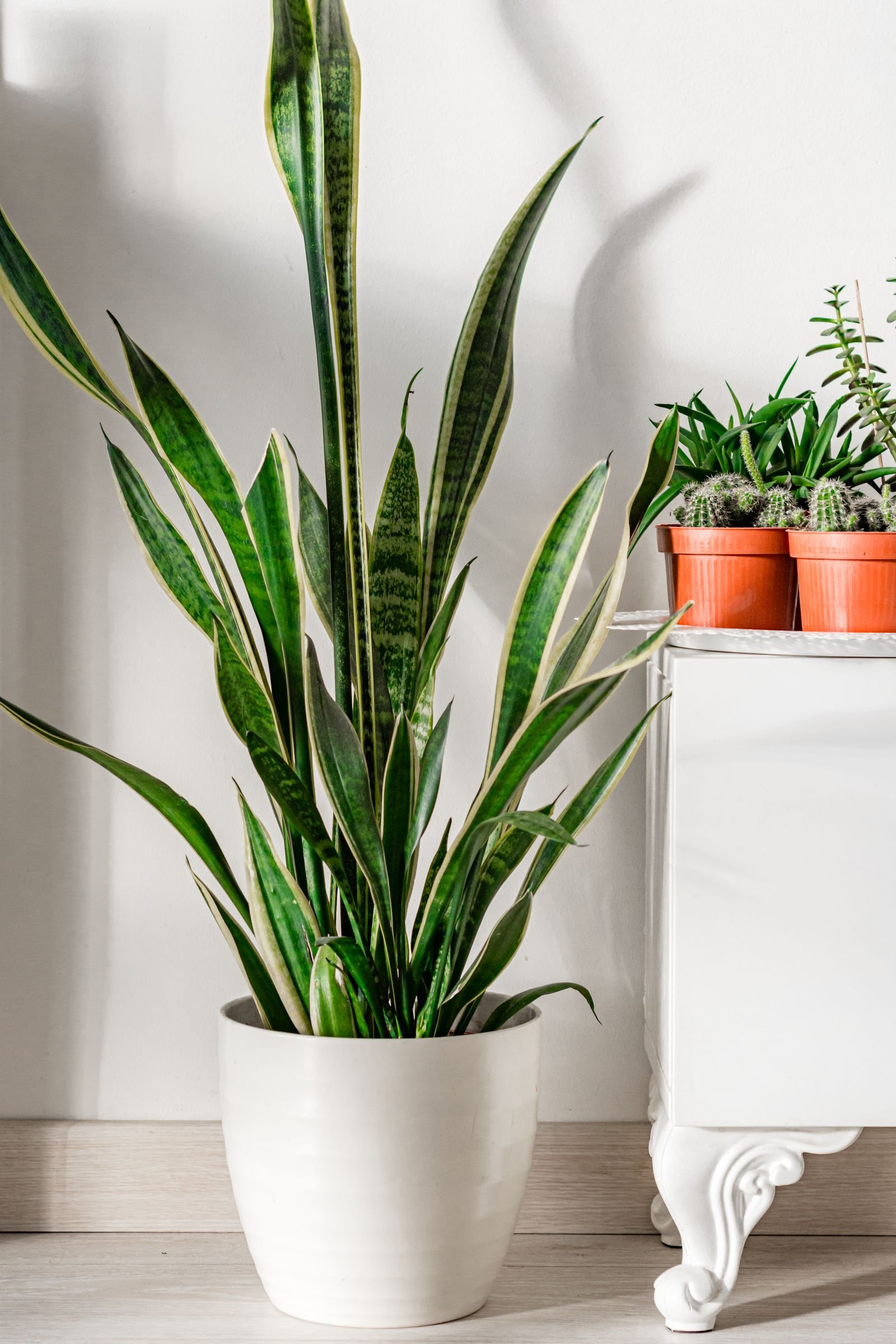
1. Snake Plant (Sansevieria)
 snake-plant-potted-hallway.jpg 397.69 KB
The toughest plant on this list. Snake plants store water in their thick leaves, tolerate weeks of neglect, and grow happily in light so low you can barely read in it. Water only when the soil is completely dry — overwatering is the only easy way to kill one.
2. ZZ Plant (Zanzibar Gem)
 zz-plant-side-table.jpg 443.57 KB
ZZ plants grow from rhizomes that store water and energy, which is why they shrug off dark offices and forgotten corners. Their glossy leaves look polished even in shade. Expect slow growth in low light — that is normal, not a problem.
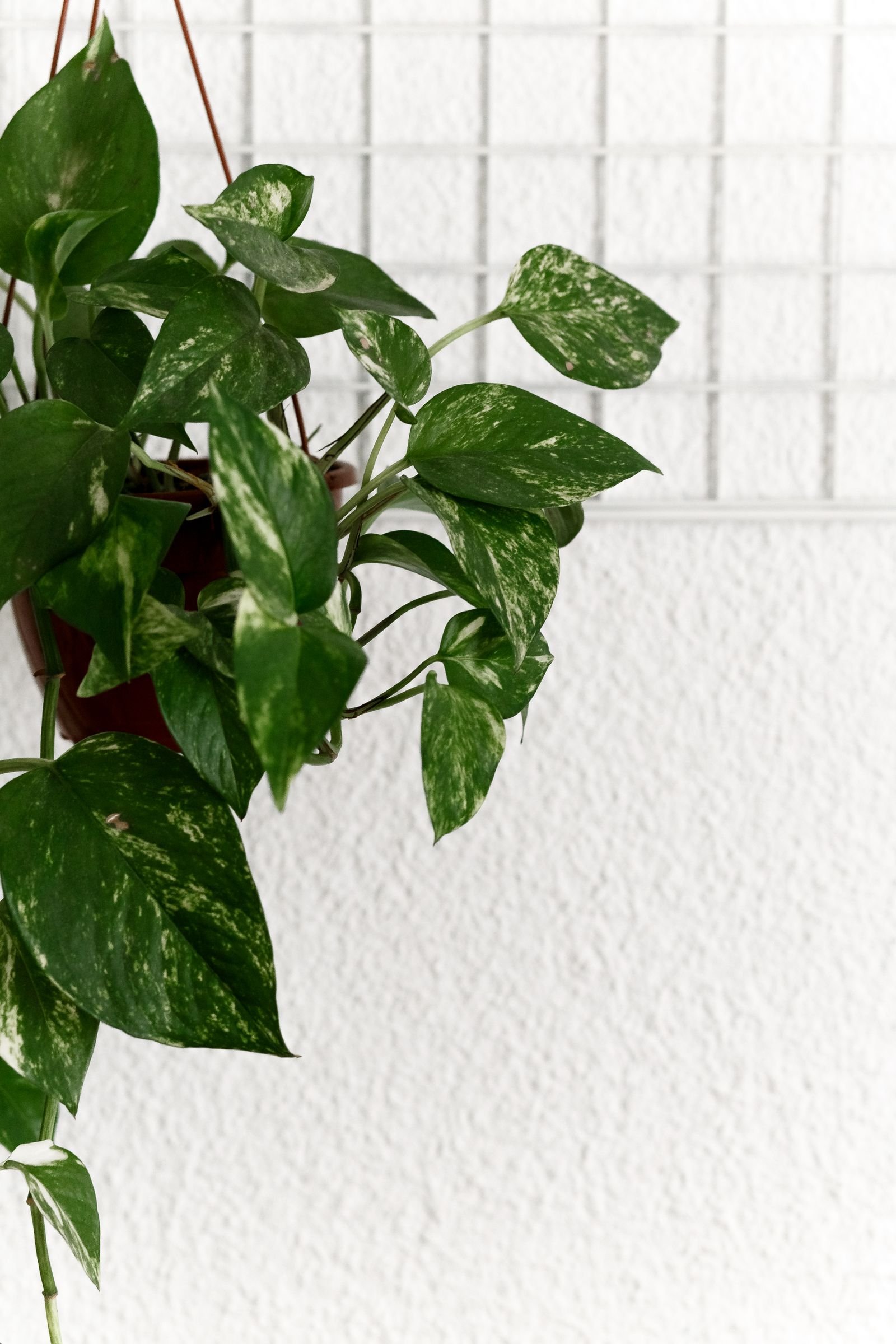
3. Pothos
 pothos-trailing-shelf.jpg 339 KB
Pothos trails beautifully from shelves and hanging pots, and it is famously forgiving. In low light the leaves grow a little smaller and variegated types turn more green (the plant makes more chlorophyll to cope), but it keeps growing. Snip a cutting, root it in water, and you have a free second plant.
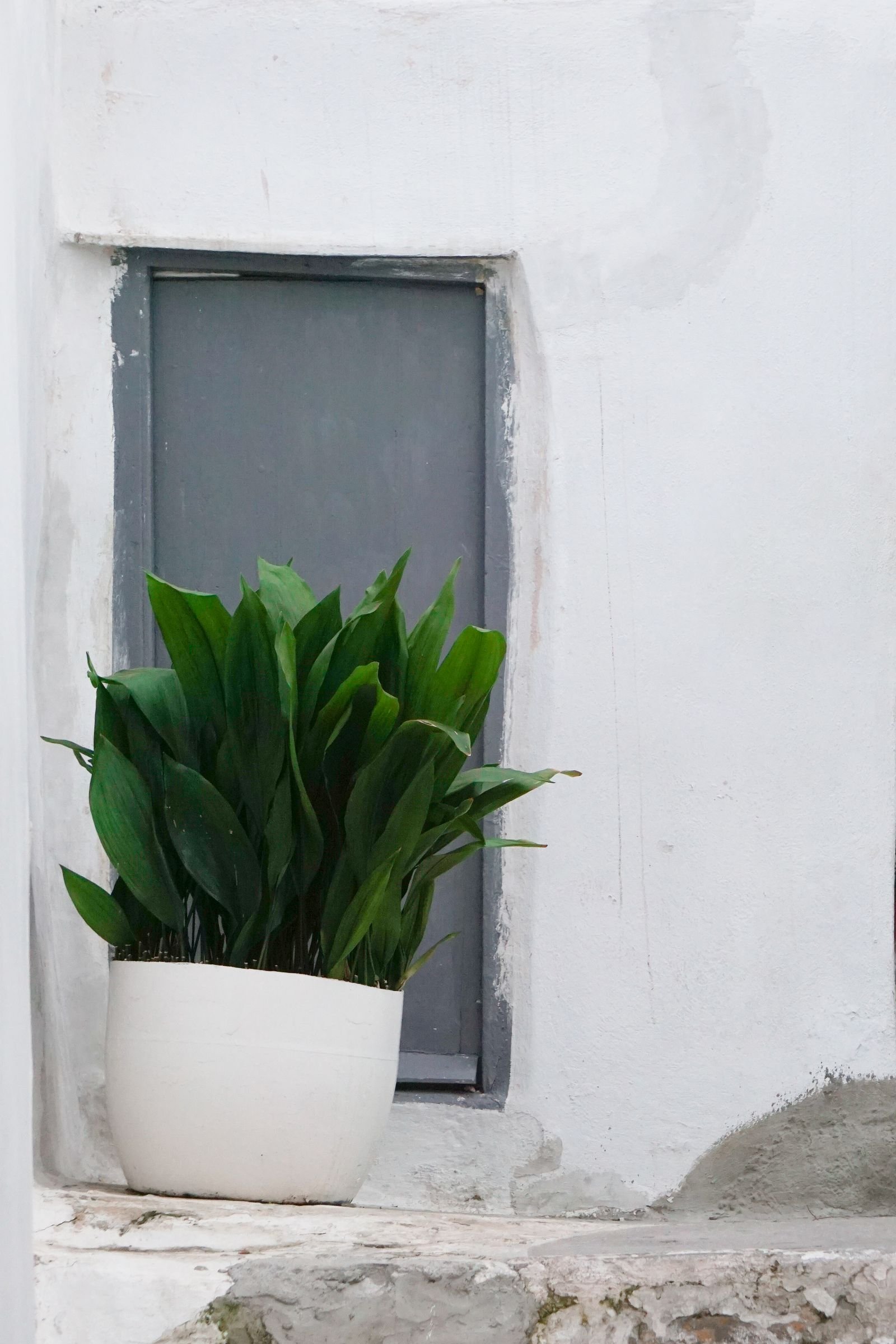
4. Cast Iron Plant (Aspidistra)
 cast-iron-plant-hallway.jpg 341.89 KB
Victorian hallways were dark, gas-lit and draughty — and the cast iron plant was famous for surviving them. It handles low light, temperature swings and irregular watering better than almost any plant. Slow-growing, but a plant you buy once and keep for decades.
5. Peace Lily
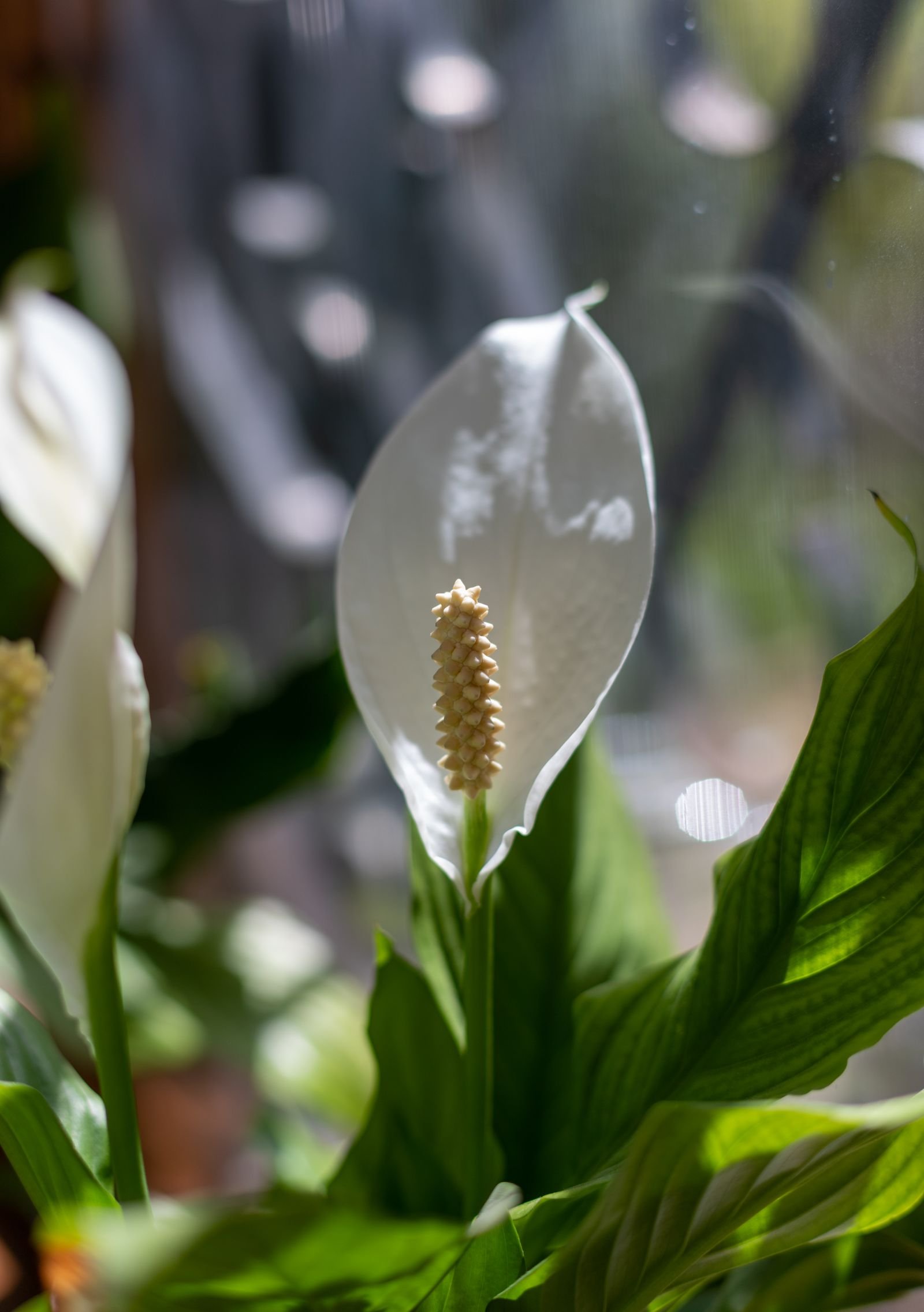 peace-lily-white-flower.jpg 185.09 KB
One of the few flowering plants that blooms in low light. Peace lilies droop dramatically when thirsty and perk up within hours of watering — a built-in reminder system. Keep the soil lightly moist and it will reward you with white flowers even in a north-facing room.
6. Chinese Evergreen (Aglaonema)
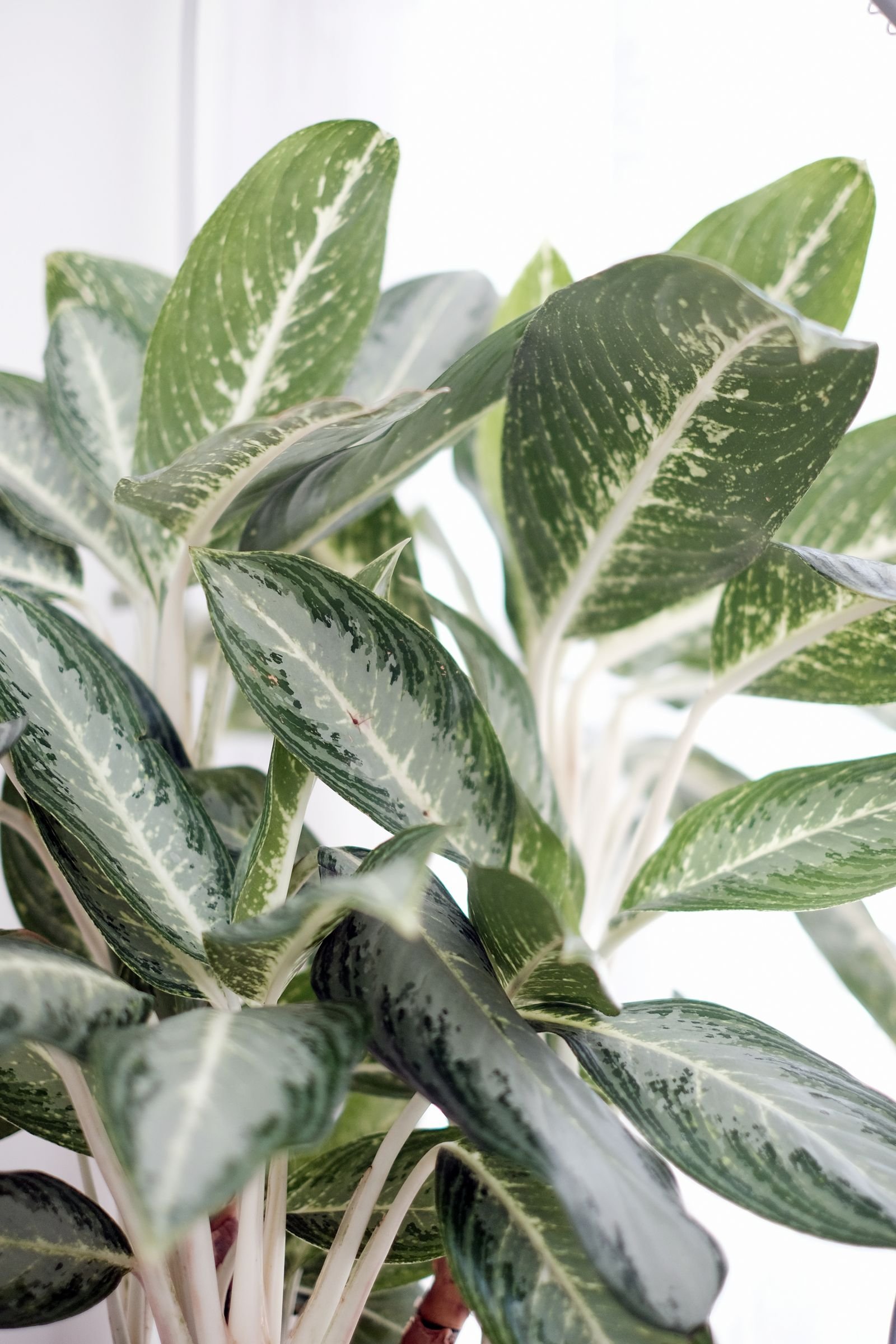 chinese-evergreen-silver-leaves.jpg 385.34 KB
Aglaonemas come in greens, silvers and even pinks, and the green/silver types are shade champions. They grow steadily in low light and are a favourite for bathrooms and offices. Keep them away from cold draughts and they ask for almost nothing.
7. Philodendron (Heartleaf)
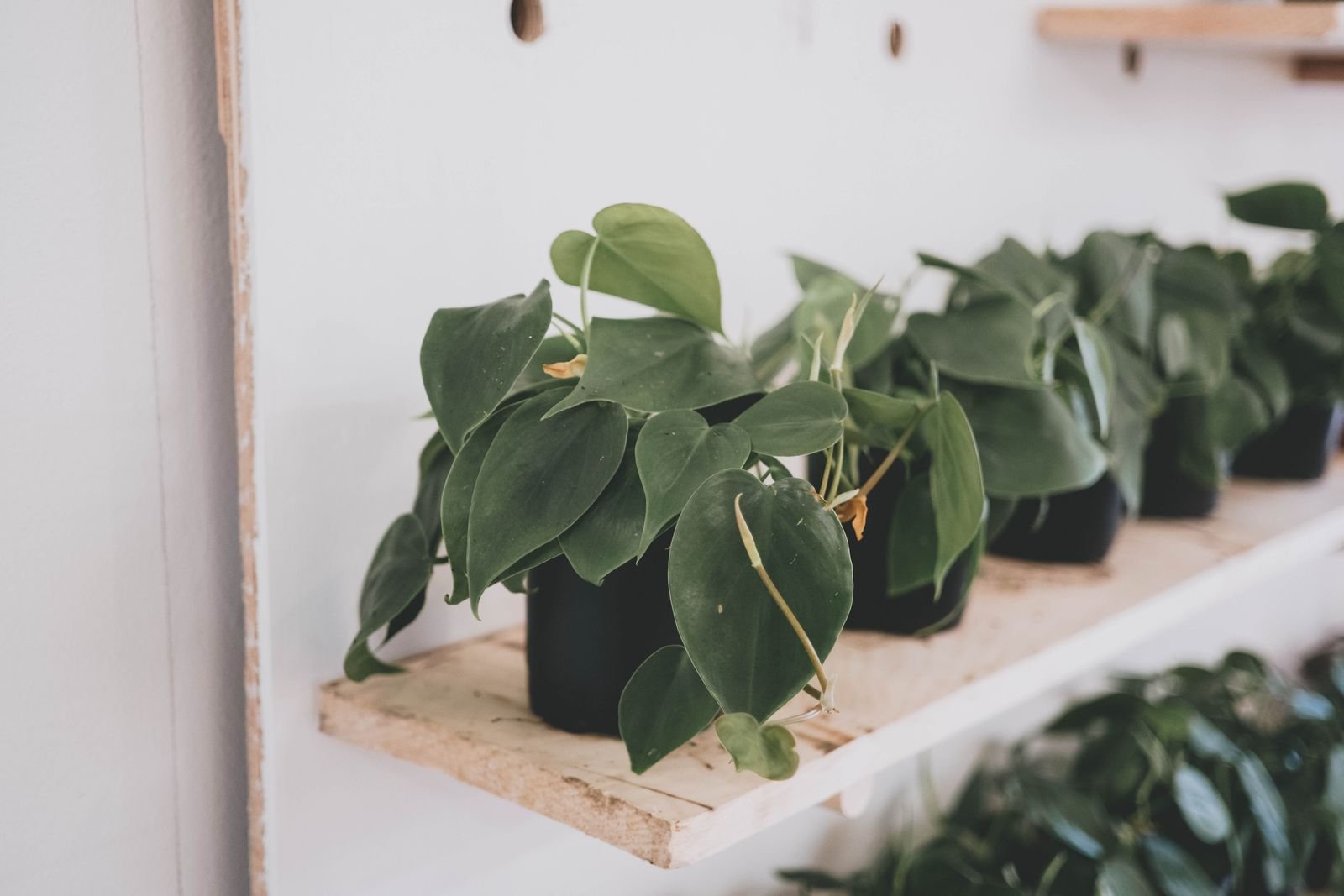 philodendron-heartleaf-shelf.jpg 108.95 KB
Heartleaf philodendron behaves like pothos — trailing, forgiving, happy in shade — with softer, heart-shaped leaves. It roots easily in water and tolerates the irregular watering of real life. A perfect second plant for beginners.
8. Dracaena
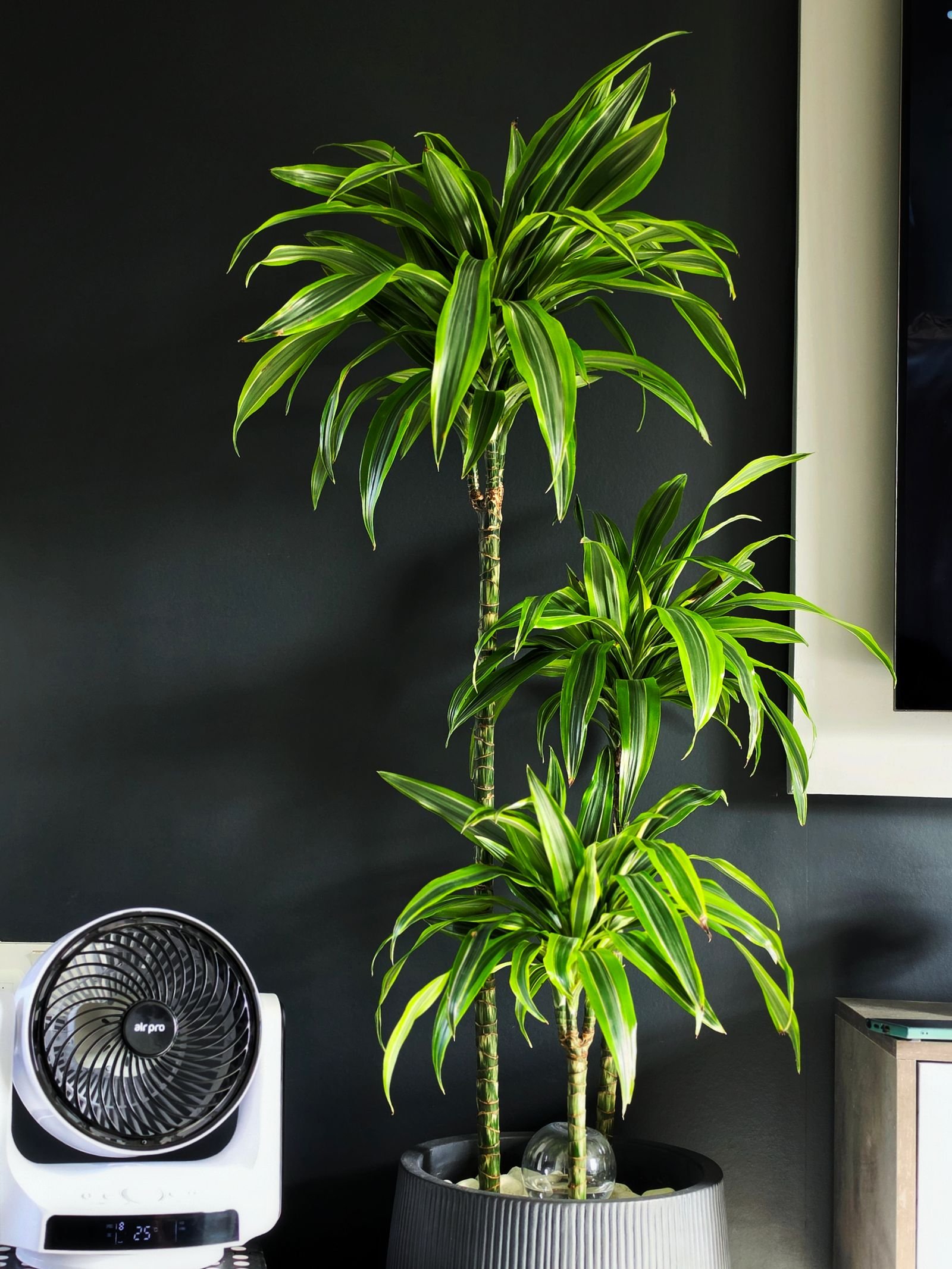 dracaena-living-room-corner.jpg 393.97 KB
Dracaenas bring height to dark corners, growing into slim indoor trees over time. They prefer indirect light but cope well with low light, and they forgive missed waterings. Note: dracaena is toxic to cats and dogs, so place it out of pet reach.
9. Spider Plant
 spider-plant-hanging.jpg 617.52 KB
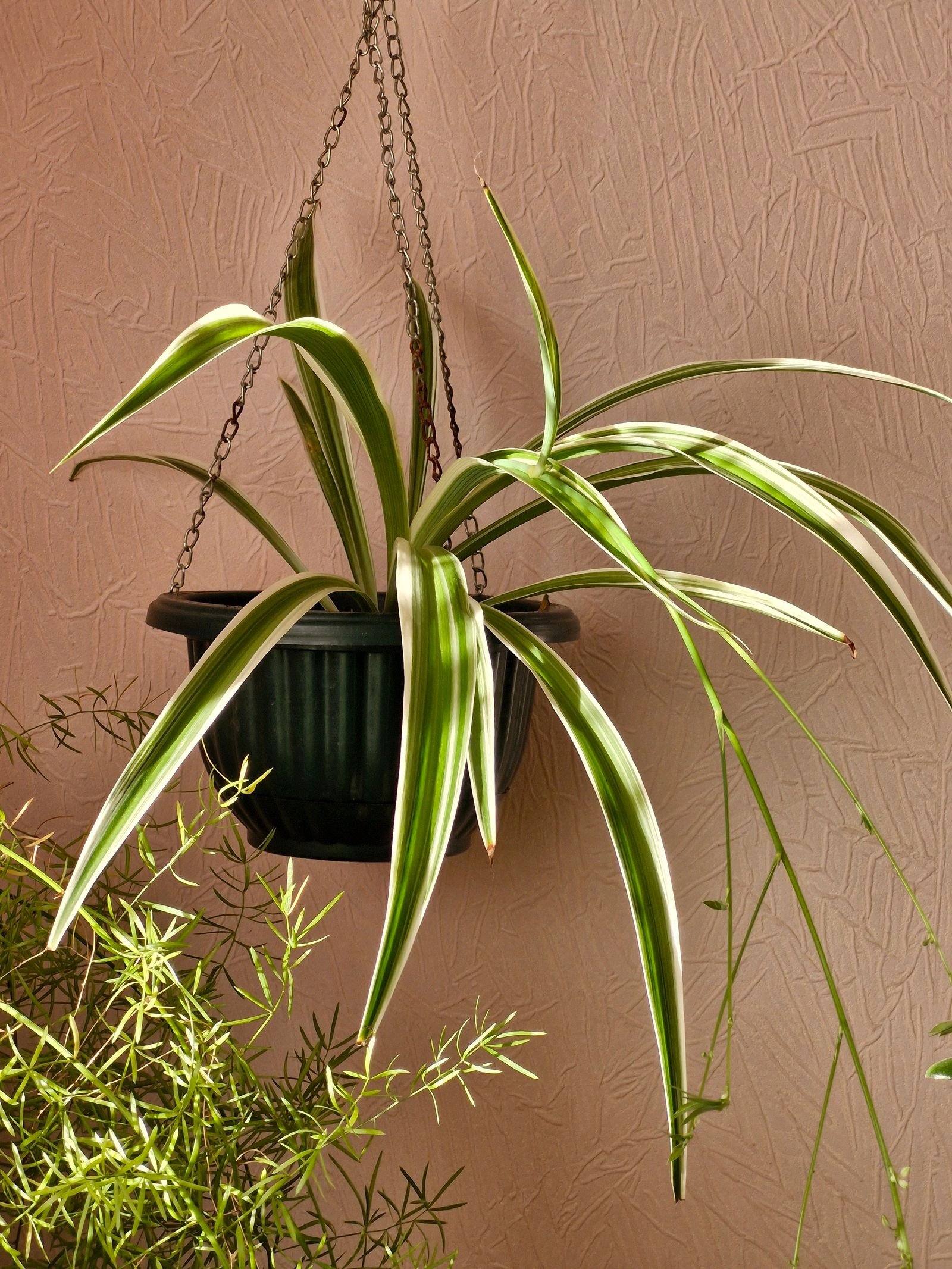
Spider plants adapt to almost any light level, including dim rooms, and produce dangling baby plants you can pot up and give away. Brown leaf tips usually mean irregular watering or fluoride in tap water — rainwater or overnight-rested tap water fixes it.
10. Ferns (Boston and Bird's Nest)
 ferns-bathroom-window.jpg 185.42 KB
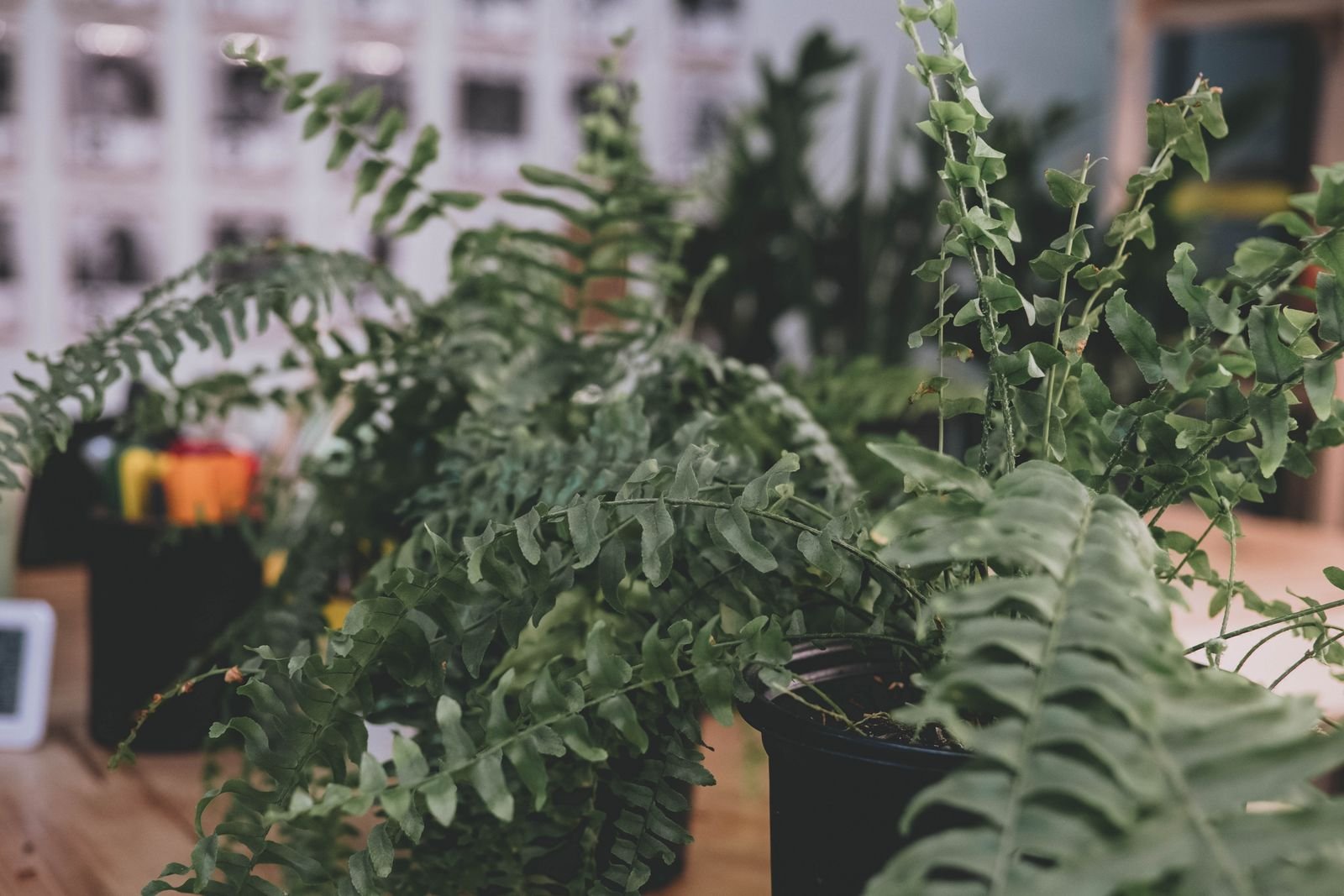
Ferns evolved in forest shade, so low light suits them — what they demand instead is humidity. A bathroom with a frosted window is their dream home. Mist them, group them with other plants, or stand the pot on a tray of wet pebbles.
11. Calathea (Prayer Plant)
 calathea-patterned-leaves.jpg 340.9 KB
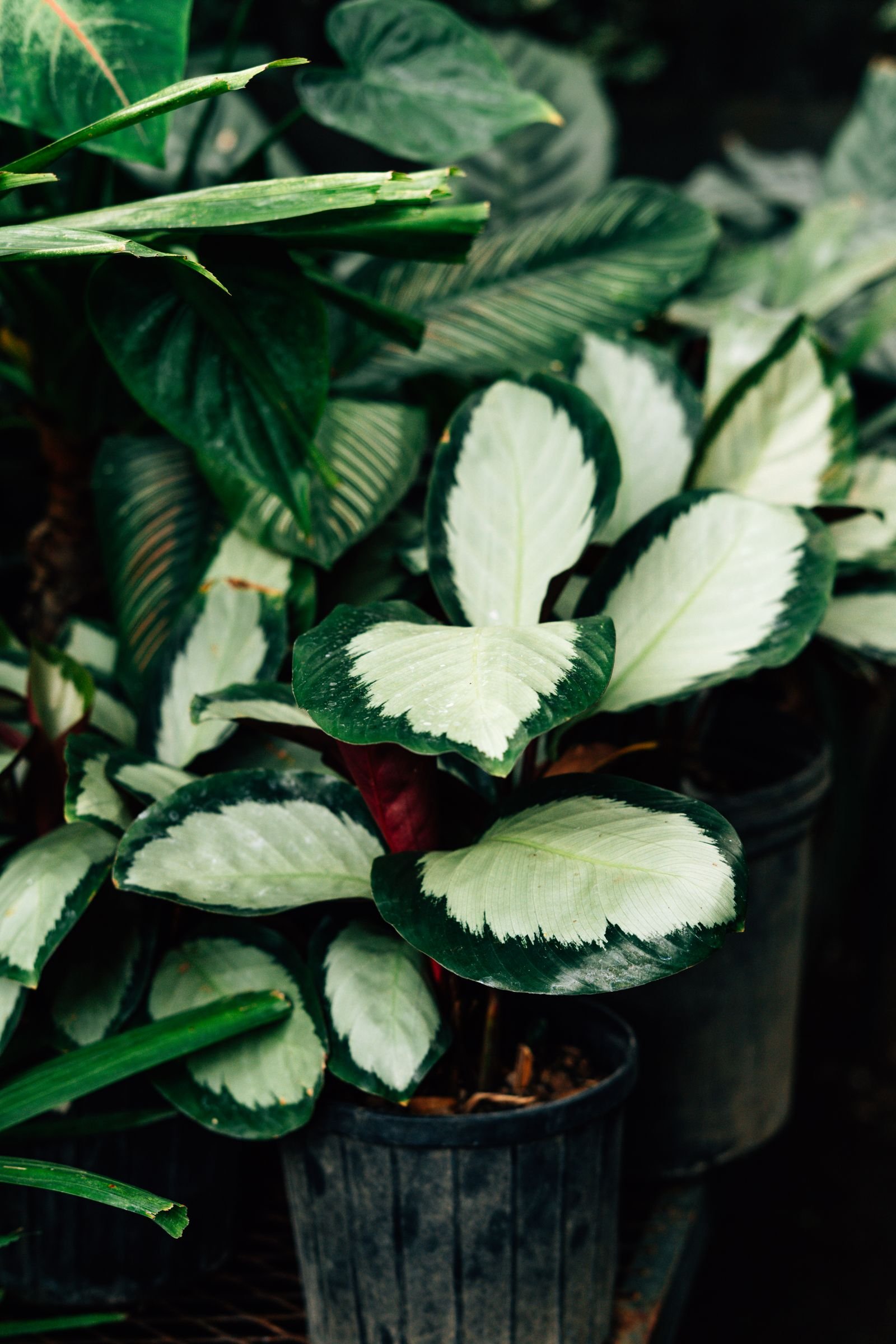
Calatheas fold their patterned leaves up at night and open them in the morning. They evolved for low forest light, so a bright room can actually scorch them — a shaded shelf is ideal. They like consistent moisture and humidity, so they suit attentive beginners.
12. Aspidistra and Philodendron Alternatives: The Lucky Bamboo
 lucky-bamboo-glass-vase.jpg 204.41 KB
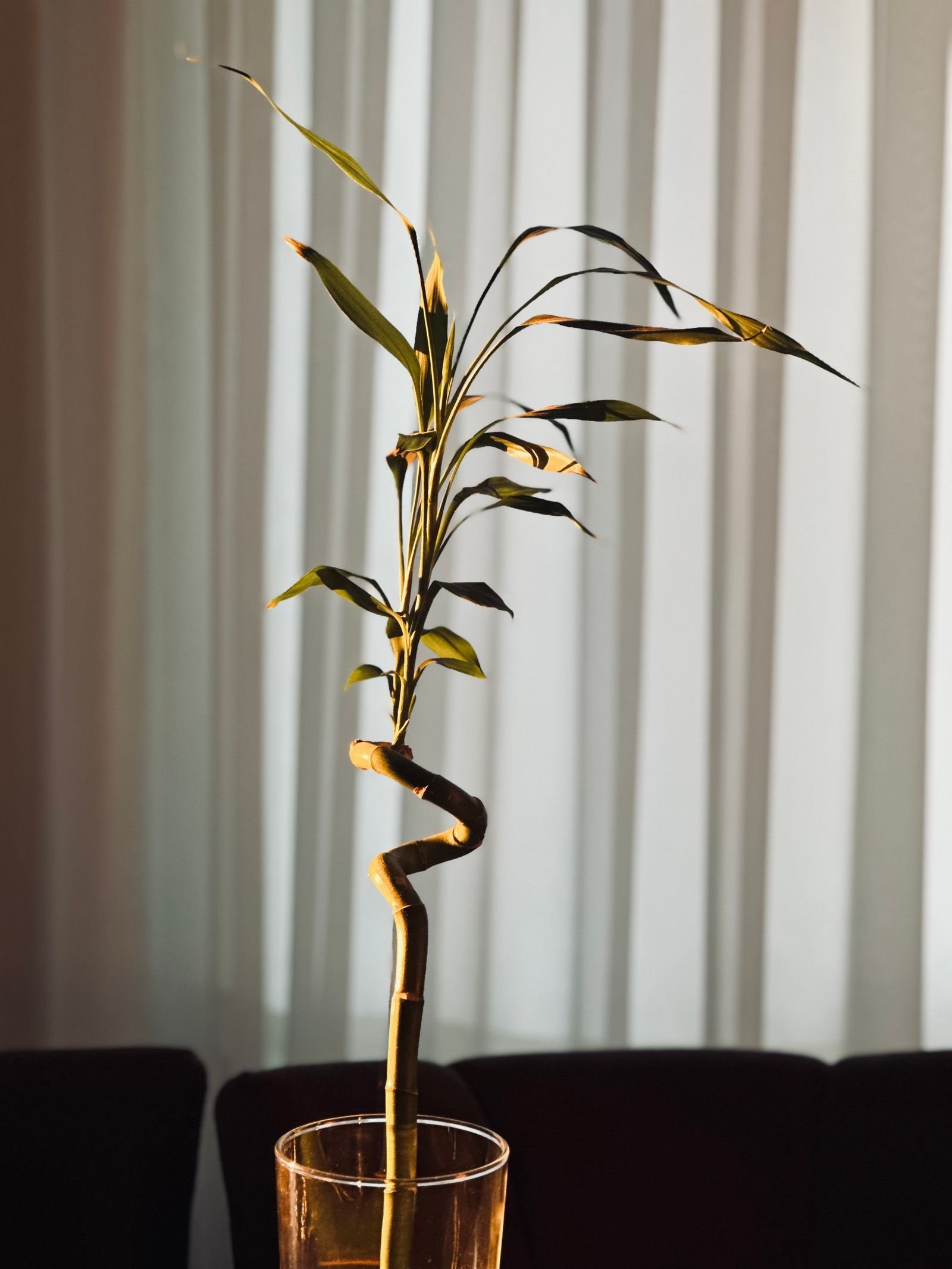
Lucky bamboo (actually a dracaena) grows in water or soil, in light levels from bright shade to genuinely dim. It is sold everywhere, costs very little, and asks only for fresh water every week or two if grown in a vase.
How to Help Any Plant Cope With Low Light
 rotating-plant-near-window.jpg 258.72 KB
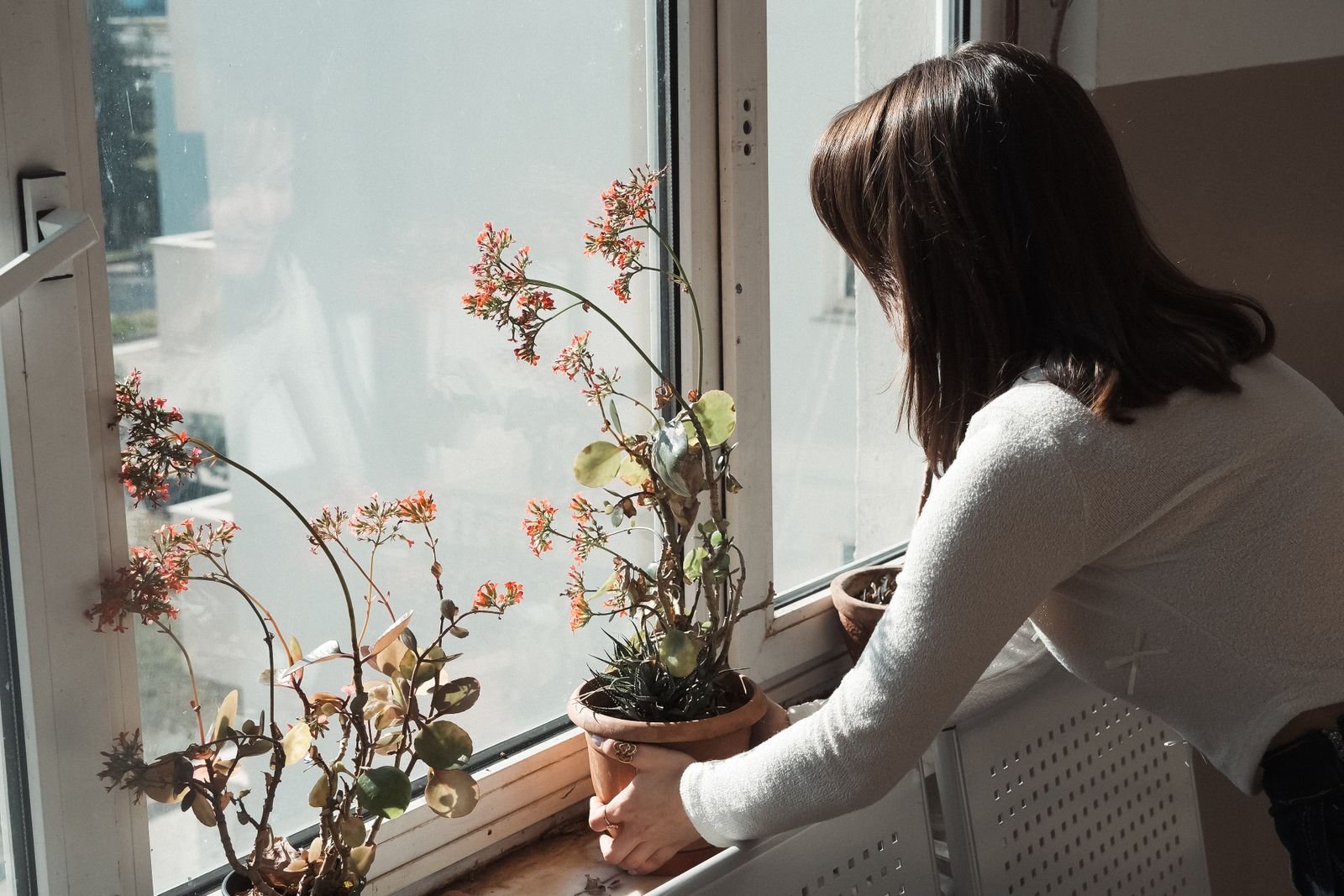
Be honest about "low light": it means a room with a window, not a windowless cupboard — no plant photosynthesises in darkness. Rotate pots a quarter-turn weekly so growth stays even, dust the leaves so they can absorb light, and water less than you would in summer — low-light plants drink slowly, and soggy soil rots roots. If a corner is truly dark, a small LED grow bulb in a normal lamp fitting changes everything for a few pounds. For sunnier spots and outdoor colour, see our flower bed border ideas and garden wall ideas guides.
Frequently Asked Questions
Which indoor plant needs the least light of all?
The cast iron plant and snake plant tolerate the lowest light of any common houseplants. Both survive in dim hallways where most plants fail, as long as they are not overwatered.
Can any plant survive with no natural light at all?
Not indefinitely. Plants need some light to live. In a windowless room, use an LED grow bulb for 8–12 hours a day — snake plants, ZZ plants and pothos do well under one.
Why is my low light plant not growing?
Slow growth in low light is normal — the plant is conserving energy. As long as leaves stay green and firm, it is healthy. Never fertilise a low-light plant in winter; feed lightly in spring instead.
How often should I water plants in low light?
Much less than bright-light plants. Low light means slow drinking, so check the soil first and water only when the top half is dry. Overwatering is the number one killer of shade plants.
Are low light plants safe for pets?
Some are, some are not. Spider plants and calatheas are pet-safe; dracaena, ZZ plant and peace lily are toxic if eaten. Check each plant before placing it within pet reach.